Lusiana Hamidun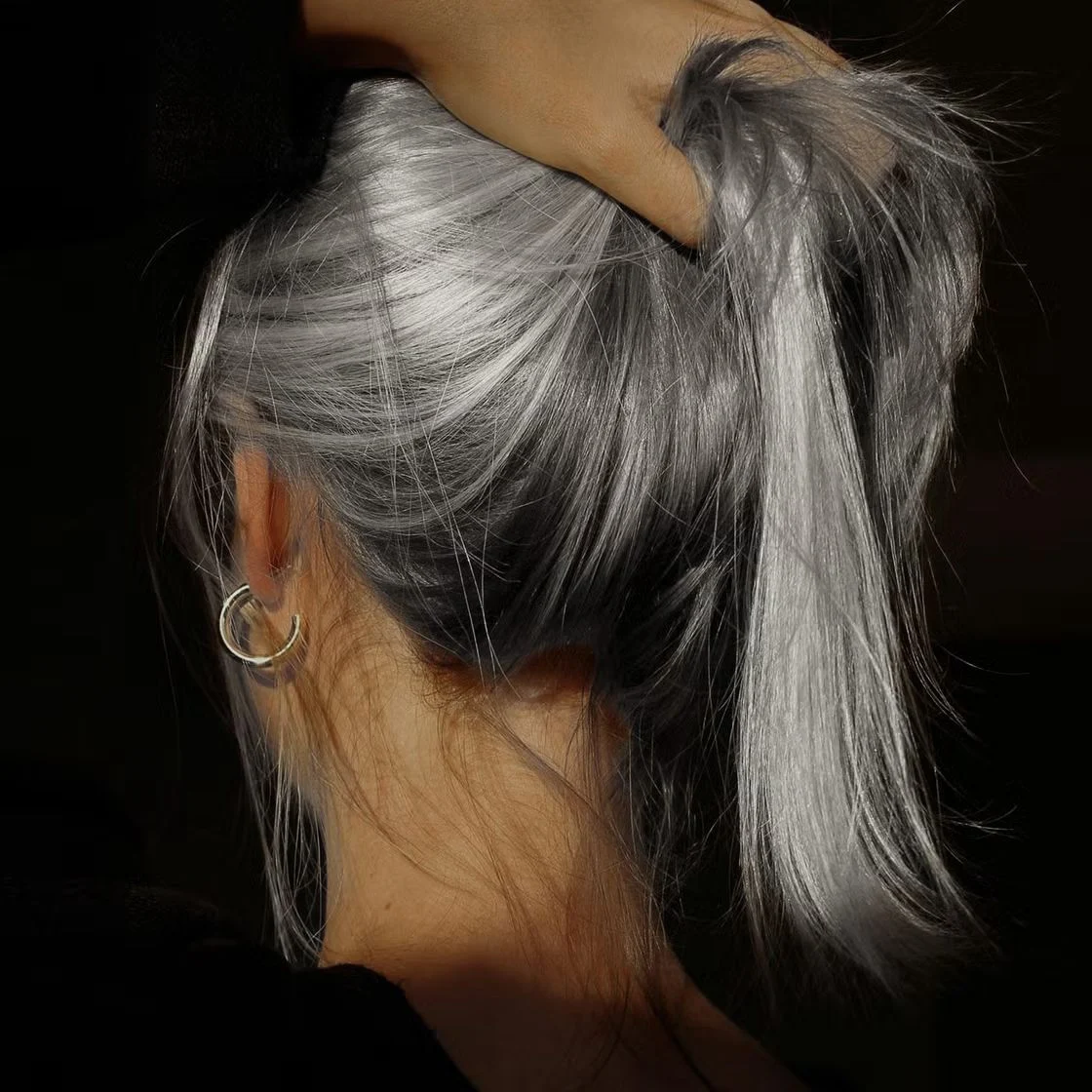
The sudden, dramatic shift of hair from its natural pigment to white or gray, a phenomenon known as Marie Antoinette syndrome, is far more than a mere internet curiosity or a whimsical association with a French queen’s alleged fondness for pastries. Medically termed canities subita, this condition is a real and startling disorder that can cause hair to turn white or gray within days, and in extreme cases, even overnight. Recently, this intriguing condition has experienced a resurgence in popularity, notably gaining traction on platforms like TikTok, sparking renewed interest and discussion among the public.
While the name conjures images of the ill-fated French queen, Marie Antoinette, who is historically rumored to have experienced her hair turn white the night before her execution, the syndrome itself is a complex dermatological and psychological event. This article delves into the intricacies of canities subita, exploring its definition, potential causes, the scientific understanding of its mechanisms, and the current approaches to managing or potentially reversing its effects, drawing upon insights from leading professionals in dermatology and trichology.
Understanding Canities Subita: A Rapid Onset of White Hair
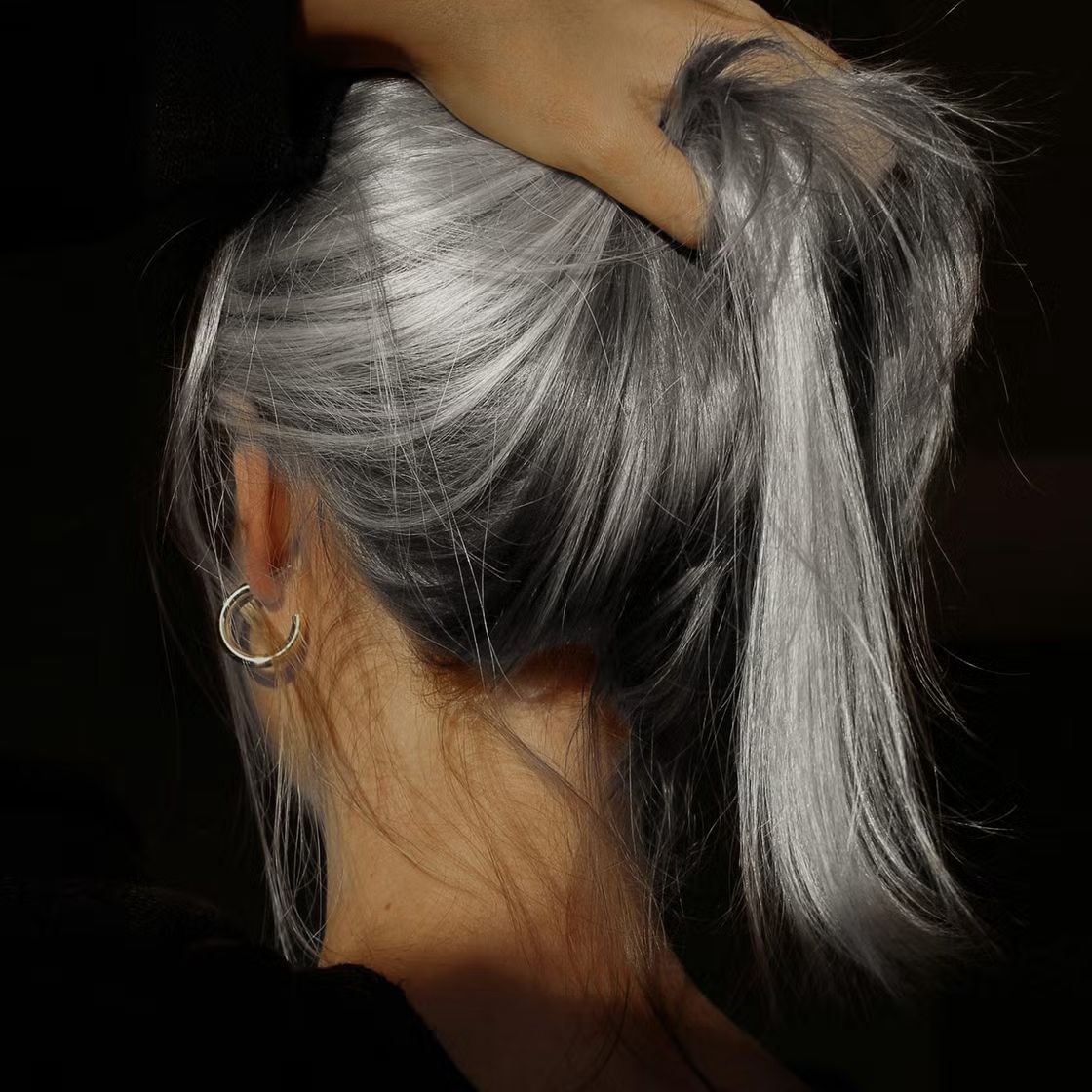
Marie Antoinette syndrome, or canities subita, is characterized by an extremely rare and rapid whitening of hair that was previously pigmented. Unlike the gradual greying process that typically accompanies aging, canities subita is marked by its sudden and dramatic onset.
"The primary difference lies in the speed and the dramatic nature of the hair turning white or gray," explains Dr. Chesahna Kindred, a dermatologist. "With canities subita, it happens very suddenly, potentially within as little as 24 hours. In contrast, the majority of the population experiences a gradual change to gray hair over several years."
The legend surrounding Marie Antoinette’s own hair transformation adds a historical and dramatic layer to the condition. While historical accuracy is debated, the narrative suggests that the immense psychological stress of her impending execution, coupled with the profound societal and political upheaval of the French Revolution, triggered this rapid change. The French Revolution, a period of radical social and political upheaval in France from 1789 to 1799, led to the overthrow of the monarchy, the establishment of a republic, and the execution of King Louis XVI and Queen Marie Antoinette. The queen’s final days were marked by imprisonment, trial, and ultimately, the guillotine on October 16, 1793. The story of her hair turning white in the face of such extreme duress has become inextricably linked with the phenomenon of rapid hair whitening.
In some severe instances of canities subita, the condition can also be accompanied by hair loss. This dual manifestation underscores the profound impact that extreme stress or underlying physiological triggers can have on the hair follicles and the hair growth cycle.
The Enigmatic Causes of Canities Subita
The precise scientific mechanisms underlying canities subita remain a subject of ongoing research and are not yet fully understood by medical professionals. However, several theories have emerged, primarily pointing towards autoimmune responses and extreme psychological stress as potential triggers.
One of the most prevalent theories posits that canities subita is a rare manifestation of alopecia areata. Alopecia areata is an autoimmune disease in which the body’s immune system mistakenly attacks its own hair follicles, leading to hair loss. In the context of canities subita, the immune system’s attack is thought to be directed at the melanocytes—the pigment-producing cells within the hair follicles.
"The most common theory is that it’s a rare form of alopecia areata, where the immune system attacks the pigment cells located in the hair follicles," Dr. Kindred elaborates. Typically, individuals with alopecia areata experience patchy hair loss, with hair growth ceasing in affected areas. However, in canities subita, the outcome is not cessation of growth but a rapid depigmentation of the existing hair. This distinction highlights the unique nature of the condition, where the focus shifts from hair loss to a sudden alteration of hair color.
Trichologist Ladosha Wright points to the significant role of extreme and intense stress as a common correlating factor in analyzed cases of canities subita. "Stress-related triggers are generally linked to illness (including COVID-19), major emotional upheaval, or sudden injury," Wright states. The COVID-19 pandemic, in particular, has been an unprecedented global event, causing widespread stress, anxiety, and in many cases, severe illness. The psychological toll of such an experience, combined with the physiological impact of the virus itself, may have contributed to an observed increase in stress-related hair conditions, including potentially canities subita.
The body’s stress response, mediated by hormones like cortisol, can indeed have profound effects on various physiological systems, including hair follicle function. Chronic or acute stress can disrupt the hair cycle, leading to premature shedding or, in rare cases like canities subita, a rapid depletion of melanin.
Can Canities Subita Be Reversed? Current Perspectives and Management
Given that the root causes of canities subita are still being thoroughly investigated, a definitive and universally effective treatment to reverse the condition is not yet established. However, emerging research and clinical observations offer promising avenues.
Dr. Kindred highlights a compelling report from Spain that demonstrated positive outcomes in reversing canities subita with the use of baricitinib. This oral medication is typically prescribed for the treatment of severe cases of alopecia areata. The study’s findings suggest that by modulating the immune response that may be targeting melanocytes, baricitinib could potentially restore pigment production to hair follicles, leading to a reversal of the whitening process. This research represents a significant step forward in understanding how to intervene in the autoimmune mechanisms that may be at play.
For individuals experiencing canities subita, consulting with medical professionals is paramount. A personalized treatment plan, tailored to the specific symptoms and needs of the patient, is crucial. This may involve addressing any underlying health issues, managing stress levels, and exploring potential therapeutic interventions like those suggested by the baricitinib study.
Furthermore, since graying hair, whether from canities subita or gradual aging, tends to be drier and more prone to breakage, specialized hair care is recommended. Ladosha Wright advises implementing deep conditioning treatments. "For those experiencing canities subita, experts emphasize the importance of consulting with a doctor to develop a personalized treatment plan based on individual symptoms and needs," Wright reiterates. "And because gray hair tends to be dry, Ladosha also suggests deep conditioning treatments while discussing management options with a professional."
Incorporating regular deep conditioning masks can help to replenish moisture, improve hair elasticity, and enhance shine. Recommended products include:
- Hindsgaul’s The Mask Conditioner: Known for its intensive moisturizing properties, this mask can help to combat dryness and brittleness.
- Cécred’s Moisturizing Deep Conditioner: Formulated to provide profound hydration, this conditioner can leave hair feeling soft and manageable.
- Oribe’s Signature Moisture Masque: A luxurious option designed to deeply nourish and restore hair, promoting flexibility and overall health.
These products, when used as part of a consistent hair care routine, can help maintain the health, softness, and flexibility of hair that has undergone rapid whitening, ensuring it remains in the best possible condition.
Broader Implications and Public Awareness
The recent surge in interest surrounding Marie Antoinette syndrome, particularly on social media platforms like TikTok, has undoubtedly increased public awareness of this rare condition. This heightened visibility can have several positive implications. Firstly, it encourages individuals experiencing sudden hair whitening to seek professional medical advice rather than dismissing it as a cosmetic concern or a natural aging process. Early diagnosis and intervention, even if the exact cause is not fully understood, can be critical.
Secondly, the discussion around canities subita can foster empathy and understanding for individuals who experience such dramatic physical changes, especially those linked to significant stress or trauma. It shifts the narrative from a purely aesthetic concern to a health issue with potential underlying physiological and psychological components.
The connection to historical figures like Marie Antoinette also serves as a potent reminder of the complex interplay between our mental and physical well-being. While the historical account of the queen’s hair may be anecdotal, it powerfully illustrates how extreme emotional distress can manifest in profound physical ways. In an era where mental health is increasingly recognized as integral to overall health, conditions like canities subita serve as tangible examples of this connection.
However, the popularization of such conditions on social media also carries a caveat. It is crucial for information shared online to be accurate and to encourage users to consult with qualified healthcare professionals. Misinformation or self-diagnosis based on online trends can be detrimental.
Conclusion: A Fascinating Phenomenon Requiring Further Study
Marie Antoinette syndrome, or canities subita, remains a captivating and somewhat mysterious condition. The rapid transformation of hair color, while rare, serves as a powerful reminder of the intricate and sometimes surprising ways our bodies respond to stress and internal physiological shifts. As research continues to unravel the underlying mechanisms, particularly the role of autoimmune responses and the impact of extreme stress, more targeted and effective treatments may emerge. For now, a combination of medical consultation, personalized care, and diligent hair maintenance offers the best approach for those affected by this extraordinary phenomenon. The enduring fascination with this condition, amplified by its recent resurgence in popular culture, underscores the public’s ongoing curiosity about the human body’s resilience and its capacity for dramatic change.