Tyo Susilo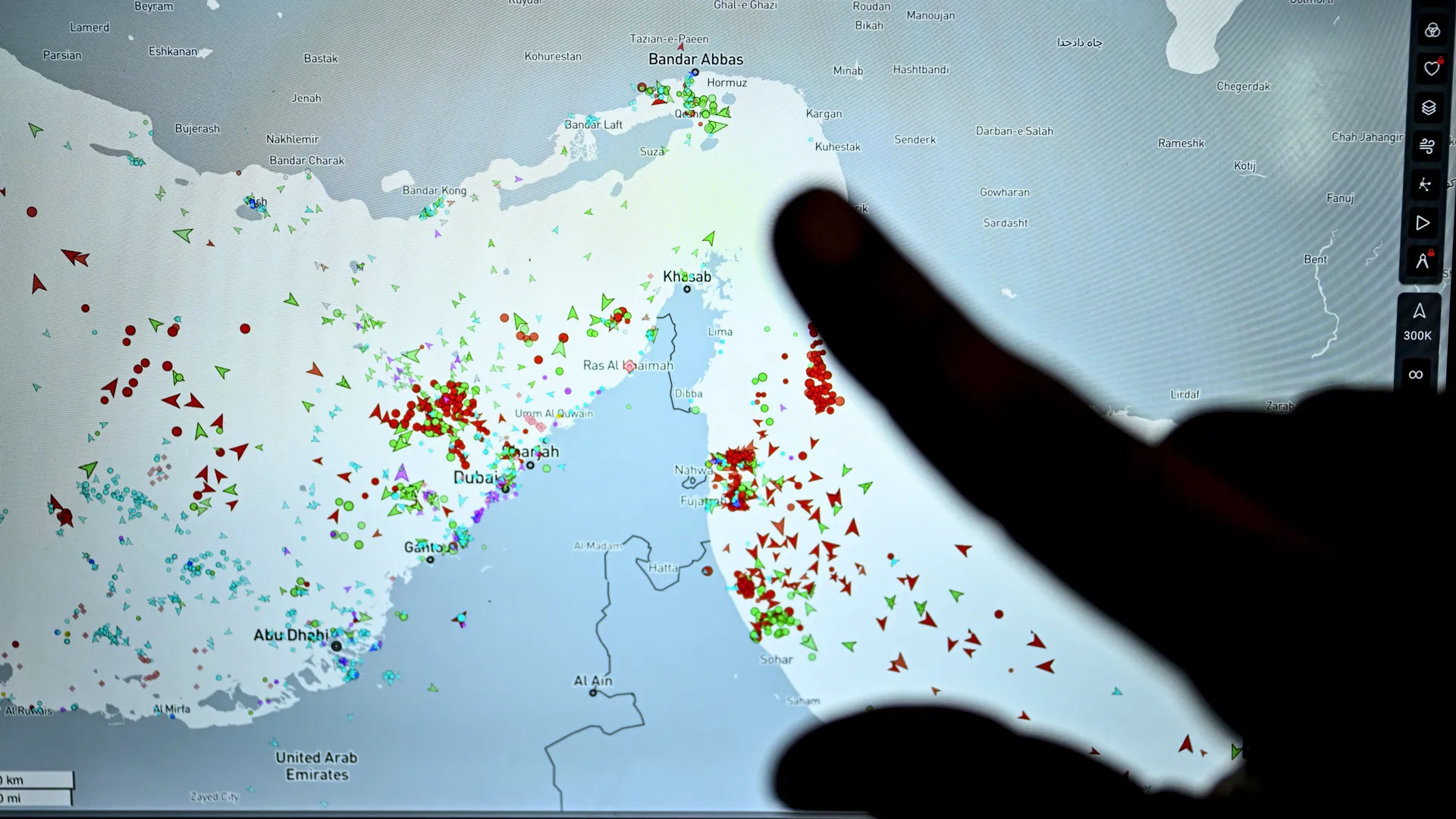
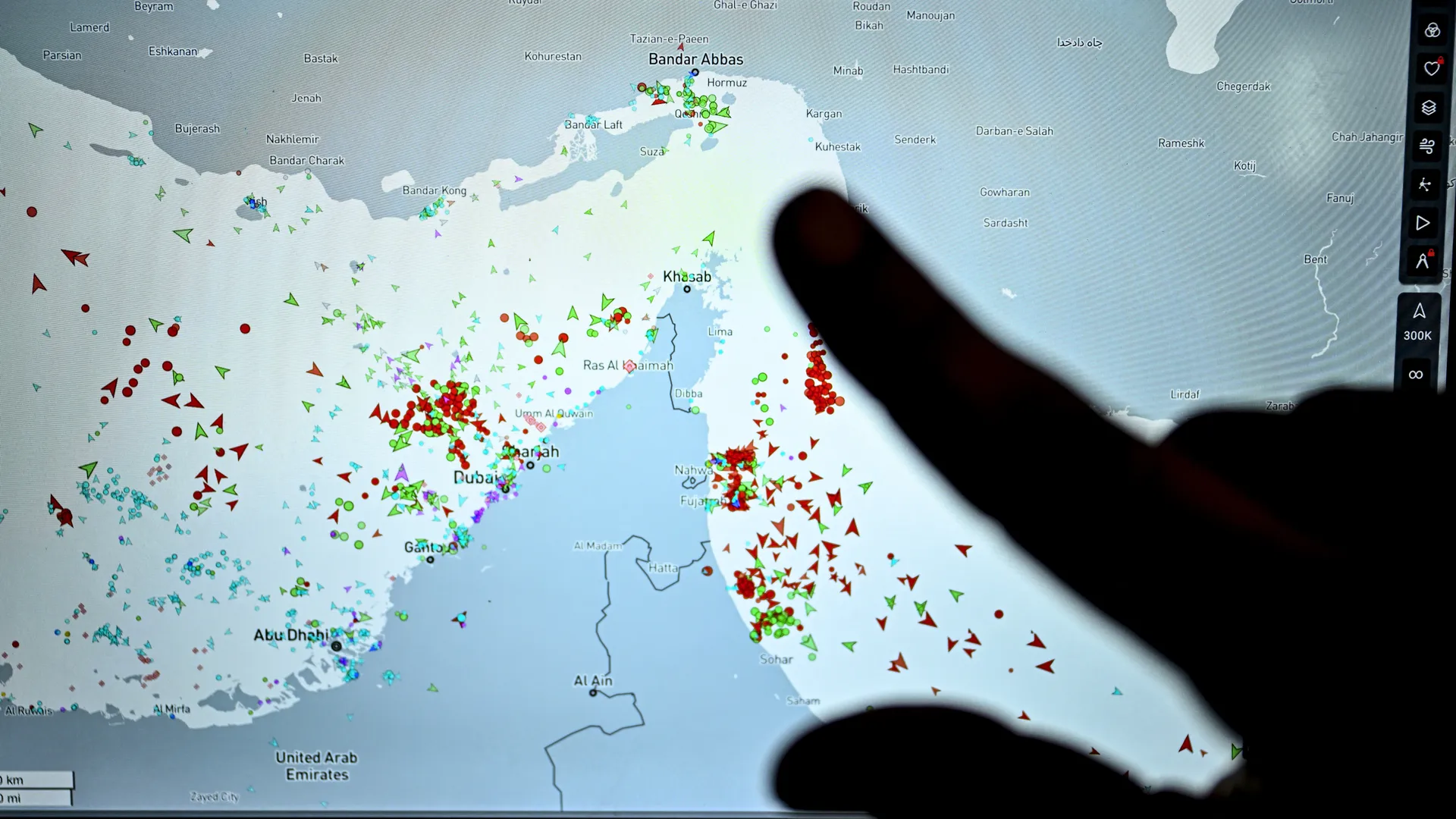
The simmering geopolitical tensions between the United States, Israel, and Iran are increasingly casting a long shadow over the global technology industry, particularly the already fragile semiconductor supply chain. As the world grapples with the ongoing trade war’s impact on chip manufacturing, the escalating conflict in the Middle East introduces a new layer of uncertainty, raising critical questions about its potential to exacerbate existing vulnerabilities and trigger widespread disruptions. The critical chokepoint of the Strait of Hormuz, a vital artery for global oil and LNG distribution, stands at the nexus of this concern. Any interruption to shipping through this narrow waterway carries far-reaching consequences that extend well beyond the energy sector, directly impacting the high-tech industries that rely on its stability.
Taiwan: The Epicenter of Semiconductor Production and Potential Vulnerability
Taiwan, a global powerhouse in semiconductor manufacturing, finds itself at a particularly precarious crossroads. The island nation is not only the world’s leading producer of advanced chips, housing giants like Taiwan Semiconductor Manufacturing Company (TSMC), but it also remains heavily dependent on energy imports. A significant portion of this energy supply originates from the Middle East, making Taiwan’s industrial backbone acutely susceptible to disruptions in this volatile region.
The semiconductor industry is characterized by its voracious appetite for electricity. State-of-the-art fabrication plants, or "fabs," operate continuously, requiring an uninterrupted and stable power supply. Sudden or prolonged power outages can lead to irreparable damage to sensitive equipment and the costly halting of production lines. TSMC, for instance, operates facilities that consume immense amounts of energy, and a sudden shutdown is not a feasible option without severe economic and operational repercussions. The potential for a ripple effect, where energy shortages in the Middle East translate to power rationing or increased energy costs in Taiwan, poses a significant threat to its semiconductor output.
Beyond energy, another critical industrial input for semiconductor manufacturing is facing potential strain: helium. This inert gas plays a crucial role in various advanced processes, including the cooling systems essential for maintaining the precise temperatures required in chip fabrication and the lithography techniques used to etch intricate circuit patterns onto silicon wafers. A substantial portion of the global helium supply is sourced from Qatar, a nation situated within the same geopolitical sphere as the current conflict. Any escalation or prolonged tension in the region could jeopardize the reliable flow of this indispensable gas.
Currently, the immediate impact on Taiwan’s semiconductor industry has not been catastrophic. The island reportedly possesses energy reserves sufficient for several months of operation, though its strategic emergency reserves are understood to be finite. Similarly, helium supplies can, for the time being, be rerouted from other producing nations, offering a temporary buffer. However, these are short-term solutions.
Geopolitical Tremors and the Chip Supply Chain: A Historical Perspective
The semiconductor industry has a well-documented history of being sensitive to geopolitical shifts. The ongoing trade dispute between the United States and China, for example, has already led to significant reconfigurations of the global chip supply chain, prompting investments in domestic production and heightened scrutiny of cross-border technology transfers. This conflict adds another layer of complexity to an already intricate global network.
Historically, the Middle East’s role in global trade has been defined by its vast energy resources. The Strait of Hormuz, a mere 21 miles wide at its narrowest point, handles approximately 30% of the world’s seaborne crude oil and liquefied natural gas (LNG) exports. Its strategic importance has made it a focal point of international diplomacy and, at times, a flashpoint for regional instability. Past threats to the Strait have invariably sent shockwaves through global energy markets, leading to price volatility and prompting contingency planning by governments and corporations alike. The current geopolitical climate, with heightened tensions between major global powers and key regional actors, amplifies these historical concerns.
The Domino Effect: From Strait of Hormuz to Chip Production
The potential disruption to the Strait of Hormuz presents a multifaceted threat to the semiconductor industry:
- Energy Supply Disruption: A blockade or significant military action in the Strait could halt or severely curtail the flow of oil and LNG to East Asian nations, including Taiwan. This would not only lead to soaring energy prices but could also result in direct energy shortages, impacting the continuous operation of semiconductor fabs.
- Raw Material Shortages: The supply of critical raw materials, such as the aforementioned helium, could be jeopardized if shipping routes through the Persian Gulf are compromised.
- Increased Shipping Costs and Lead Times: Even without a complete blockade, heightened security risks and rerouting of vessels would inevitably lead to increased shipping costs and longer delivery times for essential components and raw materials.
- Economic Uncertainty and Investment Hesitation: Prolonged geopolitical instability can dampen investor confidence, potentially slowing down much-needed investments in the expansion and upgrading of semiconductor manufacturing facilities.
Manufacturers Brace for Impact: Prioritizing Production and Navigating Uncertainty
Should the conflict persist and shipping lanes remain disrupted, semiconductor manufacturers will likely face difficult decisions regarding production priorities. In such a scenario, companies might be compelled to reallocate resources and focus on producing high-margin, in-demand chips, such as those used in artificial intelligence (AI) applications and advanced computing. This could lead to delays in the production of other, less profitable chip categories, potentially affecting the availability of consumer electronics like smartphones, laptops, and graphics processing units (GPUs).

The implications of such a shift would be felt across numerous downstream industries. The consumer electronics market, which has already experienced price fluctuations due to supply chain constraints, could face renewed upward pressure on prices. The burgeoning AI sector, heavily reliant on advanced semiconductors, could see its growth trajectory impacted by potential supply bottlenecks.
Industry Reactions and Official Stance (Inferred)
While specific official statements from semiconductor manufacturers regarding the current conflict are likely to be measured and cautious, it is reasonable to infer that they are actively monitoring the situation and engaging in contingency planning. Companies with global supply chains are accustomed to navigating geopolitical risks and likely have established protocols for managing disruptions. This would typically involve:
- Diversifying Supply Chains: Efforts to reduce reliance on single sources for critical materials and components.
- Increasing Inventory Levels: Building up strategic stockpiles of raw materials and finished goods to weather short-term disruptions.
- Exploring Alternative Shipping Routes: Identifying and evaluating alternative transportation methods and routes, though this is often more costly and time-consuming.
- Engaging with Governments: Collaborating with national governments to ensure the security of critical supply chains and advocate for diplomatic solutions.
Governments of major semiconductor-producing nations, particularly those with significant economic stakes in Taiwan’s industry, are undoubtedly engaged in diplomatic efforts to de-escalate tensions and ensure the stability of global trade routes. Their focus would be on safeguarding economic interests and preventing a wider conflict that could have cascading global consequences.
A Wake-Up Call for Global Resilience
The escalating US-Iran conflict serves as a stark reminder of the interconnectedness of global industries and the fragility of complex supply chains. For the semiconductor sector, which forms the bedrock of the modern digital economy, the potential for disruptions in the Middle East highlights the urgent need for enhanced resilience. This includes not only technological advancements and manufacturing diversification but also a continued emphasis on diplomatic solutions to geopolitical challenges.
As the situation unfolds, close observation of energy market dynamics, shipping activity through the Strait of Hormuz, and any official pronouncements from key stakeholders will be crucial. The question remains: will this geopolitical flare-up be a temporary setback, or will it trigger a more profound and lasting impact on the availability and pricing of the essential chips that power our world? The answer hinges on the de-escalation of tensions and the ability of global actors to maintain the unimpeded flow of vital resources and materials. The semiconductor industry, a bellwether for technological progress and economic stability, is undoubtedly watching with bated breath.