Nila Kartika Wati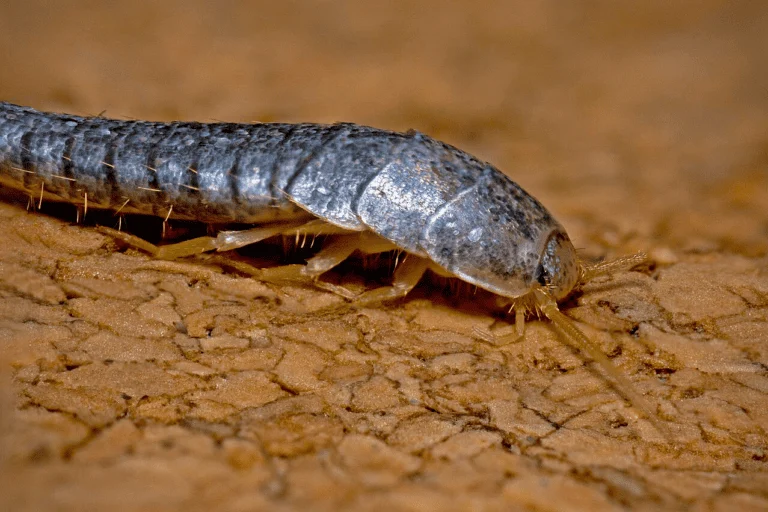
The silverfish, known scientifically as Lepisma saccharinum, represents one of the most remarkable success stories in the history of terrestrial life, serving as a biological bridge to an era long before the rise of the dinosaurs. Often dismissed by modern homeowners as a mere nuisance found in the damp corners of libraries or the dark recesses of closets, this metallic-scaled insect is, in fact, a "living fossil" that has maintained a nearly unchanged physiological blueprint for hundreds of millions of years. In Indonesia and across the tropical world, where high humidity levels provide an ideal sanctuary, these members of the order Zygentoma continue to thrive, offering entomologists a rare window into the primitive origins of the insect world. By examining their evolutionary trajectory, unique genomic makeup, and sophisticated survival strategies, a clearer picture emerges of how a creature so seemingly fragile has managed to outlast the vast majority of species that have ever walked the Earth.
A Chronology of Survival: Preceding the Age of Reptiles
To understand the significance of the silverfish, one must look back to the Devonian Period, approximately 400 million years ago. This was an era characterized by the first significant diversification of life on land, a time when the first forests began to carpet the planet and the ancestors of four-legged vertebrates were only just beginning to transition from aquatic environments. According to fossil records and recent molecular clock analyses, the lineage of the silverfish was already established during this period. To put this into perspective, the Tyrannosaurus rex, perhaps the most famous of the dinosaurs, did not appear until the Late Cretaceous period, roughly 68 million years ago. This means the silverfish had already been refining its survival tactics for over 330 million years before the "King of the Dinosaurs" even existed.
The ability of the silverfish to survive multiple mass extinction events—including the Permian-Triassic extinction, which wiped out nearly 96% of all marine species and 70% of terrestrial vertebrate species—is a subject of intense scientific scrutiny. While larger, more specialized organisms succumbed to radical shifts in climate and atmospheric composition, the silverfish’s generalized diet and resilient physiology allowed it to persist. Its history is not one of rapid adaptation to new niches, but rather of a "perfected" design that required little modification across geological epochs.
Genomic Insights: The Primitive Sensory Advantage
Recent advancements in genomic sequencing have provided new data on why silverfish are so adept at navigating their environments. A landmark study published in Frontiers in Ecology and Evolution (2019) explored the transcriptome of silverfish to understand the origin of insect odorant receptors (ORs). Unlike modern flying insects, which possess a highly complex array of receptors designed to detect volatile chemicals over long distances—essential for locating flowers or mates in mid-air—silverfish utilize a more ancestral version of these receptors.
These primitive "ionotropic receptors" are highly efficient for ground-based navigation and short-range chemical detection. This sensory setup allows them to detect minute traces of starch, glue, and moisture in the pitch-black environments they prefer. Furthermore, research conducted as recently as 2024 has identified new species of silverfish in isolated cave systems, suggesting that while their basic body plan remains static, they are still capable of diversifying to colonize extreme, isolated environments. These findings suggest that the silverfish’s genetic stability is not a sign of evolutionary stagnation, but rather an indication of a highly optimized genomic architecture that resists unnecessary change while allowing for niche specialization.
The Mechanics of the Apterygota: Why Being Wingless Works
One of the defining characteristics of the silverfish is its status as a member of the Apterygota, a group of insects that are ancestrally wingless. Unlike many other wingless insects that lost their wings through evolution (such as fleas or certain species of ants), silverfish belong to a lineage that never developed wings in the first place. In the competitive world of entomology, wings are generally considered a massive evolutionary advantage for dispersal and predator avoidance. However, the silverfish proves that a terrestrial, low-profile existence can be equally viable.
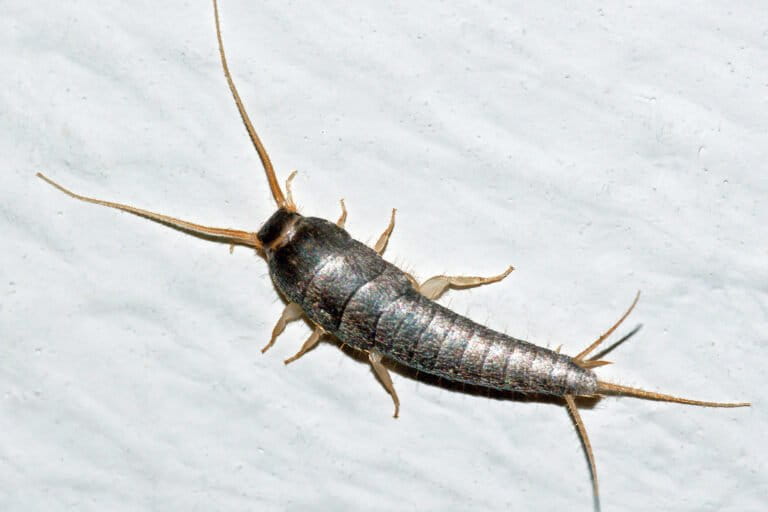
The silverfish’s body is dorsoventrally flattened, allowing it to squeeze into incredibly tight crevices that are inaccessible to larger predators. Their movement is also distinct; they move in a swift, lateral, fish-like motion—the trait that earned them their common name. This movement is facilitated by three long, tail-like appendages at the rear of the abdomen, which act as sensory organs to detect air currents and vibrations, providing an early warning system against approaching threats.
Defensive Architecture: The Role of Metallic Scales
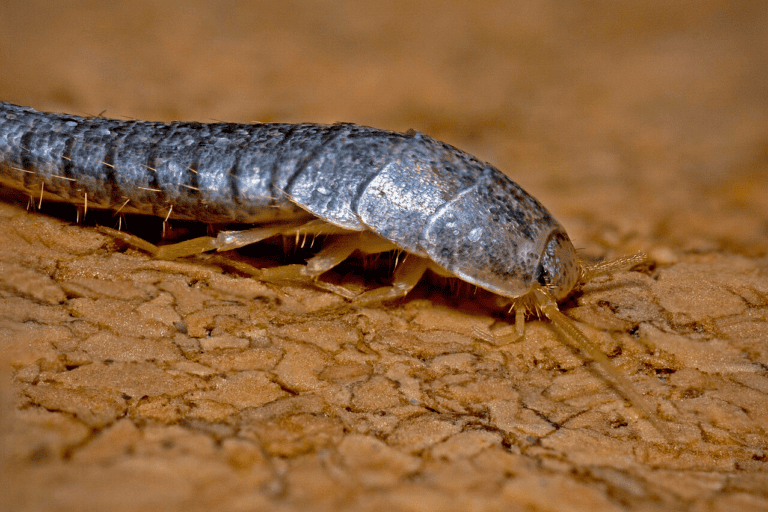
The silver-grey, metallic luster of the silverfish is not merely aesthetic. It is the result of tiny scales that cover the insect’s body. These scales serve a dual purpose: they provide a level of protection against desiccation (drying out) and act as a sophisticated defense mechanism against predators. When a predator, such as a jumping spider or a centipede, attempts to grab a silverfish, the scales easily detach. This "slippery" quality allows the silverfish to slide out of the predator’s grasp, leaving the hunter with nothing but a mouthful of scales while the insect escapes into a nearby crack.
This defensive trait has remained constant since the Devonian period. It is an "old-school" survival tactic that remains effective even against modern predators. Furthermore, the silverfish is one of the few insects that continues to molt throughout its entire life, even after reaching sexual maturity. While most insects stop molting once they reach their adult form, a silverfish may molt up to 60 times in its lifespan. This allows it to regenerate damaged limbs and sensory organs, contributing to an unusually long lifespan for a small insect—often reaching between three to eight years in stable conditions.
Ecological Roles: From Forest Floor Decomposers to Urban Residents
While the silverfish is often viewed through the lens of human economics—specifically as a pest that destroys property—its ecological role in the wild is vital. In their natural habitats, such as under tree bark, in leaf litter, or within the nests of birds and mammals, silverfish function as primary decomposers. They are detritivores, meaning they consume dead organic matter, particularly materials containing polysaccharides like cellulose and starch.
By breaking down these complex organic compounds, silverfish facilitate the cycling of nutrients back into the soil, supporting the growth of fungi and plants. In the urban environment, this same biological drive leads them to consume book bindings, wallpaper paste, silk, and food scraps. They possess unique enzymes in their gut, and in some cases, symbiotic bacteria, that allow them to digest cellulose—a feat many other animals cannot achieve without significant help. This ability to extract nutrition from "low-quality" sources like paper or old glue is a key factor in their ability to survive in human-made environments where other food sources might be scarce.
Implications for Science and Urban Management
The presence of silverfish in a home or facility is often an environmental indicator. Because they lack a waterproof cuticle found in many more "modern" insects, they are highly susceptible to dehydration. Therefore, a thriving silverfish population is a reliable sign of high humidity levels (usually above 75%). From an architectural and archival perspective, silverfish are seen as "canaries in the coal mine." Their presence alerts curators and homeowners to damp conditions that could eventually lead to mold growth or structural decay.
From a broader biological perspective, the silverfish challenges the notion that evolution is a constant march toward "complexity." Instead, they represent the "if it isn’t broken, don’t fix it" school of natural selection. By maintaining a simple, effective, and resilient body plan, they have navigated through some of the most turbulent periods in Earth’s history.
Conclusion: A Testament to Biological Resilience
The silverfish is far more than a household pest; it is a testament to the power of evolutionary consistency. As humans continue to alter the planet’s landscape, creating new "urban ecosystems," the silverfish has proven once again that it can adapt its ancient lifestyle to modern conditions. Whether they are hiding behind a 400-year-old manuscript in a European library or under a piece of bark in a tropical rainforest, these insects continue to play their role as the world’s most enduring survivors.
Understanding the silverfish allows scientists to better understand the early days of terrestrial life and the fundamental traits that allow a species to endure for hundreds of millions of years. As we look toward a future of shifting climates and changing environments, the silverfish remains a silent, silver witness to the planet’s past and a masterclass in the art of survival. Their story serves as a reminder that sometimes, the most successful strategies are not the most complex, but the most enduring.