Nila Kartika Wati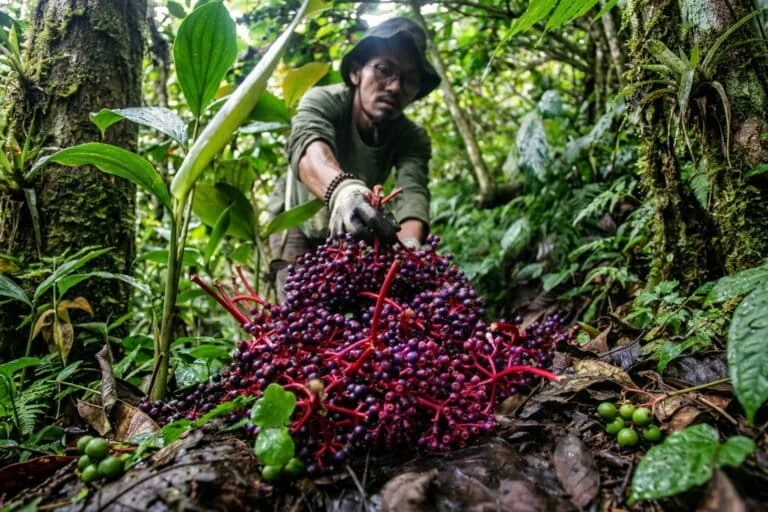
For nearly three decades, Mashuri, a 62-year-old farmer from the village of Colo in the Dawe District of Kudus, Central Java, has dedicated his life to the cultivation of parijoto, a vibrant, pearl-like fruit that grows in the misty highlands of Mount Muria. What was once considered a mere wild shrub, hidden deep within the primary forests of the volcano’s slopes, has transformed into a vital economic lifeline for the local community. From his 1.4-hectare plantation, Mashuri now generates a steady daily income from a commodity that, until recently, was largely ignored by mainstream agricultural markets. This shift represents more than just a change in farming habits; it is a profound example of how traditional knowledge and ecological preservation can converge to create a sustainable future for rural Indonesia.
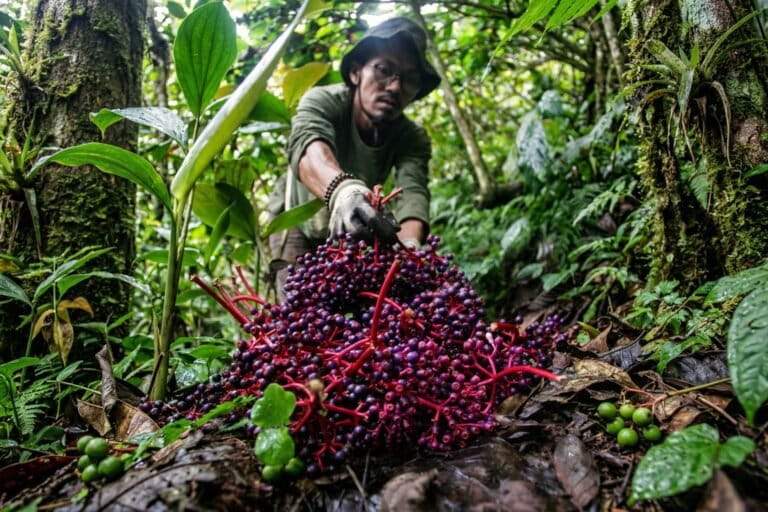
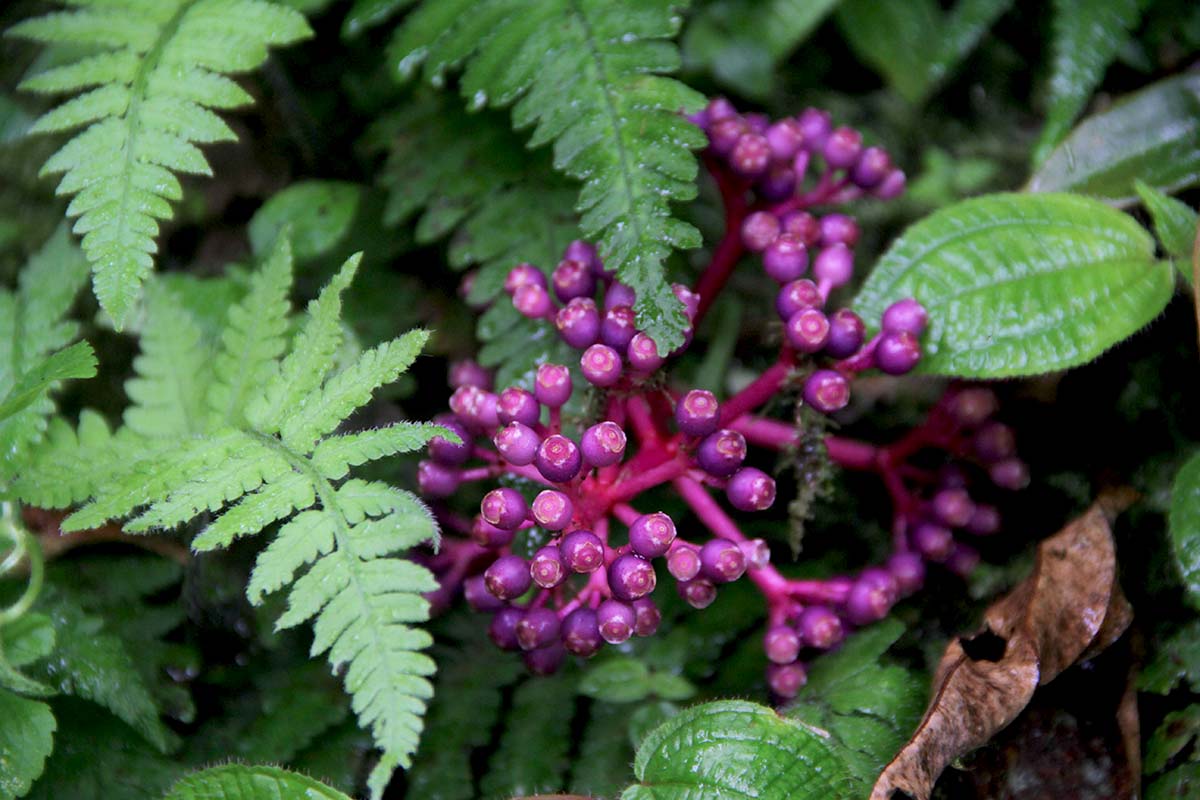
The parijoto plant, known scientifically as Medinilla speciosa, is a species of the Melastomataceae family. It thrives in the cool, shaded environment of the Muria highlands, often growing as an epiphytic or semi-epiphytic shrub. In Mashuri’s garden, these plants are not grown in isolation but are integrated into a complex agroforestry system. They stand beneath the protective canopy of towering forest trees, interspersed with coffee plants and avocado trees. This multi-layered landscape creates a microclimate that mimics the natural forest floor, ensuring the parijoto remains shielded from the harsh, direct rays of the sun—a condition essential for its survival and fruit production.
The Evolution of a Forest Treasure
The history of parijoto in Kudus is deeply intertwined with the spiritual and cultural fabric of the region. "In the past, this typical Muria fruit was not widely cultivated," Mashuri explained during a recent interview in April 2026. For generations, the residents of the Muria slopes viewed parijoto as a gift from the forest, to be harvested sparingly for personal use or traditional medicine. There was no concerted effort to domesticate the plant or manage it as a commercial crop.
The turning point occurred as the fame of Mount Muria as a pilgrimage site grew. The mountain is the final resting place of Sunan Muria, one of the Wali Songo (the nine saints who spread Islam in Java). Thousands of pilgrims visit the area annually, and over time, the parijoto fruit became a sought-after souvenir. Local lore suggests that the fruit possesses symbolic value and health benefits, particularly for expectant mothers. It is widely believed that consuming parijoto can result in children with clear skin and sharp features, a myth that has sustained a consistent demand among visitors.
Recognizing this burgeoning market, Mashuri began his cultivation journey in 1996. He was among the first to realize that the fruit’s popularity could be harnessed to provide a stable income while simultaneously protecting the forest. By planting parijoto under existing tree canopies, farmers like Mashuri avoided the need for "slash-and-burn" land clearing. This method preserved the structural integrity of the mountain’s slopes, which are crucial for preventing landslides and maintaining the regional water table.
The Agroforestry Model: Conservation through Cultivation
The cultivation of Medinilla speciosa serves as a natural barrier against deforestation. Unlike many commercial crops that require open fields and heavy sunlight, parijoto demands shade. "It must be under the trees; it cannot be exposed to direct sunlight," Mashuri noted. This biological requirement forces farmers to become stewards of the forest. To grow parijoto, one must first ensure the health of the larger trees that provide the necessary shade.
This symbiotic relationship has turned parijoto plantations into "buffer zones" that protect the remaining primary forests of Mount Muria. The inclusion of timber trees and fruit-bearing trees like avocado within these plots enhances biodiversity. This ecological approach stands in stark contrast to the monoculture practices seen in other parts of Indonesia, which often lead to soil exhaustion and increased vulnerability to pests. In the Muria highlands, the parijoto ecosystem helps maintain soil fertility and supports local wildlife, creating a productive landscape that functions much like a natural forest.
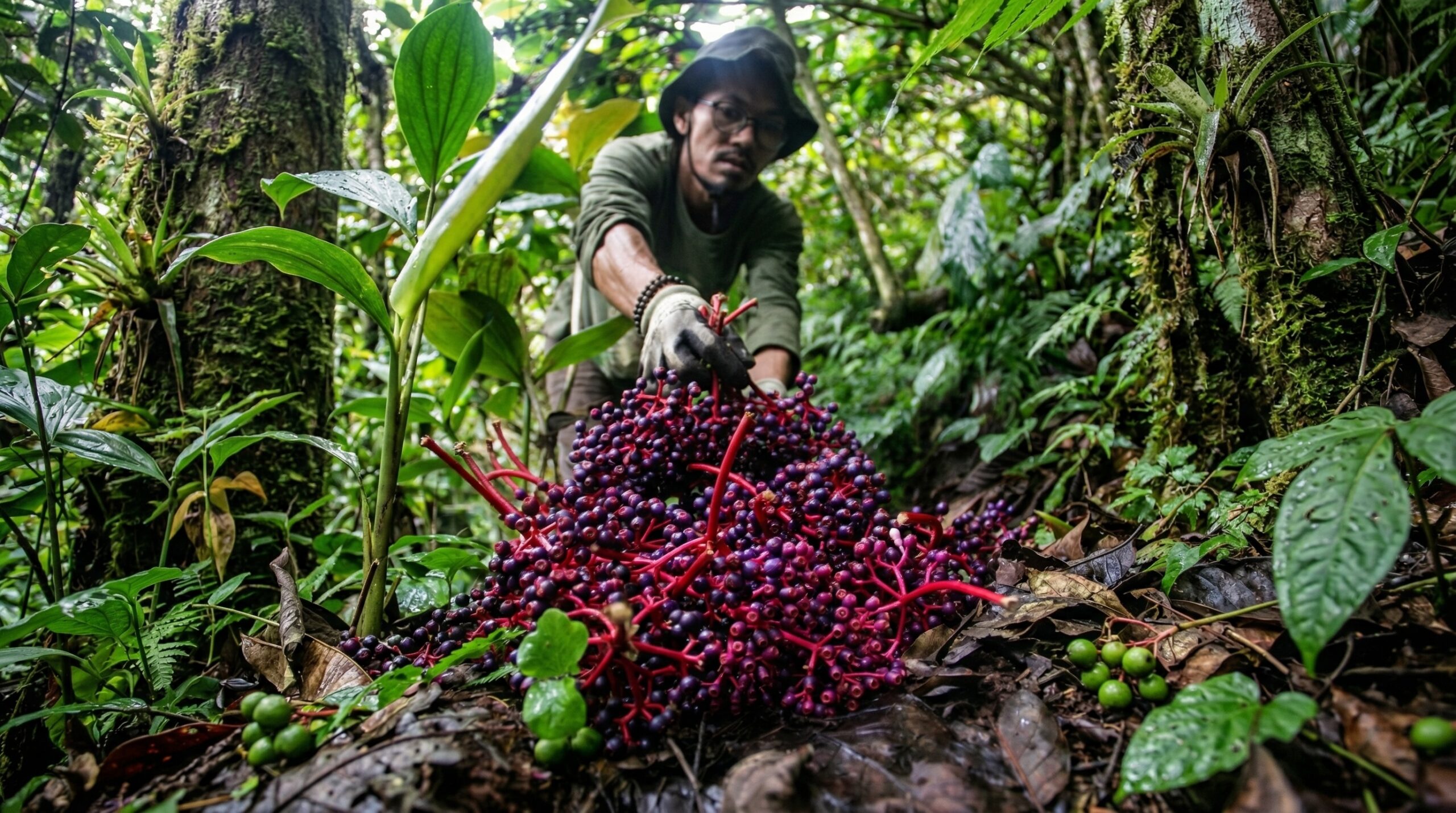
Furthermore, the economic structure of parijoto farming provides a unique advantage over traditional staples like coffee. While coffee is a seasonal crop, harvested typically once a year, parijoto is remarkably flexible. During the rainy season, the plants produce fruit almost continuously. Mashuri reports that he can harvest and sell the fruit nearly every day to the steady stream of tourists and pilgrims. This provides a daily cash flow that ranges from Rp50,000 to Rp300,000 (approximately $3 to $19 USD), depending on the season and the volume of visitors. This "daily income" model offers a level of financial security that seasonal crops cannot match.
Overcoming the Shadow of Deforestation
The importance of parijoto as a conservation tool is echoed by Sutrimo Mariono, a 65-year-old farmer who turned to parijoto cultivation in 2010. Sutrimo’s decision was born out of necessity and a sense of loss. He recalls the late 1990s and early 2000s, a period when illegal logging was rampant across the Muria slopes. As the massive hardwood trees were felled, the wild parijoto plants that grew beneath them vanished as well.
"If the forest is cut down, parijoto becomes just a story," Sutrimo remarked. The disappearance of the wild plants served as a wake-up call. By domesticating the plant, Sutrimo and his peers were able to "rescue" the species from local extinction. Today, his efforts have paid dividends far beyond environmental restoration. The income generated from his parijoto garden has allowed him to fund his children’s higher education, a feat that would have been difficult with traditional forest foraging alone. For Sutrimo, the plant is a symbol of resilience—a way to reclaim the landscape that was nearly destroyed by short-term greed.
The Science and Nutritional Profile of Medinilla Speciosa
Beyond its cultural and economic value, parijoto is gaining attention for its potential health benefits, which are now being validated by scientific research. The fruit is rich in antioxidants, including tannins, flavonoids, and saponins. These compounds are known for their anti-inflammatory and antibacterial properties. In traditional Javanese medicine, the fruit is used to treat diarrhea, inflammation, and to boost the immune system.
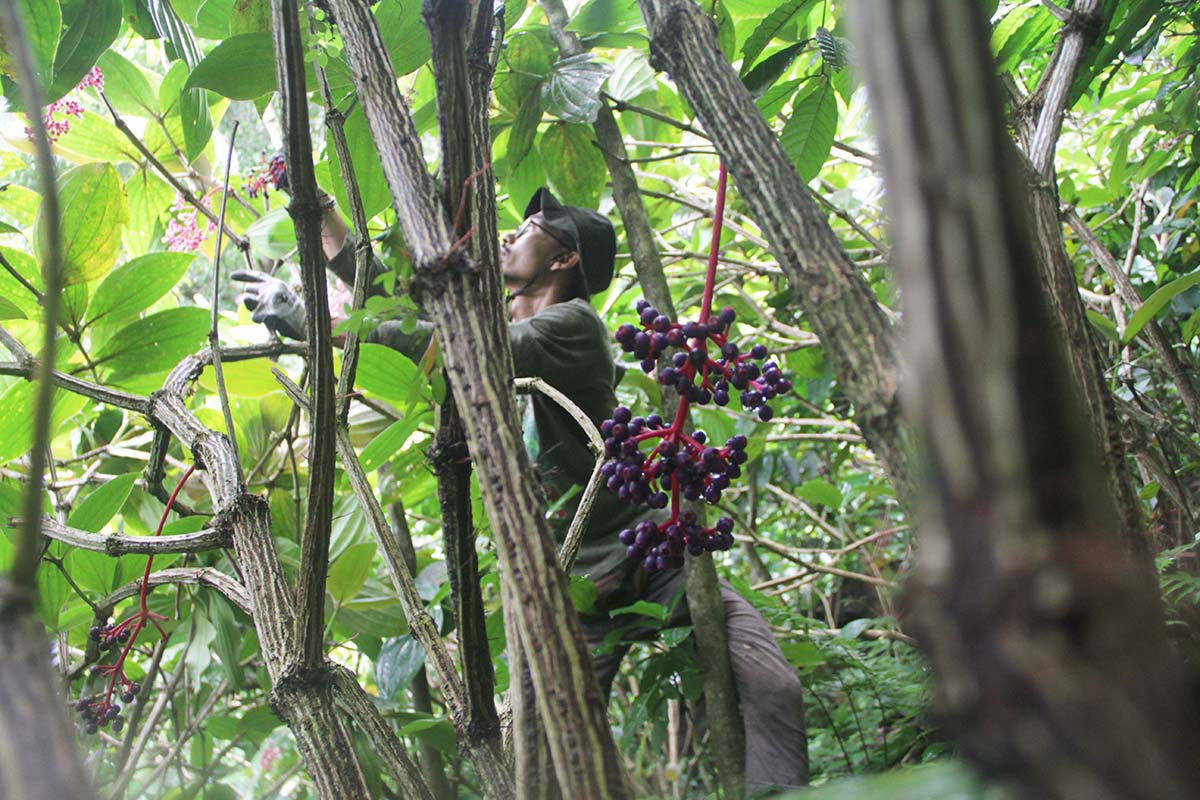
Recent studies conducted by various Indonesian universities have explored the fruit’s potential as a natural supplement for improving fertility, aligning with the long-held local beliefs. The presence of high levels of Vitamin C and minerals further enhances its profile as a "superfruit." As consumer trends shift toward natural and organic health products, the scientific backing of parijoto’s benefits presents an opportunity for the Kudus farmers to expand their market beyond the pilgrimage circuit and into the broader wellness and pharmaceutical industries.
Government Recognition and Legal Protection
The significance of parijoto as a regional icon was formally recognized in 2022. According to Rifqi Yusuf, an Agricultural Extension Officer (PPL) for the Dawe District, the Kudus Regency Government, through the Department of Agriculture and Food, successfully secured Intellectual Property Rights (HKI) for the fruit. Parijoto is now officially certified as a Local Genetic Resource belonging to the Kudus Regency.
"This certification is a crucial step in protecting our local biodiversity and ensuring that the economic benefits of parijoto remain with the people of Kudus," Yusuf stated. The government’s involvement has also spurred efforts to modernize the parijoto supply chain. Currently, the primary centers for cultivation are the Gebog and Dawe Districts. However, the focus is shifting from the "upstream" (cultivation) to the "downstream" (processing and value-adding).
Local entrepreneurs and cooperatives are now experimenting with product diversification. Parijoto is being processed into syrups, jams, and even cosmetic products like soaps and lotions. Additionally, there is a growing interest in "agro-tourism," where visitors can participate in "parijoto tracking"—guided walks through the shaded plantations that offer an educational experience regarding the plant’s ecology and history.
Challenges to Future Growth
Despite its success, the parijoto industry faces several hurdles. Triyanto, the Chairman of the Parijoto Muria Farmers Group, highlights that production remains sensitive to climatic shifts. "One major challenge is that production is not yet stable, especially during long dry seasons," Triyanto noted. As climate change leads to more unpredictable weather patterns in Java, the lack of sophisticated irrigation systems in the highlands makes the crops vulnerable to drought.
Furthermore, access to wider markets remains limited. Most sales are still conducted through traditional stalls catering to pilgrims. To reach national or international markets, farmers need better packaging technology, standardized quality control, and more aggressive digital promotion. "Capital and production tools are still obstacles to business development," Triyanto added, noting that many farmers still rely on manual, traditional methods for harvesting and processing.
There is also the persistent threat of land conversion. As the population in the Kudus Regency grows, there is increasing pressure to convert forest-adjacent land into residential areas or more intensive agricultural plots. Maintaining the "shade-grown" requirement of parijoto is the only way to ensure that these lands remain forested.
A Blueprint for Sustainable Highland Agriculture
The story of parijoto in the Muria highlands is a testament to the power of community-led conservation. By transforming a wild plant into a valuable commodity, the farmers of Kudus have created a self-sustaining system that rewards environmental stewardship. Mashuri, Sutrimo, and their colleagues are not just farmers; they are the frontline defenders of one of Central Java’s most important watersheds.
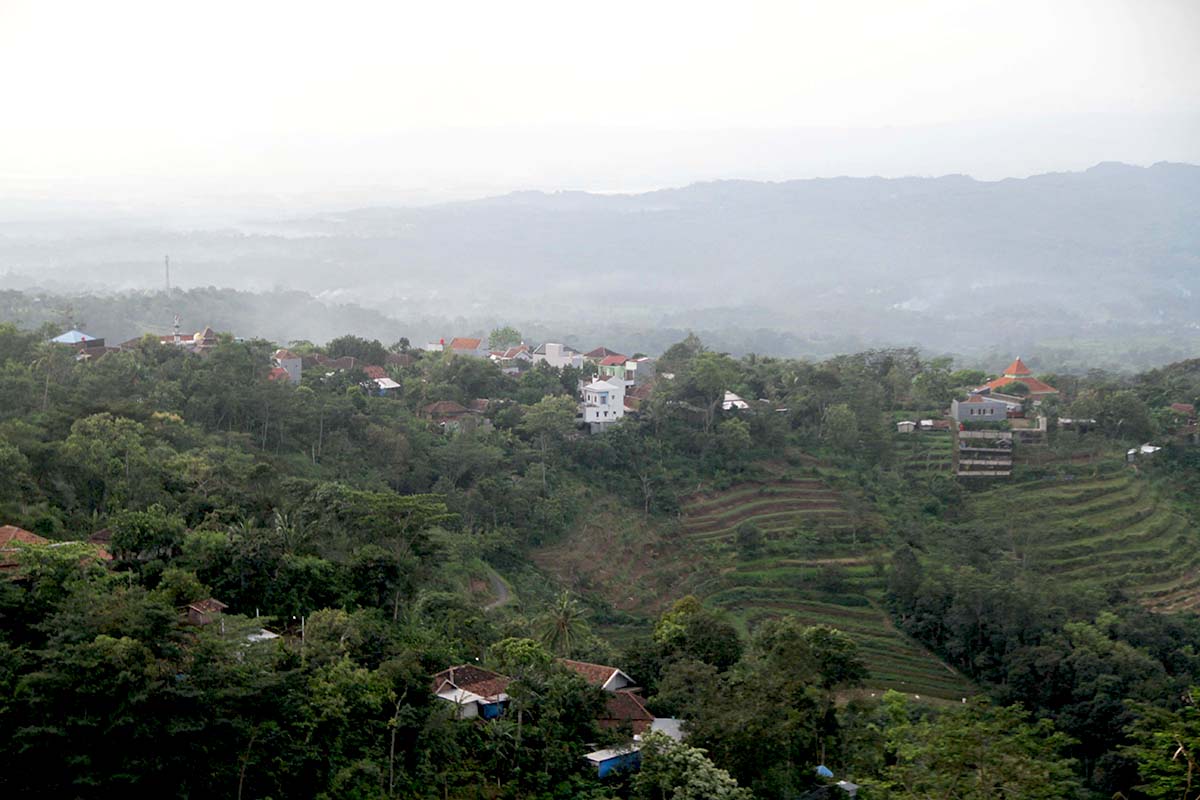
As the parijoto industry continues to evolve, it offers a blueprint for other regions in Indonesia. It demonstrates that economic development does not have to come at the expense of the environment. With continued government support, scientific research, and market innovation, the tiny purple fruit of Mount Muria may soon find its way from the hands of pilgrims to the shelves of global health food stores, carrying with it the spirit of the Muria forests and the legacy of the saints. The future of parijoto lies in its ability to remain both a cultural icon and a modern economic engine, proving that sometimes, the best way to save a forest is to find a way to live within it.