Chalifah Fatihah
The temptation to save leftover food is a common human trait, often stemming from a desire to avoid waste and maximize value. However, what many consumers may not realize is that certain food items, when stored improperly or reheated, can pose significant health risks, primarily through the proliferation of harmful bacteria that can lead to food poisoning. This concern is amplified by a growing trend of "lapar mata," or "greedy eyes," where individuals prepare or purchase more food than they can consume, leading to increased instances of leftovers. This article delves into the specific types of leftover foods that are most perilous to consume after storage and reheating, shedding light on the scientific reasons behind these risks and offering practical advice for food safety.
The Science of Food Spoilage and Bacterial Growth
Food poisoning, medically known as foodborne illness, is an acute gastrointestinal illness caused by the consumption of food contaminated with pathogenic microorganisms, their toxins, or chemical contaminants. Bacteria are the most common culprits, and their growth is heavily influenced by temperature, moisture, and nutrient availability. The "danger zone" for bacterial growth, a critical concept in food safety, typically ranges from 40°F to 140°F (approximately 5°C to 57°C). Within this temperature range, bacteria can multiply rapidly, doubling their numbers in as little as 15-20 minutes.
When cooked food is left at room temperature, it enters this danger zone. While refrigeration slows down bacterial growth, it does not eliminate it entirely. Furthermore, improper cooling or reheating can create conditions that allow surviving bacteria to thrive or even produce heat-resistant spores. Understanding the specific vulnerabilities of different food types is crucial for preventing foodborne illnesses.
High-Risk Leftovers: A Detailed Examination
While many leftover foods can be safely consumed with proper handling, certain items present a higher risk due to their composition and the types of bacteria they are prone to harbor.
1. Rice: A Breeding Ground for Bacillus Cereus
Rice is a staple food for a significant portion of the global population, and its tendency to be prepared in large batches makes it a frequent subject of leftover discussions. However, cooked rice is a prime candidate for harboring Bacillus cereus, a bacterium notorious for causing food poisoning.
Bacillus cereus is particularly problematic because it can form spores that are resistant to heat. When rice is cooked, any existing Bacillus cereus spores may survive. If the cooked rice is then left to cool slowly at room temperature, these spores can germinate into active bacteria. These bacteria then multiply rapidly, especially if the rice remains in the "danger zone" for an extended period. Even after reheating, the toxins produced by Bacillus cereus may not be destroyed, leading to symptoms like nausea, vomiting, and diarrhea.
According to a report by the UK’s Food Standards Agency (FSA), rice should ideally be consumed immediately after cooking. If it is to be stored, it should be cooled as quickly as possible (within one hour) and then refrigerated. Leftover rice should be reheated thoroughly and consumed within one day. Experts like nutritionist Clark Casarella emphasize that rice, being a "wet starch," provides an ideal environment for bacterial proliferation. He notes that bacterial counts can double every 15-20 minutes in the danger zone, leading to an eight-fold increase in just one hour. This rapid multiplication underscores the urgency of proper handling.
This principle also extends to other carbohydrate-rich foods like potatoes and pasta, which, when left to cool at room temperature, can also become susceptible to bacterial growth.
2. Pizza: Beyond the Dough
Pizza, a beloved comfort food, also carries a hidden risk when it comes to leftovers. While the dough itself can be a medium for bacterial growth, the toppings and seasonings can introduce additional vulnerabilities.
Reports from sources like The Independent highlight that dried herbs commonly used on pizza, such as oregano, can be susceptible to microbial contamination. These dried spices can harbor pathogens like Bacillus cereus and Salmonella. When combined with the other ingredients and stored improperly, these contaminants can multiply.
The fat content in cheese and meats on pizza can also provide nutrients for bacteria. If pizza is left at room temperature for more than two hours, it enters the danger zone, allowing any present bacteria to multiply. Reheating may kill some of the active bacteria, but it may not neutralize the toxins they have already produced.
To mitigate these risks, the FSA recommends that leftover pizza should be refrigerated within two hours of being cooked or purchased. It should be stored in an airtight container to prevent further contamination and consumed within two days. Thorough reheating is also essential to ensure any surviving bacteria are eliminated.
3. Chicken: A Nutritional Powerhouse for Bacteria
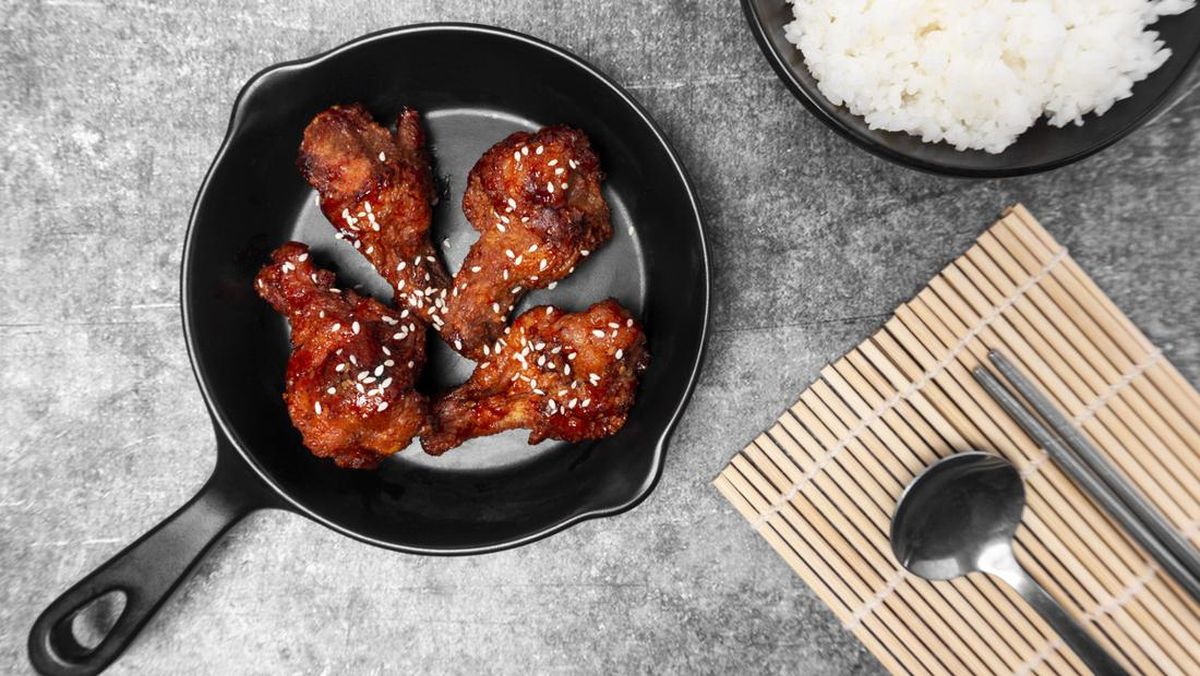
Cooked chicken is another food item that requires careful handling as a leftover. Its high moisture content, rich nutritional profile, and relatively low acidity make it an attractive environment for the growth of foodborne pathogens.
Campylobacter and Salmonella are two common bacteria that can contaminate raw chicken. If chicken is not cooked to the proper internal temperature, some of these bacteria may survive. When cooked chicken is left to cool slowly, any surviving bacteria can multiply.
The risk is particularly heightened if there are any undercooked portions of the chicken. Even a small area that hasn’t reached the required internal temperature can harbor bacteria that can then spread and proliferate throughout the rest of the cooked meat, even within the refrigerator.
The general guideline for cooked chicken leftovers is to refrigerate them promptly (within two hours) and consume them within three to four days. When reheating, ensure the chicken reaches an internal temperature of 165°F (74°C) to kill any remaining bacteria. However, it’s important to note that even with proper storage and reheating, the quality and texture of chicken can degrade over time, making it less appealing and potentially still carrying some risk if not handled meticulously.
Broader Implications and Food Safety Recommendations
The prevalence of these high-risk leftovers highlights the critical importance of food safety education and practices. Foodborne illnesses, while often self-limiting, can have serious consequences, particularly for vulnerable populations such as young children, the elderly, pregnant women, and individuals with compromised immune systems. In severe cases, food poisoning can lead to hospitalization and even death.
Key Food Safety Practices for Leftovers:
- Cool Quickly: Refrigerate cooked food within two hours of cooking or serving. If the ambient temperature is above 90°F (32°C), refrigerate within one hour.
- Store Properly: Use shallow containers to allow food to cool rapidly in the refrigerator. Ensure containers are airtight to prevent contamination and odor transfer.
- Reheat Thoroughly: Reheat leftovers to an internal temperature of 165°F (74°C). Bring sauces, soups, and gravies to a rolling boil.
- Know When to Discard: If in doubt about the safety of a leftover, it is always best to err on the side of caution and discard it. Visible mold or an unusual odor are clear indicators of spoilage.
- Practice Good Hygiene: Wash hands thoroughly with soap and water before and after handling food. Clean all surfaces and utensils that come into contact with food.
The issue of leftover food safety is a continuous challenge for public health agencies worldwide. Campaigns promoting safe food handling practices aim to reduce the incidence of foodborne illnesses. For instance, the World Health Organization (WHO) emphasizes the "Five Keys to Safer Food," which include keeping clean, separating raw and cooked, cooking thoroughly, keeping food at safe temperatures, and using safe water and raw materials.
In conclusion, while the economic and environmental incentives to consume leftovers are strong, it is paramount to prioritize health and safety. By understanding the specific risks associated with certain foods like rice, pizza, and chicken, and by diligently adhering to established food safety guidelines, individuals can significantly reduce their risk of experiencing the unpleasant and potentially dangerous effects of food poisoning. The adage "when in doubt, throw it out" remains the most prudent advice when it comes to consuming leftover meals.