Lusiana Hamidun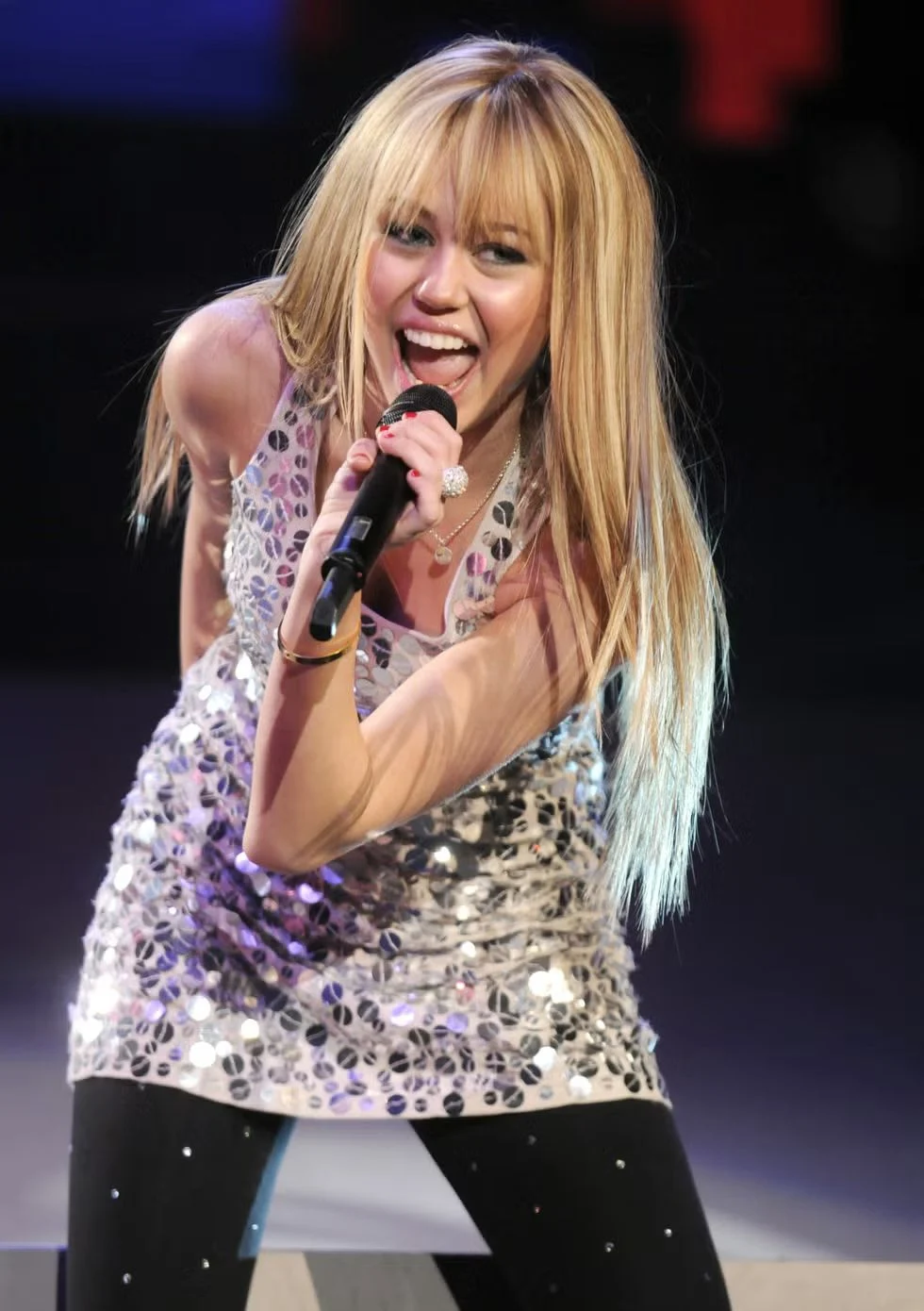
Twenty years after its debut, the Disney Channel’s "Hannah Montana" remains a touchstone for a generation of millennials, its cultural footprint indelibly marked by a certain sun-streaked blonde wig. This iconic hairpiece, as integral to the character of Hannah Montana as Miley Cyrus herself, was more than just a prop; it was a meticulously crafted symbol of dual identity and aspirational stardom. As the show celebrates its significant anniversary, Miley Cyrus’s heartfelt tribute through a pre-recorded Disney+ special has reignited nostalgia and prompted a deeper look at the creative forces behind this enduring phenomenon.
The special, which saw Cyrus revisit the "Hannah Montana" set alongside friends, family, and even podcast host Alex Cooper, served as a poignant reflection on the show’s profound impact. "The fact that this is still so meaningful to so many people after all these years is something I’m incredibly proud of," Cyrus stated in a press release following the announcement of the special. "This ‘Hannahversary’ is my way of celebrating and thanking the fans who have supported me for 20 years." This sentiment underscores the deep connection fans forged with both the character and the actress, a connection largely facilitated by the visual dichotomy presented by Hannah Montana’s polished pop persona and Miley Stewart’s more grounded reality.
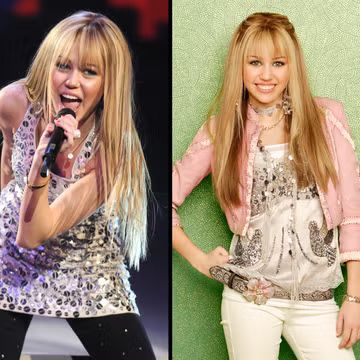
The brilliance of the "Hannah Montana" narrative lay in its exploration of a seemingly ordinary teenage girl leading an extraordinary double life. This duality was visually anchored by the transformative power of the wig. Hannah’s sleek, platinum blonde hair, often styled with a sharp fringe, projected an image of effortless pop stardom and "star power." In stark contrast, Miley Stewart’s natural chestnut brown hair, typically styled with the softer, wavy textures characteristic of the early 2000s, embodied the relatable "girl next door." This deliberate contrast was not accidental; it was a carefully considered element designed to delineate the fictionalized, industry-optimized pop icon from the authentic teenage girl.
To delve into the creation of this unforgettable look, Harper’s Bazaar sat down with Brenda Blatt, the original lead hairstylist for "Hannah Montana." Blatt’s insights offer a unique perspective on the artistry and intention behind one of television’s most recognizable wigs, and how its legacy continues to resonate.
The Genesis of an Icon: From Concept to Creation
Blatt recalls her initial engagement with the "Hannah Montana" project with distinct enthusiasm. "When I got the call for Hannah Montana, I hadn’t worked in children’s television before, but I absolutely loved creating fun characters, and the concept of Miley/Hannah’s dual identity immediately made me say, ‘yes, please’!" This immediate connection to the core premise laid the groundwork for the creative journey ahead.
The early stages of conceptualizing Hannah’s look involved a critical evaluation of the pilot episode’s placeholder wig. "The pilot was shot using a cheap blonde wig that, while perfect for comedic needs, didn’t really make Hannah look like a true superstar," Blatt explains. "The wig needed to look real and stylish, like a teenager’s dream hair." This realization marked a pivotal moment, shifting the focus from a comedic prop to a meticulously crafted element of pop star iconography. The team embarked on an extensive process of testing various shades of blonde to achieve the perfect hue that would embody Hannah’s aspirational image.
The project then benefited from the expertise of Natascha Hahn, a highly respected wig maker in Hollywood. "We were fortunate to have Natascha Hahn, one of the most talented and trusted wig makers in Hollywood, lend her expertise," Blatt notes. Hahn’s meticulous approach involved custom-designing and measuring the wig to precisely fit Miley Cyrus’s head shape, utilizing high-quality European hair. The coloring process was equally precise, aimed at achieving the desired sun-streaked effect that would become synonymous with the character. This dedication to quality and detail ensured that Hannah Montana’s hair would not only look the part but also withstand the rigors of filming and performance.
Defining the Dual Identity: Hair as a Character Tool
The distinction between Miley Stewart and Hannah Montana was central to the show’s appeal, and Blatt highlights how hair played a crucial role in defining each persona. For Miley Stewart, the objective was to accentuate Cyrus’s natural beauty. "For the Miley Stewart persona, the idea was to highlight Miley’s beautiful warm brunette hair with its naturally curly and wavy texture, sometimes styled in messy updos with accessories like clips or headbands," Blatt elaborates. This approach emphasized a relatable, girl-next-door aesthetic.
In contrast, Hannah’s hair was engineered for maximum impact. "Hannah appeared with straight, smooth blonde hair, complete with a fringe," Blatt describes. "I wanted Hannah’s hair to move and fly when she danced without getting easily tangled or messy." The addition of the fringe was a deliberate stylistic choice, serving as a visual cue for the character’s transformation. "The fringe was like saying, ‘Pow! Now she’s Hannah!’" Blatt adds, encapsulating the dramatic shift the wig represented. This careful consideration of texture, style, and movement ensured that Hannah’s hair contributed significantly to her captivating stage presence.
Miley Cyrus’s personal involvement in the wig’s development was also a key factor. Blatt recalls Cyrus’s initial reaction as one of pure enthusiasm. "As far as I remember, Miley Cyrus’s first reaction was pure enthusiasm because it felt so real. She was Hannah!" Cyrus’s creative input was invaluable throughout the process. "Because she was involved in the trial runs, she was able to provide feedback throughout the process. Miley is very creative, so of course, she asked for some adjustments to Hannah’s style here and there, but overall she was very relaxed and professional, trusting us to do our job while she was more focused on what music would be playing in the trailer." This collaborative spirit between the actress and the creative team fostered an environment where the character’s iconic look could truly flourish.
The Art of Illusion: Maintaining On-Screen Perfection
Achieving a flawless on-screen wig requires a combination of expert craftsmanship and diligent maintenance. Blatt emphasizes that while perfection is an elusive ideal, the foundation lies in a well-made and properly fitted wig. "I can’t imagine ever doing anything perfectly, ha! But for a wig to feel like it’s working well and look authentic, the most important thing is to start with a quality wig that fits, or is adjusted with folds and pins so it really fits, so the performer can feel it’s part of them." This sense of integration allows the performer to move and interact with the wig naturally, as if it were their own hair.
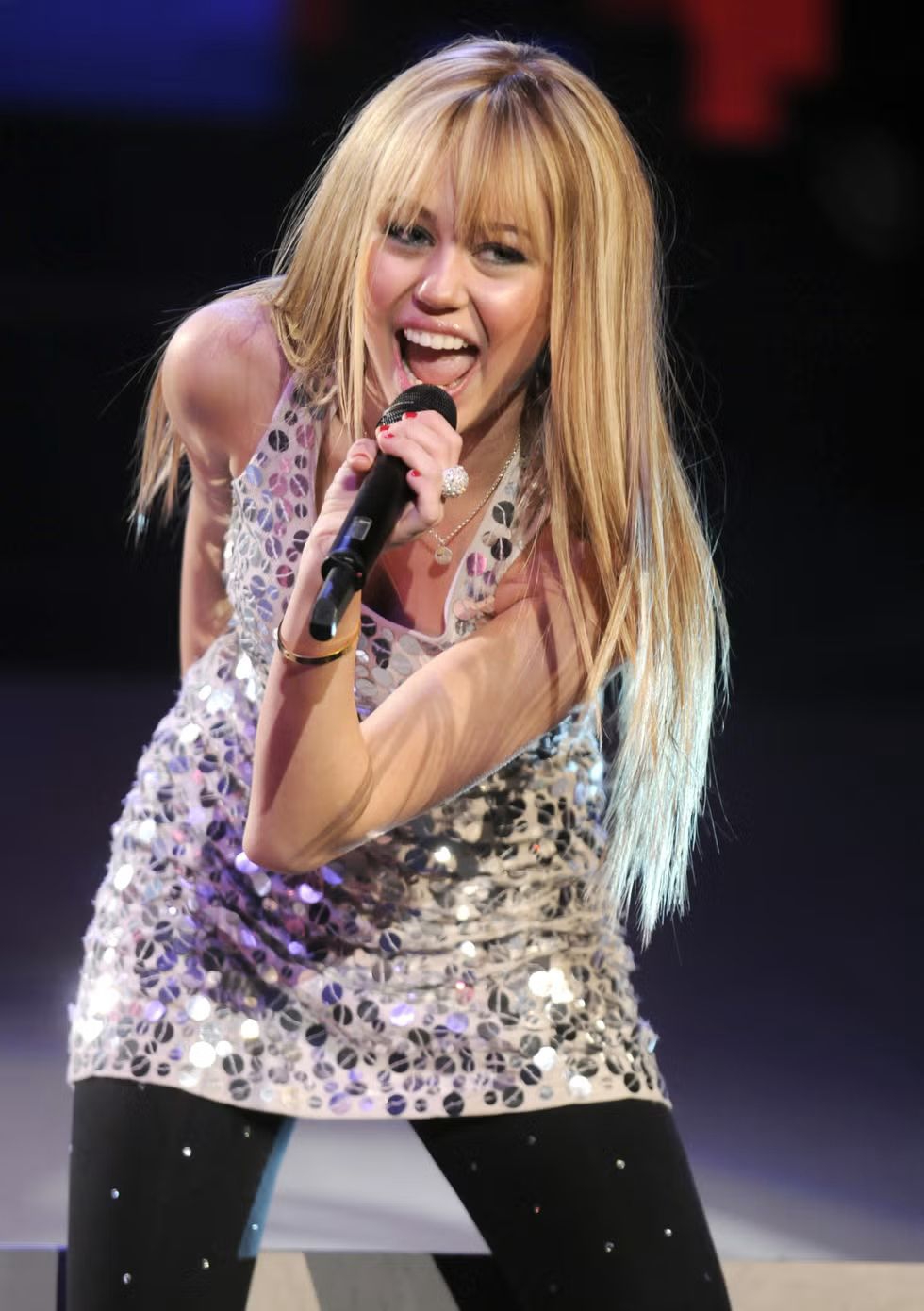
The performer’s confidence and how they "wear" the wig are also critical. "The performer plays a huge role in how they ‘carry’ the wig; they are an important part of its magic," Blatt states. "Miley was a petite girl wearing a lot of hair, and she made it look incredible." Beyond the initial fit and the performer’s presence, continuous upkeep is essential. "Oh, and of course, lots of touch-ups between every single take." This backstage attention to detail ensured that Hannah Montana always looked camera-ready, contributing to the seamless illusion of her dual identity.
Evolution of a Style: Adapting to a Growing Character
As "Hannah Montana" progressed through its seasons, the character’s evolution necessitated adjustments to her iconic hairstyle. Blatt reveals that multiple wigs were indeed used throughout the series, each reflecting Hannah’s developing persona and Miley Stewart’s own growth. "I’m not sure the fans would want to know… but there were actually a lot of wigs used throughout the seasons."
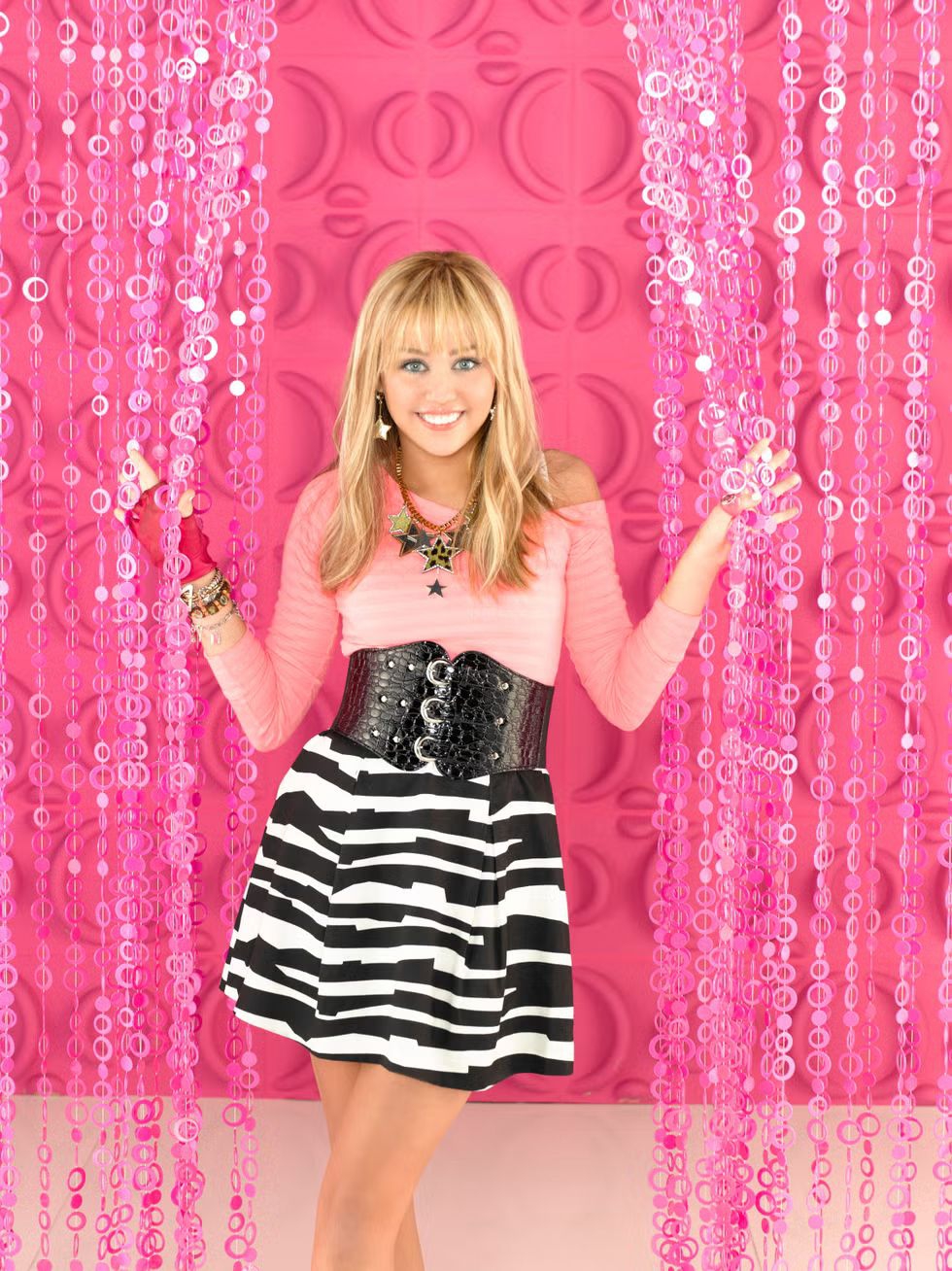
The hair’s length and style were often adapted to mirror the characters’ maturation. "As Hannah evolved, her hair got longer, as did Miley Stewart’s," Blatt explains. "Sometimes Hannah would have a slight wave or a crimped texture, while Miley would wear straight hair." A notable shift occurred in Season 3, when the team experimented with a shorter style for Hannah. "For Season 3, we did some trials with a shorter look – a bit longer than shoulder-length – with a beach wave style for Hannah, which looked more stylish and mature." This updated look proved so successful that it was carried over into the "Hannah Montana: The Movie."
The progression continued into Season 4, with further refinements. "Entering Season 4, Hannah’s hair was back to being long and wavy, while Miley Stewart sported longer, thicker, and slightly edgier hair." These subtle yet significant changes demonstrated a commitment to maintaining the visual integrity of the characters while allowing them to grow and mature alongside their audience.
Enduring Legacy: An Unexpected Icon
Looking back, Blatt admits she recognized the show’s potential but didn’t fully anticipate the wig’s iconic status. "I realized that with the storyline and the talent involved in the show, we were doing something special. Hannah’s wig symbolized the power of making dreams come true, whether it was worn by Hannah or taken off for a ‘reveal,’ which often happened."
The fascination with the wig was evident even then, with young fans frequently expressing their awe. "Every time kids visited our trailer, they were obsessed with it – even just looking at the mannequin head wearing the wig. ‘Is this really Hannah’s wig?’ they’d ask." Blatt concludes, "I knew the wig was special, but that it would become iconic in itself? I didn’t expect that."
Broader Impact and Analysis
The enduring popularity of "Hannah Montana" and its associated memorabilia, particularly the wig, speaks volumes about the show’s cultural impact. Launched in 2006, the series emerged during a period of significant growth in the Disney Channel’s influence on youth culture. The show’s premise of a secret pop star resonated deeply with young audiences, offering a fantasy of empowerment and self-discovery. Miley Cyrus, through her portrayal of both Hannah and Miley, became a significant cultural figure for a generation, her journey mirroring the show’s exploration of identity and fame.
The "Hannahversary" special and the renewed attention on the show’s creative elements highlight the lasting power of relatable storytelling combined with aspirational fantasy. The wig, in this context, transcends its material form to become a symbol of transformation, ambition, and the multifaceted nature of identity. Its visual contrast served as a powerful narrative tool, enabling the exploration of themes such as authenticity, privacy, and the pressures of stardom in an accessible and engaging manner for a young audience.
The success of "Hannah Montana" also laid the groundwork for Miley Cyrus’s subsequent career. The character provided her with an unprecedented platform, allowing her to experiment with music and performance early in her career. The show’s cultural footprint is evident in the continued references in popular culture, online fan communities, and now, in the nostalgic reflections of a milestone anniversary. The creative decisions made behind the scenes, such as the meticulous crafting of Hannah’s iconic wig, were instrumental in forging this lasting connection with viewers, proving that sometimes, the most memorable symbols are the ones that are carefully constructed to represent a dream. The celebration of this 20th anniversary underscores not just the longevity of a television show, but the enduring power of a character and the iconic imagery that defined her.