Chalifah Fatihah
The seemingly innocuous date stamped on food packaging, often a primary determinant of our purchasing and consumption decisions, plays a crucial role in ensuring food safety and quality. This expiration date serves as a critical marker, indicating when a product’s optimal state may have passed, potentially leading to diminished nutritional value or, in more severe cases, posing health risks. However, a closer examination of our pantry reveals a fascinating category of foods that largely defy this conventional timeline, possessing an extraordinary shelf life that, with proper storage, can extend indefinitely. Understanding these enduring staples not only demystifies kitchen management but also offers a powerful tool in the global fight against food waste.
This article delves into the science and practicality behind these exceptionally long-lasting food items, exploring their inherent properties, optimal storage conditions, and the significant implications for households and the wider food industry. From the ubiquitous grain that forms the backbone of diets worldwide to the sweet elixir produced by industrious insects, these foods offer a compelling case study in preservation and resilience.
The Science of Shelf Stability: Why Some Foods Endure
The remarkable longevity of certain food items is rooted in their fundamental composition and the presence (or absence) of factors that promote spoilage. Key elements contributing to extended shelf life include low moisture content, high acidity, natural preservative properties, and minimal fat content.
- Low Moisture Content: Water is a crucial ingredient for microbial growth. Foods with very low water activity, such as dried grains, legumes, and sugar, provide an inhospitable environment for bacteria, yeasts, and molds. This scarcity of moisture effectively halts or significantly slows down the biological processes that lead to spoilage.
- High Acidity: A low pH level, characteristic of highly acidic substances like vinegar, creates an environment where most spoilage-causing microorganisms cannot survive. The acidic nature acts as a natural preservative, inhibiting bacterial proliferation and enzymatic activity.
- Natural Preservatives: Certain natural compounds possess antimicrobial and antioxidant properties that inherently protect food from degradation. Honey, for instance, is renowned for its unique composition of low water content, high sugar concentration, and the presence of hydrogen peroxide-producing enzymes, all contributing to its exceptional shelf life.
- Minimal Fat Content: Fats, particularly unsaturated fats, are prone to oxidation, a process that leads to rancidity and off-flavors. Foods with a low fat content, or those where fats are more stable, tend to remain palatable and safe for consumption over longer periods.
A Comprehensive Guide to Enduring Pantry Staples
While the concept of "never expiring" might seem like a culinary myth, numerous food items, when stored correctly, can maintain their quality and safety for decades, if not longer. This list highlights some of the most remarkable examples:
1. White Rice: The Foundation of Sustenance
White rice, particularly when milled and free of its bran and germ layers, possesses an exceptionally long shelf life. The removal of these components significantly reduces its fat content, thereby inhibiting rancidity. Studies have shown that white rice stored in airtight containers in cool, dark environments can remain edible for up to 30 years. The key lies in its low moisture content and stable carbohydrate structure.
- Background Context: Rice is a staple food for over half the world’s population, making its long-term storability a critical factor in food security and disaster preparedness. Historically, large reserves of rice have been maintained in various cultures to buffer against famine and economic instability.
- Storage Best Practices: To maximize its lifespan, white rice should be stored in airtight containers, such as food-grade plastic bins or Mylar bags, to prevent moisture absorption and pest infestation. Keeping it in a cool, dark place, ideally below 70°F (21°C), further inhibits any potential degradation.
In contrast, brown rice, with its intact bran and germ layers, contains natural oils that are susceptible to rancidity. Its shelf life is considerably shorter, typically around six months, even under optimal conditions.
2. Dried Beans and Legumes: Nutrient-Dense Powerhouses
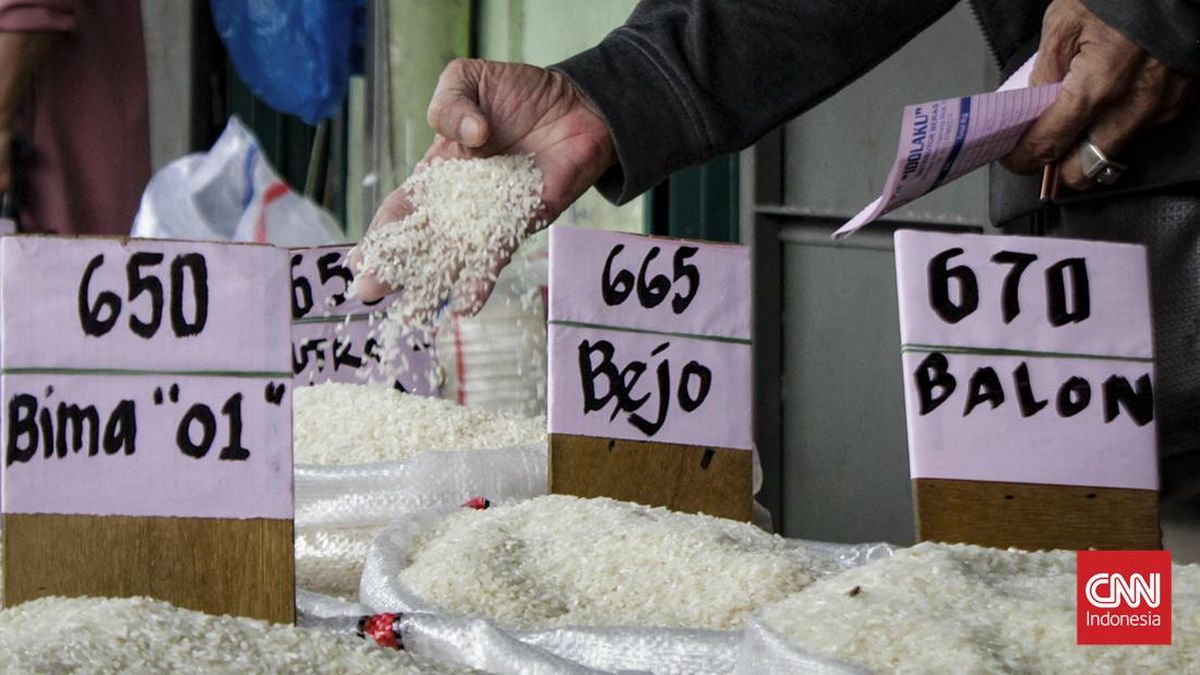
Beans, lentils, peas, and other dried legumes are another category of food that can remain viable for consumption for extended periods. Their extremely low moisture content is the primary reason for their longevity. When stored in cool, dry conditions, they can last for several years, with some sources suggesting up to a decade or more.
- Supporting Data: Research from institutions like the University of Purdue has indicated that dried beans can retain their viability for over 10 years, although germination rates might decrease over time, a factor less relevant for consumption.
- Practical Implications: This makes dried legumes an economical and reliable source of protein and fiber for long-term storage. They are essential components of emergency preparedness kits and are favored by homesteaders and those seeking to reduce their reliance on commercially processed foods.
3. White Vinegar: The Acidity Guardian
White vinegar, with its high acetic acid content (typically 5-10%), is a potent natural preservative. Its acidity creates an environment hostile to microbial life, making it virtually immune to spoilage. Whether used for culinary purposes or as a cleaning agent, white vinegar retains its effectiveness and safety indefinitely, provided it is stored in a sealed container.
- Timeline: While its efficacy as a preservative is constant, the clarity and intensity of its flavor might subtly change over very long periods, but it will not become unsafe to consume.
- Broader Impact: The stability of vinegar highlights the power of simple chemical properties in food preservation, a principle understood and utilized for centuries across various cultures.
4. Salt: The Ancient Preservative
Salt (sodium chloride) is a mineral that does not support microbial life and, therefore, does not expire. Both table salt and sea salt, when kept dry, can last forever. Its ability to draw out moisture and inhibit bacterial growth has made it a cornerstone of food preservation throughout human history.
- Background Context: The historical significance of salt cannot be overstated. Its role in preserving food, particularly meat and fish, was crucial for survival during non-productive seasons and for facilitating long-distance trade and exploration.
- Caveats: Iodized salt, which contains added potassium iodate to prevent iodine deficiency, has a more limited shelf life of approximately five years. The iodine compound can degrade over time, diminishing its nutritional benefit, although the salt itself remains safe.
5. Cornstarch (Maizena): The Versatile Thickener
Cornstarch, a finely ground powder derived from the endosperm of corn, boasts an impressive shelf life. Its low moisture content and stable carbohydrate structure mean that, when stored in a cool, dry place in an airtight container, it can remain usable for years, often cited as 10-15 years or even longer.
- Analysis of Implications: The longevity of cornstarch makes it an ideal pantry staple for occasional use, reducing the likelihood of spoilage and waste. Its consistent performance as a thickening agent is maintained due to its stable molecular structure.
6. Honey: Nature’s Sweet and Enduring Elixir
Honey is perhaps one of the most celebrated examples of a food that can last indefinitely. Its unique composition—low water content, high sugar concentration, and the presence of enzymes that produce hydrogen peroxide—creates an inhospitable environment for bacteria and other microorganisms.
- Historical Evidence: Archaeological findings have revealed pots of honey in ancient Egyptian tombs that are still perfectly preserved and edible thousands of years later.
- Storage and Rejuvenation: Over time, honey may crystallize, forming a solid or semi-solid mass. This is a natural process and does not indicate spoilage. To restore its liquid consistency, simply warm the container gently in a bath of warm water. Avoid microwaving, as this can degrade its beneficial properties.
7. Chia Seeds: Tiny Seeds, Big Staying Power
These small, nutrient-dense seeds are not only a nutritional powerhouse but also remarkably durable. When stored in an airtight container in a cool, dark place, or even refrigerated, chia seeds can retain their quality and nutritional integrity for up to two years, sometimes longer.
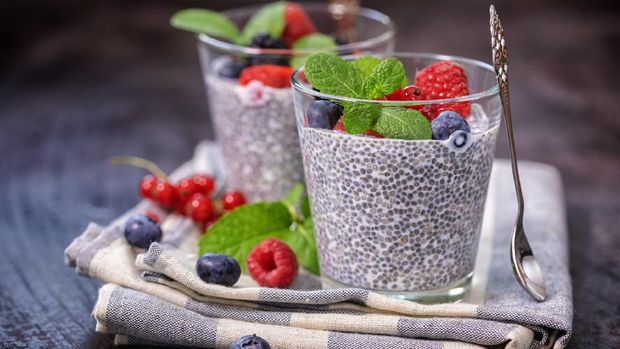
- Nutritional Significance: Chia seeds are rich in omega-3 fatty acids, fiber, and antioxidants, making them a valuable addition to a healthy diet. Their long shelf life ensures consistent availability of these nutrients.
8. Instant Coffee: Aromatic Endurance
Unopened packages of instant coffee can maintain their flavor and aroma for up to two years. The freeze-drying process and airtight packaging significantly slow down oxidation and moisture absorption.
- Convenience Factor: Instant coffee’s extended shelf life, combined with its ease of preparation, makes it a practical choice for long-term storage, travel, and emergency situations.
9. Sugar: The Sweet Crystallization
Whether it’s white, brown, or powdered sugar, this crystalline sweetener is essentially immune to spoilage. Its extremely low moisture content and high sugar concentration prevent microbial growth.
- Storage Considerations: While sugar itself doesn’t expire, it can absorb moisture from the air, leading to clumping and hardening. Storing it in an airtight container is crucial to maintain its free-flowing texture. Brown sugar’s molasses content makes it slightly more prone to drying out, but it can still be rehydrated.
10. Alcoholic Beverages: A Matter of Flavor, Not Safety
While many alcoholic beverages don’t technically "expire" in a way that makes them dangerous to consume, their quality and flavor profile can change significantly over time, especially after opening.
- Analysis of Implications: The aging process for spirits like whiskey and rum can sometimes enhance their complexity. However, beverages with lower alcohol content or those that are carbonated, such as beer and wine, are more susceptible to degradation. Beer can lose its carbonation and develop off-flavors, while wine can oxidize and become vinegary.
- Timeline: Unopened spirits can retain their quality for decades. Opened spirits may see their flavors mellow or change, but they generally remain safe to drink unless contaminated.
Beyond the List: Essential Storage Practices for Longevity
While the inherent properties of these foods contribute to their longevity, proper storage is paramount. The overarching principles for maximizing shelf life across all these items are consistent:
- Airtight Containers: This is the single most critical factor. Containers made of glass, food-grade plastic, or Mylar bags effectively seal out air, moisture, and pests, which are the primary culprits of spoilage.
- Cool, Dark, and Dry Environment: Fluctuations in temperature and humidity accelerate degradation. Storing these items in a pantry, basement, or cellar, away from direct sunlight and heat sources, is ideal.
- Pest Prevention: Even in dry environments, pests can be a threat. Airtight containers are the best defense, but regular checks of storage areas can also be beneficial.
- Monitoring for Changes: Despite their long shelf life, it is always wise to visually inspect food items for any unusual changes in color, texture, or smell. While these foods are remarkably resilient, extreme or prolonged exposure to adverse conditions could still impact their quality.
The Broader Impact: Reducing Waste and Enhancing Food Security
The understanding and application of long-term food storage principles have far-reaching implications.
- Combating Food Waste: By stocking and properly storing these enduring staples, households can significantly reduce their reliance on frequently purchased, perishable items, thereby minimizing food waste. This is particularly relevant in an era where global food waste is a critical environmental and economic concern.
- Enhancing Food Security: For individuals and communities, maintaining a well-stocked pantry of non-perishable items provides a buffer against unexpected shortages, economic downturns, or natural disasters. It contributes to personal and community resilience.
- Economic Benefits: Purchasing staples in bulk and storing them properly can lead to significant cost savings for consumers. For the food industry, understanding the shelf-life dynamics of these products is crucial for efficient inventory management and distribution.
In conclusion, the foods that defy expiration dates are not merely curiosities; they are fundamental components of a resilient and efficient food system. By embracing the principles of proper storage and understanding the science behind their endurance, consumers can unlock greater savings, reduce waste, and bolster their preparedness for the unexpected, transforming their kitchens into bastions of long-term food security.