Chalifah Fatihah
A groundbreaking 21-year study has provided compelling evidence that adhering to the Mediterranean diet can significantly reduce the risk of stroke by as much as 25 percent. The research, a collaborative effort between American and Greek scientists, investigated the long-term impact of this popular dietary pattern on a large cohort of women, linking it to a lower incidence of both ischemic and hemorrhagic strokes. This finding adds substantial weight to the growing body of research highlighting the profound influence of diet on cardiovascular health and stroke prevention.
Understanding the Mediterranean Diet: A Foundation for Health
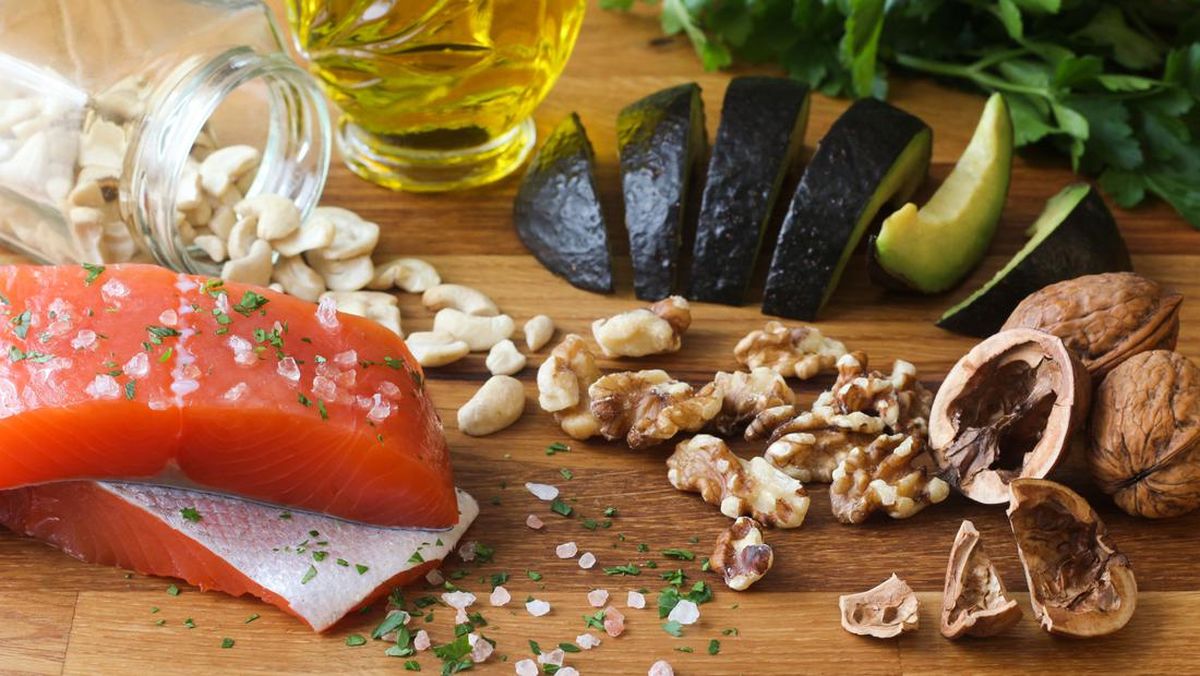
At its core, the Mediterranean diet is a lifestyle rather than a restrictive regimen, emphasizing whole, unprocessed foods and healthy fats. It is characterized by a high intake of:
- Fruits and vegetables: A wide variety of colorful produce forms the cornerstone of daily meals, providing essential vitamins, minerals, antioxidants, and fiber.
- Legumes, nuts, and seeds: These are rich sources of plant-based protein, fiber, and healthy fats, contributing to satiety and overall health.
- Whole grains: Opting for whole grains over refined varieties ensures a higher intake of fiber and nutrients crucial for digestive and metabolic health.
- Extra virgin olive oil: This monounsaturated fat is the primary source of fat, offering anti-inflammatory properties and contributing to heart health.
While meat is consumed, the emphasis is on lean sources like fish and poultry, with red meat eaten less frequently. Sweets, sugary drinks, and butter are generally limited or avoided. The diet’s name reflects the traditional eating patterns of people living in countries bordering the Mediterranean Sea in the mid-20th century, a population historically known for its lower rates of chronic diseases, particularly heart disease.
The Study: A Two-Decade Investigation into Stroke Prevention
The extensive research, published in a leading medical journal, meticulously tracked the dietary habits and health outcomes of 105,614 women residing in California. These participants, with an average age of 53 at the study’s commencement, had no prior history of stroke. Over a period of approximately 21 years, researchers assessed how closely each woman adhered to the Mediterranean diet by assigning scores from zero to nine.
The findings revealed a clear dose-response relationship between adherence to the diet and stroke risk. Women who scored highest on the Mediterranean diet adherence scale (six to nine) exhibited a significantly lower risk of stroke compared to those with the lowest scores (zero to two). Specifically, the top 30% of participants, who most closely followed the diet, were 18% less likely to experience any type of stroke than the bottom 13%.
Key Findings: Reduced Risk Across Stroke Types
The study’s detailed analysis further broke down the findings by stroke subtype:
- Ischemic Stroke: This most common form of stroke, caused by a blockage of blood flow to the brain, was reduced by 16% in the highest adherence group.
- Hemorrhagic Stroke: This less common but often more severe type of stroke, resulting from bleeding in the brain, saw a remarkable 25% reduction in risk among those most closely following the Mediterranean diet.
These significant reductions remained consistent even after researchers adjusted for other known stroke risk factors, including smoking, physical activity levels, and pre-existing high blood pressure. This robust adjustment strengthens the conclusion that the Mediterranean diet itself plays a crucial protective role.
Expert Insights and Implications
Sophia Wang, the lead author of the study, emphasized the importance of these findings in a statement to The Guardian. "Our findings support the growing body of evidence that a healthy diet is critically important for stroke prevention," Wang remarked, underscoring the dietary aspect as a powerful tool in combating a leading cause of death and disability worldwide.
The study’s strength lies not only in its large sample size and long duration but also in its exploration of hemorrhagic stroke prevention. While research on ischemic stroke is more abundant, understanding dietary impacts on hemorrhagic stroke is vital due to its severity. Wang noted, "Further research is needed to confirm these findings. Researchers need to understand the mechanisms behind the Mediterranean diet to identify new ways to prevent stroke." She also acknowledged the study’s limitations, including its focus on women and reliance on self-reported dietary data, which can be subject to recall bias.
Juliet Bouverie, chief executive of the Stroke Association, echoed the positive implications of the research. "Stroke is a devastating condition, and it’s encouraging to think that improving our diet could reduce our risk of suffering from this debilitating disease," Bouverie stated. She particularly highlighted the significance of the findings concerning hemorrhagic stroke. "Hemorrhagic stroke, while less common, is far more severe, so it is very encouraging that this research sheds light on this important but less-studied subtype."
Broader Impact and Future Directions
The implications of this study are far-reaching. Stroke remains a leading cause of death and long-term disability globally, imposing a significant burden on individuals, families, and healthcare systems. The Mediterranean diet, with its emphasis on accessible and widely available food groups, offers a potentially sustainable and effective strategy for public health initiatives aimed at stroke prevention.
The research also points towards the need for continued exploration into the specific biological pathways through which the Mediterranean diet exerts its protective effects. Understanding how components like antioxidants, anti-inflammatory compounds, and healthy fats influence vascular health, blood pressure regulation, and blood clotting could lead to the development of targeted interventions or even novel therapeutic strategies.
While this study focused on women, future research should aim to replicate these findings in diverse populations, including men and individuals from various ethnic backgrounds and geographical regions, to confirm the universality of the diet’s benefits. Furthermore, exploring the synergistic effects of the Mediterranean diet when combined with other lifestyle modifications, such as regular exercise and stress management, could provide a more comprehensive approach to stroke prevention.
In conclusion, this extensive 21-year study serves as a powerful testament to the profound impact of dietary choices on long-term health. The Mediterranean diet, once again, emerges as a cornerstone of a healthy lifestyle, offering a tangible and achievable pathway to significantly reduce the risk of stroke and improve overall cardiovascular well-being for millions worldwide. The findings provide a strong foundation for public health messaging and individual dietary recommendations aimed at mitigating the devastating consequences of stroke.