Lusiana Hamidun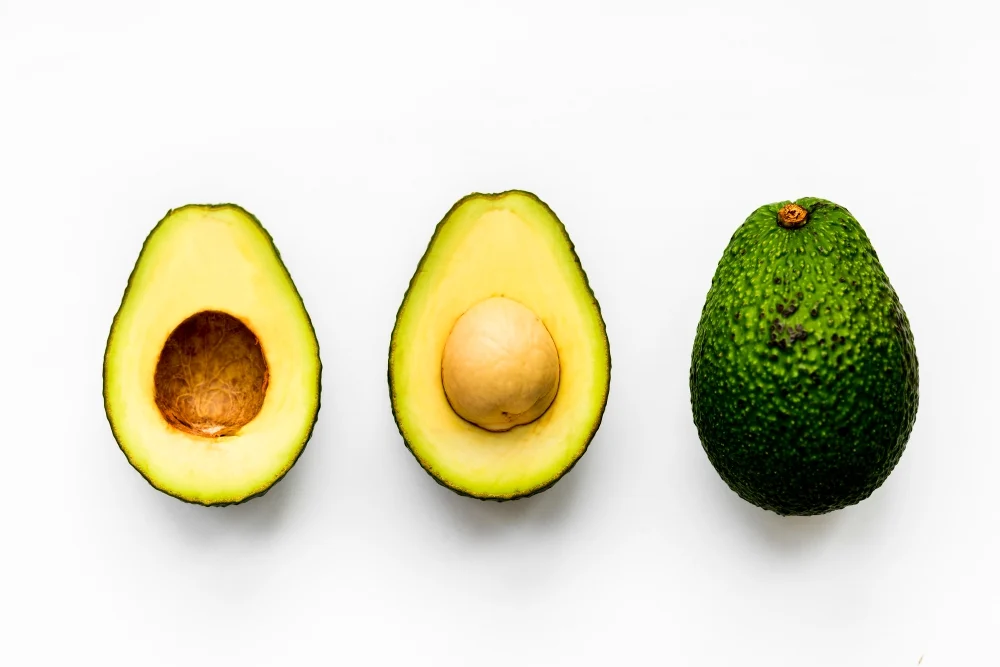
Avocado, a fruit often surrounded by misconceptions due to its fat content, is in fact a nutritional powerhouse and a valuable ally for those pursuing a healthy diet. Its creamy texture and rich flavor have propelled it to global popularity, making it a versatile ingredient in everything from juices and salads to a cornerstone of various healthy culinary creations. Far from being a dietary enemy, avocado is increasingly recognized as a "superfood," boasting a spectrum of extraordinary health advantages that warrant a deeper exploration. This article delves into the multifaceted benefits of avocados, examining their nutritional profile, optimal consumption patterns, and their supportive role in managing various health conditions, all while offering practical tips and delicious recipes to integrate this remarkable fruit into a balanced lifestyle.
The Nutritional Powerhouse: Decoding Avocado’s Rich Composition
At its core, the avocado’s reputation as a healthy food stems from its unique nutritional makeup. It is exceptionally rich in healthy fats, predominantly monounsaturated fats, which are renowned for their cardiovascular benefits. A single medium-sized avocado is a concentrated source of essential nutrients. While precise figures can vary based on size and variety, a typical 100-gram serving of avocado provides approximately:
- Calories: Around 160 kcal, a moderate energy density when considering its nutrient richness.
- Total Fat: Approximately 14.7 grams, with the vast majority being monounsaturated fats (around 9.8 grams). This includes oleic acid, the same beneficial fatty acid found in olive oil.
- Saturated Fat: A mere 2.1 grams, making it a heart-friendly fat source.
- Polyunsaturated Fat: Around 1.3 grams.
- Cholesterol and Sodium: Notably absent, making it a suitable choice for individuals managing cholesterol and blood pressure.
- Carbohydrates: Roughly 8.5 grams, with a significant portion being dietary fiber.
- Fiber: A substantial 6.7 grams, contributing to satiety and digestive health.
- Sugars: A minimal 0.7 grams, explaining its low glycemic impact.
- Protein: Approximately 2 grams, offering a small but valuable contribution.
Beyond macronutrients, avocados are brimming with essential vitamins and minerals that are crucial for overall bodily function. Key micronutrients include:
- Vitamin K: Crucial for blood clotting and bone health.
- Folate (Vitamin B9): Vital for cell growth and DNA formation, particularly important during pregnancy.
- Vitamin C: A powerful antioxidant that supports immune function and skin health.
- Potassium: Essential for maintaining fluid balance, nerve signals, and muscle contractions; avocados contain more potassium than bananas.
- Vitamin B5 (Pantothenic Acid): Plays a role in energy metabolism and hormone production.
- Vitamin B6: Involved in brain development and function, as well as red blood cell formation.
- Vitamin E: Another potent antioxidant that protects cells from damage.
This synergistic combination of healthy fats, fiber, vitamins, and minerals elevates avocados beyond a mere fruit, positioning them as a cornerstone of a health-conscious diet.
Unlocking the Health Benefits: A Comprehensive Overview
The diverse nutritional profile of avocados translates into a wide array of significant health benefits, impacting various physiological systems.
1. Championing Cardiovascular Health
The monounsaturated fats, particularly oleic acid, found abundantly in avocados are instrumental in promoting heart health. Scientific research, including numerous meta-analyses of dietary studies, has consistently demonstrated that diets rich in monounsaturated fats can help lower levels of low-density lipoprotein (LDL) cholesterol, often referred to as "bad" cholesterol, while simultaneously increasing high-density lipoprotein (HDL) cholesterol, the "good" cholesterol. This lipid-modifying effect is critical in preventing the buildup of plaque in arteries, a primary contributor to atherosclerosis, and consequently reducing the risk of heart disease and stroke. Studies published in leading cardiology journals have indicated that incorporating avocados into the diet can lead to significant improvements in lipid profiles. For instance, a 2018 systematic review and meta-analysis published in the Journal of the American Heart Association found that avocado consumption was associated with a significant reduction in total cholesterol and LDL cholesterol.
2. Aiding in Weight Management
Contrary to initial assumptions, avocados can be a valuable asset in weight management programs. The high fiber and healthy fat content work synergistically to promote a prolonged feeling of fullness, thereby curbing appetite and reducing the likelihood of overeating or succumbing to unhealthy snacking. This satiety effect is a critical factor in calorie control. However, it is important to acknowledge that avocados are calorie-dense compared to many other fruits. Therefore, mindful portion control is essential. A common recommendation for individuals managing their weight is to consume approximately half an avocado per serving.
3. Nurturing a Healthy Digestive System
The substantial dietary fiber content in avocados plays a pivotal role in maintaining a robust digestive system. Fiber aids in the regular movement of the bowels, preventing constipation and promoting a healthy gut microbiome. By supporting the growth of beneficial gut bacteria, avocados contribute to overall gut health, which has far-reaching implications for immunity and mental well-being. The healthy fats in avocados also contribute to smoother digestion and can help alleviate symptoms associated with acid reflux and other digestive discomforts. A report by the Food and Agriculture Organization of the United Nations highlights the critical role of dietary fiber in preventing and managing digestive disorders.
4. Supporting Optimal Vision
Avocados are a rich source of lutein and zeaxanthin, two potent antioxidants that are particularly beneficial for eye health. These carotenoids accumulate in the macula of the eye and act as natural filters, protecting the retina from harmful blue light and reducing the risk of age-related macular degeneration (AMD), a leading cause of vision loss in older adults. Furthermore, the healthy fats in avocados enhance the body’s ability to absorb fat-soluble antioxidants, such as beta-carotene, which is a precursor to Vitamin A and is crucial for maintaining good vision. Research in ophthalmology journals has frequently cited the protective effects of lutein and zeaxanthin derived from dietary sources like avocados.
5. Enhancing Skin Health and Radiance
The generous amounts of Vitamin E and Vitamin C present in avocados contribute significantly to skin health. Vitamin E is a powerful antioxidant that helps protect skin cells from damage caused by free radicals, environmental pollutants, and UV radiation, thereby slowing down the aging process and reducing the appearance of wrinkles. Vitamin C is essential for collagen synthesis, a protein that provides structure and elasticity to the skin, keeping it firm and supple. The ample healthy fats and water content in avocados also help maintain skin hydration, combating dryness and improving the skin’s overall texture and appearance.
6. Regulating Blood Pressure
Avocados are an excellent source of potassium, an essential mineral that plays a crucial role in maintaining healthy blood pressure levels. Potassium helps to counterbalance the effects of sodium, which can lead to elevated blood pressure. By promoting the excretion of sodium and relaxing blood vessel walls, potassium contributes to a stable and healthy circulatory system. This makes avocados a valuable dietary component for individuals managing hypertension. The U.S. Department of Agriculture (USDA) consistently lists avocados among fruits with high potassium content.
7. Boosting Brain Function and Cognitive Performance
The healthy monounsaturated fats in avocados are vital for optimal brain function. These fats enhance blood flow to the brain, which is essential for delivering oxygen and nutrients necessary for cognitive processes. Additionally, the presence of lutein, Vitamin E, and folate further supports brain health. Studies have indicated a correlation between higher lutein levels in the eyes (often indicative of consistent dietary intake) and improved cognitive function, including enhanced visual memory, better concentration, and greater cognitive flexibility. Research in neurobiology and nutritional science has begun to explore these links more deeply, suggesting avocados can play a role in cognitive reserve.
Avocados and Specific Health Conditions
The remarkable properties of avocados make them a recommended dietary inclusion for individuals managing a variety of health concerns.
- Heart Disease: Their ability to improve cholesterol profiles and reduce inflammation makes them a cornerstone of heart-healthy eating plans.
- Hypertension: The high potassium content aids in blood pressure regulation.
- Diabetes: Avocados possess a low glycemic index, meaning they cause a slow and steady rise in blood sugar levels, making them a safe and beneficial choice for individuals with diabetes, especially when consumed without added sugars or sweeteners.
- High Cholesterol: The abundance of monounsaturated fats actively works to lower LDL cholesterol.
- Digestive Issues: The high fiber content supports regularity and a healthy gut.
- Inflammation: Avocados contain various compounds with anti-inflammatory properties, which can help mitigate chronic inflammation in the body.
Optimal Consumption: Quantity and Timing
While avocados are undeniably healthy, their calorie density necessitates a balanced approach to consumption.
Recommended Daily Intake:
A general guideline for daily avocado consumption, particularly for those managing weight or overall calorie intake, is to limit it to approximately half a medium-sized avocado per day. This portion size provides a substantial amount of nutrients without contributing excessively to daily calorie needs. Exceeding this recommendation, especially without accounting for the extra calories, could inadvertently lead to weight gain.
The Best Times to Enjoy Avocados:
The timing of avocado consumption can also be optimized to maximize its benefits:
- Morning (Breakfast): Consuming avocado at breakfast provides sustained energy release throughout the morning and promotes satiety, helping to curb mid-morning hunger pangs. Pairing it with protein sources like eggs or Greek yogurt can further enhance its nutritional value and staying power.
- Pre-Workout: The healthy fats and carbohydrates in avocados serve as an excellent source of energy, preparing the body for physical activity.
- Post-Workout: The potassium and other nutrients in avocados can aid in muscle recovery after exercise.
- Evening (Moderately): While avocado can be enjoyed in the evening, it’s advisable to consume it in smaller portions due to its calorie content, especially if dinner is the last meal of the day.
Practical Tips for Maximizing Avocado’s Benefits
To fully harness the advantages of avocados, consider these practical tips:
- Combine with Other Nutrients: Pair avocados with vitamin C-rich foods (like citrus fruits) to enhance iron absorption.
- Incorporate into Balanced Meals: Use avocados as a healthy fat source in salads, sandwiches, or as a topping for whole-grain toast.
- Choose Ripe Avocados: Ripe avocados are easier to digest and incorporate into meals. Gently press the avocado; it should yield slightly to pressure.
- Store Properly: Store unripe avocados at room temperature. Once ripe, refrigerate them to slow down the ripening process. To prevent cut avocados from browning, coat the exposed flesh with lemon or lime juice and store them tightly wrapped.
Delicious and Healthy Avocado Recipes for Your Diet
Integrating avocados into your diet can be both enjoyable and beneficial for your health goals. Here are a few simple yet satisfying recipes:
Avocado Smoothie
A refreshing and nutrient-dense breakfast option that provides sustained energy.
Ingredients:
- 1/2 ripe avocado
- 1 cup unsweetened almond milk (or other plant-based milk)
- 1/2 cup spinach (optional, for added nutrients and color)
- 1 tablespoon chia seeds (for fiber and omega-3s)
- A few ice cubes
Instructions:
- Combine all ingredients in a blender.
- Blend until smooth and creamy.
- Pour into a glass and enjoy immediately.
Fresh Avocado Salad
A light yet filling salad perfect for lunch, packed with fiber and healthy fats.
Ingredients:
- 1 ripe avocado, diced
- 1 cup mixed greens (romaine, spinach, arugula)
- 1/2 cup cherry tomatoes, halved
- 1/4 cup cucumber, diced
- 2 tablespoons red onion, thinly sliced (optional)
- Dressing: 2 tablespoons olive oil, 1 tablespoon lime juice, salt, and pepper to taste.
Instructions:
- In a large bowl, gently toss together the mixed greens, cherry tomatoes, cucumber, and red onion (if using).
- Add the diced avocado.
- In a small bowl, whisk together the olive oil, lime juice, salt, and pepper.
- Drizzle the dressing over the salad and toss gently to combine.
- For a more substantial meal, add grilled chicken breast or hard-boiled eggs.
Baked Avocado with Egg
A protein-rich and satisfying meal ideal for a low-carb diet, promoting prolonged fullness.
Ingredients:
- 1 ripe avocado
- 1 large egg
- Salt and pepper to taste
- Optional toppings: red pepper flakes, chives, or a sprinkle of cheese
Instructions:
- Preheat your oven to 400°F (200°C).
- Cut the avocado in half lengthwise and remove the pit.
- Scoop out a small amount of avocado flesh from the center of each half to create a well for the egg.
- Crack an egg into each avocado well.
- Season with salt and pepper.
- Place the avocado halves on a baking sheet.
- Bake for 15-20 minutes, or until the egg white is set and the yolk is cooked to your preference.
- Add optional toppings before serving.
Conclusion: Integrating Avocado into a Healthy Lifestyle
Avocado is a truly remarkable fruit, offering a rich tapestry of nutrients that support overall health and well-being. From safeguarding cardiovascular health and aiding digestion to enhancing vision and cognitive function, its benefits are extensive. By understanding its nutritional value, optimal consumption patterns, and incorporating it into balanced meals and recipes, individuals of all ages can effectively leverage the power of avocados.
Embracing avocados as part of a consistent healthy lifestyle, alongside regular physical activity and a varied diet, can significantly contribute to an improved quality of life. As research continues to unveil the intricate ways in which this "superfood" benefits the human body, its place as a dietary essential is more firmly established than ever.
(Edited by JM)