Lusiana Hamidun
Footwear is an indispensable element of daily life, accompanying us through a myriad of activities, from professional endeavors and athletic pursuits to leisurely strolls. However, the intensive use of shoes often leads to a common and rather inconvenient issue: unpleasant odors. This problem typically arises because enclosed shoes trap moisture from foot perspiration, creating an ideal breeding ground for bacteria. As these bacteria break down sweat, they can produce malodorous compounds, potentially diminishing an individual’s confidence. Consequently, it is unsurprising that many individuals actively seek effective methods to eliminate shoe odor, aiming to maintain both comfort and hygiene in their footwear.
The issue of smelly shoes is, in fact, a widespread phenomenon that can affect anyone, particularly those with high mobility or who wear shoes for extended periods. Fortunately, there are numerous straightforward strategies that can be employed to address this without requiring complex maintenance. From maintaining good foot hygiene to utilizing common household items, each method can contribute to reducing moisture and inhibiting the growth of odor-causing bacteria. By understanding the correct approaches to eliminate shoe odor, individuals can not only ensure their shoes remain fresh but also enhance their comfort and self-assurance throughout their daily activities.
The Genesis of Smelly Shoes: Unpacking the Culprits
The sudden emergence of unpleasant odors from footwear can often lead to a sense of self-consciousness for wearers. However, this condition is remarkably common. So, what exactly causes shoes to emit foul smells? The primary culprit is a combination of sweat, moisture, and the proliferation of bacteria within the shoe. The human foot is equipped with thousands of sweat glands that naturally produce moisture throughout the day, especially during physical activity, exercise, or in warm weather. When feet are enclosed in shoes, this perspiration cannot evaporate efficiently. This leads to a damp and warm interior, conditions that are highly conducive to bacterial growth.
Bacteria thriving within shoes then begin to break down sweat and dead skin cells shed from the feet. This metabolic process releases volatile organic compounds, which are responsible for the characteristic unpleasant odor. Furthermore, the material composition of the shoe itself can influence the development of these smells. Synthetic materials often have more limited air circulation compared to natural fibers, leading to moisture being more readily trapped. Lifestyle habits, such as wearing shoes without socks, using the same pair of shoes daily without allowing them adequate drying time, or storing footwear in humid environments, can exacerbate this issue. A clear understanding of the factors contributing to smelly shoes empowers individuals to implement more targeted preventive measures, ensuring their footwear remains fresh, comfortable, and free from distracting odors.
Data Insights into Foot Odor
Scientific research has delved into the microbial communities responsible for foot odor. Studies have identified specific bacteria, such as Brevibacterium linens and Staphylococcus epidermidis, as significant contributors to the unpleasant smell. Brevibacterium linens, for instance, is also found in certain cheeses and is known for its potent, often sulfurous, aroma. The metabolic byproducts of these bacteria, including short-chain fatty acids and sulfur-containing compounds, are the direct cause of the malodor.
The prevalence of this issue is substantial. While precise global statistics are difficult to pinpoint, surveys often indicate that a significant percentage of the population experiences foot odor at some point. For example, a survey conducted in the UK found that over 50% of respondents admitted to having issues with smelly feet or shoes. The economic impact is also considerable, with the market for shoe deodorizers, insoles, and cleaning products valued in the hundreds of millions of dollars globally, reflecting the widespread demand for solutions.
Strategies for Eliminating Shoe Odor
1. Sun Exposure and Air Drying
One of the most straightforward methods for combating shoe odor is to expose them to ample airflow and sunlight. Fresh air and solar radiation can significantly reduce moisture within the shoes, thereby inhibiting the growth of odor-causing bacteria. It is advisable to remove insoles or any other removable components before airing to facilitate more comprehensive drying. This simple practice contributes to keeping shoes dry, fresh, and comfortable for daily wear.
2. Harnessing the Power of Baking Soda
Baking soda is a well-known natural agent with exceptional odor-absorbing properties. To eliminate shoe odor, lightly sprinkle baking soda inside the shoes and let it sit overnight. This powder works by absorbing excess moisture and neutralizing residual odors within the footwear. The following morning, brush out any remaining powder before wearing the shoes. This method is a practical home remedy that helps maintain shoe freshness without the need for specialized treatments.
3. Repurposing Used Tea Bags
Used tea bags, once dried, can also serve as effective natural odor absorbers. After brewing, allow the tea bags to dry completely before placing them inside the shoes. The tannins present in tea possess properties that help absorb moisture and reduce bacterial proliferation. Leaving them in for several hours or overnight can yield optimal results. This eco-friendly solution offers a simple way to keep shoes feeling fresher.
4. Employing Specialized Odor-Eliminating Sprays
Commercial shoe deodorizing sprays are designed to address unpleasant odors quickly. These products typically contain antimicrobial agents that inhibit the growth of odor-producing microorganisms. Simply spray the interior of the shoes after use and allow them to dry for a period. In addition to reducing odor, these sprays often impart a refreshing scent, making the shoes more pleasant to wear.
5. Regular Shoe Washing
Periodic cleaning of footwear is a crucial step in odor prevention. Shoes that are frequently worn can absorb sweat, dust, and dirt, which over time can lead to the development of unpleasant smells. If the shoe material allows, wash them with a mild detergent and ensure they are thoroughly dried before subsequent use. This maintenance routine helps preserve shoe hygiene and minimizes the likelihood of odor recurrence.
6. The Importance of Clean Socks
Wearing clean socks with every pair of shoes is instrumental in absorbing foot perspiration. This reduces the amount of moisture that transfers to the shoe’s interior. Opt for socks made from materials that are adept at wicking away moisture to keep feet dry throughout the day. This simple habit not only helps mitigate shoe odor but also enhances overall foot comfort during activities.
7. Rotating Footwear Usage
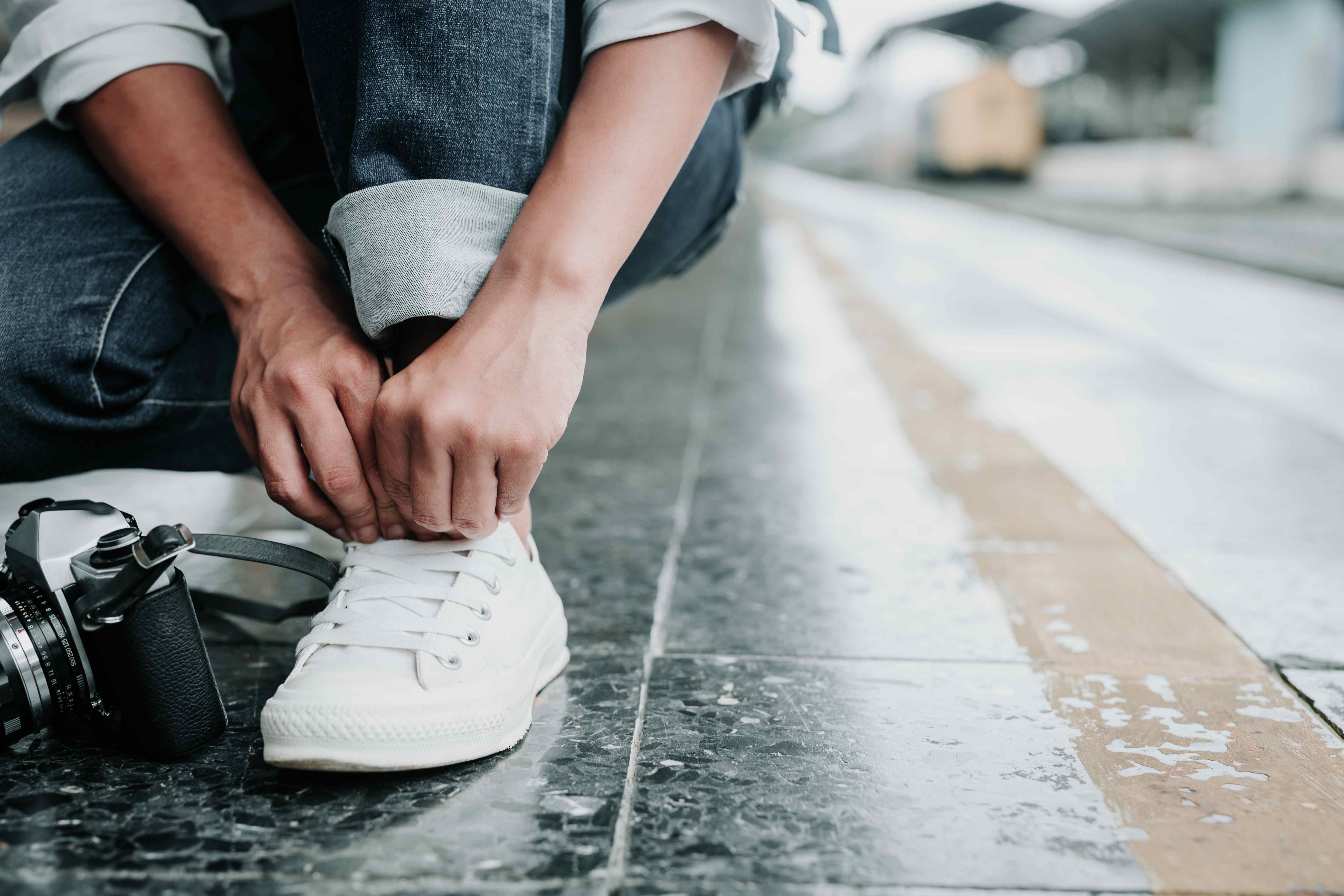
Using the same pair of shoes daily deprives them of adequate time to dry completely. Therefore, it is beneficial to rotate between different pairs of shoes, allowing each pair a period to "breathe." By providing a rest period between uses, the internal moisture content of the shoes can naturally decrease. This practice helps prevent the accumulation of odor-causing bacteria and keeps shoes fresh and prolongs their lifespan.
Proactive Measures: Preventing Shoe Odor Before It Starts
1. Prioritize Foot Hygiene
A fundamental step in preventing shoe odor is to ensure feet are clean before wearing shoes. Regularly wash your feet and dry them thoroughly, paying particular attention to the spaces between the toes. Clean feet contribute to reducing the bacteria and excess sweat that are primary causes of odor. This habit helps shoes remain fresher, even when worn for extended periods.
2. Utilize Moisture-Wicking Socks
The selection of appropriate socks plays a significant role in odor prevention. Choose socks made from cotton or other materials known for their sweat-absorbing capabilities. This prevents moisture from directly saturating the inner lining of the shoes. Always ensure you are using clean socks daily. This small but impactful habit is highly effective in keeping shoes dry and reducing the risk of unpleasant aromas.
3. Allow Shoes Adequate "Breathing" Time
Footwear worn throughout the day tends to accumulate moisture from foot perspiration. Consequently, it is essential to allow shoes sufficient time to dry before they are worn again. This can involve opening them up and placing them in a well-ventilated area. By giving shoes the opportunity to "breathe," moisture levels can be reduced, hindering the development of odor-causing bacteria.
4. Store Shoes in a Dry, Clean Environment
Another effective strategy for preventing shoe odor is to store footwear in a dry location with good air circulation. Avoid storing shoes in damp or tightly sealed containers for prolonged periods, as this can promote bacterial growth. Utilize open shoe racks or consider incorporating moisture-absorbing products to maintain a dry interior, thus preserving cleanliness.
5. Consistent Shoe Cleaning Schedule
Regularly cleaning shoes helps prevent the buildup of dirt, sweat, and bacteria that can lead to odors. If the shoe material permits, wash them with a mild detergent and ensure they are completely dry before wearing them again. This routine maintenance not only enhances shoe hygiene but also contributes to their comfort and extends their overall lifespan.
Broader Implications and Expert Perspectives
The issue of shoe odor, while seemingly minor, can have tangible impacts on an individual’s social interactions and professional life. Persistent foot odor can lead to embarrassment, reduced confidence, and avoidance of certain social situations. From a public health perspective, while not typically a direct health hazard, chronic foot odor can sometimes be indicative of underlying issues like hyperhidrosis (excessive sweating) or fungal infections, which may require medical attention.
Dr. Anya Sharma, a dermatologist specializing in foot health, notes, "The environment inside a shoe is a microcosm where bacteria and fungi can thrive. Moisture is the key facilitator. Simple hygiene practices, coupled with proper footwear choices and maintenance, are the most effective long-term solutions. For individuals with persistent issues, seeking professional advice is crucial to rule out any underlying medical conditions."
The fashion and footwear industry also plays a role. Advancements in material science have led to the development of breathable fabrics and antimicrobial treatments integrated into footwear, aiming to mitigate odor issues from the manufacturing stage. Brands are increasingly incorporating these technologies, responding to consumer demand for both style and functionality.
The economic implications extend beyond consumer spending on deodorizers. The need for specialized cleaning services and the replacement of prematurely worn-out footwear due to moisture damage also represent significant costs. Therefore, investing time in proper shoe care and hygiene is not just about comfort but also about preserving the longevity and value of one’s footwear collection.
In conclusion, while smelly shoes are a common challenge, they are far from insurmountable. By understanding the fundamental causes—the interplay of sweat, moisture, and bacteria—and implementing a combination of proactive preventive measures and effective elimination techniques, individuals can ensure their footwear remains a source of comfort and confidence rather than embarrassment. The integration of good foot hygiene, mindful sock choices, appropriate shoe storage, and regular maintenance forms a robust defense against the pervasive problem of shoe odor, contributing to overall well-being and a more pleasant daily experience.
(Edited by JM)