Nila Kartika Wati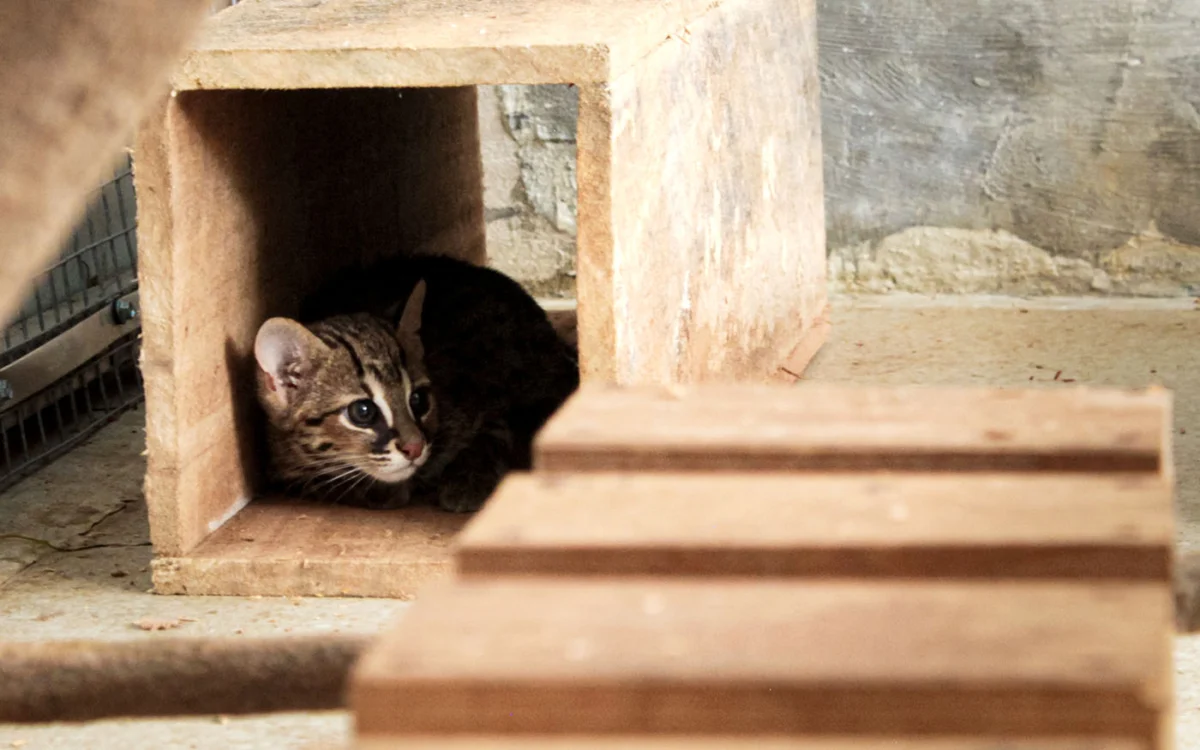
The silent, humid nights in the rehabilitation center of Jaringan Satwa Indonesia (JSI) became the backdrop for a grueling journey of survival led by Farida Ulya, a young veterinarian and graduate of Gadjah Mada University’s (UGM) Faculty of Veterinary Medicine. Every two hours, without fail, Farida would wake to attend to a fragile patient: a leopard cat kitten (Prionailurus bengalensis) that had arrived in a state of extreme physical distress. The kitten, later named Santi, was found orphaned in a plantation area, estimated to be only three weeks old. Without a mother to provide essential nutrients and warmth, the animal’s chances of survival were statistically slim. However, after five and a half months of intensive care and a meticulously planned rehabilitation program, Santi was successfully released back into the wild at the Gilimanuk Forest Management Unit (KPH) in Bali, marking a significant victory for local wildlife conservation efforts.
The Critical Early Stages of Neonatal Wildlife Care
The arrival of a neonatal wild felid presents a unique set of challenges for veterinary professionals. When Santi first arrived at the JSI facility, she was suffering from hypothermia, dehydration, and a weakened immune system. In the wild, leopard cat kittens are entirely dependent on their mothers for the first several months of life, not only for sustenance but for the transfer of antibodies through maternal milk.
"When she first arrived, I was deeply concerned," Farida Ulya stated during a briefing on Friday, March 13, 2025. "The immunity of a Prionailurus bengalensis at that age is incredibly fragile. They are highly susceptible to environmental stressors and pathogens that a healthy adult would easily fend off."
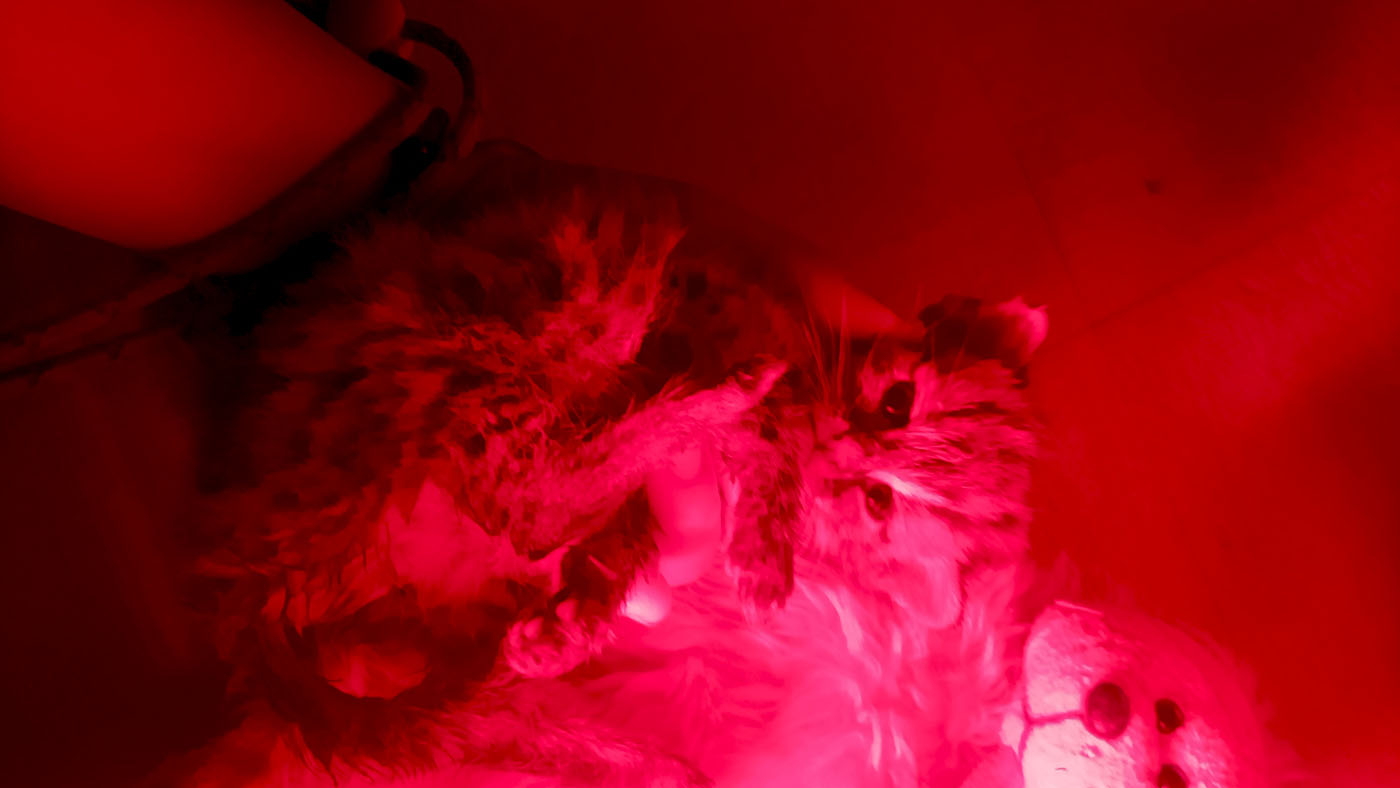
The initial phase of Santi’s recovery required around-the-clock monitoring. Farida and the JSI team implemented a strict feeding schedule, mimicking the natural nursing patterns of a wild cat. This involved waking every two hours to administer specialized milk formula and ensuring the kitten’s body temperature remained stable through external heat sources. This period was not merely about survival; it was about stabilizing a biological foundation that had been interrupted by the loss of the mother. Unlike domestic kittens, wild leopard cats have specific metabolic requirements that, if not met, can lead to irreversible developmental issues or sudden organ failure.
A Meticulous Five-Month Rehabilitation Chronology
The transition from a vulnerable orphan to a capable predator is a complex process that JSI manages through a tiered rehabilitation strategy. Once Santi’s condition stabilized and she began to show signs of physical growth, the team moved her from a clinical setting to a more naturalistic enclosure.
The dietary progression was a critical component of this timeline. Initially, Santi was transitioned from milk to soft, processed proteins. As her permanent teeth developed, the team introduced raw poultry and beef. While this provided the necessary caloric intake, it did not address the most vital aspect of a leopard cat’s survival: the instinct to hunt.
"Rehabilitation is not just about health; it is about behavior," Farida explained. "An animal that is healthy but does not know how to hunt will not survive 48 hours in the wild."
To bridge this gap, the JSI team introduced live prey into Santi’s environment. This included small rodents (mice), birds, and lizards. This phase is often the most telling for conservationists. If a hand-reared animal fails to display predatory curiosity or the physical coordination required to dispatch prey, it cannot be released. Santi, however, demonstrated a sharp instinct. From her elevated perches within the enclosure, she would observe the movement of mice on the ground before executing precise, calculated strikes. This behavioral milestone confirmed that her predatory blueprint remained intact despite her early exposure to human care.
Maintaining the "Wild" in Wildlife
One of the most significant hurdles in rehabilitating young mammals is the risk of "imprinting" or habituation to humans. If a wild cat begins to associate humans with food or safety, it loses its natural fear—a trait that is essential for avoiding poachers and conflict with local communities after release.
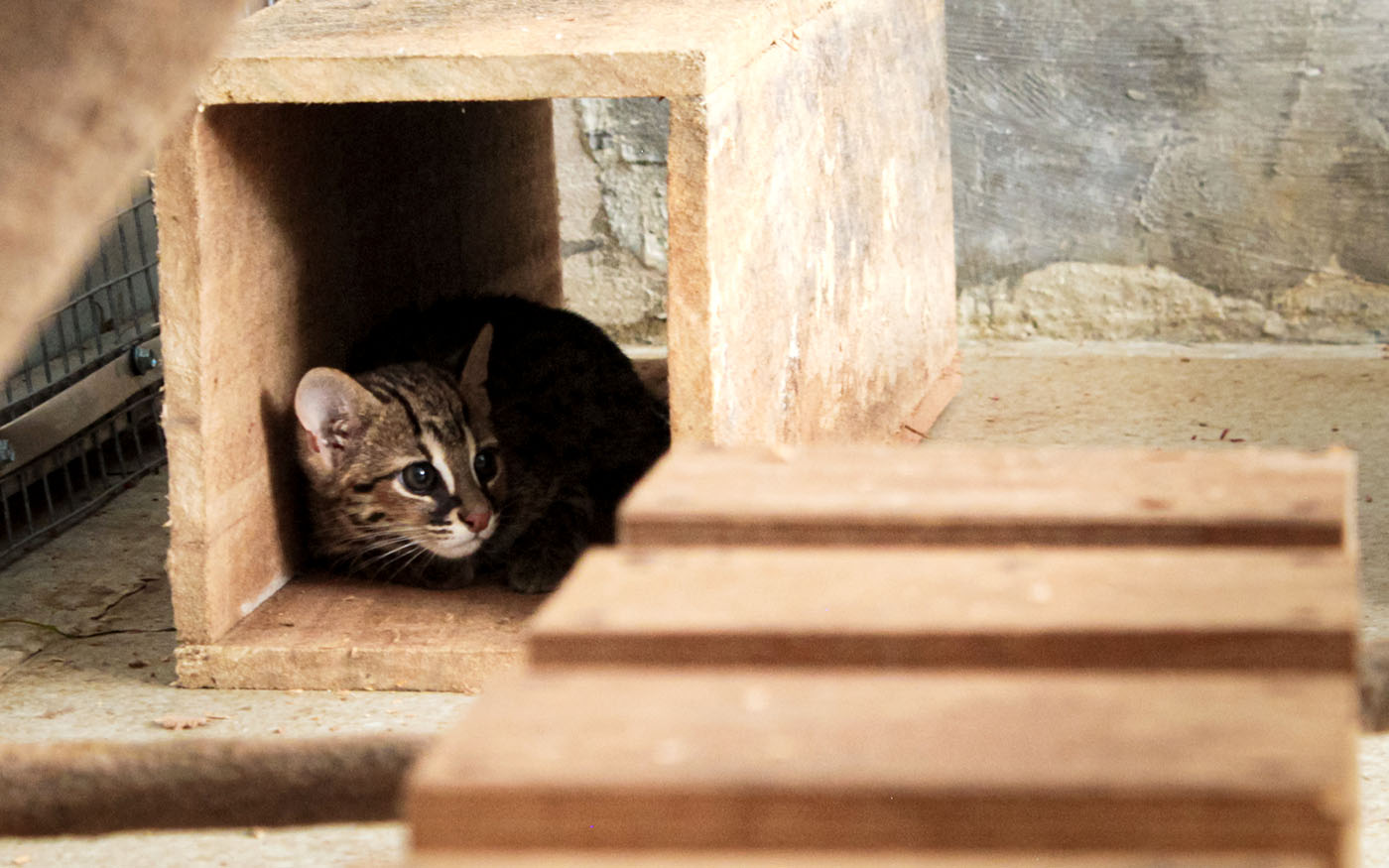
To mitigate this, the JSI rehabilitation team utilized a "hands-off" approach as soon as Santi was weaned. Interactions were kept to the absolute minimum required for medical checks. Feeding was conducted through a "blind" system where food was dropped into the cage without the animal seeing the provider. Monitoring was primarily done via a network of surveillance cameras (CCTV) to ensure the team could observe her natural behaviors without her being aware of their presence.
Farida noted a particular behavioral trait that provided insight into Santi’s readiness for the wild: her preference for high-altitude resting spots. "At night, she would consistently retreat to a wooden structure at the top of the enclosure. This arboreal behavior is a natural defense mechanism used by leopard cats to avoid larger ground predators while maintaining a vantage point to spot prey. Seeing her utilize vertical space so effectively was a strong indicator that her wild instincts were dominating her daily routine."
Ecological Significance of the Leopard Cat
The leopard cat, known locally in Indonesia as kucing kuwuk or kucing hutan, plays a vital role in the Indonesian archipelago’s ecosystems. As a small-to-medium-sized carnivore, they serve as a natural form of pest control. In agricultural and plantation settings, they are primary predators of rodents, which often destroy crops and carry diseases.
Despite their ecological importance, leopard cats face increasing threats from habitat fragmentation, the illegal pet trade, and retaliatory killing by farmers who mistake them for threats to poultry. In many parts of Indonesia, there has been a concerning trend of people attempting to domesticate these cats because of their beautiful spotted coats, which resemble those of miniature leopards. However, leopard cats are notoriously difficult to domesticate; they remain high-strung, nocturnal, and can be aggressive when confined, often leading owners to eventually abandon them or hand them over to centers like JSI when they become "unmanageable."
Official Response and Population Monitoring
The release of Santi was conducted in coordination with the Bali Natural Resources Conservation Agency (BKSDA). Sumarsono, the Head of Conservation Region I for BKSDA Bali, emphasized the importance of such releases for maintaining genetic diversity and ecological balance in the Gilimanuk forests.
"The leopard cat is widely distributed across lowland forests, agroforestry areas, and even near agricultural lands in Bali," Sumarsono stated. "However, we currently lack a comprehensive scientific census of their exact population numbers due to their elusive, nocturnal nature. Most of our data currently comes from incidental sightings, community reports, and the records of rehabilitation centers."
Sumarsono praised the efforts of JSI and encouraged the public to view these animals as protected neighbors rather than pets or pests. He highlighted that under Indonesian law (specifically P.106/2018), the leopard cat is a protected species, and the capture, trade, or domestic possession of these animals is a criminal offense punishable by fines and imprisonment.
Post-Release Monitoring and Future Outlook
The moment of Santi’s release at KPH Gilimanuk was the emotional and professional culmination of Farida Ulya’s efforts. As the cage door opened, the cat did not hesitate, disappearing into the dense undergrowth of the Bali forest. However, the work of the conservationists does not end at the moment of release.
JSI and BKSDA officials have established a post-release monitoring protocol. This involves field officers looking for signs of Santi’s presence, such as tracks, scat (feces), and remains of prey. Given that the leopard cat is a territorial animal, the first few weeks are critical as she establishes her home range and navigates the presence of other wild cats in the area.
"The feeling is a mix of relief and hope," Farida reflected. "We have given her the best possible start after a tragic beginning. But she still faces challenges—habitat loss and human encroachment remain the greatest threats to her kind."
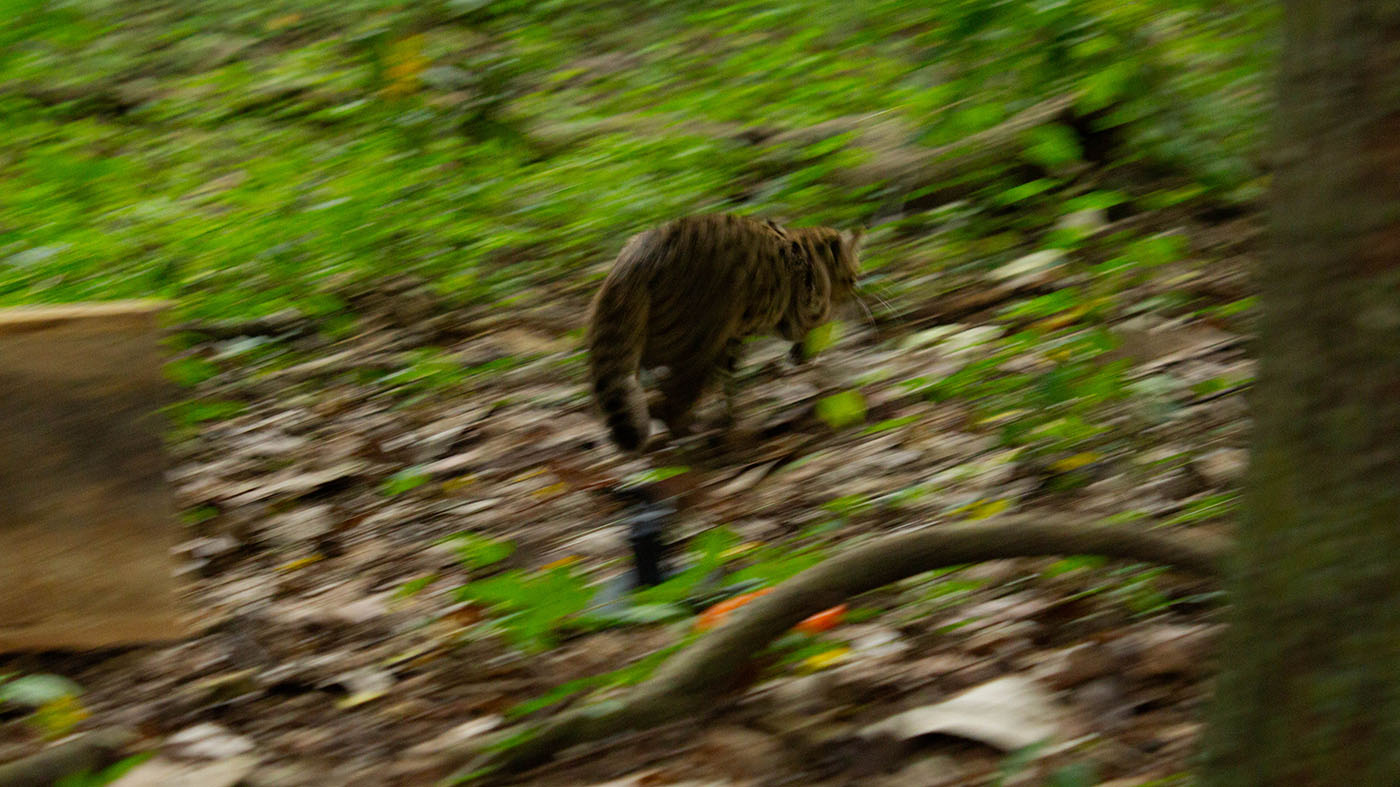
The success of Santi’s journey serves as a blueprint for future wildlife interventions in the region. It underscores the necessity of specialized veterinary care combined with rigorous behavioral training. More importantly, it serves as a reminder to the public: the best way to "save" a wild animal is to ensure it stays in the wild. As Farida Ulya aptly concluded, "A leopard cat is a predator, a guardian of the forest. Its place is not in a cage or a living room, but in the heart of the ecosystem where it belongs."
As conservation efforts continue, the story of Santi will likely be cited as a testament to the resilience of nature when given a helping hand by science and dedication. The ongoing collaboration between non-governmental organizations like Jaringan Satwa Indonesia and government bodies like BKSDA remains the most effective defense against the decline of Indonesia’s unique and vital wildlife.