Nila Kartika Wati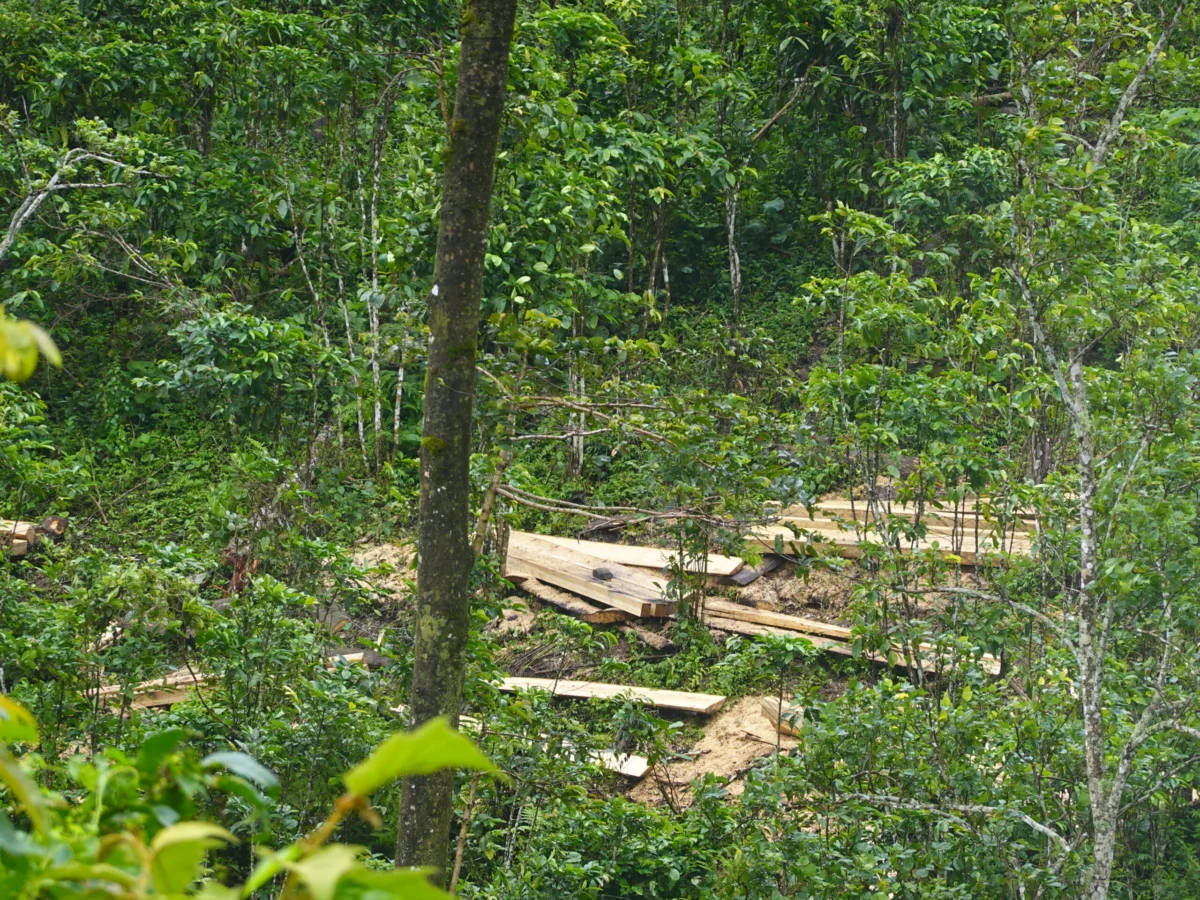
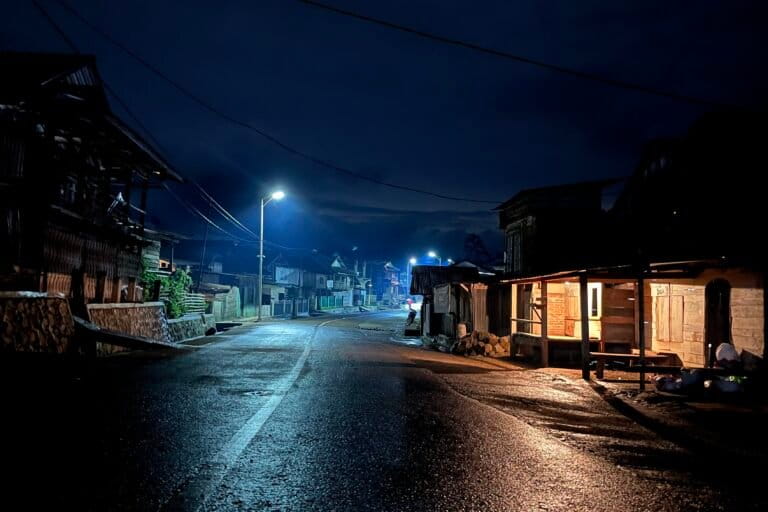
The heavy rain cascaded down the slopes of the Batu Lanteh mountains on a Tuesday night, March 10, 2026, causing a sudden and familiar darkness to envelop the remote settlement of Tepal Village. As the narrow paths connecting the villagers’ homes turned into slick, muddy hazards, a man named Jupri moved with practiced urgency. Armed only with a flashlight and years of experience, he navigated the dense forest toward the powerhouse of the Micro-Hydro Power Plant (PLTMH). For Jupri, this midnight trek is a ritual of necessity; when the lights go out, he must ensure the turbines continue to spin to restore electricity to hundreds of households.
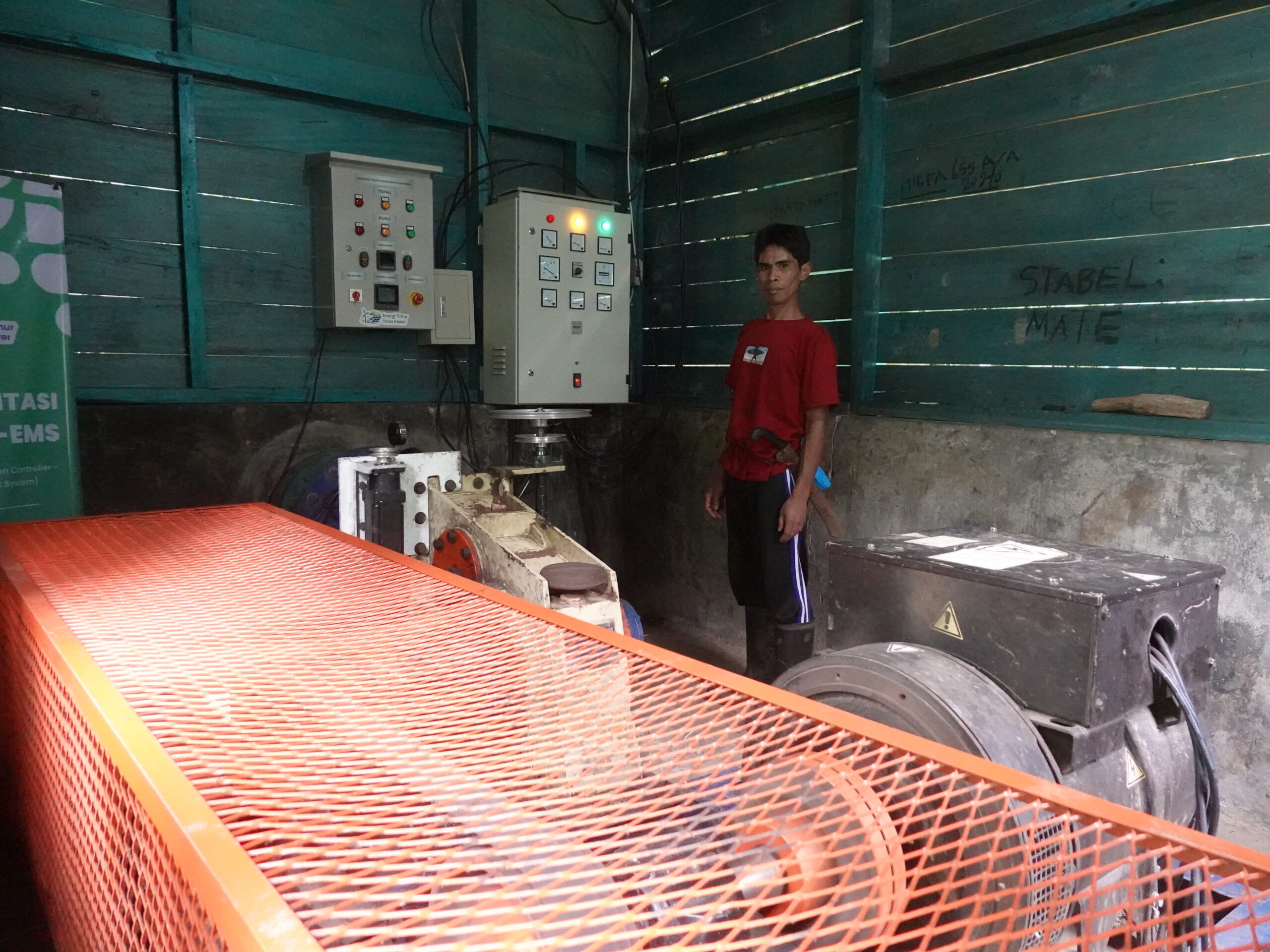
The journey to the turbine house is a grueling 2.5-kilometer trek through thick underbrush and across rivers swollen by the seasonal downpours. From a distance, the roar of rushing water competes with the weakening mechanical groan of a struggling turbine. Upon reaching the small concrete structure that serves as the village’s energetic heart, Jupri finds the generator and turbine—machinery that has been the lifeblood of the community for 18 years. Currently, this system supplies power to 270 out of the 345 families in Tepal. The culprit for the outage is usually the same: branches, silt, and forest debris clogging the intake. "When it rains like this, trash gets into the turbine. If it isn’t cleaned quickly, the village stays dark for a long time," Jupri remarked as he began the arduous task of clearing the mechanism.
A Legacy of Grassroots Electrification
The story of Tepal’s electrification is one of community persistence. In 2009, long before the national grid reached the deep interior of Sumbawa, the villagers took the initiative to petition the Ministry of Energy and Mineral Resources (ESDM) for a decentralized power solution. Their efforts resulted in the first PLTMH unit. The success of this initial project fostered a second phase in 2013, supported by the Ministry of Cooperatives. This led to a unique management model where a local cooperative oversees the daily operations, maintenance, and billing.
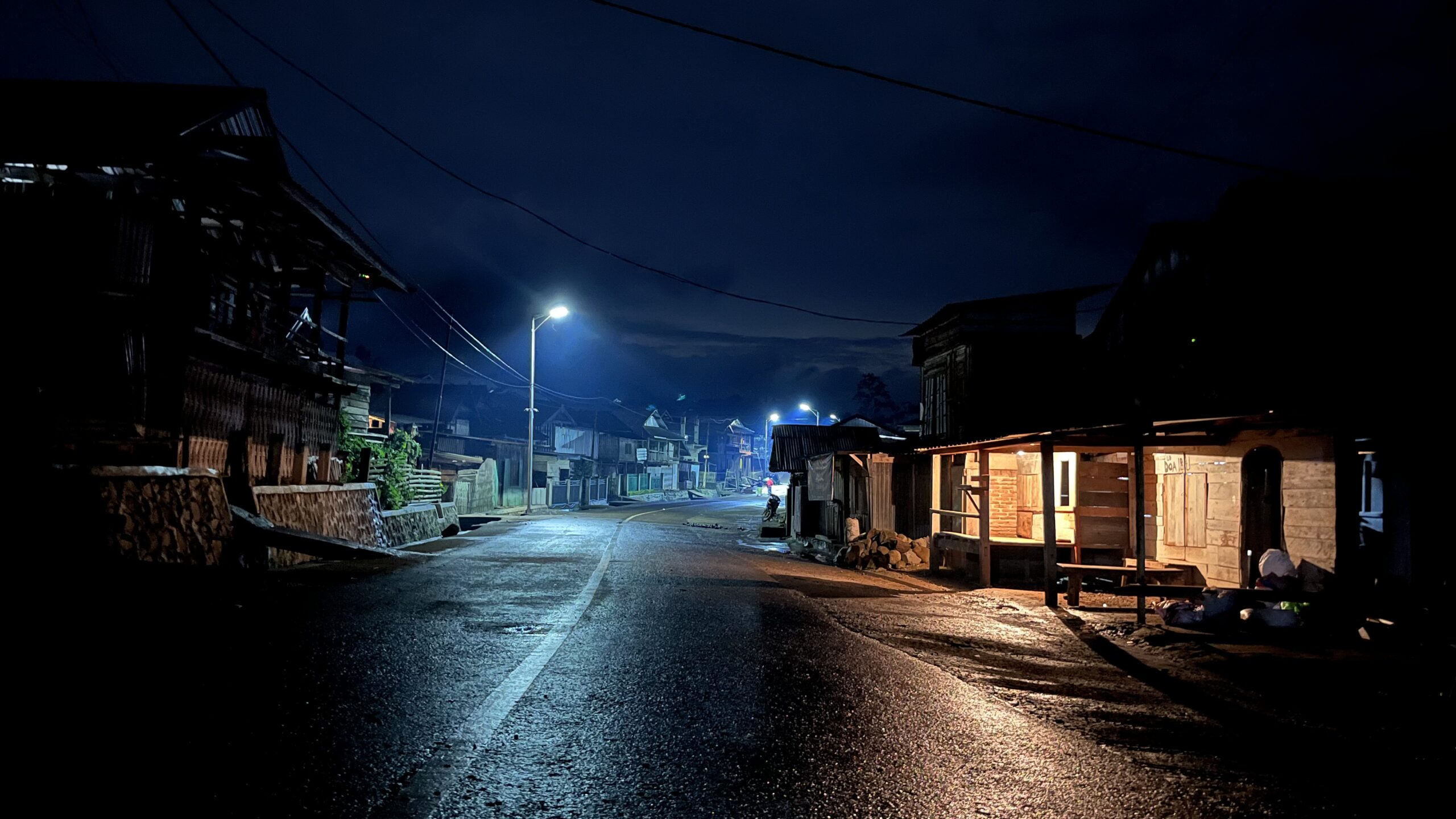
Under the cooperative’s management, the system achieved a level of stability rare for such remote installations. Residents pay a monthly fee based on their consumption, averaging between Rp60,000 and Rp70,000 ($3.80–$4.45 USD). While these funds are intended for maintenance, they often fall short of the costs required for major repairs. Nevertheless, the spirit of gotong royong (communal cooperation) has kept the system running for nearly two decades. Before the turbines arrived, Tepal was a village of shadows. Activities ceased at sunset; children struggled to study by the dim, flickering light of kerosene lamps, and the local economy was stagnant. The introduction of electricity transformed the social fabric of the village, allowing for evening prayer services, extended study hours for students, and the emergence of small businesses utilizing refrigerators and power tools.
The Technical and Environmental Breaking Point
Despite its historical success, the Tepal PLTMH is currently facing a multifaceted crisis. The infrastructure is aging, and the environmental conditions that once guaranteed its success are shifting. The most frequent technical failures involve the turbine’s "runner" (the blades) and the generator shaft. Because Tepal is geographically isolated, obtaining spare parts is a logistical nightmare. Components often have to be ordered from industrial hubs like Bandung, West Java, a process that can take months and cost tens of millions of rupiah. A single runner replacement can cost upwards of Rp22 million, a staggering sum for a village-level cooperative.
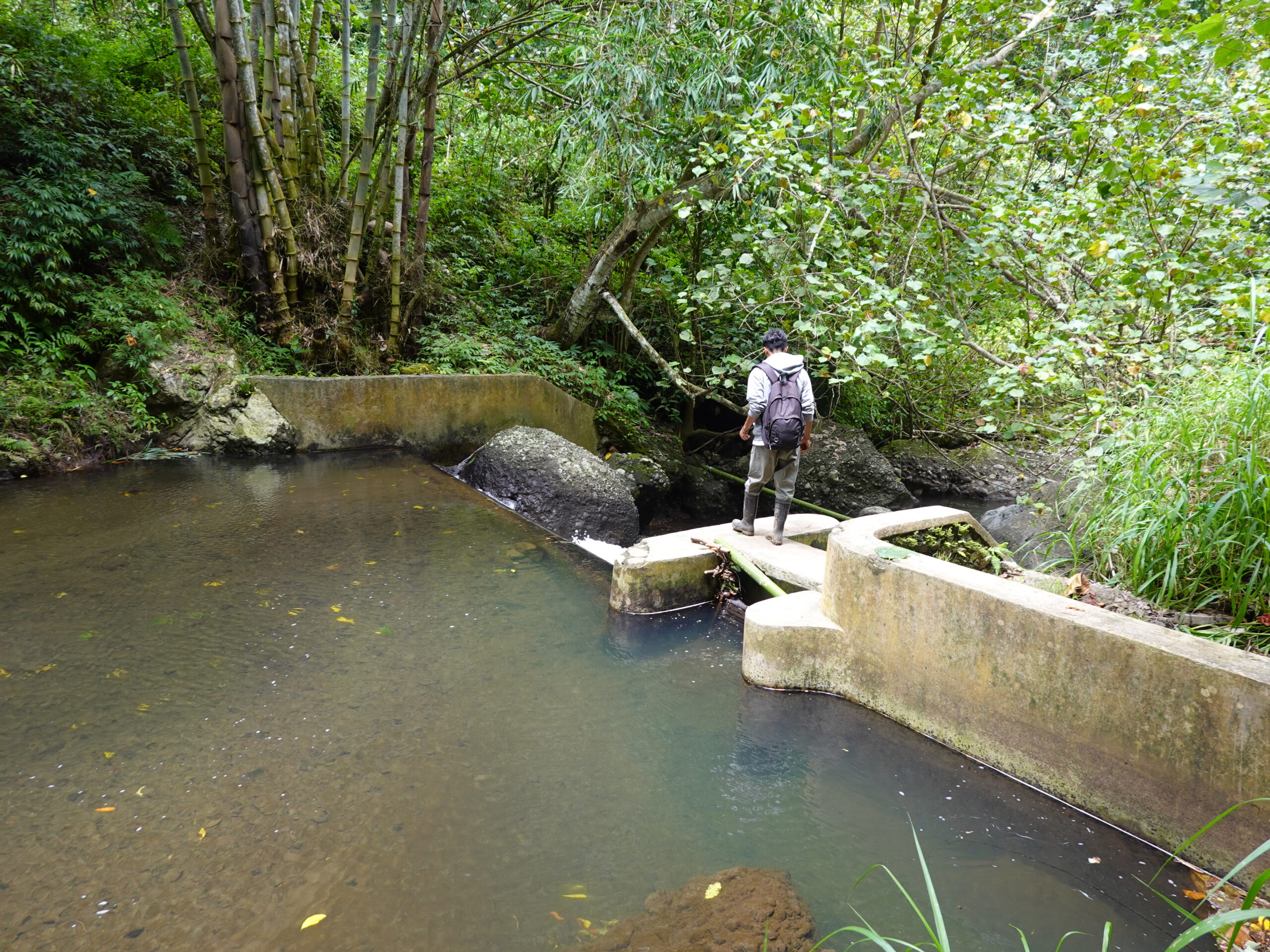
Furthermore, there is a significant discrepancy between the system’s theoretical design and its actual performance. Research conducted by the University of Technology Sumbawa (UTS) titled Performance Evaluation of the Tepal Village Micro-Hydro Power Plant under Peak Load Conditions revealed that while the plant was designed for a 40–50 kW capacity, its actual output often hovers around 19.1 kW during standard river flow. This gap leaves the system vulnerable during peak hours, typically in the evening when every household switches on their lights simultaneously. To prevent a total system collapse, the cooperative has had to implement strict rationing, limiting each family to a 400-watt cap and mandating the use of low-wattage LED bulbs.
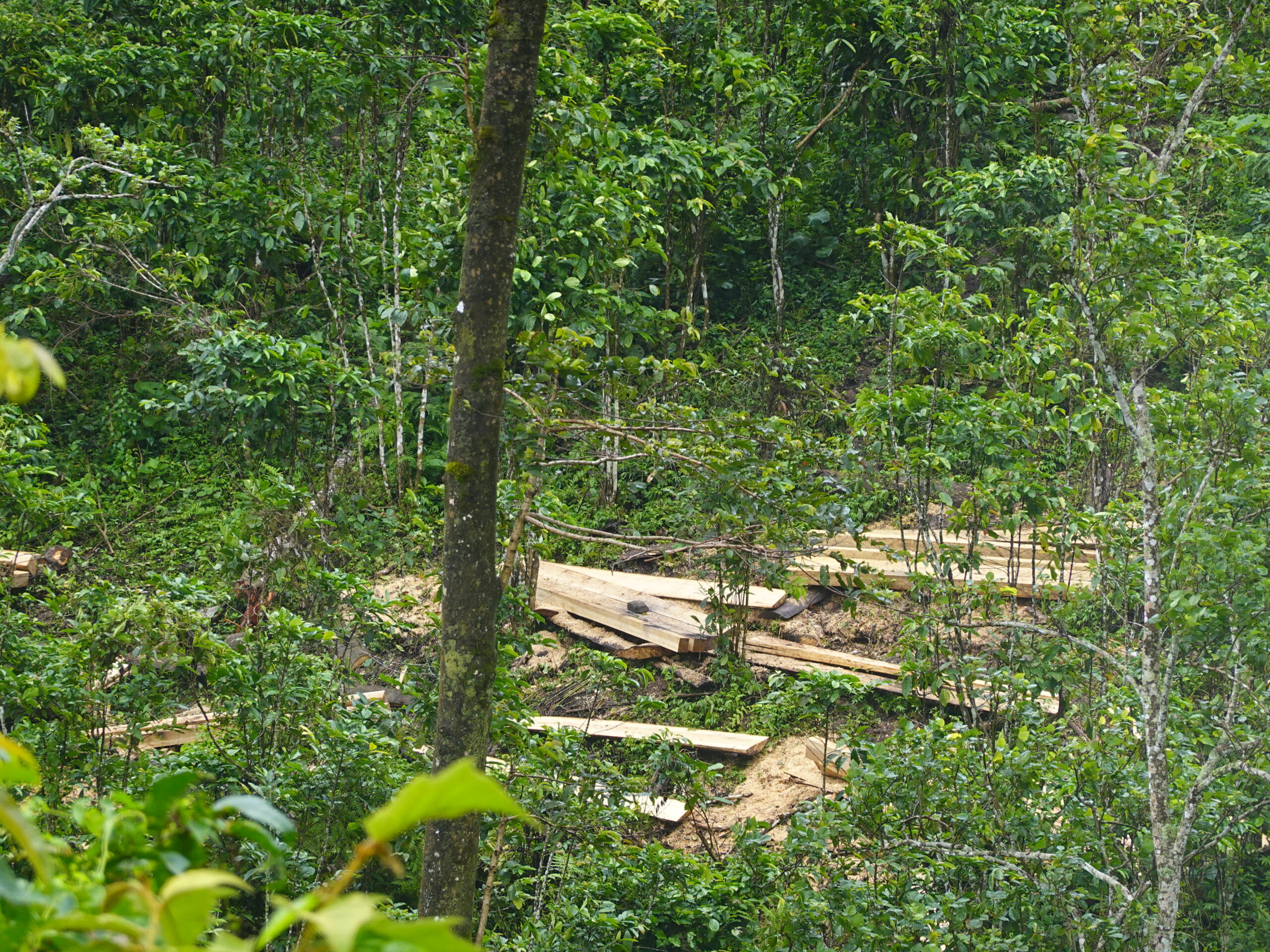
Environmental degradation has further exacerbated these technical woes. Data from Global Forest Watch (GFW) indicates that while the Batu Lanteh region remains relatively lush, it is losing its protective canopy. In 2020, Sumbawa possessed approximately 210,000 hectares of natural forest. By 2024, significant patches—including 360 hectares in critical areas—had been cleared. This loss of primary and secondary forest directly affects the watershed. Without the forest to act as a sponge, rainwater rushes into the rivers instantly, causing flash floods and sedimentation in the winter, followed by extreme water scarcity during the dry season. When the river flow drops, the turbines cannot maintain the necessary RPM to generate stable voltage, leading to "brownouts" that destroy household appliances.
The Economic Toll of Instability
The unreliability of the current system is beginning to erode the community’s trust. Yanti, a local kiosk owner, expressed the frustration felt by many. "In the beginning, it was wonderful. We were satisfied. But now, my refrigerator is broken because the voltage keeps jumping up and down," she lamented. For a small business owner, a broken refrigerator is not just an inconvenience; it is a loss of capital and perishable inventory.
This dissatisfaction has led some residents to call for the National Electricity Company (PLN) to extend the state grid to the village. Riski, a local youth leader, noted the growing skepticism toward the self-managed system. "People are starting to hope that PLN enters the village. We are starting to doubt if the PLTMH can continue to support our modern needs," he said. This sentiment highlights a common challenge in rural electrification: as communities develop, their energy needs often outpace the capacity of the initial decentralized systems that catalyzed their growth.
The Promise of a Hybrid Future
While the challenges are daunting, experts suggest that the solution is not necessarily to abandon the PLTMH, but to evolve it. Data from NASA indicates that Tepal possesses a significant, untapped resource: solar energy. Over the last five years, solar radiation intensity in the region has remained high and stable. In 2024, the annual average reached approximately 56.09 kWh/m². During the peak of the dry season—precisely when the river levels are too low for the hydro turbines—solar radiation reaches its highest levels, sometimes exceeding 71 kWh/m² in months like October.
Imam Syaukani, an energy academic from the University of Technology Sumbawa, argues that a hybrid system is the most realistic path forward. "By integrating solar panels, the village can compensate for the drop in hydro production during the dry season," Syaukani explained. Under a hybrid model, solar arrays provide power during the day, allowing the hydro system to "rest" or focus on charging battery banks that can then be deployed during the evening peak.
A simulation using Homer Pro software suggests that a strategic investment in a 30-kW solar array could stabilize the village’s grid. While the initial investment is significant—with solar panels costing around Rp129 million and advanced storage systems reaching over Rp600 million—the long-term operational costs are negligible compared to the recurring repair costs of an overworked hydro system. This "water and sun" synergy could provide Tepal with a level of energy security that neither source could achieve alone.
Aligning with National and Regional Climate Goals
The plight of Tepal Village is a microcosm of Indonesia’s broader struggle to meet its climate commitments. In its Enhanced Nationally Determined Contribution (NDC), Indonesia has pledged to reduce carbon emissions by 31.89% independently and up to 43.20% with international assistance by 2030, with a long-term goal of Net Zero Emissions by 2060. However, the energy sector remains heavily dependent on fossil fuels. Currently, the national renewable energy mix stands at approximately 14.1-14.4%, falling short of the 23% target originally set for 2025.
In contrast, the provincial government of West Nusa Tenggara (NTB) has set more ambitious targets, aiming for Net Zero Emissions by 2050—ten years ahead of the national schedule. The NTB Regional General Energy Plan (RUEDP) emphasizes diversifying energy sources and utilizing local potential. The Tepal PLTMH, despite its current struggles, is already a significant contributor to these goals. By generating approximately 167,316 kWh of clean energy annually, the village avoids the emission of roughly 142 tons of CO₂ per year compared to a coal-fired alternative. If a 30-kW solar hybrid component were added, the village could avoid an additional 46 tons of CO₂ annually, bringing the total to nearly 190 tons.
Institutional Gaps and the Path Forward
Despite these impressive figures, community-based energy projects often fall through the cracks of government policy. Muhamad Juaeni, an activist with the Indonesian Forum for the Environment (Walhi) NTB, criticizes the current RUEDP for being too focused on large-scale corporate projects. "The priority is always on the megawatt scale, which is only accessible to corporations. This is just ‘business as usual,’" Juaeni argued. He points out that while the ESDM Department identifies 25 villages in NTB as having potential for energy independence, many are struggling or reverting to the national grid because they lack the technical and financial support to maintain their infrastructure.
Syamsudin, the Head of the NTB ESDM Department, admitted that the government needs a better "on-the-ground" understanding of these village-scale systems. "These challenges have not been fully identified in our previous planning. This will be valuable input for the revision of our RUEDP," he stated. For Tepal to remain a beacon of energy independence, it requires more than just mechanical repairs; it needs a policy framework that recognizes small-scale hybrid systems as a vital component of the regional energy grid.
As the night deepens in the Batu Lanteh mountains, Jupri finally finishes his work at the powerhouse. He locks the door of the turbine house, his clothes soaked from the rain and river water. As he begins the long walk back to the village, he looks up to see the lights of Tepal flickering back to life, one by one. These small points of light represent more than just convenience; they are a testament to nearly two decades of community resilience and a signal that the journey toward sustainable, independent energy is a marathon, not a sprint. The future of Tepal’s glow now depends on whether the village can successfully marry the power of its ancient rivers with the untapped potential of the sun.