Tata Titiana
The contemporary generation, particularly millennials, is increasingly embracing a lifestyle where travel is not merely a leisure activity but a fundamental aspect of personal development and investment. This shift signifies a profound re-evaluation of what constitutes true value, with experiences, particularly those gained through travel, being deemed far more precious than conventional financial assets. This evolving perspective is reshaping consumer behavior, economic priorities, and even societal definitions of success.
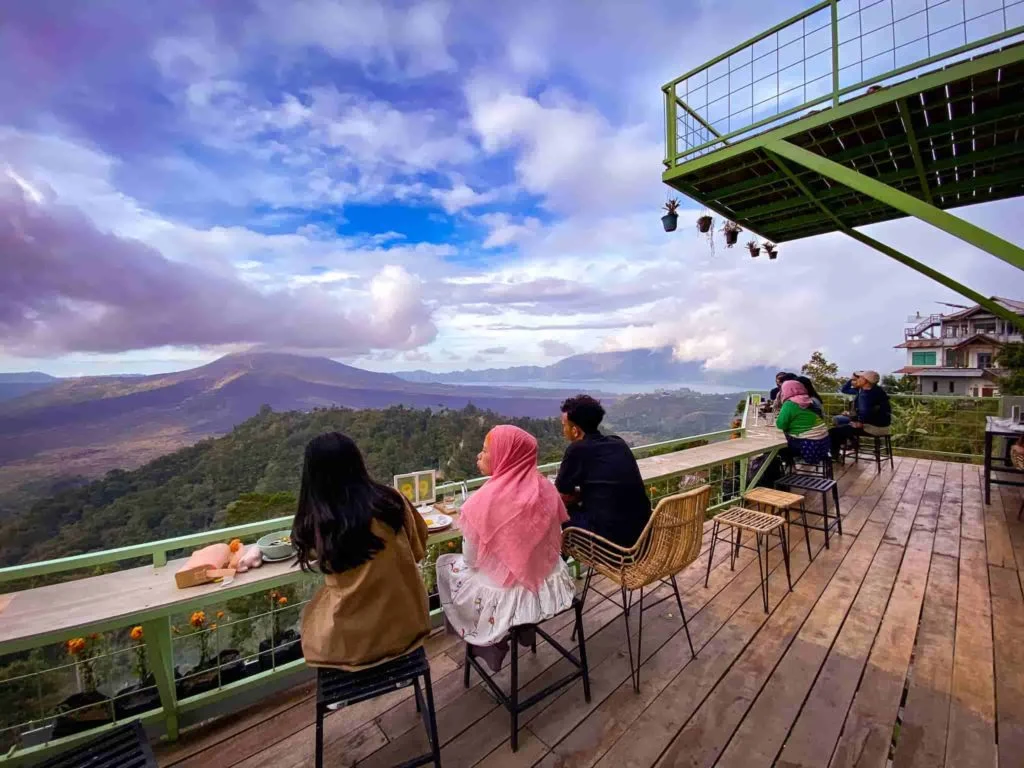
This trend is not a fleeting fad but a significant cultural movement. The allure of travel for millennials stems from a confluence of factors. The sheer beauty and diversity of natural landscapes, coupled with unprecedented access to information and inspiration through digital platforms, have ignited a deep-seated desire to explore. Furthermore, the inherent benefits of travel – fostering personal growth, broadening perspectives, and creating lasting memories – resonate strongly with a generation that prioritizes self-discovery and fulfillment.
A stark contrast emerges when comparing the financial philosophies of previous generations with those of millennials. While earlier generations often focused on accumulating wealth for future security through tangible assets like homes and cars, the current generation is redirecting a significant portion of their income towards travel. This strategic allocation of resources is driven by the understanding that the memories and personal growth derived from travel offer an enduring return on investment, enriching their lives in ways that material possessions cannot. This is not to say that millennials disregard financial security, but rather that their definition of a well-lived life encompasses a rich tapestry of experiences.
Embracing the "Lifestyle Travel" Paradigm
The increasing adoption of "lifestyle travel" among millennials is a testament to their desire to step outside comfort zones and actively seek new challenges and perspectives. This outward exploration often leads to a deeper understanding of oneself, revealing hidden strengths and fostering resilience. To successfully integrate this lifestyle, several key principles are crucial.

Cultivating Resolve and Courage
The transition to a travel-centric lifestyle requires more than just a desire; it demands a strong commitment and a healthy dose of courage. The temptation to delay travel until substantial financial reserves are built can be a significant hurdle. However, the core of lifestyle travel lies in the willingness to embark on journeys with the resources currently available, learning to navigate and thrive within those constraints. This proactive approach, rather than waiting for an idealized future, is essential for initiating this transformative journey. The notion that one must possess extensive wealth to travel is a pervasive myth that this generation is actively dismantling. Instead, resourcefulness and a willingness to embrace simpler forms of travel are becoming hallmarks of this movement.
Data from various travel industry reports indicates a growing segment of budget-conscious travelers who are adept at finding affordable options through strategic planning, off-season travel, and the utilization of shared accommodation platforms. For instance, studies by the Global Business Travel Association (GBTA) have shown a rise in the "bleisure" trend, where business trips are extended for leisure, further blurring the lines between work and travel and making it more accessible.
Embracing Flexibility and Spontaneity
While planning is an integral part of any journey, an overly rigid itinerary can stifle the very essence of discovery. The beauty of travel often lies in the unexpected detours and spontaneous encounters. Therefore, it is vital to approach travel with a degree of flexibility, allowing for adjustments based on prevailing conditions and serendipitous opportunities. Instead of meticulously scripting every moment, the focus should be on establishing a general direction and being open to the flow of the experience. This adaptable mindset allows travelers to fully immerse themselves in the local environment, engage with its people, and absorb its unique cultural nuances, often leading to more profound and authentic experiences.
The ability to pivot and adapt is a skill honed through travel. Travelers learn to navigate unforeseen circumstances, from transportation delays to unexpected weather, developing problem-solving skills that extend far beyond the realm of vacation planning. This iterative process of planning, experiencing, and adapting is fundamental to the growth fostered by lifestyle travel. Research in psychology suggests that embracing uncertainty, a key component of flexible travel, can lead to increased creativity and resilience.
Mastering the Art of Adaptation
A fundamental requirement for a fulfilling travel lifestyle is the capacity to adapt to new environments, cultures, and social dynamics. This involves a willingness to step outside one’s familiar cultural bubble and embrace differences with an open mind and a respectful attitude. Whether it’s navigating unfamiliar languages, understanding diverse customs, or adjusting to different societal norms, the ability to adapt is a powerful tool that enhances the travel experience and fosters personal growth. This adaptability is not merely about survival; it is about enriching one’s understanding of the world and its people.

The impact of adaptation extends beyond the immediate travel experience. Individuals who consistently adapt to new situations develop a broader worldview, become more empathetic, and cultivate a greater appreciation for diversity. This makes them more valuable in an increasingly globalized workforce and more engaged citizens in a multicultural society. Reports from organizations like the World Economic Forum consistently highlight adaptability and cultural intelligence as critical skills for the 21st century, skills that are directly nurtured through immersive travel experiences.
The Multifaceted Benefits of Experiential Investing
The emphasis on experiential investing, particularly through travel, yields a wealth of benefits that extend far beyond the immediate pleasure of a vacation.
Personal Growth and Self-Discovery
Stepping into unfamiliar territories challenges individuals to confront their preconceived notions and limitations. The process of navigating new environments, interacting with diverse populations, and overcoming obstacles inherent in travel acts as a powerful catalyst for self-discovery. Travelers often uncover hidden strengths, develop new skills, and gain a more profound understanding of their own values and aspirations. This journey of introspection is invaluable for personal development and contributes to a more robust sense of self. Studies in positive psychology have consistently linked novel experiences with increased well-being and a greater sense of purpose.
Broadened Perspectives and Enhanced Empathy
Exposure to different cultures, traditions, and ways of life inherently broadens one’s perspective. Witnessing firsthand the complexities and nuances of societies different from one’s own fosters a deeper understanding and appreciation of global diversity. This, in turn, cultivates empathy, enabling individuals to connect with others on a more profound level and to approach global issues with greater insight and compassion. The ability to see the world through multiple lenses is a crucial asset in an interconnected world.
Skill Development and Resilience Building
Travel is an unsolicited, yet highly effective, training ground for a myriad of essential life skills. From problem-solving and critical thinking to communication and resourcefulness, the challenges encountered on the road hone these abilities in practical, real-world scenarios. The need to adapt to unexpected situations, manage budgets, and communicate across language barriers builds resilience and a capacity to thrive in the face of adversity. These are not just travel skills; they are life skills that contribute to success in all facets of life.

Creation of Lasting Memories and Rich Narratives
While material possessions can depreciate and lose their value over time, the memories created through travel are indelible. These experiences form the bedrock of personal narratives, providing rich anecdotes and cherished moments that can be recalled and shared for a lifetime. This accumulation of meaningful experiences contributes to a life well-lived, offering a sense of fulfillment that transcends monetary wealth. The concept of "nostalgia marketing" and the inherent value placed on personal stories underscores the enduring power of these memories.
The Economic and Societal Implications
The growing prevalence of lifestyle travel has significant economic and societal implications. Tourism is a major global industry, and the increasing demand from millennials fuels its growth and evolution. This trend encourages the development of new tourism products and services, often with a focus on sustainability, cultural immersion, and authentic experiences. This can lead to economic opportunities in destinations that were previously less explored.
Furthermore, this shift in priorities may influence long-term economic models. If a significant portion of disposable income is directed towards experiences rather than the accumulation of traditional assets, it could lead to changes in savings rates, investment strategies, and the broader definition of economic prosperity. Societally, a generation that prioritizes understanding and connection through travel may contribute to a more globally aware and interconnected world, fostering greater cross-cultural understanding and collaboration.
However, this trend also presents challenges. Sustainable tourism practices are crucial to mitigate the environmental impact of increased travel. Ensuring that travel remains accessible and equitable is also important to avoid creating a divide between those who can afford such experiences and those who cannot.
In conclusion, the rise of lifestyle travel among millennials represents a fundamental redefinition of value and investment. By prioritizing experiences over possessions, this generation is not only enriching their own lives but also shaping the future of the tourism industry and influencing broader economic and societal paradigms. The courage to explore, the flexibility to adapt, and the commitment to continuous learning are the cornerstones of this evolving lifestyle, promising a future where a life rich in experience is considered the ultimate measure of success.