Eko Sulistyo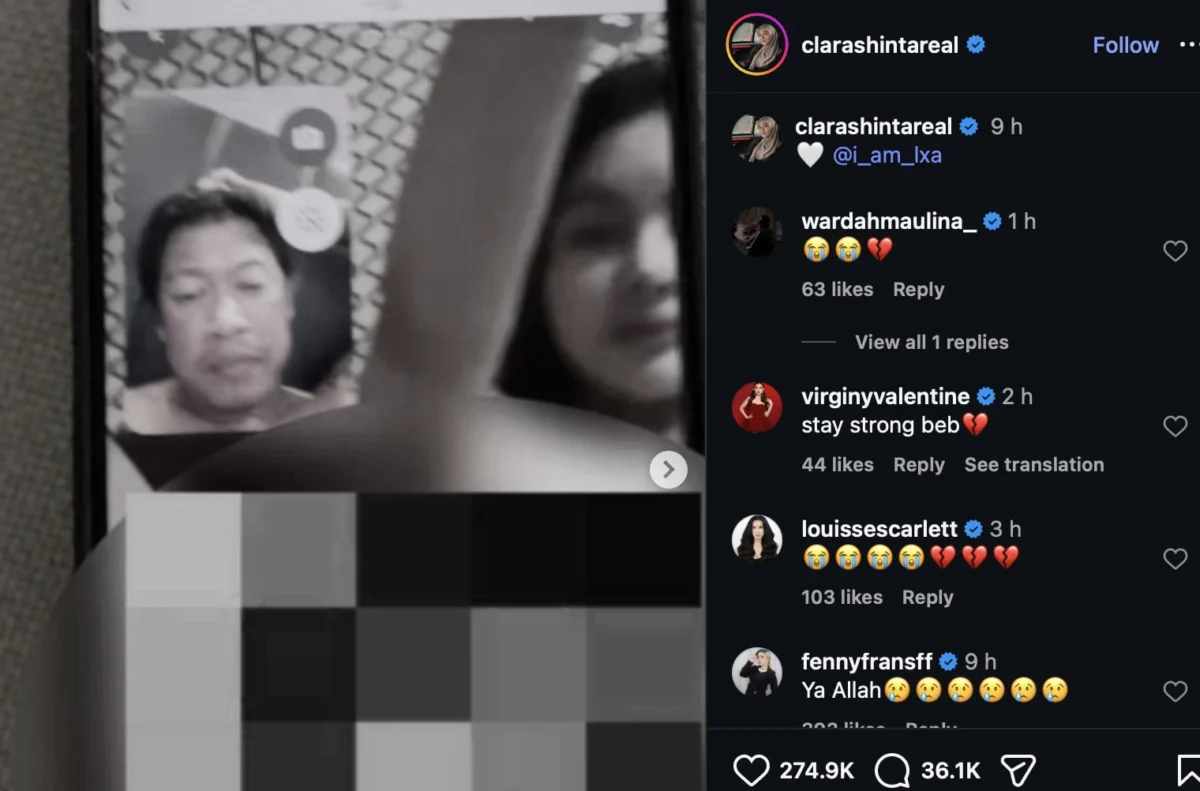
The domestic life of prominent Indonesian social media personality and entrepreneur Clara Shinta has once again become the center of intense public scrutiny following a series of explosive revelations regarding her husband, Muhammad Alexander Assad. The narrative, which began as a personal grievance shared by Clara on social media, has rapidly evolved into a widespread digital investigation as netizens and gossip outlets work to uncover the identity of the woman allegedly involved in an infidelity scandal. The controversy reached a new peak this week when digital sleuths identified a specific individual linked to the scandal, leading to a dramatic shift in the online presence of those involved and raising broader questions about digital privacy, marital fidelity, and the influence of social media in modern celebrity culture.
The incident first gained traction when Clara Shinta, known for her successful business ventures and significant following on platforms like Instagram and TikTok, disclosed that she had uncovered evidence of her husband’s alleged infidelity. According to her accounts, the discovery occurred under particularly distressing circumstances while the couple was on a trip to Bangkok, Thailand. Clara reportedly gained access to her husband’s mobile device, where she found incriminating evidence in the form of screenshots and recordings of a Video Call Sex (VCS) session involving another woman. The timing of the alleged incident has added a layer of public condemnation, as the digital timestamps indicated the activity took place on March 2, 2026, a date falling within the holy month of Ramadan, a period traditionally reserved for spiritual reflection and restraint in Indonesia.
The Identification of the Alleged Third Party
As news of the betrayal spread, the focus of the public discourse shifted from the act of infidelity itself to the identity of the woman on the other end of the video call. In the digital age, Indonesian "akun gosip" (gossip accounts) often act as catalysts for such investigations. A prominent Instagram account, @gosip_danu, played a pivotal role in this development by posting several photographs that were allegedly cross-referenced with the footage Clara Shinta had discovered. The account’s caption, "This looks like the person," acted as a signal for thousands of followers to begin their own inquiries.
Through collective digital tracing, netizens identified the woman as Tri Indah R, a social media figure who operates under the handle @keyndah_. Before the scandal broke, the individual in question was known as a "selebgram"—a portmanteau for a celebrity Instagrammer—who frequently shared lifestyle content, fashion photography, and personal updates with a following that numbered in the hundreds of thousands. The images circulated by gossip accounts showed a range of poses, from casual daily life to more provocative imagery, which fueled the online narrative surrounding the scandal.
The reaction from the public was instantaneous and overwhelming. In the hours following the identification, the Instagram profile @keyndah_ was inundated with comments ranging from expressions of disappointment to severe verbal harassment. This phenomenon, often referred to as "social media mobbing," highlights the volatile nature of online fame in Indonesia. The pressure became so significant that the account underwent a series of rapid changes: it was initially set to private to restrict access, but shortly thereafter, the account appeared to be "scrubbed" or deactivated. Observers noted that the follower and following counts dropped to zero, suggesting a deliberate attempt to erase a digital footprint in response to the escalating controversy.
Chronology of the Discovery in Bangkok
To understand the weight of the current scandal, it is necessary to examine the timeline of events as described by Clara Shinta. The couple’s trip to Bangkok was intended to be a period of leisure and perhaps a way to strengthen their bond. However, the atmosphere shifted when Clara reportedly felt a sense of intuition regarding her husband’s behavior. Upon checking Muhammad Alexander Assad’s phone, she was confronted with visual evidence that she described as traumatizing.
Clara recounted that seeing the screenshots of the VCS session caused her physical distress, including trembling and a profound sense of shock. The evidence was not merely anecdotal; it was documented within the device’s storage, making the betrayal impossible to ignore. The fact that the interaction occurred during Ramadan served as a significant point of contention for many observers. In the Indonesian cultural context, performing such acts during a month of fasting and prayer is often viewed with heightened moral disapproval, which has contributed to the viral nature of the story.
The timeline suggests that while the discovery was made recently, the actual incident of the video call predated the trip, indicating a pattern of behavior that Clara was previously unaware of. This revelation has prompted a wave of sympathy for Clara, who has been open about her past struggles, including her journey as a convert to Islam and her efforts to build a stable family life for her children.
Supporting Data and Social Media Impact
The impact of this scandal can be quantified through social media metrics and search trends. In the 48 hours following the post by @gosip_danu, searches for "Clara Shinta husband," "Muhammad Alexander Assad," and "Keyndah" spiked by over 500% on major search engines and social platforms within Indonesia. This surge in interest demonstrates the high level of public engagement with the personal lives of digital influencers.

Furthermore, the "cancellation" of the alleged third party’s social media presence provides a case study in the power of public opinion. At its peak, the @keyndah_ account was a source of revenue through endorsements and brand collaborations. The sudden loss of this platform represents a significant professional and financial blow, illustrating how personal scandals can have immediate and devastating consequences for those whose livelihoods depend on their public reputation.
From a data perspective, the incident also highlights the role of mobile technology in modern infidelity. Statistics from various relationship studies suggest that digital "micro-cheating" or remote sexual encounters via video calls are on the rise, often serving as a gateway to or a substitute for physical affairs. In this case, the permanence of digital records—the very screenshots Assad allegedly kept—became the instrument of his exposure.
Official Responses and Legal Implications
As of the current reporting period, there has been a notable silence from the primary subjects of the allegations. Muhammad Alexander Assad has not issued a formal public statement to refute or explain the evidence presented by his wife. Similarly, the woman identified as Tri Indah R has remained silent, opting for digital withdrawal rather than public defense.
Legal experts in Indonesia have noted that cases of this nature often navigate a complex legal landscape. Under the Indonesian Criminal Code (KUHP) and the Law on Electronic Information and Transactions (UU ITE), the sharing of private sexual content can have severe legal ramifications. If Clara Shinta were to pursue legal action, the case could potentially involve charges related to adultery (perzinahan) or even violations of the ITE Law if the content was distributed. Conversely, the person whose identity was revealed could potentially seek legal recourse for defamation or doxxing, depending on how the information was obtained and shared.
However, in many celebrity cases in Indonesia, the "court of public opinion" often moves faster and carries more immediate weight than the judicial system. For Clara Shinta, the focus appears to be on transparency with her followers and the protection of her personal brand and family interests.
Broader Implications for Influencer Culture
This scandal serves as a stark reminder of the fragile boundary between public persona and private reality in the influencer industry. Clara Shinta has built a brand based on empowerment, resilience, and success. The intrusion of a highly public marital crisis poses a risk to that brand, yet her decision to be vocal about the betrayal has also garnered her a new wave of support from women who identify with her experience.
Moreover, the incident sheds light on the ethics of "gossip accounts" and the speed at which an individual’s life can be dismantled by the collective actions of internet users. While the public’s desire for accountability is understandable, the transition from reporting news to active harassment remains a contentious issue in digital ethics.
The story of Clara Shinta and Muhammad Alexander Assad is more than a simple tale of marital discord; it is a reflection of how technology, religion, and celebrity culture intersect in contemporary Indonesian society. As the public awaits further developments or a potential statement from the parties involved, the incident stands as a cautionary tale about the digital traces left behind in the modern world and the enduring power of social media to act as both a judge and a jury in the lives of the famous.
The future of Clara Shinta’s marriage remains uncertain, but the impact of this revelation on her career and the lives of those accused is already profound. With the alleged third party’s digital presence currently erased, the focus remains on how the couple will navigate the fallout of a scandal that has captured the attention of millions. In the coming weeks, it is expected that more details regarding the legal or personal resolution of this matter will surface, potentially setting new precedents for how such high-profile domestic disputes are handled in the public eye.