Lusiana Hamidun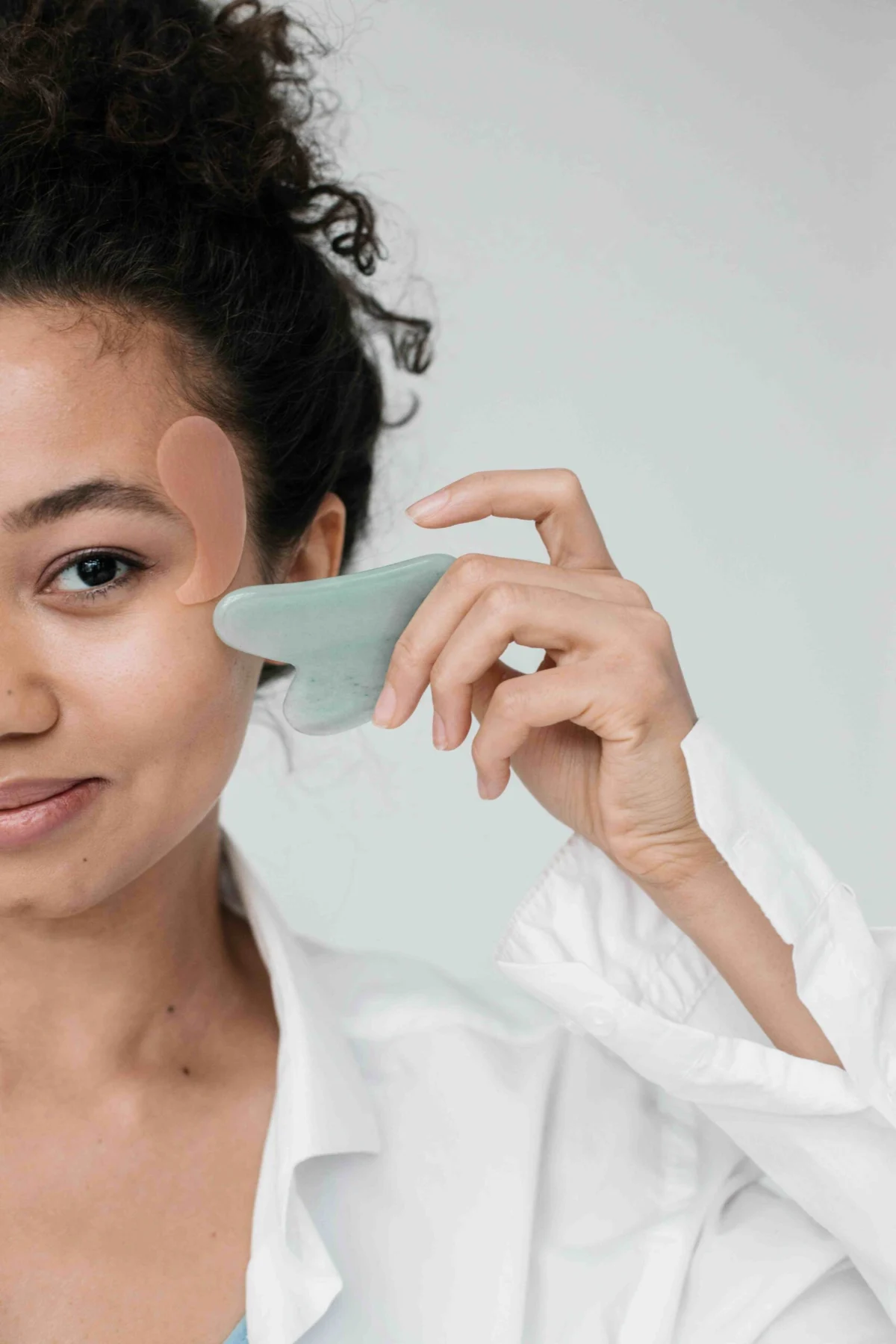
Puffy eyes, a common and often unwelcome cosmetic concern, can significantly impact one’s appearance, particularly in the morning hours. This prevalent issue stems from a variety of triggers, ranging from insufficient sleep and allergic reactions to emotional distress manifested through crying or the consumption of high-sodium foods. The delicate skin surrounding the eye area is remarkably thin, making even minor changes readily apparent, thus contributing to a fatigued and less refreshed facial appearance. In the realm of beauty and personal care, understanding effective strategies to combat puffy eyes is paramount for maintaining a vibrant and confident look. Fortunately, a plethora of straightforward methods exist to alleviate swelling in this sensitive region without the necessity for complex or costly treatments.
From the application of cold compresses to the utilization of readily available natural ingredients found in most households, various practical approaches can be employed to address puffy eyes. Some individuals also find relief through gentle massage techniques applied to the under-eye area, which can aid in improving blood circulation. Furthermore, prioritizing sleep quality and paying close attention to dietary habits play crucial roles in preventing the morning puffiness that frequently arises. With appropriate and consistent care, the eye area can be restored to a brighter and more rested appearance. Consequently, acquainting oneself with effective methods for managing puffy eyes offers a simple pathway to ensuring a consistently healthy and radiant facial presentation.
Unveiling the Top 5 Contributors to Swollen Eyelids
1. Sleep Deprivation: The Silent Culprit
One of the most ubiquitous causes of swollen eyelids is inadequate sleep. When the body is deprived of sufficient rest, the circulatory system in the ocular region can become compromised, leading to fluid accumulation. This physiological response often results in a puffy or "baggy" appearance around the eyes, making the face look more tired. Beyond puffiness, prolonged periods of wakefulness can also contribute to a dull and lackluster complexion in the delicate eye area. To circumvent this common issue, prioritizing seven to eight hours of quality sleep per night is essential. Adequate rest allows the body to repair and rejuvenate, restoring the eye area to a refreshed and healthy state. Statistics from the Centers for Disease Control and Prevention (CDC) indicate that over a third of American adults report not getting enough sleep on a regular basis, underscoring the widespread impact of this factor on overall well-being and appearance.
2. Allergic Reactions: A Common Trigger
Allergies represent another frequent instigator of swollen eyelids experienced by many individuals. Adverse reactions to common allergens such as dust, pollen, cosmetics, or certain food items can trigger inflammation in the ocular tissues. This inflammatory response is typically accompanied by other symptoms like itching, redness, and watery eyes. When the body encounters an allergen, it releases histamine, a chemical mediator that can cause blood vessels to dilate and surrounding tissues to swell. For those who experience recurrent eyelid puffiness due to allergies, identifying and actively avoiding these triggers is crucial. Understanding the specific allergens responsible, whether environmental or ingestible, is the first step toward effective management. The Asthma and Allergy Foundation of America reports that millions of Americans suffer from various forms of allergies annually, highlighting the pervasive nature of this health concern.
3. Prolonged Crying: Emotional Impact on Physical Appearance
Extended periods of crying can also lead to temporary eyelid swelling. During emotional distress, the lacrimal glands work overtime, producing an increased volume of tears. This excess fluid can accumulate in the delicate tissues surrounding the eyes, resulting in a puffy appearance. Moreover, the physical act of rubbing the eyes during or after crying can exacerbate irritation on the already sensitive skin. While this condition is generally transient, the puffiness may persist for some time until fluid circulation in the eye area returns to normal. The physiological response to crying involves an increase in blood flow to the face, which, combined with fluid retention, contributes to the characteristic swollen look.
4. Excessive Sodium Intake: The Fluid Retention Factor
Consuming foods high in sodium can significantly contribute to fluid retention throughout the body, including the facial area. This phenomenon frequently manifests as puffy eyelids, particularly noticeable upon waking. Excess salt prompts the body to hold onto more water than usual, causing tissues, including those around the eyes, to appear swollen and distended. The World Health Organization (WHO) recommends that adults consume less than 2,000 mg of sodium per day, a target that many individuals easily exceed due to the prevalence of sodium in processed and restaurant foods. Therefore, maintaining a balanced diet and moderating the intake of high-sodium foods is instrumental in preventing eyelid puffiness and promoting overall health.
5. Ocular Infections or Irritations: Underlying Medical Concerns
Infections or irritations affecting the eyes can also be a direct cause of swollen eyelids. These issues can arise from bacterial or viral agents, or from exposure to foreign particles like dust and debris. Symptoms often include pain, redness, and excessive tearing. When an infection occurs, the body’s immune system responds with inflammation, leading to swelling in the affected tissues. If eyelid puffiness is accompanied by pain, or if it persists for an extended period, seeking prompt medical attention from a healthcare professional is highly recommended to ensure appropriate diagnosis and treatment. Conditions such as conjunctivitis (pink eye) or styes are common examples of infections that can lead to significant eyelid swelling.
Proactive Strategies for Preventing Swollen Eyelids
1. Prioritizing Sufficient and Quality Sleep
A cornerstone of preventing puffy eyelids lies in ensuring the body receives adequate sleep. Insufficient rest disrupts blood circulation and can lead to fluid accumulation around the eyes. The National Sleep Foundation recommends that adults aim for seven to nine hours of sleep per night. Beyond duration, the quality of sleep is equally critical. Establishing a regular sleep schedule and creating a conducive sleep environment can significantly improve restorative sleep, allowing the eye area to remain refreshed and free from swelling. Studies have consistently shown a link between chronic sleep deprivation and increased inflammation in the body, which can manifest in various ways, including ocular puffiness.
2. Moderating High-Sodium Food Consumption
Dietary habits play a pivotal role in averting eyelid puffiness. High sodium intake can cause the body to retain excess fluid, frequently resulting in a swollen facial appearance, particularly around the eyes upon waking. To mitigate this, consciously limit the consumption of foods high in sodium, such as processed meals, fast food, and salty snacks. Incorporating fresh, nutrient-dense foods into one’s diet can help maintain proper fluid balance within the body, contributing to a more refreshed facial look. The American Heart Association advises individuals to read food labels carefully and choose options with lower sodium content.
3. Ensuring Adequate Hydration
The seemingly simple act of drinking enough water is often underestimated, yet it is crucial for maintaining healthy skin and the delicate eye area. When the body becomes dehydrated, it may compensate by retaining more fluid as a protective mechanism, which can include fluid accumulation around the eyes, leading to puffiness. Maintaining optimal daily hydration ensures that bodily fluids circulate more efficiently, consequently promoting a healthier, more rested, and less prone-to-puffiness eye appearance. Experts generally recommend around eight 8-ounce glasses of water per day, though individual needs can vary based on activity level and climate.
4. Discontinuing the Habit of Rubbing Eyes
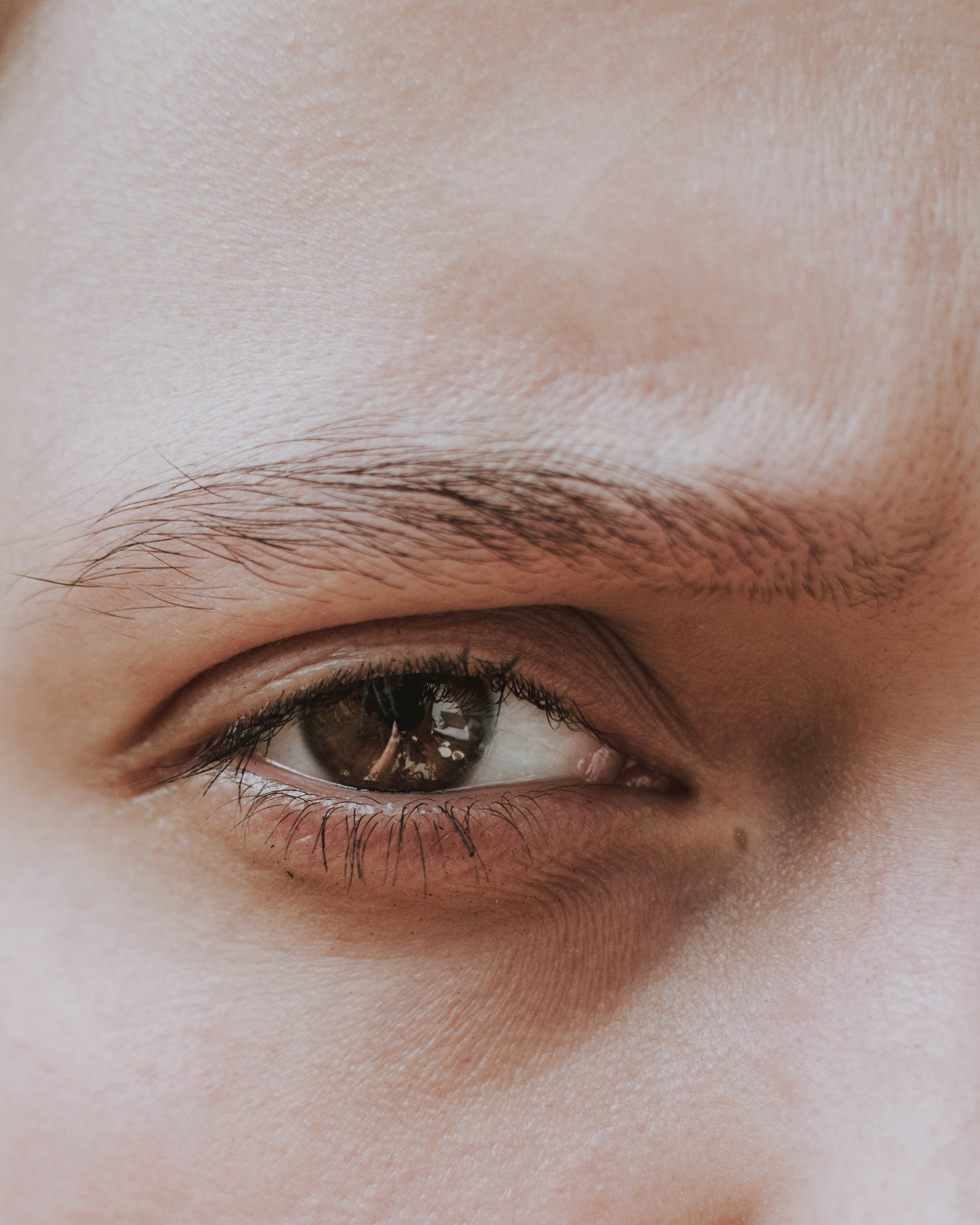
The habitual act of rubbing one’s eyes, especially when feeling fatigued or itchy, can trigger irritation in the sensitive skin surrounding the eyes. Excessive pressure can also lead to inflammation of the small blood vessels in the area. Frequent rubbing can consequently result in visibly swollen and reddened eyelids. Therefore, it is advisable to avoid touching or rubbing the eyes excessively. If eyes feel itchy, opting for a cool compress or a suitable eye drop can provide relief without causing further irritation. Dermatologists often caution against aggressive facial rubbing, as it can contribute to premature aging and skin damage.
5. Effective Management of Allergies
For a significant portion of the population, allergies are a primary cause of swollen eyelids. Exposure to dust, pollen, or certain cosmetic ingredients can trigger allergic reactions, leading to itchy, watery, and puffy eyes. To prevent such occurrences, it is essential to identify and avoid personal allergy triggers. Thoroughly cleansing the face after outdoor activities and using gentle, hypoallergenic skincare products can help protect the eye area. Through diligent allergy management, the risk of eyelid puffiness can be substantially minimized. Allergy testing by a medical professional can provide definitive identification of specific allergens.
6. Utilizing Appropriate Eye Care Products
Selecting eye care products tailored to one’s skin type can significantly contribute to maintaining the health of the area around the eyes. Products such as specialized eye creams or gels are formulated to enhance skin hydration while simultaneously reducing signs of fatigue. Ingredients like hyaluronic acid, caffeine, or vitamin C are frequently incorporated for their revitalizing properties. Consistent and correct application of these products can help prevent eyelid puffiness and maintain a smooth skin texture. The cosmetic industry offers a wide array of scientifically formulated products designed to address specific concerns like puffiness and dark circles.
7. Adopting a Healthy Lifestyle
A holistic approach to health, encompassing regular physical activity, a nutritious diet, and effective stress management, plays a crucial role in maintaining the condition of the skin and the eye area. When the body is in optimal health, blood circulation and metabolism function more efficiently. This positive impact extends to the skin’s health, including the delicate area around the eyes. By embracing a balanced lifestyle, the risk of developing puffy eyelids can be reduced, leading to a consistently fresher facial appearance. Regular exercise, for instance, has been proven to improve circulation and reduce inflammation throughout the body.
Practical Solutions for Alleviating Eye Puffiness
1. Applying Cold Compresses to the Eye Area
One of the most accessible methods for treating puffy eyes is the application of cold compresses. The constricting effect of cold on blood vessels in the eye area helps to reduce swelling and imparts a refreshing sensation. Effective cold compress options include ice cubes wrapped in a soft cloth, chilled spoons, or cotton pads soaked in cold water. Gently applying these to the eyelids for a few minutes can provide rapid relief from puffiness, particularly after a night of insufficient sleep or a bout of crying. This simple remedy leverages the principle of vasoconstriction to reduce fluid accumulation.
2. Utilizing Chilled Tea Bags
Chilled tea bags have long been recognized as a natural remedy for puffy eyes. Teas, particularly green or black tea, contain antioxidants and caffeine, which possess anti-inflammatory properties that can help reduce swelling and soothe the skin. After brewing tea, allow the bags to cool completely in the refrigerator before placing them gently over the closed eyelids for several minutes. Beyond reducing puffiness, this method offers a relaxing experience, leaving the eyes feeling more comfortable and revitalized. The caffeine in tea acts as a natural vasoconstrictor, aiding in reducing swelling.
3. Gentle Massage Around the Eyes
A gentle massage applied to the area surrounding the eyes can significantly aid in improving blood circulation and reducing fluid accumulation that causes puffiness. Using the ring finger, which exerts the lightest pressure, gently tap or massage the under-eye area, moving from the inner corner towards the outer corner of the eye. This massage can be performed while applying eye cream or moisturizer to enhance hydration. Regular practice of this simple technique can contribute to a visibly fresher and less puffy appearance of the eyes. Lymphatic drainage massage techniques are particularly effective for reducing fluid buildup.
4. Elevating the Head While Sleeping
Sleeping posture can influence the condition of the eye area. Lying with the head positioned too low can encourage fluid to pool around the eyes, leading to puffiness upon waking. To counteract this, consider using an extra pillow to elevate the head slightly above the body. This simple adjustment helps to prevent fluid from accumulating in the facial area during sleep, thereby reducing the likelihood of morning puffiness. Proper sleep posture is a key element in managing fluid balance in the head and neck region.
5. Maintaining a Healthy Lifestyle for Long-Term Results
Sustaining a healthy lifestyle remains a critical strategy for both treating and preventing puffy eyes. Consuming a balanced diet, limiting excessive salt intake, and ensuring adequate hydration are essential for maintaining fluid balance within the body. Furthermore, sufficient sleep and effective stress management contribute significantly to the health of the eye area. By adopting these balanced habits, the eyes can appear more refreshed and vibrant, contributing to an overall brighter facial appearance. The long-term benefits of a healthy lifestyle extend far beyond aesthetics, impacting overall physical and mental well-being.
(Edited by JM)