Nila Kartika Wati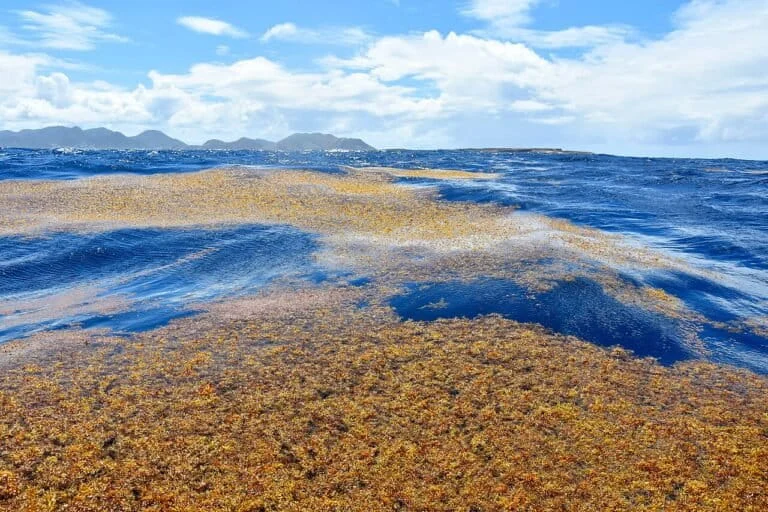
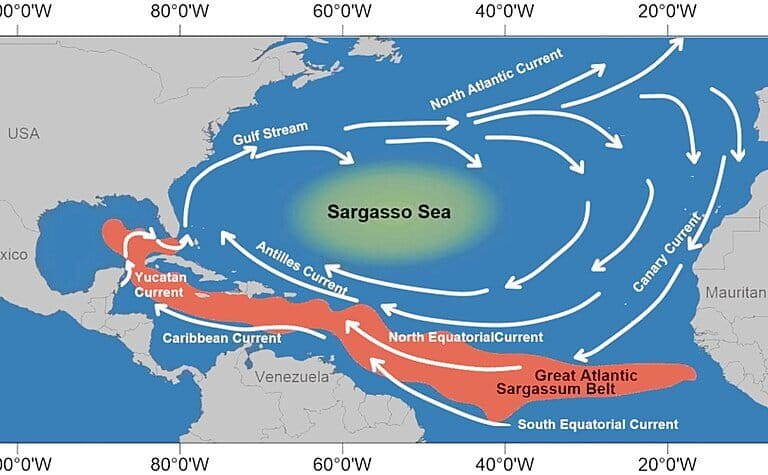
The North Atlantic Ocean conceals a vast, swirling mystery—a massive body of water that remains remarkably calm despite being encircled by some of the most powerful currents on the planet. This is the Sargasso Sea, a geographical anomaly and the only sea on Earth that possesses no land boundaries. Located approximately 950 kilometers east of the Florida coast, this unique maritime entity is defined not by coastlines of sand or rock, but by the dynamic movement of four major ocean currents: the Gulf Stream to the west, the North Atlantic Current to the north, the Canary Current to the east, and the North Atlantic Equatorial Current to the south. Together, these currents form the North Atlantic Gyre, a clockwise-rotating system that traps a distinct ecosystem within its center, creating a "sea within an ocean" characterized by deep blue waters and floating forests of golden-brown algae.
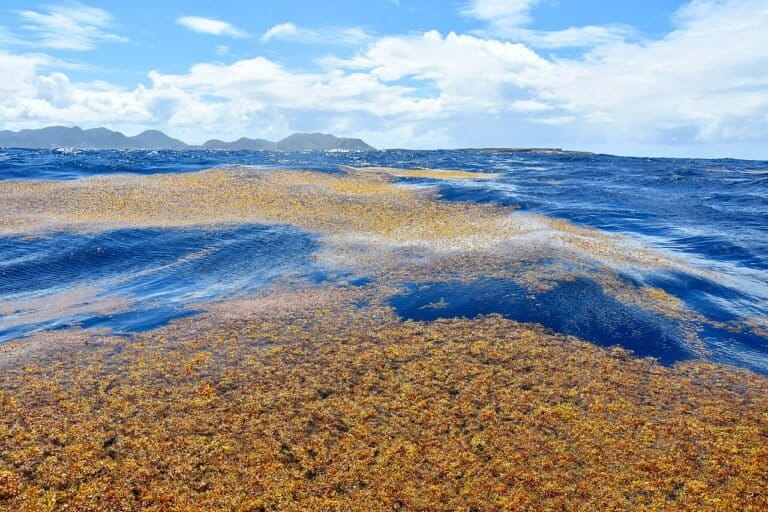
For centuries, mariners have navigated these indigo waters, often struck by the sudden transition from the turbulent Atlantic into a realm as still as glass. The surface of the Sargasso Sea is famously covered by dense mats of Sargassum, a genus of holopelagic seaweed that spends its entire life cycle floating on the ocean surface. Unlike other seaweeds that anchor themselves to the seafloor, Sargassum reproduces vegetatively and thrives in the open ocean. These floating mats, which can extend for kilometers, serve as a critical biological hub, earning the region the nickname "the golden floating rainforest." However, beneath this tranquil facade, the Sargasso Sea is currently facing unprecedented environmental pressures, ranging from climate-induced temperature spikes to the heavy accumulation of anthropogenic waste.
A Historical Perspective: From Columbus to Modern Oceanography
The history of the Sargasso Sea is inextricably linked to the Age of Discovery. In 1492, during his first voyage to the Americas, Christopher Columbus and his crew became the first Europeans recorded to encounter the thick mats of Sargassum. The sight of vegetation in the middle of the ocean initially gave the sailors false hope that land was nearby. When no land appeared, their hope turned to dread; the sailors feared the "grass" would entangle their wooden hulls or that the lack of wind in the center of the gyre—often referred to as the "Horse Latitudes"—would leave them becalmed and starving.
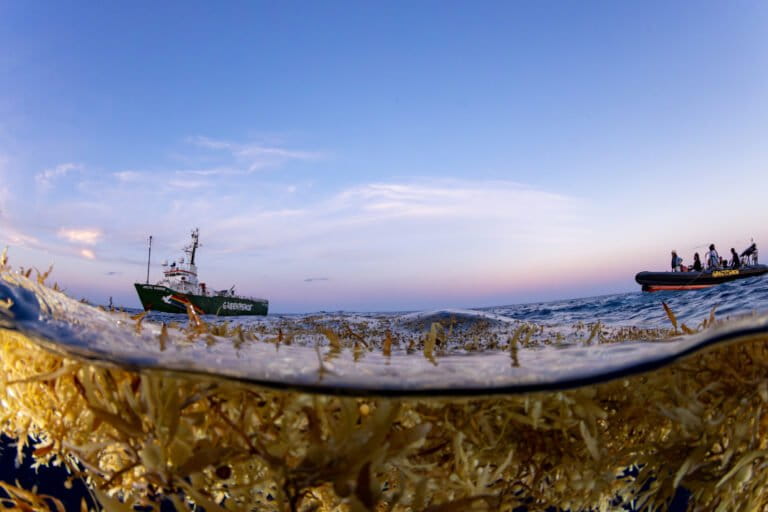
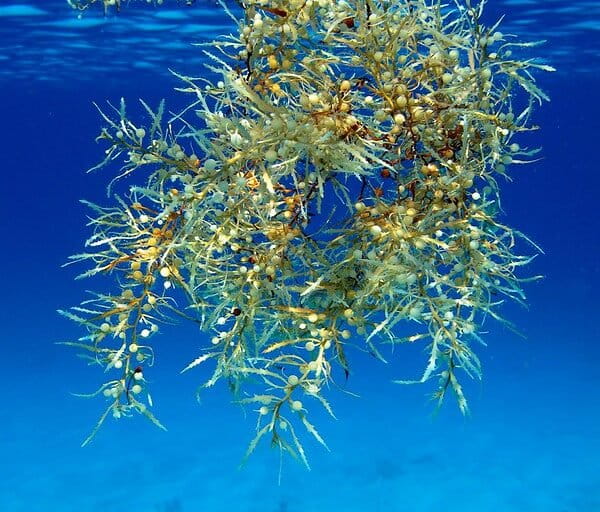
The name "Sargasso" originates from the Portuguese word sargaço, a term used by early explorers to describe the air bladders on the seaweed that resembled small grapes (salgazo). Throughout the 18th and 19th centuries, the region gained a reputation in maritime lore as a "graveyard of ships," where vessels were supposedly trapped forever in the weeds. While modern science has debunked the myth of ships being physically held by the algae, the region remains a place of profound scientific curiosity. It was only in the 20th century that oceanographers began to truly understand the sea’s role as a vital organ in the Earth’s environmental system.
The Biological Engine: An Algal Oasis in the Desert
Oceanographically, the center of a gyre is often considered a "biological desert" because the circulating currents prevent nutrient-rich deep waters from rising to the surface. However, the Sargasso Sea defies this classification through the presence of Sargassum. These floating mats act as an incubator and a sanctuary for a staggering array of marine life. Over 100 species of invertebrates and more than 280 species of fish are known to interact with the Sargassum at various stages of their lives.
The ecosystem supports several endemic species—creatures found nowhere else on Earth—including the Sargasso fish (Histrio histrio), which has evolved specialized fins that look like tiny hands to help it crawl through the seaweed, and camouflage that perfectly mimics the golden-brown fronds of the algae. Beyond these permanent residents, the sea serves as a critical nursery for commercially important species and endangered wildlife. Loggerhead sea turtles, upon hatching on the beaches of the Americas, embark on a "lost year" journey, seeking out the Sargassum mats. Here, they find warmth, camouflage from predators, and a steady supply of small crustaceans to eat until they are large enough to survive in the open ocean.
Perhaps the most remarkable biological feat associated with the Sargasso Sea is the migration of the European eel (Anguilla anguilla) and the American eel (Anguilla rostrata). For decades, the spawning grounds of these eels remained a mystery to science. It is now understood that adult eels travel thousands of kilometers from freshwater rivers across two continents to meet in the Sargasso Sea. Here, in the lightless depths beneath the floating algae, they spawn and die, leaving their larvae to be carried back to the coastlines of Europe and North America by the very currents that define the sea’s borders.
Climate Stabilization and the Carbon Sink
The Sargasso Sea is not merely a habitat; it is a global climate engine. Its unique position and temperature fluctuations play a pivotal role in the Atlantic Meridional Overturning Circulation (AMOC). During the summer, surface temperatures can soar to 30 degrees Celsius, while in winter, they drop to around 18 degrees Celsius. This seasonal cooling causes the surface water to become denser and sink, driving the vertical mixing of water masses. This process helps transport heat and salt across the Atlantic, acting as a conveyor belt that stabilizes weather patterns for North America and Europe.
Furthermore, the region is an exceptionally efficient carbon sink. The Bermuda Institute of Ocean Sciences (BIOS) has been monitoring the Sargasso Sea through the Bermuda Atlantic Time-series Study (BATS) since 1983. Their data reveals that the sea absorbs vast quantities of carbon dioxide from the atmosphere. This carbon is sequestered by phytoplankton and Sargassum through photosynthesis. When these organisms die, or when the waste of the animals that eat them sinks, the carbon is "locked" into the deep ocean floor, preventing it from contributing to global warming.
Rising Threats: Warming, Acidification, and the Plastic Gyre
Despite its remoteness, the Sargasso Sea is under siege from human activity. The same currents that trap the life-sustaining Sargassum also act as a massive drainage system for the world’s oceans. The North Atlantic Garbage Patch is concentrated here, where plastic debris, discarded fishing gear, and microplastics are pulled into the center of the gyre. Researchers estimate that there are now approximately 200,000 pieces of debris per square kilometer in certain parts of the Sargasso. These plastics do not just clutter the water; they are ingested by the sea turtles and fish that call the Sargassum home, often with fatal results.
Climate change is also altering the fundamental chemistry of the sea. The 40-year BATS study has provided alarming evidence of ocean acidification and rising temperatures. Since the 1980s, the average surface temperature of the Sargasso Sea has risen by approximately 1 degree Celsius. While a one-degree shift might seem minor, it has profound implications for the stratification of the water. Warmer surface water is more buoyant, which inhibits the vital vertical mixing process. This lack of mixing leads to "deoxygenation," where the deeper layers of the sea become deprived of the oxygen necessary to support life.
The acidification of the water—a result of the ocean absorbing more CO2 than it can process—threatens the survival of calcifying organisms, such as the tiny sea snails and plankton that form the base of the food web. If these primary producers fail, the entire ecosystem, from the smallest shrimp to the largest predatory fish, could face collapse.
The Challenge of High Seas Governance
Protecting the Sargasso Sea is a complex legal challenge. Because the sea is located in the "High Seas"—international waters that lie beyond the jurisdiction of any single nation—no individual country has the authority to implement comprehensive environmental regulations. For years, this "no man’s land" status allowed the region to be exploited by unregulated fishing and impacted by heavy maritime traffic.
In 2014, a significant step forward was taken with the signing of the Hamilton Declaration on Collaboration for the Conservation of the Sargasso Sea. This non-binding political declaration led to the creation of the Sargasso Sea Commission, an entity dedicated to exercising a stewardship role for this unique ecosystem. The Commission works with international bodies like the International Maritime Organization (IMO) and the Regional Fisheries Management Organizations to advocate for protective measures.
Current proposals from the Commission and environmental advocates include rerouting major shipping lanes by as little as 80 kilometers to avoid the most sensitive Sargassum mats and the migration paths of whales. There are also calls for a moratorium on certain types of industrial fishing during the peak migration seasons of the European eel and the loggerhead turtle. The recent adoption of the UN High Seas Treaty (the BBNJ Treaty) in 2023 offers a new glimmer of hope, providing a legal framework to establish Marine Protected Areas (MPAs) in international waters, which could finally give the Sargasso Sea the formal protection it requires.
Conclusion: A Global Responsibility
The Sargasso Sea is a testament to the interconnectedness of our planet. A change in the temperature of its waters can influence the climate of London; a piece of plastic dropped in a river in the United States can end up choking a turtle in the middle of the Atlantic; and the survival of a species of eel in a German stream depends on the health of a floating forest thousands of miles away.
As the "heart" of the Atlantic, the Sargasso Sea serves as a barometer for the health of our oceans. The data provided by decades of research at the Bermuda Atlantic Time-series Study site makes it clear that the sea is changing, and not for the better. Protecting this shoreless sea is no longer just a matter of marine conservation; it is a vital necessity for maintaining the global climate balance. Ensuring that the golden mats of Sargassum continue to drift peacefully in their indigo home is a challenge that requires a unified, international response—one that recognizes that the boundaries of nature rarely align with the boundaries of nations.