Tata Titiana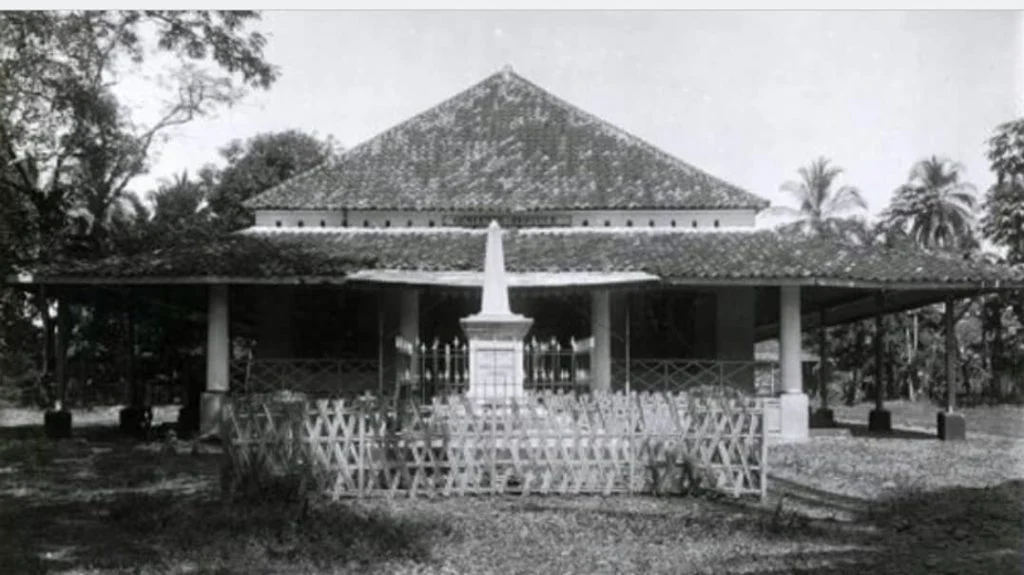
Depok, a municipality in West Java, Indonesia, has a history far richer and more complex than its current administrative status might suggest. While officially established as a city on April 27, 1999, after being a district within Bogor Regency, Depok once existed as an independent entity with its own president. This little-known chapter of its past reveals a fascinating journey from a vast private estate to a self-governing territory, predating Indonesia’s own independence in many respects.
The genesis of Depok as a distinct entity can be traced back to the late 17th century when Cornelis Chastelein, a wealthy Dutch merchant, purchased a significant tract of land spanning 12.44 square kilometers for a sum of 2.4 million Dutch Guilders. This land was designated as "partikelir," meaning it was private property and not under the direct jurisdiction of the Dutch East Indies government. By the 18th century, Depok had evolved into an administrative region with its own "gemeente bestuur," or civil government, with Chastelein himself serving as its first ruler and founder.
Initially, the land Chastelein acquired was largely undeveloped wilderness. Through the labor of his enslaved individuals, who hailed from various ethnic backgrounds across the archipelago, Chastelein began the arduous task of clearing forests to cultivate the land. The scope of this private domain was extensive, encompassing not only the present-day Depok area but also stretching to Pasar Minggu in South Jakarta and even as far as Gambir in Central Jakarta. The very first inhabitants of this burgeoning territory were Chastelein’s enslaved people.
Chastelein, a devout Catholic, was known for his benevolent treatment of his enslaved population. In a significant act of foresight and generosity, he drafted a will on June 28, 1714, stipulating that upon his death, his enslaved individuals would inherit the land, houses, livestock, and agricultural tools. Crucially, he also decreed their freedom. To prevent potential disputes and ensure an orderly transition, he appointed Jarong van Bali to lead and manage the newly freed community.
The freed individuals, while grateful for their liberty, harbored concerns about future power struggles following Jarong van Bali’s eventual demise. To preemptively address this, they collectively agreed to establish a democratic system for selecting their leader. This led to the formation of a governing structure where a president, elected democratically by the people, would lead the community. The presidential term was set at three years. This unique system of governance was formalized with the establishment of "Het Gemeente Bestuur van Het Particuliere Land Depok" (The Municipal Government of the Private Land of Depok) in 1913. The blueprint for this governmental structure was devised by a lawyer from Batavia, marking a significant step towards self-determination for the inhabitants of this private estate.

The Presidential Era of Depok
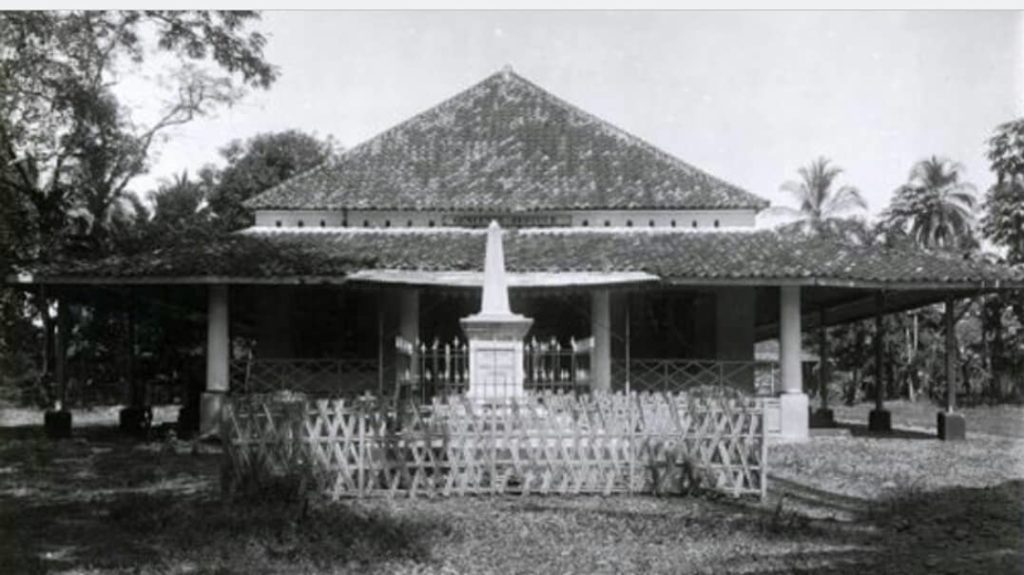
The establishment of the presidential system in 1913 marked a pivotal moment in Depok’s history. The central seat of government was located at Kilometer 0 of Depok, symbolized by a monument known as Tugu Depok. Nearby, a government building, which now serves as the Harapan Hospital, housed the administrative functions of this unique nation.
The first president of Depok was Gerrit Jonathans, who assumed office in 1913. His tenure was followed by three other presidents who led the community through various phases:
- Martinus Laurens: Served in 1921.
- Leonardus Leander: Served in 1930.
- Johannes Matjis Jonathans: Served in 1952, holding the distinction of being the last president of Depok.
Despite the existence of these presidential terms, detailed historical records or comprehensive accounts of the specific achievements or challenges during each president’s administration are scarce. This lack of detailed documentation makes it difficult to fully reconstruct the intricacies of their governance and the societal developments during their respective periods.
From Private Land to Indonesian Municipality: A Timeline of Transformation
The journey of Depok from a private estate to its current status as a city within Indonesia can be chronicled through several key milestones:
- Late 17th Century: Cornelis Chastelein acquires 12.44 km² of land in Depok, establishing it as private property ("partikelir").
- 18th Century: Depok develops an administrative structure with a civil government ("gemeente bestuur"), with Chastelein as its founder and first ruler.
- Early 20th Century: The enslaved population is freed, and a democratic system of electing a president is established.
- 1913: "Het Gemeente Bestuur van Het Particuliere Land Depok" is officially formed, and Gerrit Jonathans becomes the first president. The government center is established at Kilometer 0.
- 1913-1952: A succession of four presidents leads Depok under its self-governing structure.
- 1952: The last president, Matijs Jonathans, formally transfers the private land of Depok to the Indonesian government through an official deed of handover. This act marked the end of Depok’s status as an independent entity.
- Post-1952: Depok transitions through various administrative stages, eventually becoming a district within Bogor Regency.
- April 27, 1999: Depok is officially elevated to the status of a municipality (kotamadya), marking its formal establishment as an independent administrative unit within West Java province.
The Legacy of Chastelein and the Birth of a Unique Society
Cornelis Chastelein’s vision and actions laid the foundation for a society that was, in many ways, ahead of its time. His will not only granted freedom and land to his enslaved people but also instilled a sense of collective responsibility and democratic participation. The decision to establish a democratically elected president and a three-year term limit reflects a sophisticated understanding of governance and a desire to prevent the concentration of power.
The demographic makeup of early Depok was diverse, comprising individuals from various ethnic backgrounds brought together by their shared experience under Chastelein and their subsequent collective governance. This diverse heritage contributed to the unique cultural fabric of the region. The community’s self-governance, lasting for decades, demonstrates their capacity for organization and leadership, even in the absence of formal colonial or national governmental structures.
The Transition and Integration into Indonesia
The formal handover of Depok to the Indonesian government in 1952 by President Matijs Jonathans signified a crucial step in integrating the territory into the national framework. This act, while marking the end of Depok’s independent governance, also brought it under the purview of a larger, sovereign nation. The process of integration likely involved administrative adjustments, the alignment of local laws with national legislation, and the incorporation of Depok’s resources and population into the broader development plans of Indonesia.
While Depok as a municipality is relatively young, celebrating only 22 years of its current administrative status as of 2021, its historical roots run deep. If one considers its existence as a distinct entity, from its inception as a private estate under Chastelein to its period of self-governance with a president, its history spans over three centuries. This rich and often overlooked history highlights Depok’s unique trajectory, a story of emancipation, self-determination, and eventual integration into the modern Indonesian state.
Broader Implications and Analysis
The story of Depok as a nation with its own president offers a compelling case study in the complexities of historical land ownership, the legacy of slavery, and the evolution of governance in colonial and post-colonial contexts.
- Alternative Development Models: Depok’s history presents an intriguing alternative to the typical colonial exploitation narrative. Chastelein’s decision to empower his enslaved population created a unique socio-political experiment that resulted in a form of self-governance that predated widespread democratic movements in the region.
- The Nature of "Partikelir" Land: The concept of "partikelir" land, privately owned estates with significant autonomy, was a feature of colonial Indonesia. Depok’s case demonstrates how these private domains could evolve into distinct political entities, raising questions about the extent of Dutch colonial oversight and the potential for localized self-determination within the colonial system.
- Legacy of Emancipation: The story of Depok’s freed people establishing their own government underscores the profound impact of emancipation and the human capacity for self-organization and leadership. It highlights that the end of slavery did not necessarily mean the end of agency or the ability to build new societal structures.
- Historical Continuity and Change: The transition from a private nation to a municipality within a larger republic illustrates the dynamic nature of political and administrative boundaries. While Depok now operates within the framework of the Indonesian government, its distinct historical narrative remains an integral part of its identity.
- Unwritten Histories: The scarcity of detailed records from the presidential era points to a common challenge in historical research, particularly concerning marginalized communities or periods of localized governance that did not align with dominant historical narratives. Further research into archival materials, oral histories, and local traditions could potentially illuminate more about this fascinating period.
In conclusion, Depok’s history is a testament to the multifaceted past of Indonesia. Beyond its modern urban landscape, lies a story of a private land that transformed into a self-governing nation, complete with its own elected president, a legacy that continues to shape its identity and provides valuable insights into the region’s colonial and post-colonial development.