Lusiana Hamidun
Walk through the bustling streets of any major metropolitan area today, and you might find yourself playing a delightful guessing game: is that the comforting aroma of freshly baked cookies or a sophisticated perfume? The scent of gourmand fragrances, once primarily associated with sugary indulgence and decadent desserts, has undeniably reached a new zenith of saturation. In recent years, the fragrance industry has witnessed a powerful resurgence of food-inspired compositions. This trend is marked by increasingly frequent collaborations between renowned chefs and master perfumers, alongside experimental launches that masterfully blur the lines between the culinary arts and the personal scent wardrobe. What once felt like a niche or even disruptive olfactory statement has now become a pervasive, ambient presence, deeply enriching our collective sensory experiences.
The genesis of this olfactory revolution can be traced back over three decades to a single, groundbreaking fragrance: Mugler’s Angel. Launched in 1992, Angel was a radical departure from the perfumery norms of its era. Its unashamedly sweet profile, featuring notes of praline and a robust, unwavering density, did not merely introduce edible nuances into fine fragrance; it shattered prevailing notions of olfactory restraint. While often retrospectively labeled as the "original" gourmand, this simplification risks obscuring the sheer audacity of Angel’s presence in its time. Emerging during a period of cultural maximalism where pleasure itself was an aspirational commodity, Angel didn’t just smell like food; it smelled expressive. The intricate blend of praline and caramel, vanilla and honey, was masterfully balanced to evoke both exuberance and imaginative flair. As Olivier Cresp, the perfumer behind Angel, once explained to fragrance historian Michael Edwards, "If you put too much of this taste, the perfume becomes too gimmicky, too adolescent." Angel audaciously disregarded industry standards for how a woman "should" smell, even dispensing with traditional floral accords. More profoundly, Angel educated consumers to perceive sweetness not as a frivolous indulgence, but as a potent form of self-expression and empowerment.
The Unfolding Dominance of Gourmand
Over a generation has now passed since Angel’s transformative debut, and the gourmand genre has solidified its position as a dominant force. What was once considered transgressive has evolved into an almost foundational element of modern perfumery. Sugar, once a surprising accent, is now a universally understood olfactory language, resonating across diverse age groups and demographics. Market research consistently underscores this pervasive appeal. In 2018, the market research firm NPD Group reported that gourmand fragrances constituted approximately 74 percent of the fragrance market in the United Kingdom and 68 percent in France. As global fragrance consumption has continued its upward trajectory since then, these market shares have only expanded. Projections for the global gourmand fragrance market alone indicate a valuation exceeding 35 billion US dollars by 2025, a testament to the immense scale of this sweet olfactory phenomenon.
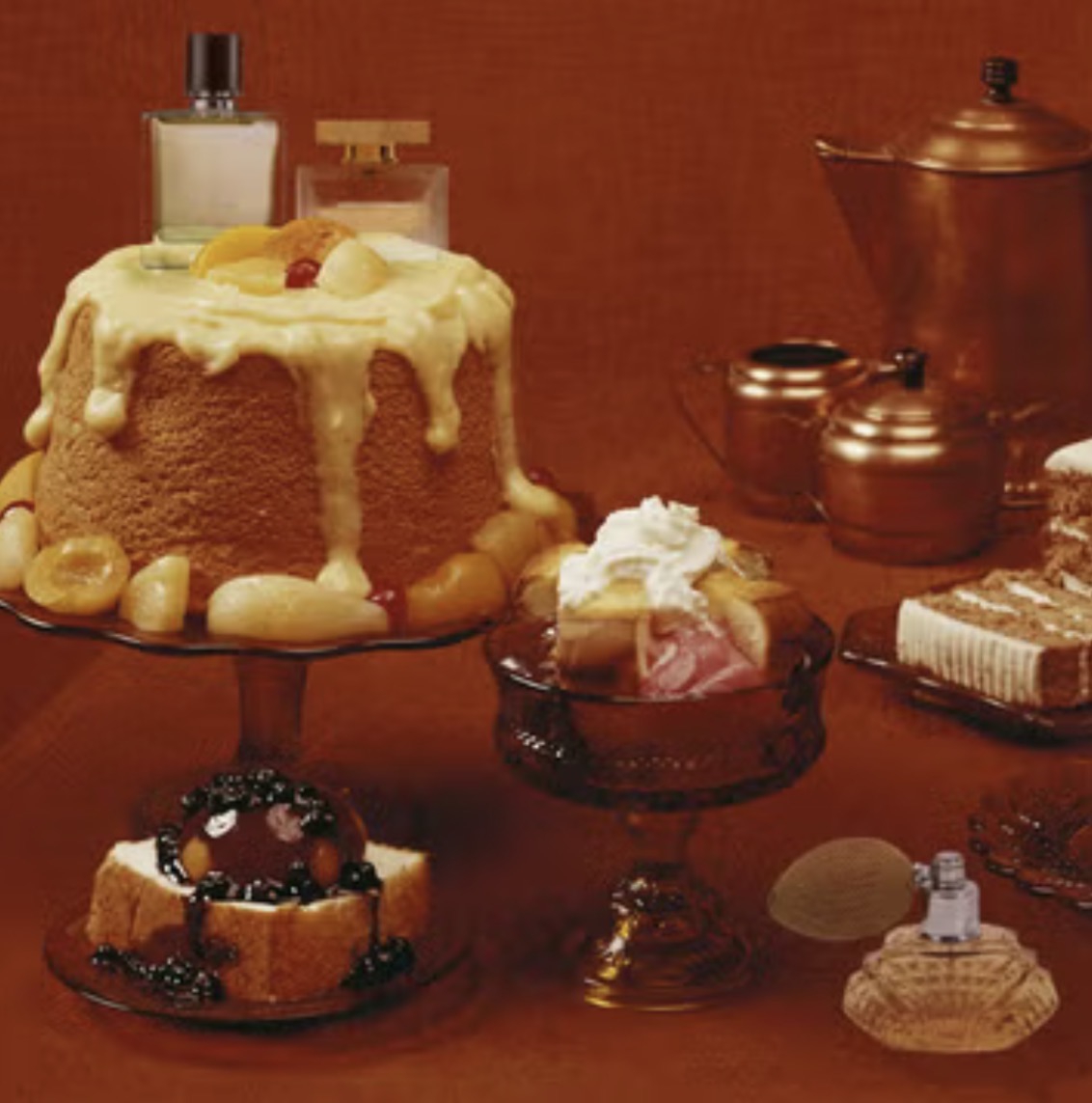
The early to mid-2010s and extending into the early 2020s saw the gourmand genre lean into depth and complexity rather than mere novelty. Perfumes featured richer, smokier vanillas, deeper baked sugar accords, and more robust nutty profiles. The pleasure derived from these scents became more profound, darker, and more enveloping. Augustine Zegers, a perfumer at Agar Olfactory, observes how the definition of gourmand has broadened considerably: "Anything that is edible within the olfactory palette is now called gourmand. It used to be purely sweet, but in practice, it has become anything edible. In 2020, I saw sesame as a perfume note, and now it’s used much more. Rice notes started becoming popular a few years ago, and now there are so many rice perfumes, alongside nuts like pistachio."
Expanding the Olfactory Palate: Beyond Traditional Sweets
The incorporation of notes like pistachio, rice, almond, and sesame has significantly expanded the fragrance palette without abandoning the inherent sweetness that defines the gourmand category. While European patisseries served as the dominant olfactory inspiration from the early 2000s through the early 2020s, the trend has now shifted towards exploring different kinds of bakeries and culinary traditions, celebrating a more diverse range of gastronomic references and emotional registers.
The subtle, comforting essence of rice notes often evokes a sense of intimacy, signaling a new dimension of indulgence. Milky and lactonic gourmands emphasize texture over overt flavor, conjuring sensations of creaminess, warmth, and a skin-like softness. Fragrances like Commodity’s Milk Orchid exemplify this trend, tapping into a market desire for gentleness and security. These scents intricately weave floral elements back into an edible landscape, rather than displacing them. Similarly, Gabar’s Galone draws inspiration from Asian mythology and devotional aesthetics, translating notes of sesame, nutmeg, volcanic caramel, and musk into something ritualistic rather than merely dessert-like. These are fragrances that invite contemplation and reverence, rather than simple consumption.
Beyond the realm of toasted and lactonic gourmands, tropical fruits are now propelling the category into more volatile territories. Notes with sulfuric and fermented characteristics directly challenge the logic of Western dessert profiles. D.Grayi’s Durian fragrance stands as a potent example of this shift. Described as sweet, sharp, divisive, and culturally specific, the perfumer, James, characterizes the composition as an exploration of what he terms "punk fruit." He explains, "It’s spiky and refuses to conform to what society expects." His analysis of the durian’s GC-MS data revealed a surprising commonality in aroma molecules with traditionally favored fruits, suggesting an underlying sweetness, creaminess, and depth. The perfume incorporates accords of condensed milk and lime to add a refreshing counterpoint.

These novel ingredients do not reject sweetness but rather complicate it by centering experiences that have historically been marginalized or misunderstood. Contemporary gourmand fragrances are moving beyond the simplistic question, "What dessert is this?" and are instead posing a more nuanced inquiry: "Whose culinary references are being invoked?"
The Neo-Gourmand: A Multifaceted Sensory Experience
The modern gourmand is no longer confined to the familiar territories of chocolate, caramel, or vanilla. It now encompasses savory, milky, metallic, tropical, and even mineralic dimensions. This new era of gourmand fragrances references food without directly replicating it. The question has shifted from what smells delicious to taste to what feels pleasant to smell in the present moment. This evolution prompts a crucial question: why is this shift occurring, and why now?
The development of food-inspired fragrances appears to be closely linked to periods of societal instability. As economic, political, and ecological anxieties escalate, scents offer a low-risk indulgence, a form of pleasure without consequence, and consumption without calories. Simultaneously, recent studies suggest that the growing use of GLP-1 medications, such as Ozempic, is enhancing olfactory sensitivity. These drugs, known for suppressing appetite by mimicking gut hormones, also appear to influence the brain regions responsible for smell and taste. In this context, the expansion of gourmand fragrances can be seen not as an excess but as a form of adaptation. Shaylin Sajjadi of the fragrance retailer Scent Split notes, "I see the new gourmands as more of a rupture and reinvention rather than a linear evolution. People are curious; they might not want to wear it, but they want to smell it. Notes that feel unconventional can be beautiful when composed thoughtfully. Often, it’s the contrast between unexpected elements that creates the most compelling results."
Comfort, Nostalgia, and the Future of Scent
The gourmand fragrance, in its most recognizable form, originated from Mugler’s personal desire for the comforting flavors of childhood. Since then, it has evolved into a versatile olfactory language capable of expressing comfort, nostalgia, anxiety, abundance, and intimacy. From the sweet provocation of Angel to the abstract milky, tropical, and neo-gourmand compositions of today, the category continues its expansive journey without discernible limits. Our olfactory "kitchens" are now replete with an array of ingredients: nuts and rice, fruits and spices, honey and bread, alongside all manner of confections. As uncertainties surrounding global food security and economic stability persist, we find ourselves increasingly drawn to the fantasies promised by gourmand perfumes.

The pertinent question in contemporary perfumery is no longer about how sweet a fragrance can be, but rather about the extent to which food can function as a powerful metaphor. Gourmand fragrances now teach us how to perceive hunger itself, thereby revealing not just what we desire, but how we navigate and confront those desires in a complex world. The enduring appeal of these scents lies in their ability to provide a sensory escape, a comforting reminder of simpler pleasures, or a sophisticated exploration of global culinary landscapes, all within the intimate realm of personal fragrance.