Chalifah Fatihah
The observance of Eid al-Fitr, marking the end of the holy month of Ramadan, is a period of immense joy, reflection, and familial reunion for Muslims worldwide. In Indonesia, a vibrant archipelago with a deeply rooted Islamic culture, this festive occasion is often accompanied by a cherished tradition: ziarah kubur, or the pilgrimage to the graves of loved ones. This practice, common among those returning to their hometowns, transforms the solemnity of remembrance into an integral part of the Eid celebrations. However, the question of its religious permissibility and spiritual significance, particularly during this auspicious time, warrants a comprehensive exploration within the framework of Islamic teachings.
Understanding Ziarah Kubur: More Than Just a Visit
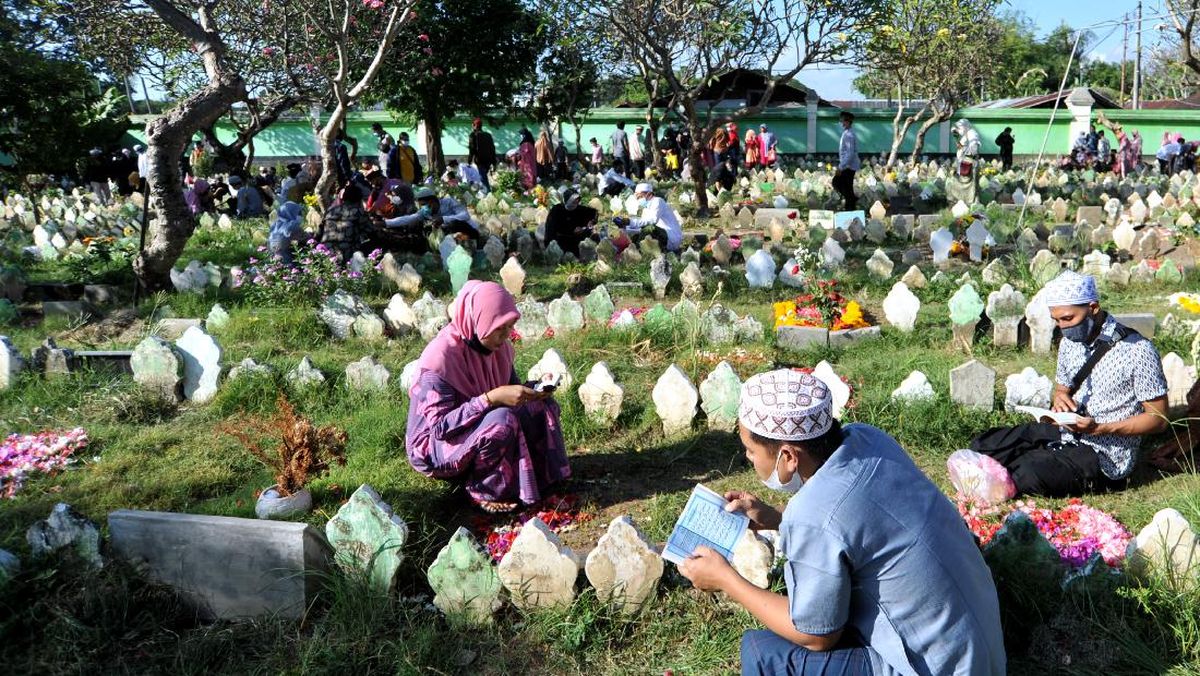
At its core, ziarah kubur is the act of visiting the graves of the deceased. It is not merely a perfunctory visit but a practice imbued with spiritual purpose. Muslims undertake this pilgrimage to offer prayers and supplications for the departed, reciting verses from the Quran, such as Surah Al-Fatihah, and other beneficial supplications (dua). The primary aim is to seek divine mercy and forgiveness for those who have transitioned from this world, hoping that these prayers will bring solace and reward to them in the hereafter.
The tradition is particularly poignant for individuals who have relocated for work or education. Eid al-Fitr often represents the sole opportunity for them to return to their ancestral homes and reconnect with their roots. During this precious time, paying respects at the graves of parents, siblings, grandparents, and other relatives becomes a deeply emotional and meaningful ritual, bridging the gap between the living and the departed. It serves as a tangible expression of enduring love, respect, and a reminder of the ephemeral nature of life.
The Islamic Ruling on Ziarah Kubur During Eid al-Fitr: Permissibility and Encouragement
Islamic jurisprudence (fiqh) generally regards ziarah kubur as a recommended (mustahabb) act. The Prophet Muhammad (peace be upon him) himself encouraged the practice, stating, "I used to forbid you from visiting graves, but now you may visit them, for visiting them makes one remember the Hereafter and makes one more aware of worldly life." This hadith, recorded in Sahih Muslim, underscores the fundamental spiritual benefit of ziarah kubur: fostering introspection about mortality and the ultimate destination of life.
Crucially, Islamic scholars have consistently maintained that ziarah kubur is not time-bound. It is a permissible and beneficial act that can be performed at any point in the year, including during the festive periods of Eid al-Fitr and Eid al-Adha. There is no religious prohibition against visiting graves on these days. In fact, some scholars consider it particularly meritorious during these times.
The esteemed Kuwaiti encyclopaedia of Islamic jurisprudence, Al-Mausu’atul Fiqhiyah Al-Kuwaitiyah, elaborates on this, stating: "It is recommended to visit graves on the days of Eid, to greet the inhabitants of the graves, and to pray for them, based on the hadith: ‘I used to forbid you from visiting graves, then I permitted you to visit them.’ In another narration, ‘It reminds of the Hereafter.’" This authoritative source explicitly confirms the recommendation of ziarah kubur on Eid al-Fitr, provided it is undertaken with the correct intentions.
Therefore, the widespread practice in Indonesia of performing ziarah kubur during Eid al-Fitr aligns with the permissibility and, in many interpretations, the recommended nature of the act. It is not an innovation (bid’ah) or an act contrary to Islamic principles, but rather a culturally integrated spiritual practice that reinforces Islamic values.
The Profound Spiritual and Social Dimensions of Ziarah Kubur
The act of visiting the deceased offers a multitude of spiritual and psychological benefits for the living, serving as a powerful catalyst for personal growth and spiritual rejuvenation.
1. A Potent Reminder of Mortality and the Hereafter
Perhaps the most significant benefit of ziarah kubur is its ability to serve as a profound reminder of the transient nature of worldly existence. Standing before the graves, one is confronted with the stark reality that life on Earth is finite. This realization serves as a powerful impetus to re-evaluate priorities, to shed excessive attachment to material possessions, and to dedicate more time and effort towards acts of worship and good deeds. It encourages individuals to live each day with greater mindfulness, knowing that their time is limited and that they must prepare for the eternal life that awaits. This heightened awareness of the hereafter can lead to a more purposeful and spiritually grounded existence.
2. Offering Prayers and Seeking Mercy for the Departed
Ziarah kubur provides a direct avenue to supplicate for the souls of those who have passed. The prayers and Quranic recitations offered at the graves are believed to be a source of immense benefit for the deceased in their spiritual journey. Muslims believe that these acts of devotion can alleviate their burdens in the grave and elevate their status in paradise. This act of remembrance fosters a sense of continuity and connection, demonstrating that the bond of love and remembrance transcends physical separation. It is a testament to the Islamic concept of a living community of believers, where the prayers of the living can positively impact the departed.
3. Cultivating Spiritual Awareness and Reflection
The serene and solemn atmosphere of a graveyard often prompts deep introspection and contemplation. Away from the distractions of daily life, individuals can engage in sincere reflection on the meaning of life, their own actions, and their relationship with the Creator. This heightened spiritual awareness can lead to a renewed sense of devotion, a desire to improve one’s character, and a stronger connection to Allah (SWT). The experience can foster humility, gratitude for life’s blessings, and a deeper appreciation for the guidance of faith.
4. Strengthening Family Bonds and Preserving Heritage
Ziarah kubur is frequently undertaken as a collective family activity. Gathering at the graves of ancestors provides an opportunity for intergenerational connection, where older family members can share stories and memories of the deceased with younger generations. This shared experience strengthens familial ties, reinforces a sense of shared history and identity, and ensures that the legacy and values of those who came before are passed down. It becomes a ritual that binds families together, not just in the present but also through their shared past and aspirations for the future.
5. Moderating Worldly Desires and Fostering Contentment
By observing the final resting places of individuals who once walked the Earth, one gains a clearer perspective on the ultimate futility of excessive pursuit of worldly desires. The knowledge that all will eventually return to Allah (SWT) encourages a more balanced approach to life, discouraging excessive materialism and promoting contentment with what one has. This detachment from the ephemeral allure of the world can lead to greater inner peace and a focus on enduring spiritual values.
6. Expressing Gratitude and Recognizing Life’s Blessings
The contemplation of life and death naturally leads to a deeper appreciation for the gift of life itself. Visiting the graves can evoke a profound sense of gratitude for the health, opportunities, and blessings that one currently enjoys. This recognition of life as a precious gift from the Divine encourages individuals to utilize their time wisely and to live a life that is pleasing to their Creator.
Historical and Cultural Context: Ziarah Kubur in Indonesia
The tradition of ziarah kubur in Indonesia is deeply interwoven with the country’s history and cultural fabric. Islam arrived in the archipelago through trade and scholarly exchange, and its integration was often influenced by existing local customs. In many regions, pre-Islamic practices of ancestor veneration were subtly transformed and infused with Islamic teachings, leading to unique cultural expressions of faith.
The practice of ziarah kubur gained prominence with the spread of Sufism, the mystical dimension of Islam, which emphasizes personal connection with the Divine and remembrance of death. Sufi scholars and saints often encouraged visits to the graves of righteous individuals as a means of spiritual inspiration and seeking blessings. Over centuries, this practice evolved to encompass visits to the graves of family members, becoming an integral part of communal and familial life.
During the colonial era and in the subsequent periods of nation-building, ziarah kubur remained a significant cultural practice, often serving as a way for communities to maintain their identity and social cohesion. The tradition has persisted through various socio-political changes, underscoring its deep-seated importance in the Indonesian Muslim psyche.
Navigating the Nuances: Ethical Considerations and Best Practices
While ziarah kubur is encouraged, it is essential to perform it in accordance with Islamic guidelines to ensure its spiritual efficacy and avoid any practices that might be considered polytheistic or disrespectful.
- Intention (Niyyah): The primary intention should always be to seek Allah’s mercy for the deceased and to remind oneself of the hereafter. Any intention of seeking intercession from the deceased themselves, or attributing divine powers to them, is contrary to the monotheistic principles of Islam.
- Supplication and Remembrance: Focus on reciting Quranic verses, offering prayers (dua), and reflecting on life. Avoid excessive wailing or engaging in practices that are not sanctioned by Islamic tradition.
- Respect for the Deceased and the Environment: Maintain a respectful demeanor at the graveyard. Avoid walking on graves, sitting on them, or causing any disturbance to other visitors or the sanctity of the burial ground.
- Avoiding Extravagance: While the tradition is significant, it should not lead to extravagance or financial burden. The focus should remain on the spiritual aspect rather than material displays.
Broader Implications and Conclusion
The tradition of ziarah kubur during Eid al-Fitr in Indonesia, therefore, represents a beautiful synthesis of religious devotion and cultural heritage. It is a practice that, when undertaken with the correct intentions and adherence to Islamic principles, offers profound spiritual benefits. It serves as a constant reminder of life’s impermanence, strengthens familial bonds, and fosters a deeper connection with the Divine.
As Muslims worldwide continue to observe this tradition, its significance extends beyond individual spiritual growth. It reinforces the collective identity of the Muslim community, emphasizing the interconnectedness of generations and the enduring power of love, remembrance, and prayer. In an increasingly fast-paced and materialistic world, the quiet moments spent at the graves of loved ones during Eid al-Fitr offer a vital opportunity for introspection, spiritual recalibration, and a renewed commitment to a life guided by faith and compassion. The tradition, therefore, is not merely a ritual but a living embodiment of Islamic values, continuously enriching the spiritual landscape of its adherents.