Lusiana Hamidun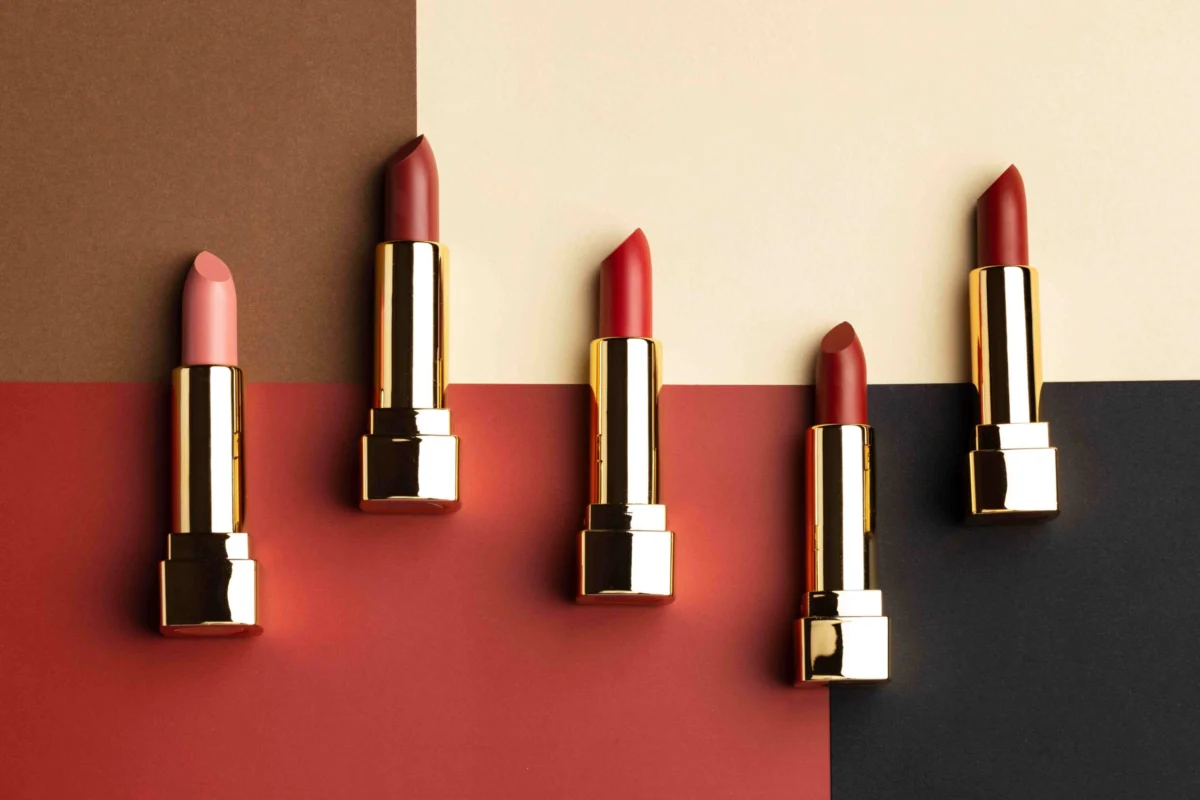
Dark lips, often characterized by higher melanin pigmentation, can be influenced by a variety of factors including genetics, lifestyle choices, and sun exposure. For many, understanding how to select and apply lipstick effectively can significantly enhance their overall appearance. This comprehensive guide delves into the nuances of choosing the right lipsticks for darker lip tones, exploring the best formulas, shades, and application techniques to achieve a flawless and vibrant look.
Understanding the Science Behind Dark Lips
The natural color of lips varies significantly among individuals due to differences in melanin production. Melanin, the pigment responsible for skin and hair color, also plays a crucial role in lip pigmentation. Higher concentrations of melanin can result in darker lip tones, a characteristic that is entirely natural and beautiful. However, external factors can exacerbate or alter lip color over time. Lifestyle habits such as smoking, excessive caffeine or alcohol consumption, and even certain medications can contribute to lip darkening. Furthermore, prolonged exposure to the sun without adequate protection can stimulate melanin production in the lips, leading to a more pronounced dark hue. Genetic predisposition also plays a significant role, with some individuals naturally having darker lips from birth. Understanding these underlying causes is the first step in embracing and enhancing darker lip tones.
Optimal Lipstick Types and Formulas for Dark Lips
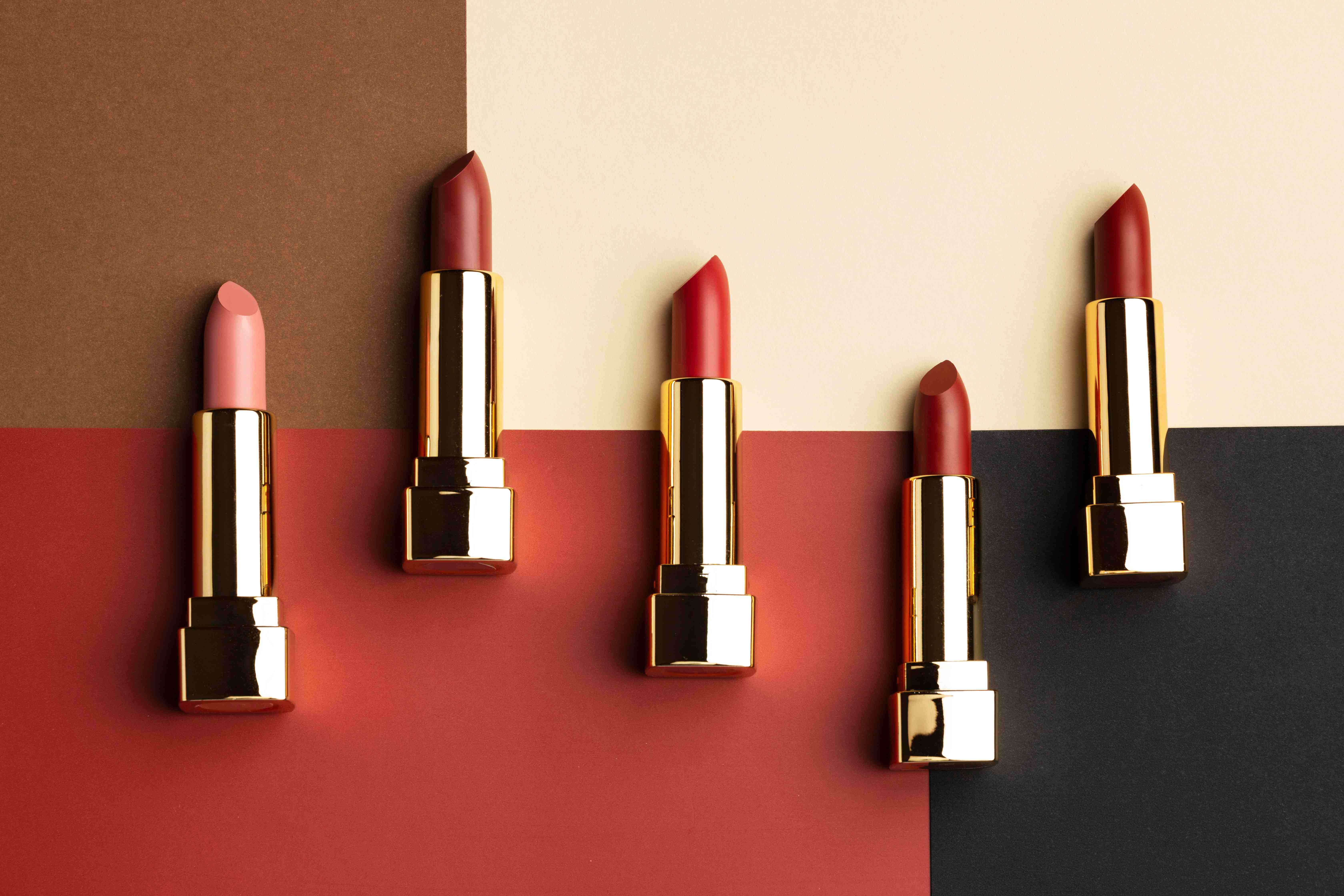
The key to achieving a flattering lipstick look on dark lips lies in selecting products with high pigmentation and appropriate finishes. Formulas that offer excellent coverage are paramount to effectively neutralizing the natural lip color and allowing the chosen shade to appear true to its intended hue.
Recommended Lipstick Formulations
For individuals with darker lip tones, certain lipstick formulations tend to perform exceptionally well:
-
High-Pigment Matte Lipsticks: Matte lipsticks are often favored for their ability to provide full coverage and a long-lasting finish. Their opaque nature effectively conceals the natural dark pigment of the lips, allowing the lipstick’s color to stand out vibrantly. The lack of sheen also prevents the lipstick from looking streaky or uneven on darker lips.
-
Creamy Lipsticks with Rich Pigmentation: Creamy formulas, when highly pigmented, can also be excellent choices. They offer a more comfortable wear and can provide substantial coverage. The emollient nature of creamy lipsticks can also help to keep the lips moisturized, which is particularly beneficial for darker lips that might be prone to dryness.
-
Lip Creams and Liquid Lipsticks: These modern formulations often boast intense color payoff and a long-wearing formula. Many liquid lipsticks, particularly those with a matte or satin finish, are designed for high coverage and can be incredibly effective in transforming the appearance of darker lips.
Beneficial Lipstick Ingredients
Beyond the finish, the ingredients within a lipstick can significantly impact lip health and appearance. For those with dark lips, incorporating lipsticks with moisturizing properties is crucial. Ingredients such as:
- Vitamin E: A powerful antioxidant that helps to protect the lips from environmental damage and keeps them hydrated.
- Shea Butter: A rich emollient that provides deep moisture and a smooth application, preventing the lips from drying out.
- Natural Oils (e.g., Jojoba Oil, Coconut Oil): These oils mimic the skin’s natural sebum, offering superior hydration and a nourishing feel.
These ingredients not only ensure a comfortable wear but also contribute to the long-term health of the lips, preventing further darkening that can sometimes be exacerbated by dryness and chapping.
Strategic Lipstick Selection for Dark Lips
Choosing the right lipstick shade is a nuanced process, especially when aiming to complement darker lip tones. The goal is often to enhance, not mask, the natural beauty of the lips.
Embracing Bold and Deep Hues
For those who wish to effectively neutralize or complement their natural lip color, opting for bold and deep shades is a highly recommended strategy. These colors, due to their inherent intensity, are more likely to overpower the existing pigment of darker lips, allowing the lipstick’s true shade to shine through.
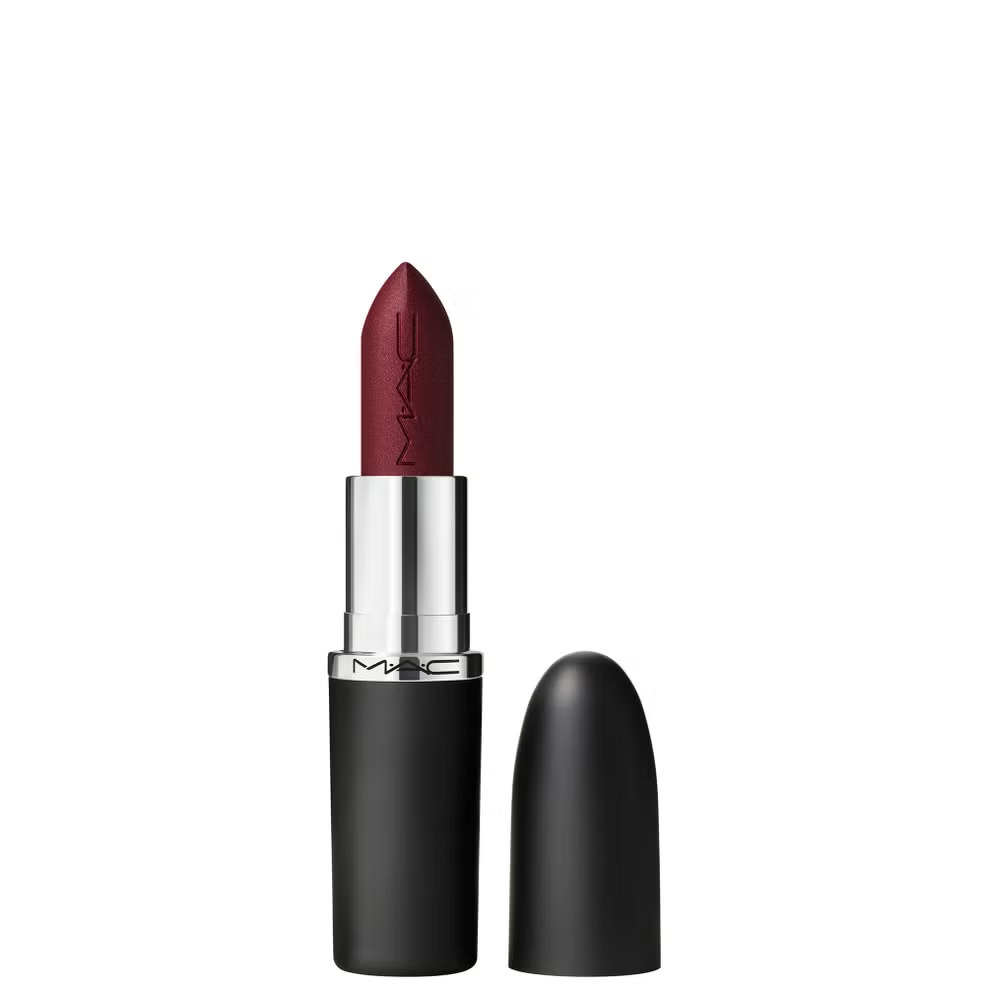
- Muted Berry Tones: Shades like deep berry, plum, and wine reds offer a sophisticated and rich appearance. These colors possess a depth that harmonizes beautifully with darker lip undertones, creating a seamless and elegant look.
- Rich Reds: Classic true reds, as well as deeper variations like deep crimson and blood red, are universally flattering. On darker lips, these reds can appear incredibly vibrant and striking, adding a bold statement to any makeup look.
- Chocolate and Deep Brown Tones: These earthy shades provide a natural yet impactful enhancement for dark lips. Deep browns can offer a chic and sophisticated alternative to traditional reds, exuding warmth and elegance.
The Nuance of Nude Shades
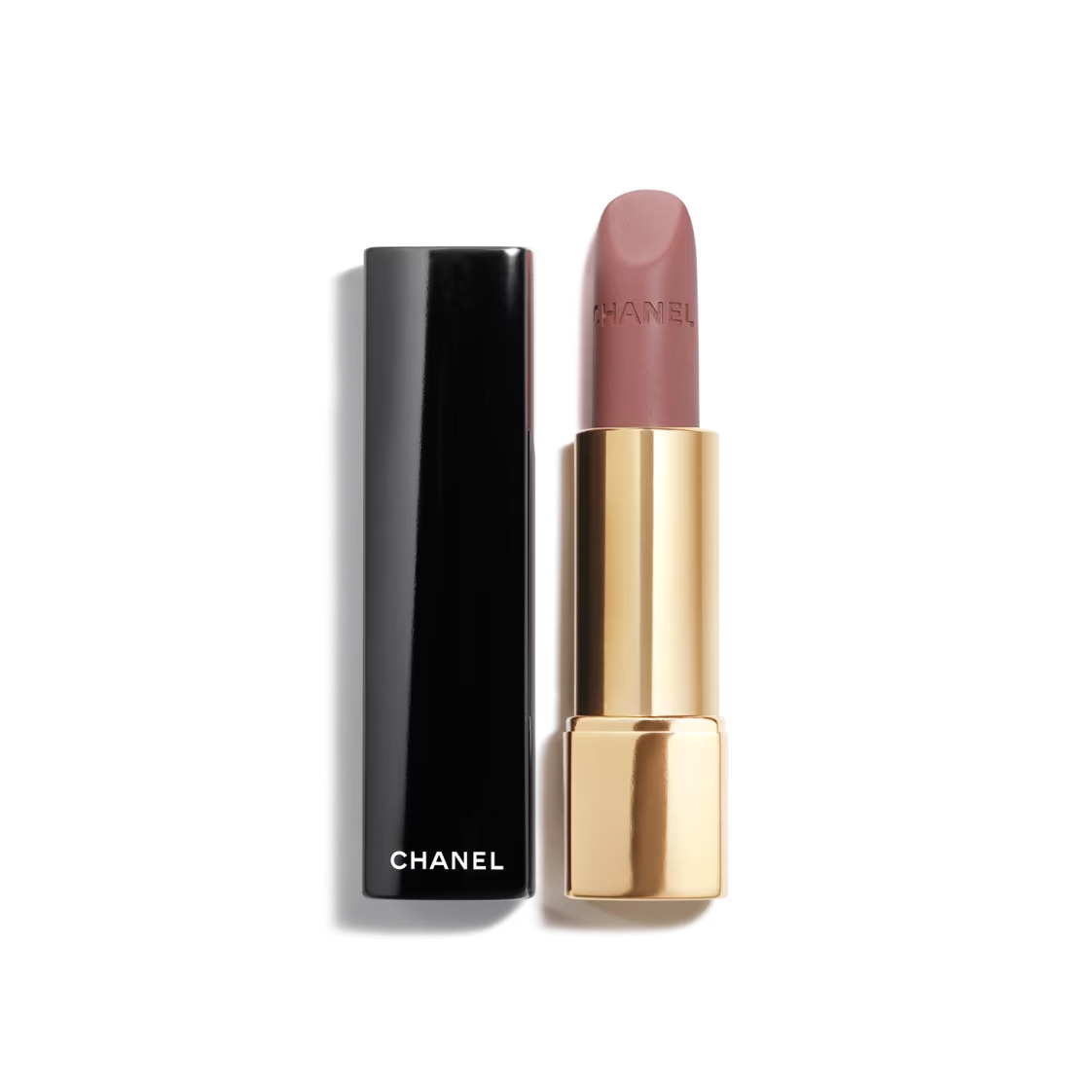
While often perceived as universally easy to wear, nude lipsticks require careful consideration for darker lip tones. The key lies in selecting nudes with warm undertones to avoid an ashy or washed-out appearance.
- Warm-Toned Nudes: Look for nude shades that lean towards caramel, peachy-brown, or terracotta. These warm undertones will create a harmonious blend with the natural lip color, resulting in a subtle yet noticeable enhancement. Examples include deep nude browns and warm peach tones.
- Avoiding Cool-Toned Nudes: Nudes with cool or pink undertones can sometimes make darker lips appear grayish or unnaturally pale. It is generally advisable to steer clear of these shades unless they are specifically formulated to counteract darker pigmentation or are used as part of a layering technique.
The Power of High-Coverage Formulas
Regardless of the chosen shade, the formula’s ability to provide high coverage is paramount.
- Pigmented Lip Creams and Mattes: As previously mentioned, lip creams and matte lipsticks are ideal for their opaque nature. They effectively cover the natural lip color in a single application, ensuring the chosen shade is delivered with full intensity.
- Full-Coverage Liquid Lipsticks: Many liquid lipsticks are formulated for maximum pigment payoff and longevity. These are excellent choices for achieving a bold and flawless finish on darker lips.
Harmonizing with Skin Undertone
The interplay between lipstick shade and skin undertone is a critical aspect of makeup application. Understanding one’s skin undertone—whether warm, cool, or neutral—can guide the selection of lipsticks that will look most harmonious and flattering.
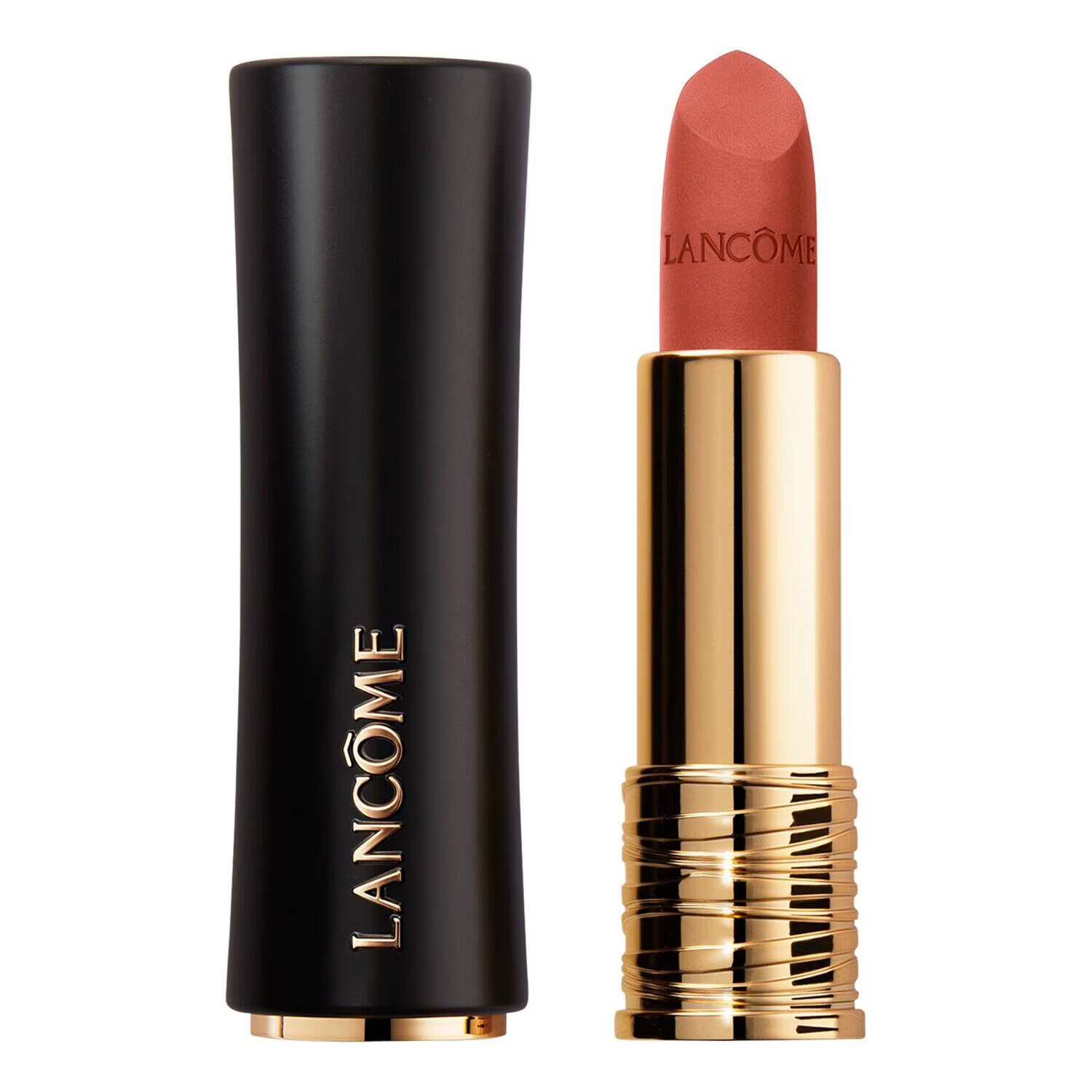
- Warm Undertones: Individuals with warm undertones, often found in olive or darker skin tones, tend to look best in warm-toned lipsticks. Shades like terracotta, warm browns, peachy nudes, and deep reds with orange or brown undertones can create a radiant and cohesive look.
- Cool Undertones: For those with cool undertones, berry shades, true reds with blue undertones, and deeper pinks can be particularly flattering.
- Neutral Undertones: Individuals with neutral undertones generally have a wider range of shades that suit them, often able to wear both warm and cool-toned lipsticks with ease.
The goal is to select lipsticks that enhance the natural warmth or coolness of the skin, creating a balanced and aesthetically pleasing makeup application.
Mastering Lipstick Application Techniques for Dark Lips
Achieving a perfect lipstick application on darker lips often requires a few preparatory steps and strategic techniques to ensure the color is vibrant, even, and long-lasting.
1. Prepping the Lips: The Foundation of a Flawless Finish
Just as with the face, preparing the lips is a crucial step for optimal lipstick application.
- Exfoliation: Regular lip exfoliation, ideally two to three times a week, can significantly improve the texture and appearance of the lips. A simple DIY scrub made from honey and sugar can gently remove dead skin cells, revealing smoother, brighter lips. This process not only enhances the lipstick’s finish but can also contribute to a naturally lighter lip tone over time.
- Hydration: Following exfoliation, it is essential to hydrate the lips. Applying a nourishing lip balm, especially one containing ingredients like shea butter or natural oils, will ensure the lips are supple and moisturized. This prevents the lipstick from looking dry or cracking, ensuring a comfortable and polished look. Lip balms with SPF are also recommended for daily use to protect against sun damage that can contribute to lip darkening.
2. The Lip Neutralizing Technique: Creating a Blank Canvas
To ensure that any lipstick shade appears true to its color and has maximum impact, neutralizing the natural lip color is often a beneficial step.
- Concealer or Foundation Application: A thin layer of concealer or foundation, matched to your skin tone, can be applied to the entire lip area. This creates a neutral base, effectively masking the natural dark pigment and allowing the lipstick’s color to be fully expressed.
- Lip Liner for Definition: A nude or shade-matching lip liner can be used to define the lip shape and further conceal any darker pigmentation around the lip edges. This step ensures a clean and precise application of the lipstick.
- Color Corrector for Extreme Darkness: For individuals with very dark lips, an orange-toned color corrector can be applied sparingly before the concealer or foundation. Orange is the opposite of blue on the color wheel and can effectively neutralize blue or purple undertones often present in very dark lips, creating a more neutral base for the lipstick.
3. Strategic Color and Texture Choices
The selection of color and texture plays a vital role in how lipstick performs on darker lips.
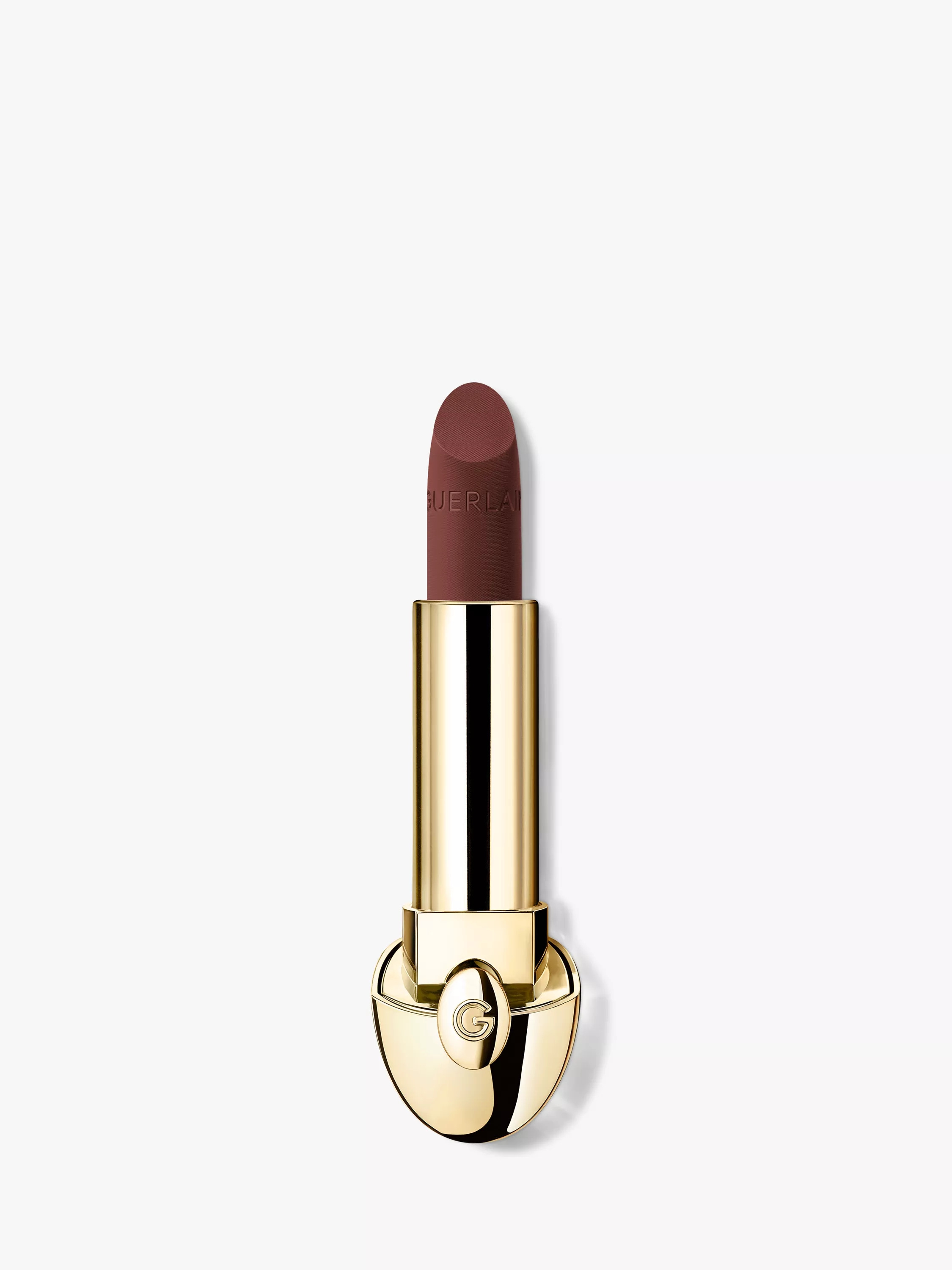
- Intense and Opaque Colors: As previously emphasized, choosing lipsticks with intense pigmentation is key. Deep browns, berry shades, rich maroons, and classic reds are excellent choices as they effectively cover natural lip pigmentation.
- The Ombré Technique: For a softer, more natural look, the ombré technique can be employed. This involves applying a lighter nude shade to the outer edges of the lips and a darker, more intense shade to the inner part of the lips. Blending the two shades together creates a subtle gradient effect that can be both flattering and sophisticated.
4. The Power of Layering: Enhancing Color Intensity
Applying lipstick in multiple thin layers can significantly enhance its vibrancy and longevity.
- Matte Lipstick Application: For matte lipsticks, allow the first layer to dry completely before applying a second coat. This ensures an even and opaque finish.
- Post-Neutralization Application: If you have utilized the neutralizing technique with concealer or foundation, a single, well-applied layer of lipstick may suffice. However, a second light application can further boost color intensity if desired.
5. The Precision of a Lip Brush
While direct application from the bullet is convenient, using a lip brush can elevate the precision and evenness of lipstick application.
- Controlled Application: A lip brush allows for more controlled application, ensuring the color is distributed evenly across the lips and reaches all the contours. This is particularly beneficial for achieving sharp lines and a polished finish, especially with darker or bolder shades.
6. Long-Term Lip Care: Maintaining Healthy, Radiant Lips
Consistent lip care is essential for maintaining the health and appearance of darker lips.
- SPF Protection: Daily use of a lip balm containing SPF is crucial to prevent further darkening caused by UV radiation.
- Gentle Makeup Removal: Always use a dedicated lip makeup remover to thoroughly cleanse the lips after wearing lipstick. This ensures no pigment residue is left behind, which can contribute to long-term darkening. Gentle, oil-based removers are often effective in breaking down lipstick pigments without causing irritation.
Curated Lipstick Shades for Dark Lips
The following shades have been identified as particularly flattering and effective for individuals with darker lip tones, offering a range of options from subtle enhancement to bold statements.
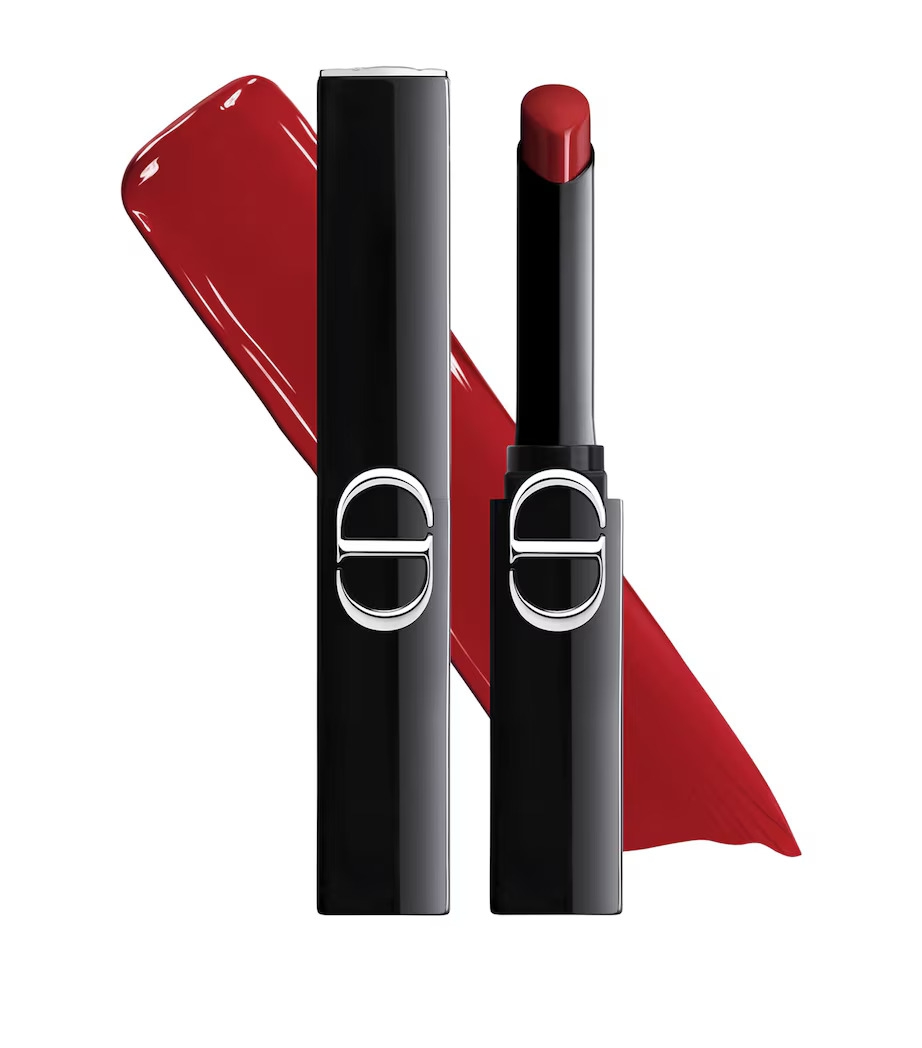
1. Mauve: The Harmonious Blend
Mauve, a sophisticated blend of pink, purple, gray, and brown, is a universally flattering shade. On darker lips, it offers a refreshed and vibrant appearance without being overpowering. Its nuanced tone creates a subtle yet noticeable lift, making it suitable for both everyday wear and more formal occasions.
2. Burgundy: Elegant Depth
Burgundy, a rich fusion of deep red and purple, lends an air of elegance and sophistication. Its deep hue effectively camouflages the natural darkness of the lips, allowing the lipstick’s color to dominate. This shade is perfect for creating bold makeup looks and adds a touch of glamour to any ensemble.
3. Terracotta: Earthy Sophistication
Terracotta, a warm, earthy tone that falls within the brown color family, is an excellent choice for darker lips. Its natural undertones harmonize beautifully with the lips’ existing pigmentation, creating a seamless and natural-looking finish. This shade offers subtle enhancement and a sophisticated warmth.
4. Nuances of Brown: Natural Radiance
A spectrum of brown shades, from dark chocolate to rich cocoa, provides a natural and chic option for darker lips. These tones are highly effective in masking natural pigmentation while offering a polished and understated elegance. They are versatile and can be dressed up or down depending on the occasion.
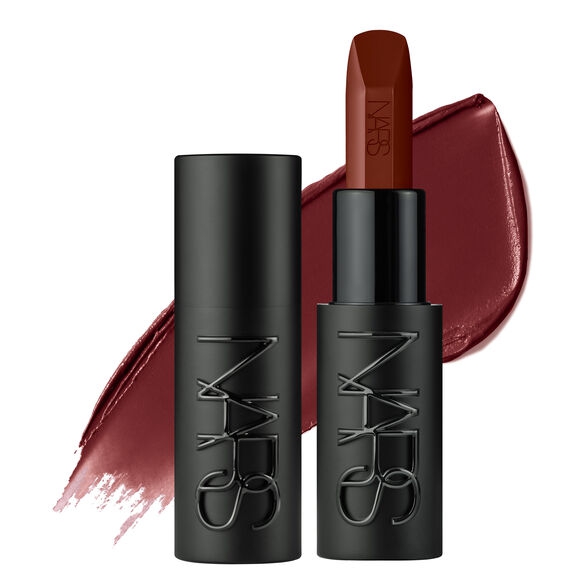
5. Classic Red: Timeless Boldness
Red is an iconic and universally flattering color that adds an instant touch of boldness and elegance. For darker lips, deep reds, maroon, and wine reds are particularly impactful. They exude confidence and sophistication, making them suitable for both formal events and making a strong personal statement.
6. Reddish-Brown: A Subtler Boldness
For those who find traditional red a bit too daring, reddish-brown shades offer a beautiful compromise. The dark pigment effectively conceals natural lip color, while the subtle red undertones prevent the shade from appearing too muted. This creates a captivating and alluring look that is both striking and wearable.
7. Nude: The Personalized Neutral
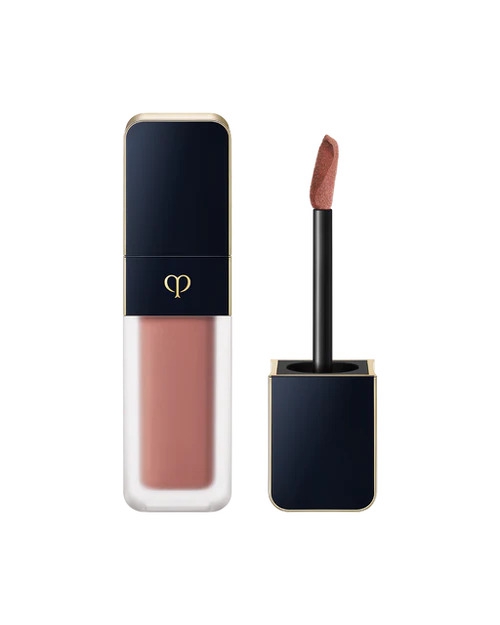
Even nude shades can be incredibly effective on darker lips, provided the right undertone is chosen. Warm, peachy-brown, or caramel nudes can offer a beautiful enhancement. If a nude shade appears too pale, it can be artfully combined with brighter colors using the ombré technique to achieve a more vibrant and personalized look.
8. Deep Pink: Elegant Warmth
Deep pink shades with a hint of brown are particularly well-suited for darker lips and warmer skin tones. These colors impart a beautiful, elegant warmth and can make the lips appear more vibrant and youthful. They offer a lovely balance between subtle enhancement and noticeable color.
By understanding the science behind darker lip tones, embracing the right formulas and shades, and mastering application techniques, individuals can confidently explore the vast world of lipstick and accentuate their natural beauty. The key lies in informed choices and a willingness to experiment to discover what works best for each unique individual.