Lina Irawan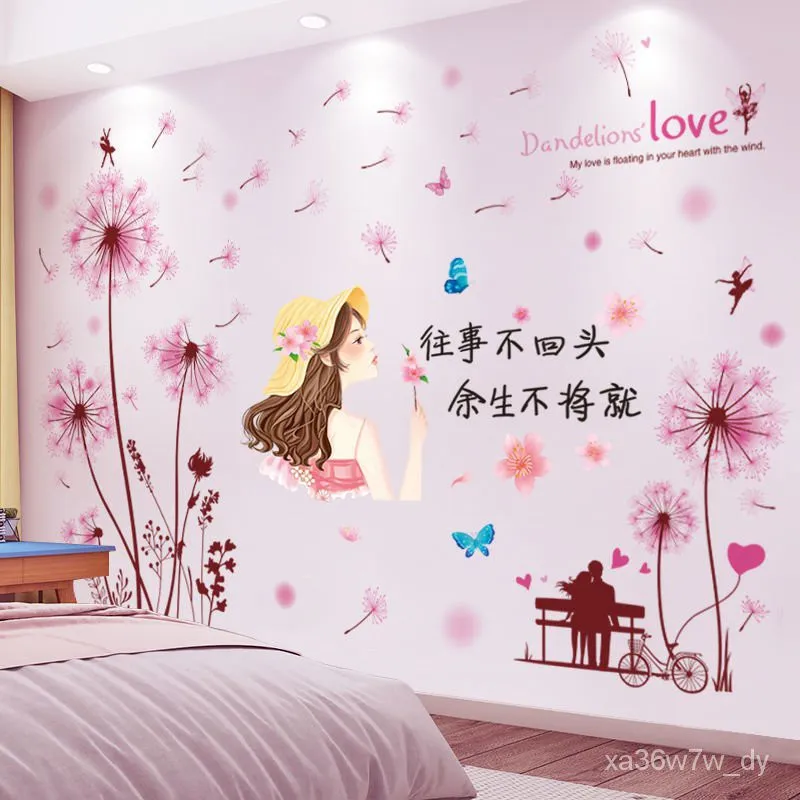
The selection of wallpaper for girls’ rooms in 2024 is increasingly focused on a harmonious blend of durable, waterproof vinyl materials with aesthetically pleasing, educationally stimulating, and feminine motifs. For optimal results and a sound long-term investment, it is imperative to choose wallpaper that is free from Volatile Organic Compounds (VOCs) to safeguard children’s respiratory health. Furthermore, applying a washable, durable coating is crucial, ensuring the walls can be effortlessly cleaned from crayon marks or liquid spills, a common occurrence in active children’s environments. This holistic approach to wall decor goes beyond mere aesthetics, aiming to create a nurturing space that supports a child’s health, development, and imagination.
The Psychological Canvas: Why Walls Matter in Child Development
Decorating a child’s room extends far beyond merely applying a wall covering to achieve a pretty look. The walls represent the largest visual canvas within a room, continuously stimulating a child’s visual senses from the moment they wake until they fall asleep. Consequently, the careful consideration of color, motif, and texture on these walls profoundly influences a child’s psychology, concentration levels, and quality of rest. Global child health associations consistently underscore the importance of crafting personal spaces that are simultaneously calming and imagination-provoking.
Research in developmental psychology and environmental design increasingly highlights the direct correlation between a child’s physical environment and their cognitive development. Walls in a child’s bedroom are particularly critical, occupying approximately 70% of the visual space. While bright and high-contrast colors can be excellent for stimulating playrooms, a bedroom requires visual cues that help a child’s brain transition into a restful state, lowering brainwave activity for sleep. According to a 2022 study published in the Journal of Environmental Psychology, environments with muted colors and natural patterns contribute to reduced stress and improved sleep quality in children aged 3-10.
Selecting the wrong wallpaper material can lead to issues such as dust accumulation, triggering allergies or asthma. A report by the World Health Organization (WHO) emphasizes indoor air quality, linking VOCs and mold to respiratory problems in children. Similarly, overly busy motifs without adequate visual breaks can hinder a child’s ability to concentrate, especially when engaging in learning activities at their study desk. Parents must therefore strike a delicate balance between aesthetic design, material safety, and physical durability, ensuring the chosen wallpaper supports rather than detracts from their child’s growth and well-being.
Evolving Trends in Children’s Decor: A Shift Towards Timeless Development
Based on contemporary residential interior design trends, parents are progressively moving away from specific cartoon character motifs that children quickly outgrow. Instead, the current preference leans towards timeless feminine themes—such as modern florals, geometric pastels, and abstract fairy tales—complemented by durable, long-lasting coatings. This shift reflects a desire for designs that possess longevity, adaptability, and educational value, aligning with a more sustainable and developmentally conscious approach to interior design.
1. Modern Floral: Elegance Meets Growth
The classic floral motif often risks making a room feel cluttered or outdated. However, 2024 design trends redefine floral patterns, presenting them in a more contemporary, oversized, or watercolor-inspired style. Large-scale flowers with soft, intricate details impart an elegant impression that can gracefully accompany a child from toddlerhood through their teenage years. Base colors such as white or cream, accented with blush pink, sage green, or mustard petals, infuse the room with a fresh, vibrant character. This motif is ideally suited for application on a single wall, serving as a striking accent wall, particularly behind the bed, to create a focal point without overwhelming the space. The psychological benefit of floral patterns lies in their connection to nature, promoting a sense of calm and well-being, as noted in a 2021 review on biophilic design in children’s spaces.
2. Geometric Pastels: Fostering Focus and Calm
For parents seeking a clean, tidy, yet engaging room aesthetic, geometric patterns rendered in soft pastel hues offer a logical and effective solution. Shapes such as gentle arches, irregular polka dots, or delicate chevron lines introduce visual structure that can subtly stimulate a child’s developing brain. Pastel shades like mint, lavender, or peach, characterized by their low saturation, effectively reflect natural light from windows without causing glare or visual discomfort. These muted tones are scientifically proven to evoke feelings of tranquility and focus, making them ideal for a child’s bedroom. Furthermore, geometric pastel motifs are highly versatile, integrating seamlessly with minimalist Scandinavian-style furniture, creating a cohesive and sophisticated design.

3. Interactive Fairy Tales: Nurturing Imagination
Every young girl possesses a rich, unique imagination. Modern fairy tale themes in interior design have evolved beyond literal depictions of princesses, embracing more abstract and exploratory concepts. Examples include enchanted forest motifs featuring delicate tree silhouettes, whimsical clouds and star constellations, or castles perched on hills rendered with a pencil sketch technique. Such designs actively encourage children to weave their own narratives and stories before bedtime, fostering creativity and cognitive development. It is advisable to opt for a matte finish for these wallpapers to ensure that the intricate details are not obscured by reflective glare from the room’s lighting, thereby enhancing the interactive and immersive quality of the design.
Prioritizing Health and Durability: A Material Deep Dive
When selecting wallpaper for a child’s room, aesthetic appeal should never overshadow health and durability. A child’s room is a zone of high physical activity, where sticky hands, art supplies, and everyday dust are constant challenges for wall surfaces.
1. The Imperative of Vinyl and Washable Coatings
Solid vinyl or paper-backed vinyl materials offer superior protection for children’s rooms. Their surface is coated with a thin layer of plastic that prevents liquids from seeping into the paper material beneath. This makes them incredibly practical; when a child marks the wall with a crayon, a simple wipe with a damp cloth and a mild soap solution is often sufficient to remove the stain. This durable coating also prevents colors from fading, even after repeated cleaning, saving parents from the recurring expense and effort of frequent wall renovations. The durability of vinyl, combined with its ease of maintenance, makes it a top choice for high-traffic areas like children’s bedrooms.
2. Understanding VOCs and Certifications (Greenguard Gold)
Volatile Organic Compounds (VOCs) are hazardous chemicals frequently emitted from adhesives, paints, and inks used in lower-quality wallpapers. These gases pose significant risks to a child’s developing lungs, potentially triggering asthma, allergies, and other respiratory issues. When purchasing wallpaper, actively seek out labels such as "VOC-Free," "Low-VOC," or, ideally, "Greenguard Gold" certification. Greenguard Gold certification is a rigorous standard that ensures products meet strict chemical emission limits, making them safe for use in sensitive environments such as childcare facilities and hospitals. This certification provides a crucial layer of assurance regarding indoor air quality, a factor increasingly prioritized by health organizations and parents alike. Other certifications like UL Environment and Cradle to Cradle also signify a commitment to healthier indoor environments.
3. The Pitfalls of Traditional Paper Wallpaper, Especially in Tropical Climates
Traditional pure paper-based wallpaper, lacking a protective coating, is highly susceptible to tearing and damage. More critically, this material readily absorbs atmospheric moisture. In tropical climates like Indonesia, damp paper wallpaper creates an ideal breeding ground for stubborn mold behind the walls. Mold growth not only compromises the structural integrity of the wallpaper but also releases harmful spores into the room’s air, often unnoticed, leading to chronic respiratory problems, allergies, and other health concerns for children. The use of paper wallpaper without adequate protective layers is therefore strongly discouraged in humid environments due to these significant health and durability risks.
Age-Appropriate Design: A Developmental Approach
The approach to wall decoration must evolve in tandem with a child’s growth and developmental stages. Maintaining a bunny-themed wallpaper when a child enters junior high is simply impractical. Here is a practical guide based on age ranges:
1. Toddlers (1-3 Years): Gentle Visual Stimulation
At this age, children begin to intensely recognize shapes and colors. It is essential to avoid overly complex motifs or dazzling neon colors that can overstimulate their developing eyes. Opt for simple, large-scale patterns with soft, contrasting colors. Think gentle animal silhouettes, large, abstract shapes in muted tones, or subtle, repetitive patterns like soft polka dots or stripes. These designs provide visual interest without overwhelming, aiding in early visual recognition and fostering a calm environment conducive to rest and quiet play.
2. Preschoolers (4-6 Years): Igniting Imaginative Play
This period is the golden age for role-playing and imagination. Themes that encourage storytelling, exploration, and learning are highly beneficial. Consider wallpapers depicting whimsical landscapes, gentle forest scenes with hidden creatures, or subtle celestial patterns. Incorporate elements that invite interaction, such as outlines that can be "colored in" with erasable markers (if the wallpaper is suitable), or designs that inspire narratives about characters and adventures. Integrating educational elements like a subtle alphabet or numbers within an imaginative design can also be effective without being overtly didactic.

3. Elementary Schoolers (7-12 Years): Reflecting Budding Personalities
Children in elementary school often develop strong opinions and preferences regarding colors and hobbies. While avoiding fleeting cartoon trends for permanent fixtures, their evolving interests can be subtly incorporated. More sophisticated floral patterns, geometric designs with a bolder color palette (still within a calming range), or abstract art-inspired motifs can resonate well. This age group appreciates a sense of ownership and personalization; an accent wall reflecting a specific interest (e.g., space, nature, art) can be combined with neutral painted walls, allowing for easier updates as tastes change.
4. Teenagers (13+ Years): Crafting a Personal Sanctuary
Teenagers require a space that feels like a personal sanctuary or a private studio. Designs should reflect a more mature aesthetic, moving towards abstract patterns, sophisticated textures, or monochromatic schemes with subtle metallic accents. Geometric patterns with a contemporary edge, elegant damasks, or even plain textured wallpapers in their preferred color palette can create a stylish backdrop. The focus shifts to creating a calm, inspiring, and private retreat that supports their evolving identity and provides a conducive environment for study and relaxation.
Mastering Installation: A Decade of Durability
The installation process is frequently the weakest link in the longevity of any wall design. Even the most expensive wallpaper will peel within months if the underlying wall is not properly prepared. Professional installation, coupled with meticulous preparation, is key to achieving the promised 7-10 years of durability.
1. Pre-Installation Wall Assessment and Moisture Remediation
This is the most crucial preliminary step. Before purchasing any wallpaper, thoroughly inspect the wall surface. Look for peeling paint, mold stains, or watermarks. A wall with moisture intrusion will cause wallpaper adhesive to dissolve from within, leading to bubbling and peeling. If there are any indications of leaks or dampness, the source must be identified and repaired immediately. Following repair, apply a high-quality waterproofing paint as a foundational defensive layer to prevent future moisture issues. A moisture meter can provide accurate readings to confirm the wall is dry enough for wallpaper application.
2. Surface Preparation: The Foundation for a Flawless Finish
Wallpaper cannot conceal nail holes or hairline cracks on the wall. In fact, the paper’s texture will often accentuate these imperfections. Use a suitable wall filler or spackle to patch all holes and cracks. Once the filler is dry, sand the surface until it is perfectly smooth. This step is critical as any unevenness will be visible through the wallpaper. After sanding, meticulously clean the wall of all dust and debris using a damp cloth, allowing it to dry completely before proceeding.
3. The Role of Primers in Longevity
Applying a specialized wallpaper primer serves a dual purpose. Firstly, it seals the wall’s pores, preventing the adhesive from being excessively absorbed into the plaster or drywall. Secondly, the primer creates a strong, consistent bonding surface, enhancing the adhesion between the wall and the wallpaper. Skipping this step significantly compromises the wallpaper’s longevity. Different primers are available, such as acrylic-based for general use or oil-based for sealing stains, ensuring the best possible foundation.
4. Selecting Eco-Friendly Adhesives
Choose a water-based wallpaper adhesive specifically designed for wallpaper installation, which typically contains minimal chemical solvents and is often eco-friendly. It is imperative to follow the mixing instructions for consistency precisely. Adhesive that is too thin can weaken the paper fibers, while adhesive that is too thick can leave visible clumps beneath the wallpaper, affecting the final finish and durability. Look for adhesives with low-VOC ratings to maintain the healthy air quality of the child’s room.
5. Professional Techniques for Bubble-Free Application
To smooth out air bubbles, use a flexible plastic smoother or a wallpaper brush, not a sharp object that could damage the wallpaper. Apply even pressure, sweeping the smoother from the center of the wallpaper panel outwards (left, right, up, down) to push air bubbles towards the edges. Avoid pulling or stretching the wallpaper during this process, as this can distort the material, making it difficult to align patterns precisely between panels. For stubborn bubbles, a small pinprick can release trapped air, followed by gentle smoothing.
Sustaining Beauty: Maintenance Best Practices

A child’s room is never entirely free from mess. However, routine maintenance will ensure the wallpaper’s color and material integrity remain intact, maximizing its lifespan.
- Regular Dusting: Dust the wallpaper regularly using a soft, dry cloth or a vacuum cleaner with a brush attachment to prevent accumulation that can dull its appearance and potentially trigger allergies.
- Immediate Spot Cleaning: Address spills and marks immediately. Fresh stains are much easier to remove than dried-on ones.
- Gentle Cleaning Agents: For washable vinyl wallpaper, use a mild, non-abrasive soap diluted in warm water. Apply with a soft sponge or cloth, gently dabbing the stained area. Avoid harsh chemical cleaners, as they can damage the protective coating or fade the colors.
- Avoid Abrasive Tools: Never use scrubbing brushes, steel wool, or abrasive pads, as these will scratch and damage the wallpaper’s surface.
- Pat Dry: After cleaning, gently pat the area dry with a clean, soft cloth to prevent water spots or moisture buildup.
- Ventilation: Ensure good ventilation in the room, especially in humid climates, to prevent moisture from accumulating behind the wallpaper, which can lead to mold growth.
Beyond Full Coverage: Creative Wall Combinations
Applying wallpaper to all four walls of a room can sometimes feel overwhelming, particularly in smaller spaces. A more effective strategy often involves combining different wall covering materials to achieve balance and visual interest.
1. The Strategic Accent Wall
Designate one wall, ideally one with minimal interruptions (such as few windows or doors), as an accent wall. The area behind the bed’s headboard is a common and effective location. Apply a boldly patterned wallpaper to this single wall, creating a focal point. The remaining three walls can then be painted in a complementary solid color, drawing hues from the background palette of the wallpaper motif. This method creates depth, visual interest, and allows for the introduction of intricate patterns without making the room feel enclosed.
2. Two-Tone Paint and Wallpaper Combinations
Install a thin wooden molding, often referred to as a "chair rail," at a height of approximately 90 cm to 1 meter from the floor. Paint the lower section of the wall below the chair rail with a solid, slightly darker color (such as dusty pink or sage green) using an easy-clean or washable paint. The upper section can then be adorned with a lighter, more subtly patterned wallpaper. This "two-tone" approach not only balances the room’s aesthetic but also provides optimal protection in the lower wall area, which is more frequently touched and prone to wear and tear from children’s activities. This design has historical roots in wainscoting and provides both decorative and protective benefits.
3. Flexible Alternatives: Wall Decals for Dynamic Spaces
For those living in rental properties or simply wishing to add a small, flexible touch of motif, wall decals offer a clever solution. These stickers are typically made from transparent matte vinyl, allowing the underlying wall color to show through. You can paint the walls with a neutral base color and then apply decals featuring floral patterns, raindrops, or stars in a scattered arrangement. When the child outgrows or tires of the design, these stickers can be smoothly peeled off, often with the aid of a hairdryer, without damaging the underlying paint layer. This offers unparalleled flexibility and cost-effectiveness for temporary or evolving decor.
Illuminating Design: The Impact of Lighting on Wallpaper
A beautifully designed wall can lose much of its appeal under inappropriate lighting. The interaction between light and wallpaper texture is paramount in defining the ultimate ambiance of your child’s room.
Utilize light sources with a warm white color temperature (around 3000K) or natural white (4000K). Avoid cool daylight bulbs (6500K) with their bluish-white light, as this spectrum can make pastel wallpaper motifs appear dull, washed out, and create a cold, sterile atmosphere reminiscent of a hospital room. Warm and natural white light enhances the true colors of the wallpaper, making the room feel inviting and cozy.
If your chosen wallpaper incorporates subtle metallic accents (e.g., gold stars in a fairy tale theme), consider installing wall sconces with an up/down light angle. The reflected light on these metallic elements will create a luxurious and magical visual effect in the evening, adding depth and sparkle to the room. Strategic lighting can transform the wallpaper from a static background into a dynamic, engaging element of the room’s design.

Common Pitfalls and Expert Solutions in Children’s Room Decor
Many wall decoration projects end in regret due to insufficient planning. Avoiding these three classic mistakes can save time, money, and future frustrations:
1. The Transient Allure of Cartoon Characters
Animated film characters, while endearing, typically hold a child’s interest for a relatively short period, often only 6 to 12 months. Designing an entire wall with such a character means preparing for a costly redecoration within a year.
- Solution: Opt for timeless, fundamental motifs (floral, geometric, abstract pastel) for permanent wallpaper installations. Integrate a child’s current cartoon character interests through easily replaceable elements such as bedding, pillows, framed artwork, or area rugs. This allows for flexibility and cost-effective updates as their preferences change.
2. The Criticality of Motif Scale
Choosing an excessively large-scale motif for a small room (e.g., 2×3 meters) can make the space feel cramped, visually intimidating, and claustrophobic. Conversely, a motif that is too small on a large wall can appear insignificant, resembling "swarming ants" rather than a coherent pattern.
- Solution: Always purchase A4-sized wallpaper samples. Temporarily attach them to your child’s room walls. Step back, observe the pattern from various distances, and assess its impact over several days, under different lighting conditions. This allows for a realistic evaluation of the motif’s scale in relation to the room’s dimensions.
3. Accounting for Pattern Repeat and Batch Consistency
One of the most fatal calculation errors when buying patterned wallpaper is neglecting to consider the "pattern repeat." To perfectly align the motif from one strip of wallpaper to the next, you often need to shift and trim a portion of the paper, ensuring the pattern aligns seamlessly.
- Solution: Always purchase 1 or 2 extra rolls beyond your calculated wall area. These spare rolls are invaluable for future repairs, should a section become torn or damaged. Crucially, ensure that any additional rolls are from the same production batch (lot number) as the original purchase. Inconsistent batch numbers can result in subtle, yet noticeable, variations in ink color, leading to an uneven appearance on the wall.
Frequently Asked Questions (FAQ) About Children’s Room Wallpaper
Is 3D foam wallpaper safe for children?
From a physical impact perspective, 3D foam wallpaper is generally safe due to its soft, cushioned nature, which can prevent minor injuries. However, the material quality is paramount. Cheaper products often emit strong chemical odors, indicative of high VOC emissions. Always verify for "non-toxic" labels or, as a precautionary measure, air out the foam panels outdoors for several days before installing them in a child’s bedroom to dissipate any lingering chemical off-gassing. Additionally, consider fire safety ratings for foam products.
How long do wallpaper and adhesive typically last?
With meticulous wall preparation (proper priming and ensuring no dampness), standard-quality vinyl wallpaper can endure for 7 to 10 years, or even longer. In many cases, homeowners are more likely to replace the wallpaper due to a desire for a new look rather than material deterioration. Factors such as direct sunlight exposure, extreme humidity, and general wear and tear can influence longevity.
Can I apply new wallpaper directly over old wallpaper?
Interior design experts strongly advise against this practice. Layering wallpaper will inevitably result in an uneven finish, with the texture of the old wallpaper potentially "ghosting" through the new layer. Furthermore, the added weight of multiple layers can compromise the adhesion of the underlying wallpaper, leading to both layers peeling and collapsing simultaneously. The correct procedure is to always remove old wallpaper completely, thoroughly clean off any residual adhesive, smooth the wall surface, and then apply the new wallpaper.
My child’s room wall is adjacent to the bathroom and frequently develops mold. What’s the solution?
In such cases, applying regular wallpaper is not a viable solution. You must first address the root cause of the moisture. This involves stripping the paint down to the bare brick, repairing any plasterwork with a waterproofing cement mixture, applying a double coat of anti-leak