Chalifah Fatihah
Underwear might seem like a minor detail in our daily attire, a simple piece of fabric often overlooked. However, scientific and medical experts are increasingly emphasizing that the selection and use of underwear can significantly influence the health and well-being of our intimate areas. Far from being a trivial garment, underwear plays a crucial role in protection, moisture management, and maintaining the delicate balance of the skin and microbial environment in the genital region. Improper choices can pave the way for a range of discomforts and infections, including irritation, fungal infections, and unpleasant odors. This article delves into the multifaceted aspects of choosing and using underwear for optimal intimate health, drawing upon expert advice and scientific understanding.
The intimate area of the body is a complex ecosystem, characterized by sensitive skin and a specific microbiome. This delicate balance can be easily disrupted by external factors, and our choice of underwear is a primary influencer. Historically, underwear has evolved from simple loincloths to the diverse array of styles and materials available today. Early forms of underwear were primarily for modesty and protection from rough outer garments. However, with advancements in textile technology and a growing understanding of human physiology, the role of underwear has expanded to include health and hygiene considerations.
The Foundation of Intimate Health: Material Matters
The most critical factor in selecting healthy underwear is the material. Experts overwhelmingly recommend natural, breathable fabrics, with 100% cotton being the gold standard. Dr. Alyse Kelly Jones, a renowned gynecologist, emphasizes that the vulvar area is exceptionally sensitive and requires soft, non-irritating materials. Cotton excels in this regard due to its inherent properties:
- Breathability: Cotton allows for excellent air circulation. This is vital for preventing the buildup of heat and moisture, which are breeding grounds for bacteria and fungi. Studies have consistently shown that good ventilation in the genital area can significantly reduce the risk of common infections.
- Moisture Absorption: Cotton is highly absorbent, effectively wicking away natural bodily moisture. This helps to keep the skin dry and comfortable, further deterring microbial growth. Research published in the Journal of Clinical Microbiology has highlighted the correlation between prolonged moisture exposure and increased susceptibility to yeast infections and bacterial vaginosis.
- Hypoallergenic Properties: For individuals with sensitive skin or a history of allergies, cotton is generally well-tolerated. It is less likely to cause adverse reactions compared to synthetic materials.
In contrast, synthetic fabrics like nylon and spandex, while popular for their stretch and durability, can be detrimental to intimate health. These materials tend to trap heat and moisture, creating a warm, damp environment that promotes the proliferation of opportunistic microorganisms. A study in Obstetrics & Gynecology found that women who frequently wore synthetic underwear reported higher incidences of vulvovaginal candidiasis (yeast infections).
The Daily Ritual of Hygiene: More Than Just a Change
The frequency with which underwear is changed is another cornerstone of good intimate hygiene. While it might appear clean, underwear can harbor microscopic bacteria and residual bodily fluids. Health professionals universally advise changing underwear at least once a day. This practice is not merely about aesthetics but about actively removing potential pathogens.
The recommendation to change underwear extends beyond the daily minimum. If the underwear becomes damp or sweaty due to physical activity, prolonged sitting, or high ambient temperatures, it should be changed more frequently. This proactive approach is particularly important in warmer climates or for individuals with conditions that cause excessive perspiration. The cumulative effect of wearing damp underwear for extended periods can lead to chafing, irritation, and an increased risk of infection.
The Importance of "Breathing Room"
A significant, yet often overlooked, aspect of intimate health involves allowing the genital area to "breathe," particularly during sleep. Experts from institutions like the Cleveland Clinic advocate for going commando at night, especially for individuals prone to recurrent fungal infections or irritation. Sleeping without underwear allows for maximum air circulation, reduces moisture buildup, and gives the skin a chance to recover from the day’s confinement.
For those who find sleeping without underwear uncomfortable or impractical, wearing loose-fitting pajamas made of breathable fabrics like cotton can offer a compromise. The key is to avoid tight clothing that restricts airflow and traps heat and moisture. This period of rest for the intimate area can be restorative and contribute to a healthier microbial balance.
The Fit Factor: Comfort Meets Health
The fit of underwear plays a crucial role in preventing discomfort and potential health issues. Underwear that is too tight can cause excessive friction against the delicate skin of the vulva and groin. This friction can lead to redness, soreness, and irritation, creating an environment where infections can take hold. Furthermore, tight-fitting garments can constrict blood flow and exacerbate moisture buildup.
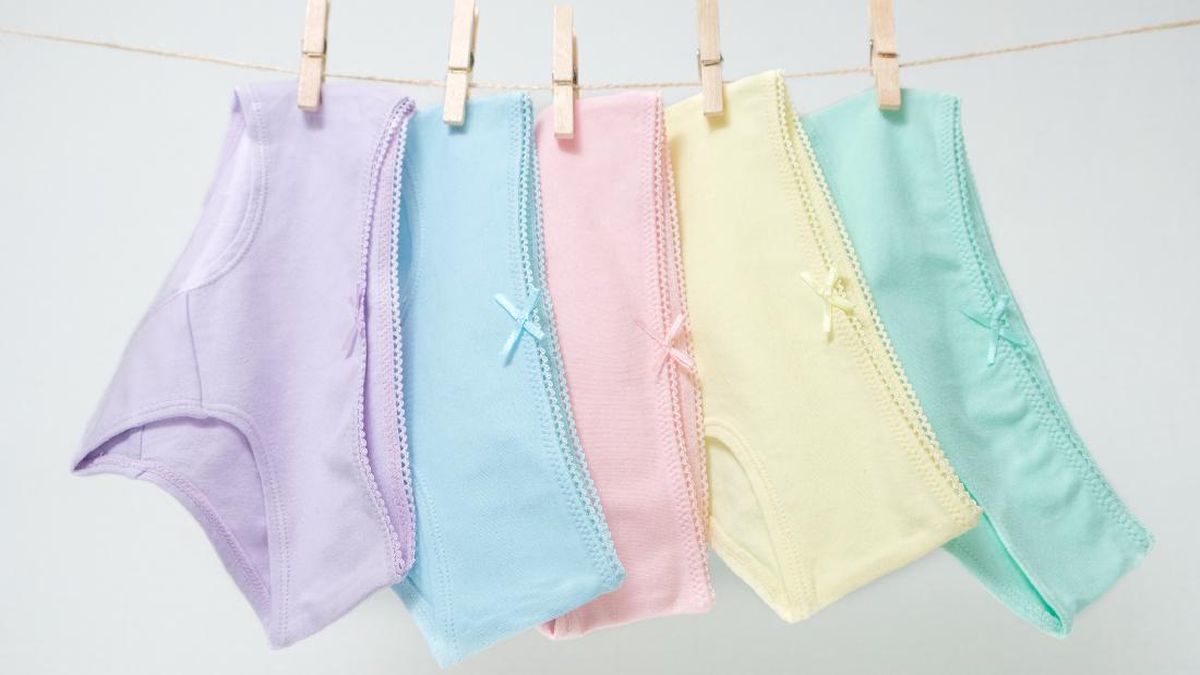
Opting for underwear that fits comfortably and allows for freedom of movement is paramount. It should neither be too tight nor excessively loose. A well-fitting garment provides adequate support without causing undue pressure or chafing. The waistband and leg openings should not dig into the skin.
Debunking Myths: The Thong and Intimate Health
The popularity of thong underwear has often been accompanied by concerns regarding its impact on intimate health. While some may associate thongs with an increased risk of infections, current scientific understanding suggests a more nuanced view. Several studies have indicated that thongs, when made of appropriate materials and worn correctly, do not necessarily increase the risk of fungal infections, bacterial vaginosis, or urinary tract infections.
However, the design of a thong, with its minimal coverage and the fabric’s proximity to both the vaginal and anal regions, can facilitate the transfer of bacteria. Therefore, the material of the thong is extremely important. Thongs made from breathable, moisture-wicking materials like cotton are less likely to pose a significant risk. For individuals who experience recurrent intimate health issues, medical professionals often advise opting for looser-fitting styles and prioritizing cotton. The key takeaway is that the material and hygiene practices associated with wearing thongs are more critical than the style itself.
The Washing Protocol: Beyond Cleanliness
The way underwear is washed also contributes to intimate health. It is recommended to wash underwear with mild, hypoallergenic detergents. Harsh chemicals, fragrances, and dyes found in some conventional detergents can irritate sensitive skin. Residue left behind from these products can trigger allergic reactions or exacerbate existing sensitivities in the genital area.
Choosing detergents that are specifically formulated for sensitive skin or opting for fragrance-free and dye-free options is a prudent choice. Additionally, it is advisable to wash new underwear before wearing it for the first time. This removes any residual manufacturing chemicals or residues from packaging and handling that might irritate the skin.
The Lifecycle of Underwear: When to Let Go
Even with diligent washing, underwear has a finite lifespan. Over time, fabrics can wear down, lose their elasticity, and become less effective at wicking moisture. Furthermore, even thorough washing may not completely eliminate all bacteria. Therefore, replacing underwear periodically is an essential part of maintaining intimate health.
Experts generally recommend replacing underwear every one to two years, or sooner if the garments show signs of wear and tear, such as thinning fabric, stretched elastic, or persistent discoloration. This regular replacement ensures that underwear continues to provide optimal comfort, hygiene, and protection.
Broader Implications and Expert Consensus
The cumulative impact of these seemingly small choices regarding underwear selection and use can have significant implications for an individual’s overall health and quality of life. Persistent intimate health issues can lead to discomfort, pain, and emotional distress, impacting daily activities and relationships.
The consensus among dermatologists, gynecologists, and public health professionals is clear: paying attention to underwear is an accessible and effective strategy for promoting intimate well-being. By embracing breathable fabrics, practicing good hygiene, ensuring a proper fit, and being mindful of washing practices, individuals can significantly reduce their risk of common intimate health problems.
The evolution of underwear from a simple garment to a health-conscious choice reflects a broader societal understanding of the importance of personal care and preventive health measures. As research continues to shed light on the intricate relationship between our clothing and our bodies, informed choices about something as basic as underwear can contribute to a healthier and more comfortable life. The message is simple yet profound: the unseen impact of your underwear choice is far greater than you might imagine.