Nila Kartika Wati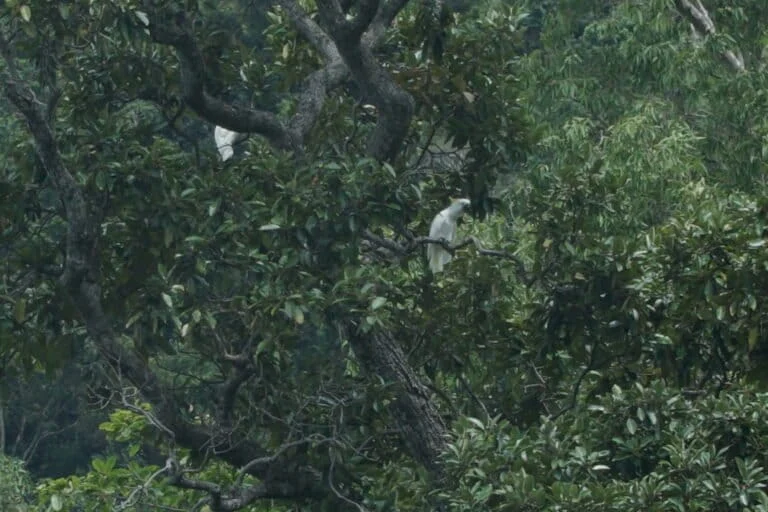
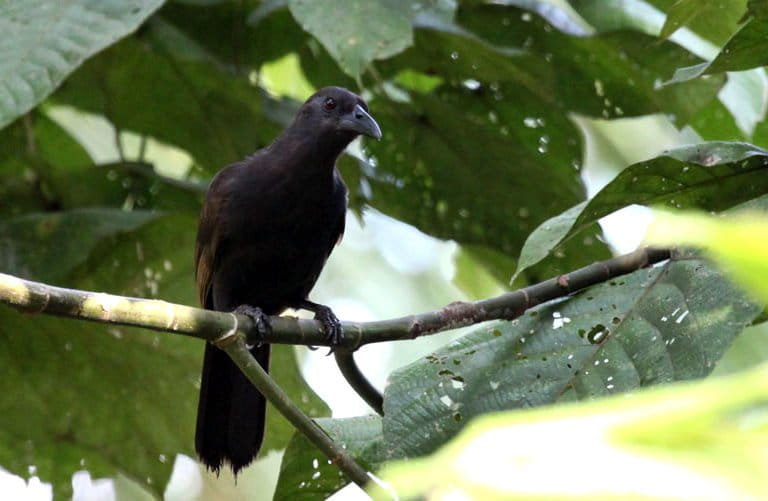
The island of Papua, often referred to as the "Earth of the Bird of Paradise," stands as one of the most critical ecological corridors in the Southern Hemisphere, serving as a vital sanctuary for both resident waterbirds and migratory species traversing the East Asian-Australasian Flyway. However, this biological stronghold is currently facing unprecedented pressure from massive infrastructure development and industrial expansion, leading to severe ecosystem fragmentation that threatens the very survival of its unique avian and mammalian populations. A comprehensive new study conducted by Burung Indonesia reveals a sobering reality: of the 641 bird species documented in Papua, 14 are now facing the imminent threat of global extinction due to a combination of illegal poaching, climate change, and radical landscape transformation.
The findings, presented by Burung Indonesia, the national partner of BirdLife International, highlight the urgent need for a shift in the region’s development paradigm. According to Adi Widyanto, Head of Conservation and Development at Burung Indonesia, the avian diversity of Papua is not merely a local treasure but a global asset. Of the 641 species identified, 252 are endemic to the island of Papua, 75 are endemic to Indonesia, and 94 are classified as restricted-range species. This high level of endemism means that the loss of these habitats in Papua would result in the total extinction of these species from the face of the earth.
The Science of Survival: Understanding the IBA Framework
To address these mounting threats, Burung Indonesia has utilized the Important Bird and Biodiversity Area (IBA) approach. The IBA program is a science-based initiative launched by BirdLife International to identify, monitor, and protect a global network of sites critical for the conservation of the world’s birds and other wildlife. The selection of birds as the primary indicators for these areas is rooted in strong ecological logic. Birds are highly sensitive to environmental changes, making them excellent natural indicators of ecosystem health. When an area is designated as an IBA, the protection measures implemented for birds inherently provide a "conservation umbrella" for other vulnerable taxa, including amphibians, reptiles, and rare mammals.

The IBA identification process relies on four rigorous, internationally recognized scientific criteria. First, the site must hold significant numbers of one or more globally threatened species. Second, it must be one of a set of sites that together hold a suite of restricted-range species or species confined to a specific biome. Third, the site must support exceptionally large numbers of congregatory species, such as those that gather in massive colonies for breeding or during migration. Finally, the site must represent a significant portion of a species’ global population—often at least 1%—at some point in its life cycle.
In the context of Papua, the application of these criteria has led to the identification of 59 specific IBA locations covering a staggering 10,545,269 hectares. This area represents approximately 25.58% of Papua’s total landmass, making it the region with the largest concentration and total area of IBAs in the Indonesian archipelago. The inclusion of these Papuan sites has significantly expanded Indonesia’s national IBA network, which has grown from 228 to 287 identified locations.
A Chronology of Conservation Efforts in Indonesia
The journey to map Indonesia’s vital biodiversity areas has spanned decades. The initial phase of IBA identification in the country took place between 1992 and 2002, focusing primarily on the islands of Java, Bali, Sumatra, Kalimantan, Nusa Tenggara, and Sulawesi. During this period, conservationists laid the groundwork for a systematic approach to protecting avian habitats amidst the rapid economic growth of the Suharto and early post-Reformasi eras.
However, the vast and rugged terrain of Papua remained a significant data gap for many years. It was not until the 2023–2024 period that Burung Indonesia launched an intensive effort to finalize the Papuan directory. This process involved exhaustive data collection, multi-stakeholder consultations, and rigorous international verification by BirdLife International. The result is a strategic roadmap that identifies five areas requiring immediate and "urgent priority" intervention: Waigeo Island, Misool Island, Biak Island, the Cycloop Mountains, and the Wandamen-Wondiboy range.
Beyond Birds: The Threat to Endemic Mammals
While the IBA framework is bird-centric, the study underscores that the crisis extends far beyond the avian world. Two of Papua’s most enigmatic mammals—the long-beaked echidna and the Wondiwoi tree kangaroo—are currently teetering on the brink of extinction. The Wondiwoi tree kangaroo, in particular, was long thought to be extinct until recent sightings renewed hope for its survival; yet, its habitat remains unprotected and vulnerable to encroachment.
The ecological dependency of these species on primary forest cover cannot be overstated. Unlike more resilient species, Papuan endemics often have specialized diets and nesting requirements that are easily disrupted by the smallest changes in forest structure. Adi Widyanto warns that if the current rate of habitat degradation continues, the integrity of the entire Papuan ecosystem could collapse. This "ecosystem collapse" refers to a state where the natural processes—such as seed dispersal by birds like the hornbill or the pollination of rare orchids—cease to function, leading to a sterile landscape incapable of supporting either wildlife or human communities.
Industrial Expansion and the Fragmented Landscape
The primary drivers of this ecological decline are rooted in the expansion of extractive industries. The report identifies forestry concessions, large-scale mining operations, and the conversion of primary forests into agricultural land as the leading causes of habitat fragmentation. Furthermore, the construction of massive road networks, while intended to boost regional connectivity, acts as a double-edged sword. Roads often slice through pristine habitats, creating barriers for terrestrial wildlife and providing easy access for illegal loggers and poachers.
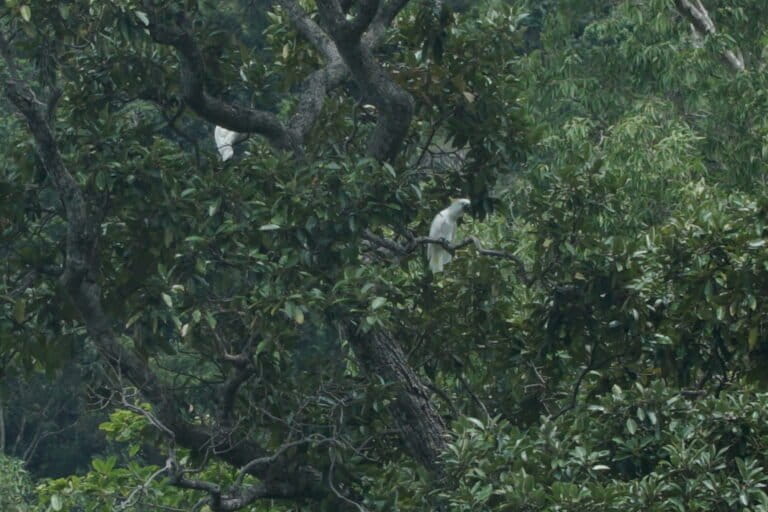
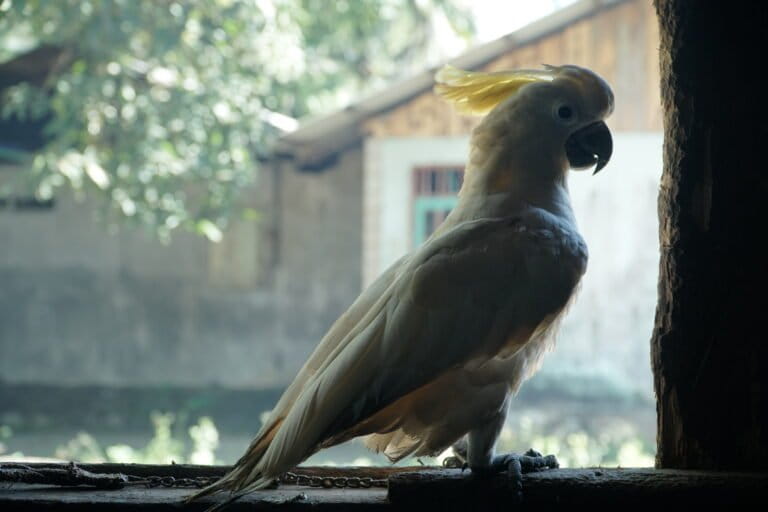
Poaching remains a persistent threat, particularly for high-value species like the White Cockatoo (Cacatua galerita). Despite legal protections, these birds are frequently targeted for the illegal domestic and international pet trade. In many Papuan forests, it is now common to find cockatoos captured and chained, destined for a life in a cage rather than in the canopy. The removal of these apex birds from the wild disrupts the social structures of avian colonies and reduces the genetic diversity of the population.
The Human Element: Nature as the "Kitchen" of Papua
The conservation of Papua’s biodiversity is not just a biological necessity but a humanitarian one. Desi Natalia Edowai, a lecturer and researcher at the University of Papua (Unipa), emphasizes that for the indigenous people of Papua, the forest is more than just a collection of trees; it is their "kitchen" and their spiritual sanctuary.
"Almost all Papuan communities rely on nature to meet their daily needs," Edowai explained. "The biodiversity of Papua is a source of energy, food, and medicine. Furthermore, many flora and fauna species hold deep cultural value within the social fabric of our lives."
Edowai expressed deep concern that massive government-led infrastructure projects are being planned without sufficient consideration for these ecological and social dependencies. She argues that the current development model risks reducing the vital ecological functions that sustain human life, such as clean water cycles and climate regulation. The researcher advocates for a "sustainable development system" that integrates social, economic, and ecological aspects, ensuring that local communities are central to the management of their natural resources.
Policy Implications and the Path Toward Sustainability
The identification of these 59 IBA sites in Papua serves as a critical "early warning system." Interestingly, the study found that 35 of these locations overlap with existing government-managed conservation areas, such as National Parks or Nature Reserves. While this overlap helps sharpen management priorities within protected zones, the remaining 24 locations sit entirely outside the official conservation network. These 24 sites are currently the most vulnerable, as they lack the legal safeguards necessary to prevent industrial conversion.
The findings of the IBA study are designed to align with the Master Plan for the Acceleration of Development in Papua (RIPPP) 2022–2041. This government mandate emphasizes the optimization of biodiversity conservation and the sustainable management of forest landscapes. By providing a clear scientific directory of high-value areas, Burung Indonesia hopes to influence local government spatial planning (RTRW).
The goal is to encourage a model of "conservation-based spatial planning." This would involve directing industrial activities away from IBA sites and toward degraded lands, while simultaneously empowering indigenous communities through social forestry schemes. By granting communities legal rights to manage their ancestral forests, the government can create a decentralized network of guardians who have a vested interest in keeping the ecosystem intact.
Analysis: The High Stakes of the Asia-Australia Flyway
From a broader perspective, the health of Papua’s ecosystems has international ramifications. As a vital stopover point on the Asia-Australia Flyway, the degradation of Papuan wetlands and forests could lead to a decline in bird populations as far away as Siberia and Alaska. Migratory birds depend on these "refueling stations" to survive their grueling trans-continental journeys. If these sites are lost to mining or agriculture, the chain of migration is broken, leading to population crashes in countries thousands of miles away.
The challenges facing Papua are a microcosm of the global biodiversity crisis. However, with the completion of the IBA directory, there is now a scientifically-backed blueprint for action. The success of this initiative will depend on the political will of the Indonesian government to enforce environmental regulations and the willingness of the private sector to adopt truly sustainable practices. As the "Earth of the Bird of Paradise" faces its most significant turning point, the preservation of its 641 bird species remains the ultimate litmus test for Indonesia’s commitment to a green and equitable future.