Nila Kartika Wati
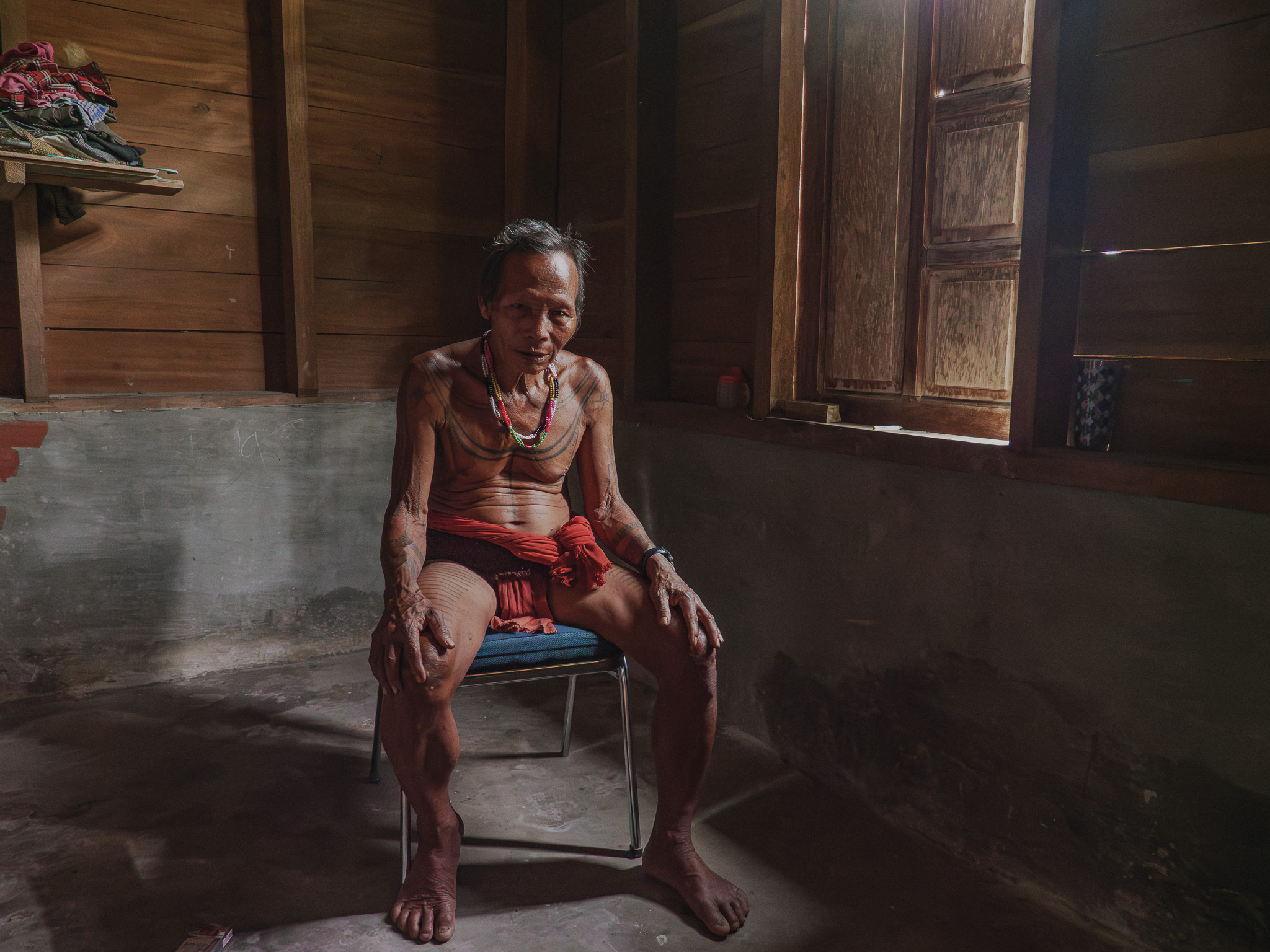
Mantaola Siritoitet, a respected sikerei or traditional healer in Matotonan Village, South Siberut, West Sumatra, serves as a vital bridge between the human world and the spiritual realm. In the deeply rooted indigenous belief system of the Mentawai people, known as Arat Sabulungan, the role of a sikerei is not merely one of medicine but of maintaining the delicate cosmic balance between nature and humanity. This sacred duty comes with stringent lifelong obligations and prohibitions that are passed down through generations. Among the most critical of these are three dietary taboos: a sikerei is strictly forbidden from consuming the meat of the bilou primate, the paku or pakis vegetable (fern), and eels. Breaking these taboos, according to Mantaola, is not just a spiritual transgression but a fatal one, believed to lead to the death of the healer.
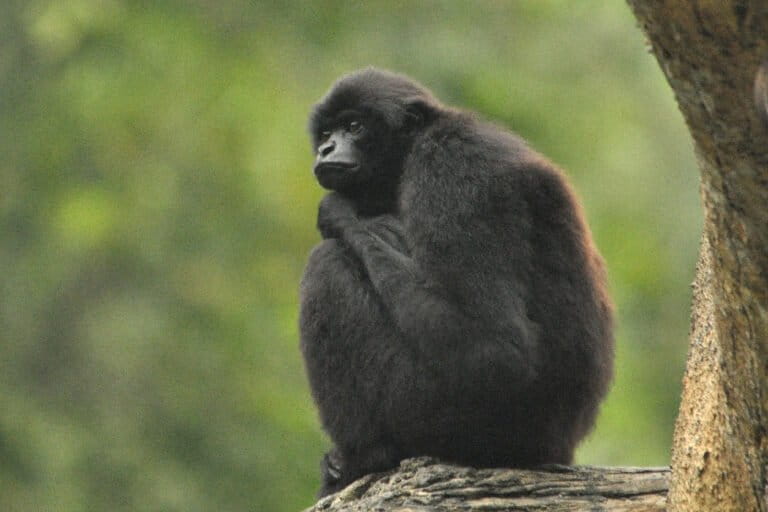
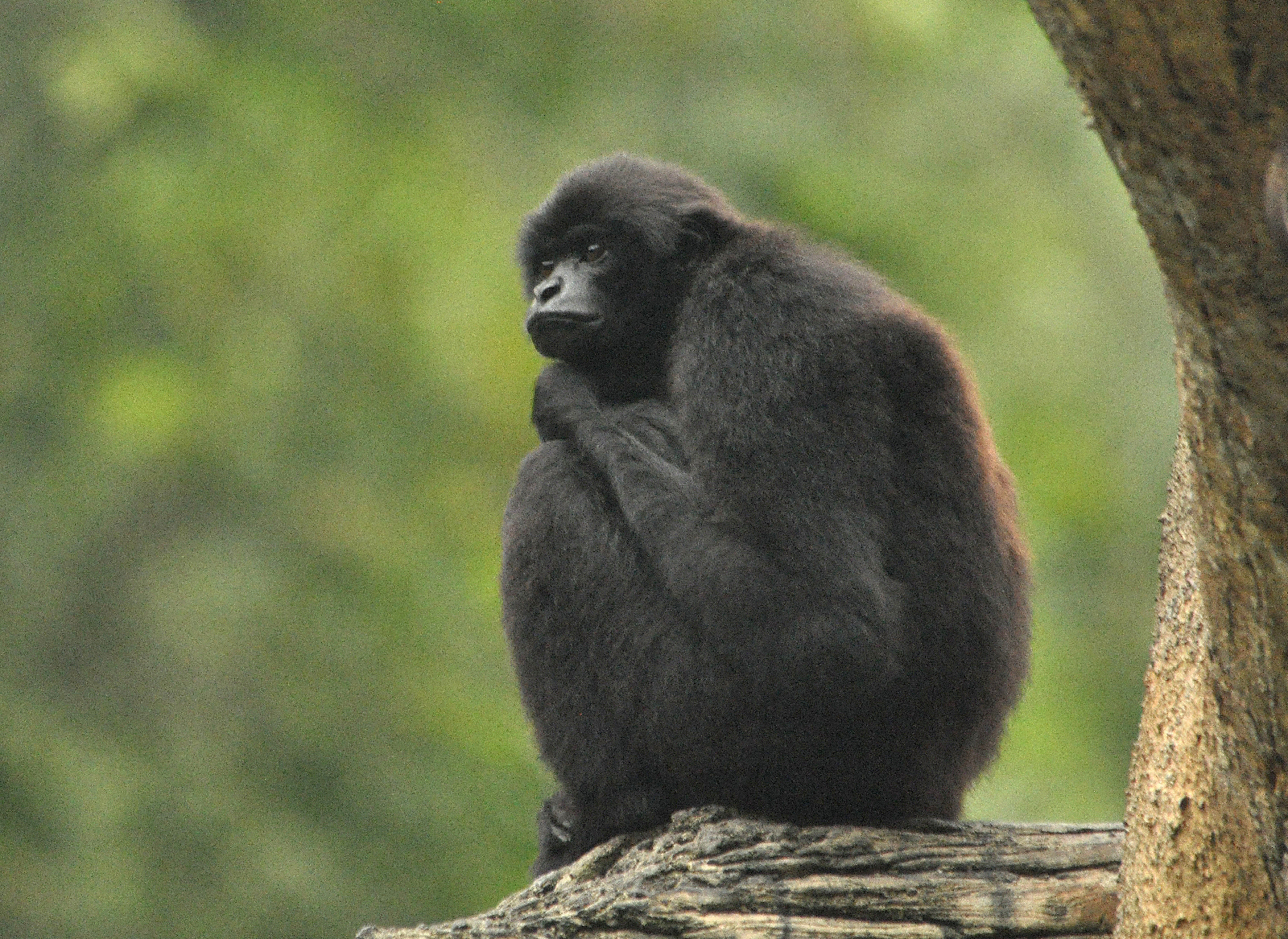
The bilou, scientifically known as Hylobates klossii or Kloss’s gibbon, is a small, tailless primate with dark fur, famous for its agile movement through the canopy and its hauntingly beautiful, melodic calls that echo through the forests of Siberut. However, this unique animal, found nowhere else on Earth, is currently facing an existential crisis. Listed as Endangered on the International Union for Conservation of Nature (IUCN) Red List, the bilou’s survival is threatened by the dual pressures of habitat loss due to deforestation and an increasingly aggressive hunting culture that has diverged from ancient traditions.
The Erosion of Traditional Hunting Ethics
Historically, the Mentawai people have practiced ritual hunting as a means to mark significant life cycles and communal ceremonies. Mantaola Siritoitet acknowledges that while traditional hunting remains a part of the cultural fabric, it was always governed by strict customary laws. These laws ensured that humans did not overexploit the forest or disturb the equilibrium of the natural world. Mantaola himself continues to use the traditional hunting tool: a wooden bow and arrows tipped with a potent, plant-based poison. He maintains that these old ways were far superior to modern methods because they required patience, skill, and a profound respect for the prey.
The shift toward modern technology has fundamentally altered the hunting landscape in Siberut. Walter Samelelu, another sikerei from Rogdok Village, notes that the abundance of forest game has plummeted in recent years. In the past, hunters could secure food near their riverside dwellings deep within the forest. Today, as indigenous communities have been encouraged to move into more centralized settlements, hunters must often trek for two or three days, or even a full week, to find primates.
The primary culprit for the disappearance of these animals, according to Samelelu, is the widespread use of air rifles and gas-powered guns, many of which are now easily purchased online. Unlike the silent flight of a poisoned arrow, the sharp crack of a rifle shot terrifies primates, causing entire troops to flee deep into the interior, far from human activity. The noise pollution and increased efficiency of modern weapons have placed unprecedented pressure on species that were once protected by the difficulty of the hunt.
A Population Under Pressure: Data and Trends
Conservationists and researchers have spent years tracking the decline of Mentawai’s four endemic primates: the bilou, the simakobu (pig-tailed langur, Simias concolor), the bokkoi (Mentawai macaque, Macaca pagensis), and the joja (Siberut langur, Presbytis potenziani). Arif Setiawan, the founder and director of Swara Owa, an organization dedicated to primate conservation, reports that bilou populations and their distinctive vocalizations are noticeably absent in areas with high human activity.
The biological vulnerability of the bilou exacerbates the threat. It takes approximately three years for a bilou to reach a reproductive stage and successfully breed. If individuals are removed from the population through hunting at a rate faster than they can reproduce, the long-term survival of the species is mathematically impossible. Setiawan points out that the simakobu is particularly vulnerable because it is slower-moving and easier to catch than other primates, making it a frequent target for young hunters who lack alternative employment.
While customary laws once acted as a barrier to overhunting, Setiawan observes that these rules are eroding among the younger generation. The traditional knowledge of the forest, including the ability to distinguish between different primate species and understand their ecological roles, is fading. Many young Mentawai people, disconnected from the spiritual teachings of the sikerei, view primates purely as a source of food or a target for sport rather than sacred entities of the forest.
Monitoring Within the Siberut National Park
The Balai Taman Nasional Siberut (BTNS) or Siberut National Park Office has been monitoring primate populations within the conservation area to determine the efficacy of current protection measures. A baseline survey conducted in 2011, in collaboration with the Siberut Conservation Program (SCP), the Green Siberut Association (PASIH), and UNESCO, provided the first comprehensive population estimates across 18 observation sites.
The 2011 data estimated the populations as follows:
- Bilou: 10,484 individuals
- Simakobu: 14,112 individuals
- Bokkoi: 9,248 individuals
- Joja: 17,384 individuals
Agung Widodo, the head of BTNS, explains that these figures have served as the benchmark for conservation efforts over the last decade. Since 2014, monitoring has focused on six key locations: Matotonan, Simabugai, Cimpungan, Bekemen, Keleak, and Mongan Tepu. The bilou was specifically designated as a national priority species, with a five-year plan aimed at increasing its population.
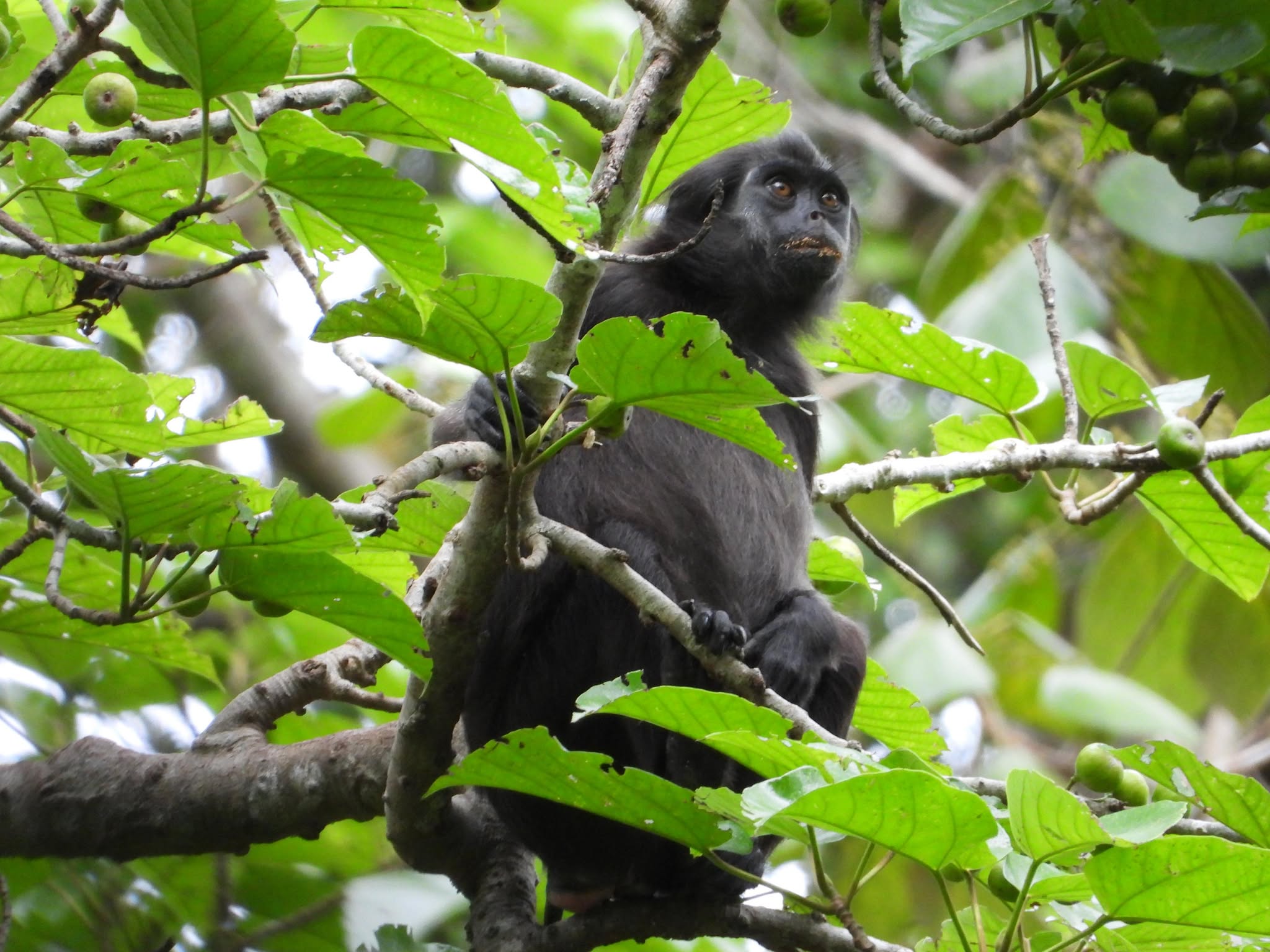
Recent surveys suggest a level of stability within the protected park boundaries. A 2019 study by Maulana and his team found a mean density of 12.8 bilou individuals per square kilometer in Bekemen and 13.4 in Bojakan. Furthermore, monitoring conducted by BTNS between 2022 and 2025 using the line transect method in Bekemen showed a population density of 0.217 individuals per hectare. According to Widodo, this indicates that the bilou population within the national park has remained relatively stable over the past ten years. However, this stability does not extend to the primates living in the "buffer zones" or outside the protected areas, where human encroachment is more pronounced.
The Threat of Industrial Expansion and Habitat Loss
The most significant long-term threat to the primates of Mentawai is the potential for large-scale land conversion. Panut Hadisiswoyo, Director of Green Justice Indonesia, emphasizes that the fate of the bilou is inextricably linked to the legal status of the forests they inhabit. While the National Park provides a sanctuary, large swathes of indigenous territory remain vulnerable to industrial interests.
There are currently concerns regarding the expansion of Industrial Forest Plantation (HTI) concessions near villages such as Samalelet, Rokdok, and Madobak. If these concessions are granted to timber companies, it would lead to massive deforestation, destroying the ancient canopy that the bilou and other primates depend on for survival. Hadisiswoyo argues that the recognition of Hutan Adat (Indigenous Forest) status is the only way to ensure legal protection for these lands. By granting indigenous communities the legal right to manage their ancestral forests, the government can empower them to act as the primary guardians of biodiversity.
The Arat Sabulungan belief system, which views the bilou’s calls as omens or messages from the ancestors, provides a cultural framework for conservation that no secular law can replicate. Revitalizing these traditional practices is seen as a critical strategy for environmental protection. "Mentawai primates are an important icon for the acceleration of indigenous forest designation," says Hadisiswoyo. "We are working with the Task Force for the Acceleration of Indigenous Forest Determination to ensure that cultural revitalization is a pillar of conservation."
A Call for Education and Legal Recognition
The situation in Siberut is a race against time. The convergence of modern hunting technology, the erosion of traditional taboos, and the threat of industrial logging has created a perfect storm for the endemic primates of the Mentawai Islands. To counter these threats, conservationists are calling for a multi-pronged approach:
- Environmental Education: Programs must be implemented to re-engage Mentawai youth with their natural heritage. Understanding the uniqueness of the bilou and the simakobu is essential for fostering a sense of pride and a desire to protect them.
- Legal Land Rights: The Indonesian government must expedite the recognition of Hutan Adat. Providing communities with SK Hutan Adat (Indigenous Forest Decrees) offers a legal shield against the encroachment of HTI concessions and large-scale exploitation.
- Sustainable Livelihoods: Addressing the economic drivers of hunting is crucial. By creating alternative job opportunities for young people, the pressure to hunt primates for subsistence or sale can be reduced.
- Revitalizing Traditional Knowledge: Supporting the role of the sikerei and documenting the Arat Sabulungan practices can help re-establish the traditional taboos that once served as an effective, community-led conservation system.
The bilou and its fellow primates are more than just biological wonders; they are the living soul of the Mentawai forest. As Mantaola Siritoitet and his fellow sikerei continue to observe their ancient taboos, they provide a reminder that the survival of the forest depends on a profound spiritual and physical respect for all living things. Without immediate intervention and the legal empowerment of indigenous voices, the haunting song of the bilou may eventually be silenced by the progress of the modern world.