Nasution Nanang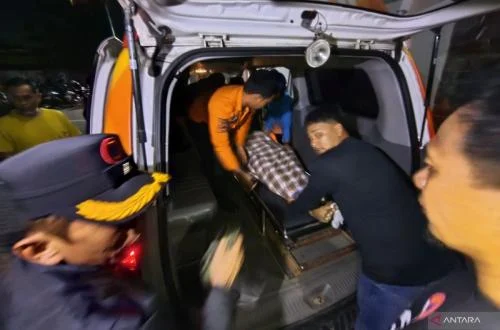
A dedicated personnel of the Makassar City Regional Disaster Management Agency (BPBD), Abu Bakar Siddik (22), tragically lost his life after being struck by a tronton truck on Jalan Galangan Kapal, Tallo District, Makassar, South Sulawesi. The incident, which also involved his colleague, Muhammad Asnawi Yudha Pratama (22), has cast a pall of grief over the local emergency services community and reignited urgent discussions about road safety and the inherent risks faced by public servants.
The Tragic Incident and Immediate Aftermath
The fateful event unfolded as Abu Bakar Siddik and Muhammad Asnawi Yudha Pratama were en route to the Ujungtanah Post, a critical operational hub for the BPBD, to commence their daily duties. The two young men, both 22 years old, were riding a motorcycle, a common mode of transport in Indonesian cities, when disaster struck. According to Muhamad Fadli Tahar, the Head of the Makassar BPBD, a large tronton truck collided with them from behind. The force of the impact was severe, sending both personnel to the ground. Abu Bakar Siddik, who was riding as a passenger, bore the brunt of the collision, sustaining critical injuries.
Emergency services were immediately alerted, and both victims were rushed to the Naval Hospital (RSAL) Jala Ammari for urgent medical attention. Despite the rapid response and efforts of medical personnel, Abu Bakar Siddik’s injuries proved too severe, and he tragically succumbed to them. His passing marks a profound loss for the BPBD Makassar and the community he served. Muhammad Asnawi Yudha Pratama, while injured, is reported to be in stable condition, recovering from the traumatic experience.
The location of the accident, Jalan Galangan Kapal, is a busy thoroughfare, often frequented by heavy vehicles due to its proximity to the Pelabuhan Sukarno Hatta Makassar (Sukarno Hatta Port), a major logistical gateway for the region. This area, known for its industrial activity and high volume of traffic, presents unique challenges for road safety, particularly for motorcyclists navigating alongside larger, heavier vehicles.
A Life Dedicated to Public Service: Abu Bakar Siddik and the Role of BPBD
Abu Bakar Siddik, at just 22 years old, was a young man with a commitment to public service, embodying the spirit of dedication that defines emergency responders. His role within the BPBD Makassar placed him at the forefront of disaster preparedness and response efforts, a critical function in a region prone to various natural and man-made calamities. The BPBD, or Badan Penanggulangan Bencana Daerah, is a vital governmental agency responsible for coordinating and implementing disaster management strategies at the local level. Their mandate includes disaster prevention, emergency response, rehabilitation, and reconstruction.
Muhamad Fadli Tahar emphasized the unique nature of BPBD work, stating that "the task of BPBD does not recognize the concept of work from home or work from anywhere." This underscores the agency’s operational philosophy: personnel must be physically present at their designated posts, ready to respond 24 hours a day, on a rotational basis. This constant state of readiness is non-negotiable, as disasters can strike at any moment, requiring immediate and decisive action. From floods and fires to earthquakes and industrial accidents, BPBD personnel are the first line of defense, often putting themselves in harm’s way to protect lives and property.
The journey to Posko Ujungtanah, located near the Pelabuhan Sukarno Hatta, was part of this daily commitment. Port areas are particularly significant for BPBD operations due to their strategic importance and inherent risks. They are hubs for industrial activity, shipping, and cargo movement, making them susceptible to a range of emergencies, including maritime incidents, industrial fires, and logistical disruptions. Ensuring a constant presence and readiness in such areas is paramount for effective disaster management. Abu Bakar Siddik was simply fulfilling his duty, heading to a post where his presence was essential for the safety and security of the community.
The Investigation Unfolds: Brake Failure and Legal Ramifications
The Makassar City Police, through Kapolsek Tallo, AKP Asfada, quickly confirmed the details of the incident. According to initial findings, the tronton truck, bearing license plate number DD 9675 EA, experienced what is commonly referred to as "rem blong" or brake failure while descending the Tallo Bridge. This critical mechanical malfunction rendered the driver unable to control the heavy vehicle, leading to the devastating collision.
The driver of the truck, identified as Basuki (39), has been apprehended by the police. He is currently being held for questioning by the Traffic Accident Unit (Unit Lakalantas) of the Makassar City Police (Polrestabes Makassar). The truck itself has been impounded as crucial evidence for the ongoing investigation. The focus of the inquiry will undoubtedly center on determining the exact cause of the brake failure. This will involve detailed mechanical inspections of the vehicle to ascertain whether the malfunction was due to negligence in maintenance, a manufacturing defect, or other factors.
Basuki faces potential charges related to reckless driving or negligence leading to death, depending on the findings of the investigation. In Indonesia, traffic accidents resulting in fatalities can carry severe penalties, including imprisonment. This tragic event serves as a stark reminder of the critical importance of vehicle roadworthiness, particularly for heavy transport vehicles that pose significant risks on public roads. Regular and thorough maintenance checks, adherence to safety regulations, and proper driver training are paramount to preventing such devastating incidents.
A Community in Mourning: Tributes and Support
Following the formal identification and medical procedures at RSAL Jala Ammari, Abu Bakar Siddik’s body was transported to his hometown in Bulukumba Regency for burial. This journey home, a somber procession, marked the final respects paid to a young man who died in the line of duty. The BPBD Makassar, local government officials, and the wider community have expressed their profound grief and offered condolences to Abu Bakar Siddik’s family.
Muhamad Fadli Tahar, on behalf of the BPBD, conveyed deep sorrow and acknowledged the immense sacrifice made by Abu Bakar Siddik. Such incidents inevitably weigh heavily on the morale of emergency responders, reminding them of the constant dangers inherent in their profession. Agencies like BPBD typically have support systems in place for the families of fallen personnel, which may include financial assistance, insurance benefits, and ongoing psychological support. These measures, while unable to mitigate the pain of loss, aim to provide some measure of comfort and stability to those left behind.
The incident also prompted an outpouring of public sympathy, with many recognizing the selfless contributions of BPBD personnel. Social media platforms saw numerous messages of condolence and calls for improved road safety measures. The tragedy underscores the human cost of inadequate road infrastructure, lax vehicle maintenance, and potentially, driver error, reverberating through the community and sparking a collective reflection on safety responsibilities.
Broader Context: Road Safety Challenges in Indonesia and Occupational Hazards
This accident highlights a persistent and critical issue in Indonesia: road safety. The country consistently ranks among those with the highest rates of road fatalities globally. Factors contributing to this alarming statistic include:
- Vehicle Roadworthiness: Many commercial vehicles, particularly older trucks, may not undergo stringent or regular maintenance checks, leading to mechanical failures like brake blong. Economic pressures often lead to deferred maintenance, creating ticking time bombs on the roads.
- Driver Behavior: Speeding, reckless overtaking, fatigue, and lack of adherence to traffic laws are common problems. Driver training and licensing standards are often scrutinized for their effectiveness.
- Infrastructure: While significant improvements have been made, many roads, especially in urban and inter-city areas, are congested, poorly lit, or have uneven surfaces, contributing to accident risks. Bridges, like the Tallo Bridge mentioned, can present specific hazards if not properly designed or maintained for heavy vehicle traffic.
- Mixed Traffic: The coexistence of heavy trucks, cars, and a vast number of motorcycles on the same roads creates a complex and dangerous environment, with motorcyclists being particularly vulnerable.
For emergency responders like BPBD personnel, these general road safety issues are compounded by the occupational hazards of their roles. They often travel at odd hours, in challenging conditions, and sometimes under pressure to reach incident sites quickly. While the BPBD emphasizes a 24/7 readiness and specific post assignments, the commute to these posts itself carries inherent risks. Their vehicles, or personal transport, are exposed to the same dangers as any other road user, but their work demands mean they cannot simply avoid hazardous conditions or busy times. This incident serves as a stark reminder of the vulnerability of those who serve, even when merely commuting to their duty stations.
Implications and Calls for Action
The tragic death of Abu Bakar Siddik necessitates a multi-faceted response to prevent future occurrences and ensure the safety of public servants and all road users.
- Stricter Vehicle Inspection and Maintenance: There is an urgent need for more rigorous and frequent inspections of commercial vehicles, especially heavy trucks. Regulatory bodies, such as the Ministry of Transportation (Kementerian Perhubungan) and local Dinas Perhubungan, must enforce existing laws and perhaps introduce new protocols to ensure vehicles are roadworthy. Penalties for non-compliance should be significant enough to deter negligence.
- Driver Training and Accountability: Enhanced training programs for commercial vehicle drivers, focusing on defensive driving, vehicle maintenance awareness, and adherence to speed limits, are crucial. Regular assessments and stricter penalties for traffic violations should also be considered.
- Road Infrastructure Improvements: Continuous investment in road infrastructure, including better signage, lighting, segregated lanes for different vehicle types where feasible, and maintenance of critical structures like bridges, is essential to mitigate accident risks.
- Public Awareness Campaigns: Sustained campaigns promoting road safety, emphasizing shared responsibility among all road users, and highlighting the dangers of reckless driving are vital to foster a culture of safety.
- Support for Emergency Responders: While BPBD personnel are trained for high-risk situations, their commute should be as safe as possible. This might involve reviewing transport policies, providing safer agency vehicles, or exploring designated safe routes for personnel traveling to their posts. Furthermore, robust support systems for their families in the event of such tragedies are paramount.
The loss of Abu Bakar Siddik is not just a statistic; it is a profound human tragedy that underscores the daily risks undertaken by individuals dedicated to public service. His untimely death serves as a poignant reminder that while we rely on our emergency responders to be ready for anything, we, as a society, have a collective responsibility to ensure their safety and well-being, both on and off duty. The ongoing investigation and its findings must lead to tangible actions that enhance road safety for everyone, preventing other families from enduring similar heartbreak and honoring the sacrifice of those who serve.