Nila Kartika Wati
The death of two eight-month-old Bengal tiger cubs, Huru and Hara, at the Bandung Zoo has sent shockwaves through the Indonesian conservation community, casting a somber light on the facility’s ongoing management crisis and the vulnerabilities of captive wildlife. The cubs, born during a period of intense legal and administrative turmoil at the historic zoo, succumbed to the Feline Panleukopenia Virus (FPV) within 48 hours of each other. Hara passed away on March 24, 2026, followed by Huru on March 26, 2026. Their deaths occur at a time when the zoo remains closed to the general public, paralyzed by a protracted ownership dispute and a recent revocation of its operational permit by the Ministry of Forestry.
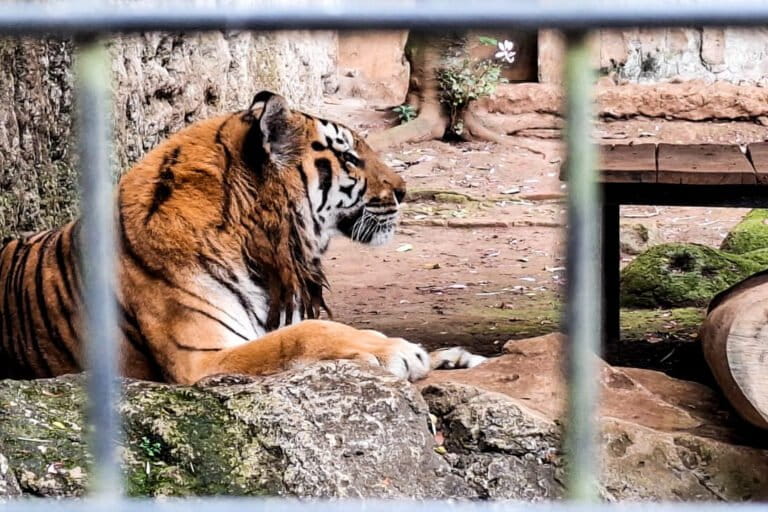
The loss is particularly poignant for the staff who had overseen the cubs since their birth. Usup Supriyatna, a dedicated zookeeper with over a decade of experience at the facility, expressed profound grief over the loss of the animals he had cared for since they were born to their parents, Jelita and Sahrulkan. According to Usup, the cubs had been struggling with health issues since they were five months old, a period that coincided with the peak of the management dualism that has plagued the zoo. The successful breeding of Bengal tigers is often considered a milestone for any zoological institution, requiring years of careful pairing and monitoring, making the sudden loss of the offspring a significant setback for the facility’s conservation efforts.
A Chronology of the Tragedy
The health crisis began to escalate on March 22, 2026, when medical teams at the Bandung Zoo reported that Hara was showing signs of severe lethargy, accompanied by vomiting and diarrhea. Initial examinations by the West Java Natural Resources Conservation Agency (BBKSDA) and the zoo’s internal medical team discovered parasitic worms in the cub’s vomit. In response, veterinarians administered antiparasitic medication, gastric acid reducers, and vitamins. As a precautionary measure, Huru, who shared a cage with Hara, was also given preventative treatment.
By March 23, Hara’s condition deteriorated sharply. The cub began experiencing bloody diarrhea, a hallmark symptom of severe viral infection. A rapid test for Feline Panleukopenia Virus (FPV) returned a positive result. Despite intensive symptomatic and supportive therapy, Hara died the following day. Huru was immediately isolated in a quarantine facility to undergo intensive monitoring, but the virus had already taken hold. Despite a collaborative effort involving the Cikole Animal Hospital, the Bandung Food Security and Agriculture Department (DKPP), and BBKSDA, Huru died two days later.

The Silent Killer: Understanding Feline Panleukopenia
The confirmed cause of death, Feline Panleukopenia Virus, is a highly contagious and often fatal viral disease that affects members of the Felidae family. Agnisa Nur Puspita, a veterinary expert with BBKSDA West Java, noted that the virus primarily attacks the immune system, specifically targeting rapidly dividing cells in the bone marrow and intestinal lining. This leads to a drastic drop in white blood cell counts—hence the name "panleukopenia"—leaving the animal defenseless against secondary infections.
In the context of wild cats like Bengal tigers, FPV is a significant threat, particularly for juveniles whose immune systems are not yet fully developed. Nur Purba Priambada, President of the Indonesian Association of Wildlife, Aquatic, and Exotic Animal Veterinarians (Asliqewan), explained that the virus is incredibly resilient. It can survive for months or even years in the environment, clinging to soil, cages, and maintenance equipment. Transmission usually occurs through the fecal-oral or nasal routes, often when an animal comes into contact with contaminated fluids or surfaces.
Scientific literature, including a study titled "Molecular Characterization of Feline Panleukopenia Virus Detected from a Captive Siberian Tiger" published in BMC Veterinary Research, suggests that outbreaks in zoos are frequently the result of cross-species transmission. This occurs when domestic cats—which may be asymptomatic carriers of the virus—enter zoo grounds and interact with the enclosures of larger felids. Without rigorous biosecurity protocols and physical barriers to prevent the entry of stray animals, captive tigers remain at high risk.
The Backdrop of Management Conflict
The deaths of Huru and Hara cannot be viewed in isolation from the administrative chaos surrounding Bandung Zoo. For several years, the facility has been the subject of a bitter legal battle between the Bandung City Government and a private foundation, both of which claim the right to manage the site. This "dualism" has led to a breakdown in consistent oversight and has raised serious concerns regarding the welfare of the animals housed within the 14-hectare park.
In early 2026, the Ministry of Forestry took the drastic step of revoking the zoo’s permit, citing failures in management standards. This decision left the fate of hundreds of animals in a state of uncertainty. While the city government has attempted to intervene to ensure basic care and feeding continue, the lack of a clear, unified management structure has hampered long-term health planning and infrastructure maintenance.
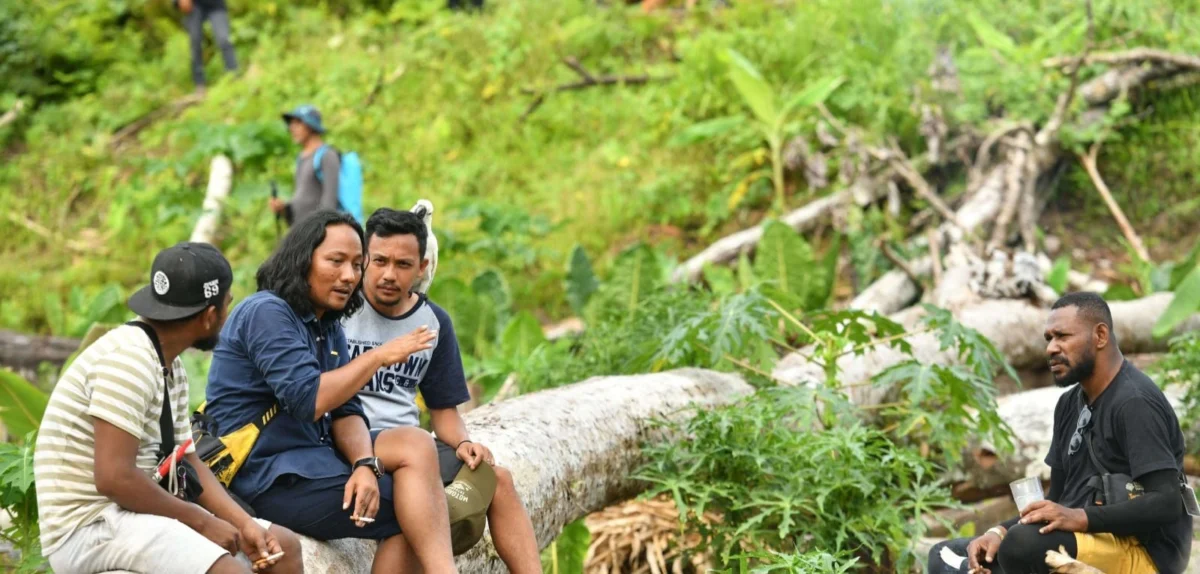
The zookeeper Usup Supriyatna highlighted that the cubs were born during this period of instability. He emphasized that the survival of the animals should transcend administrative disputes. "What is at stake is not just who manages the zoo, but the continuation of the lives within it," Usup stated. He expressed a hope that the current crisis would serve as a catalyst for a permanent resolution that prioritizes animal welfare over legal technicalities.
Official Responses and Public Sentiment
The loss of the tiger cubs has resonated deeply with the residents of Bandung, who view the zoo as a cultural landmark. Muhammad Farhan, the Mayor of Bandung, expressed his heartbreak over the incident, describing it as a "heavy blow" to the city. He acknowledged that the deaths have exposed systemic weaknesses in the zoo’s current operational framework.
"This event is a painful reminder that we must immediately improve the management system of the Bandung Zoo," Farhan said during a visit to the facility. He outlined a plan to strengthen biosecurity measures and conduct a comprehensive evaluation of the zoo’s governance. The Mayor also indicated that the city would seek closer cooperation with the West Java Provincial Government and the central Ministry of Forestry to stabilize the situation.
Ammy Nurwaty, the Acting Head of BBKSDA West Java, echoed these sentiments in a press release, detailing the medical steps taken and the challenges faced by the team. She emphasized that while the medical response was swift and collaborative, the high mortality rate of FPV in young tigers makes recovery extremely difficult once symptoms manifest.
Broader Implications for Conservation and Bio-security
The tragedy at Bandung Zoo serves as a critical case study for zoological institutions worldwide. It highlights the intersection of political stability and biological safety. When the administrative health of an institution fails, the physical health of its inhabitants is often the next to decline.

Bengal tigers (Panthera tigris tigris) are classified as Endangered by the IUCN Red List. With global populations under threat from habitat loss and poaching, captive populations in zoos serve as vital genetic reservoirs. The loss of two healthy cubs is a blow to the international conservation community’s efforts to maintain a diverse and healthy captive population.
From a biosecurity perspective, the incident underscores the necessity of "One Health" protocols—an integrated approach that recognizes the link between the health of people, animals, and the environment. For urban zoos like Bandung’s, which are surrounded by high-density human populations and large numbers of domestic animals, the risk of zoonotic and cross-species disease transmission is heightened. Experts argue that modern zoos must implement "hard" biosecurity measures, such as double-fencing and strict disinfection protocols for staff, to prevent the introduction of pathogens like FPV.
The Path Forward: A Call for Transparency and Reform
As Bandung Zoo remains closed, the immediate priority for the remaining staff and the BBKSDA is to ensure that no other animals are infected. This involves rigorous testing of other felids, including the parents, Jelita and Sahrulkan, and a thorough decontamination of the tiger enclosures.
However, the long-term solution requires more than just medical intervention. It requires a resolution to the legal disputes that have paralyzed the institution. Mayor Farhan has called for transparency in the zoo’s management to rebuild public trust. He apologized to the citizens for the current state of the facility and promised that the zoo would only reopen once it could guarantee the safety and well-being of its animals.
The deaths of Huru and Hara are a tragic chapter in the history of one of Indonesia’s oldest zoos. They serve as a stark warning that in the absence of stable governance and professional standards, even the most majestic of creatures are vulnerable. The legacy of these two cubs may ultimately be the reform they inadvertently sparked—a shift toward a management model where the welfare of the "residents" is held as the highest priority, protected from the turbulence of human conflict. For now, the cages that once held the playful cubs stand empty, a silent testament to a tragedy that many believe could have been avoided.