Nasution Nanang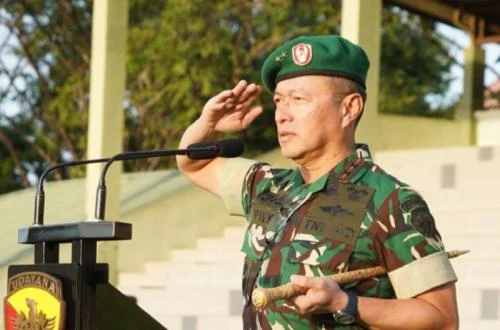
DENPASAR, Indonesia – The Udayana IX Regional Military Command (Kodam IX/Udayana) has expressed its deepest sorrow and profound condolences following the tragic passing of Sergeant First Class (Sertu) Muhammad Nur Ichwan, a dedicated soldier who succumbed while serving with distinction in a United Nations peacekeeping mission in Lebanon. His sacrifice represents a significant loss not only for his immediate family and the Udayana Command but also for the Indonesian National Armed Forces (TNI) and the nation’s unwavering commitment to global peace and stability. The incident underscores the inherent risks and profound sacrifices made by peacekeepers operating in volatile regions around the world.
Sertu Muhammad Nur Ichwan, a member of Kodam IX/Udayana, was serving as a Medical Non-Commissioned Officer (Bakes) in Company B of the TNI Mechanized Battalion Task Force, part of the Garuda Contingent XXIII-S/United Nations Interim Force in Lebanon (UNIFIL). This deployment is a testament to Indonesia’s long-standing dedication to international peacekeeping efforts under the auspices of the United Nations. Major General TNI Piek Budyakto, the Commander of Kodam IX/Udayana, conveyed the command’s heartfelt condolences, describing the loss of Sertu Ichwan as immense. He lauded the fallen soldier’s exemplary dedication and unwavering loyalty throughout his service, particularly highlighting his commitment to the noble cause of world peace.
A Profile of Dedication and Service
Born in Magelang on May 12, 2000, Sertu Muhammad Nur Ichwan embodied the spirit of a true patriot and humanitarian. His decision to join the TNI and subsequently volunteer for an arduous international peacekeeping mission reflected a profound sense of duty and a desire to contribute to a more peaceful world. He leaves behind a grieving family: his wife, Hana Dita Anjani, and their seven-month-old daughter, Maurellia Syakila Nur Salsabila. The young age of his daughter adds a particularly poignant dimension to this tragedy, serving as a stark reminder of the personal cost of global security efforts.
In recognition of his ultimate sacrifice and distinguished service, the TNI has posthumously awarded Sertu Muhammad Nur Ichwan an Extraordinary Promotion (KPLB) from Sergeant First Class (Sertu) to Staff Sergeant (Serka Anumerta). This honor not only elevates his rank but also serves as a lasting tribute to his bravery and unwavering commitment. Beyond the symbolic recognition, Kodam IX/Udayana has affirmed its commitment to providing comprehensive support and compensation to his bereaved family. This includes not only immediate financial assistance but also ongoing moral support, emphasizing the TNI’s profound responsibility to the families of its fallen heroes. The command’s pledge ensures that the family’s welfare, especially that of his young daughter, remains a priority, reinforcing the solidarity within the military community.
Indonesia’s Enduring Commitment to UN Peacekeeping
Indonesia has a rich and proud history of contributing to United Nations peacekeeping operations, a tradition that dates back to 1957 with the deployment of the Garuda I Contingent to Egypt. Over the decades, the "Garuda Contingent" has become synonymous with professionalism, discipline, and dedication, earning international acclaim for its contributions across various conflict zones. Indonesia consistently ranks among the top contributors of uniformed personnel to UN missions, demonstrating its firm belief in multilateralism and the principles enshrined in the UN Charter. This commitment is rooted in the preamble of Indonesia’s 1945 Constitution, which mandates the nation to participate in creating a world order based on freedom, lasting peace, and social justice.
The deployment of the Garuda Contingent to UNIFIL in Lebanon is a crucial component of this broader commitment. UNIFIL, established in 1978, plays a critical role in maintaining peace and security along the Blue Line, the demarcation line between Lebanon and Israel. Indonesia’s participation in such missions is not merely symbolic; it involves deploying highly trained personnel, including specialized units like the Mechanized Battalion Task Force, which provide essential security, logistical, and humanitarian support. These missions are complex and demand exceptional resilience, adaptability, and courage from the peacekeepers. The presence of Indonesian troops in Lebanon underscores the nation’s active role in fostering regional stability and contributing to the global security architecture.
Understanding UNIFIL: A Mandate for Stability in a Volatile Region
The United Nations Interim Force in Lebanon (UNIFIL) was originally created by the UN Security Council resolutions 425 and 426 in March 1978 to confirm the withdrawal of Israeli forces from Lebanon, restore international peace and security, and assist the Government of Lebanon in restoring its effective authority in the area. Following the 2006 conflict between Hezbollah and Israel, UNIFIL’s mandate was significantly expanded under Security Council Resolution 1701. This enhanced mandate includes monitoring the cessation of hostilities, accompanying and supporting the Lebanese Armed Forces (LAF) as they deploy throughout Southern Lebanon, and assisting in ensuring humanitarian access to civilian populations.
The operational environment for UNIFIL peacekeepers is inherently challenging and fraught with risks. Southern Lebanon is a geopolitically sensitive region, characterized by historical conflicts, political complexities, and the presence of various armed actors. Peacekeepers are tasked with maintaining a delicate balance, monitoring activities along the Blue Line, and preventing escalations. They often operate in close proximity to communities that have experienced decades of conflict, requiring exceptional cultural sensitivity, communication skills, and tactical acumen. The threats range from accidental encounters in contested territories to deliberate acts of aggression, unexploded ordnance, and the general hazards of operating in a high-tension zone. The Blue Line, though officially demarcated, remains a flashpoint, and incidents, while often contained, can rapidly escalate. This daily reality underscores the perilous nature of the mission and the constant vigilance required from every peacekeeper.
The Perilous Path of Peacekeeping: Risks and Sacrifices
The death of Sertu Muhammad Nur Ichwan serves as a somber reminder of the inherent dangers faced by peacekeepers worldwide. Peacekeeping missions, by their very nature, involve deploying personnel to areas where peace is fragile or non-existent. According to UN statistics, thousands of peacekeepers have lost their lives in the line of duty since 1948, succumbing to hostile acts, accidents, or illnesses. These statistics underscore the profound risks involved in such humanitarian and security operations.
Peacekeepers often operate in environments lacking basic infrastructure, exposed to extreme weather conditions, and vulnerable to endemic diseases. Beyond these environmental challenges, they face threats ranging from improvised explosive devices (IEDs), landmines, and sniper fire to direct confrontations with armed groups. The psychological toll of witnessing conflict, dealing with human suffering, and constantly being in harm’s way is also significant, leading to stress, trauma, and mental health challenges. Sertu Ichwan’s role as a Medical NCO highlights another critical aspect of peacekeeping – the provision of vital medical support under challenging circumstances, often placing medical personnel directly in harm’s way. Their bravery and commitment to saving lives, even amidst danger, are truly commendable. Each casualty represents a personal tragedy for a family and a collective loss for the contributing nation and the international community.
National Mourning and Ongoing Support for Families
The news of Sertu Muhammad Nur Ichwan’s death resonated deeply across Indonesia, prompting an outpouring of grief and solidarity. His ultimate sacrifice is viewed as an act of profound patriotism and commitment to humanity. The posthumous promotion to Staff Sergeant (Serka Anumerta) is a standard yet deeply significant gesture within the TNI, designed to honor exceptional bravery and sacrifice. This KPLB not only recognizes the soldier’s valor but also ensures that his family receives benefits commensurate with the higher rank, providing a measure of financial security in their time of loss.
The commitment from Kodam IX/Udayana to support Sertu Ichwan’s family extends beyond immediate condolences and financial aid. It encompasses long-term moral and practical assistance, particularly for his wife and young daughter. This holistic approach to family support is a cornerstone of military welfare systems globally, recognizing that the family also bears the burden of a soldier’s sacrifice. Such support may include educational assistance for the child, healthcare provisions, and ongoing counseling, ensuring that the legacy of the fallen peacekeeper is honored through the well-being of his dependents. This institutional support helps to mitigate the devastating impact of such a loss, allowing the family to navigate their grief with the knowledge that they are not alone and that their loved one’s sacrifice is deeply valued by the nation.
Reflecting on the Legacy and Future of Peace Operations
The tragic passing of Sertu Muhammad Nur Ichwan serves as a powerful reminder of the enduring importance and inherent dangers of global peacekeeping operations. His sacrifice will undoubtedly strengthen the resolve of the TNI and the Indonesian government to continue their vital contributions to international peace and security. It also prompts a moment of reflection on the mechanisms and support systems in place for peacekeepers and their families. Continuous improvements in training, equipment, intelligence gathering, and mental health support are crucial to minimize risks and enhance the effectiveness of these missions.
Sertu Ichwan’s dedication to his mission, even at the cost of his life, reinforces Indonesia’s image as a responsible and compassionate global actor. His legacy will inspire future generations of Indonesian soldiers to uphold the nation’s commitment to peace. While the immediate focus remains on mourning and supporting his family, his story will become part of the proud narrative of the Garuda Contingent, a testament to the bravery of those who stand on the front lines of global stability. His sacrifice underscores that peace is not merely the absence of war but an active endeavor requiring continuous vigilance, courage, and, sometimes, the ultimate sacrifice. The nation mourns a hero, but his memory will forever be etched in the annals of Indonesia’s dedication to a more peaceful world.