Nila Kartika Wati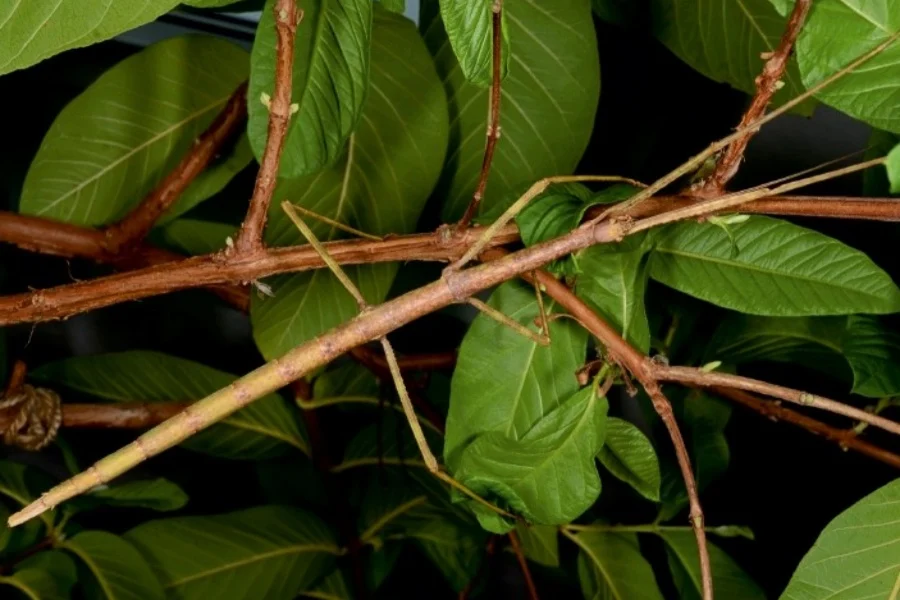
The landscape of Indonesian entomology has been significantly enriched by the discovery of a previously unknown species of stick insect on the island of Sumba. Davis Marthin Damaledo, a fourth-semester student at Udayana University’s Faculty of Agriculture, specifically within the Agroecotechnology study program, has been credited with the find. The new species, scientifically named Nesiophasma davisdamaledoi, represents a major milestone in the documentation of the Lesser Sunda Islands’ biodiversity. This discovery is not merely a personal achievement for the young researcher but also a critical addition to the genus Nesiophasma, marking the first time a stick insect from this genus—and indeed any stick insect—has been formally recorded on Sumba Island.
The discovery was formalized through a peer-reviewed publication in the international taxonomic journal Zootaxa, following a rigorous process of morphological analysis and comparison with known species. The research team included seasoned experts such as Garda Bagus Damastra, founder of the Indonesian Mantis and Phasmid Forum (IMPF), and Frank H. Hennemann, a world-renowned authority on the order Phasmatodea. The identification of Nesiophasma davisdamaledoi brings the total number of known species within this genus in the Lesser Sunda Islands to three, highlighting the region’s status as a crucible of evolution and endemism within the Wallacea transition zone.
The Chronology of Discovery: From a Casual Observation to Scientific Breakthrough
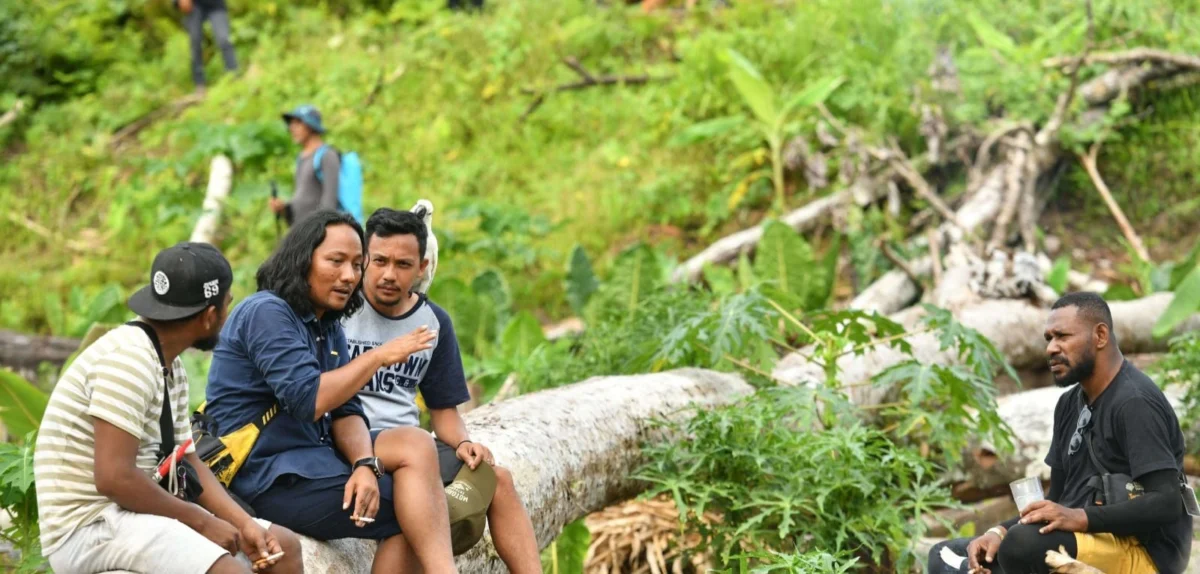
The journey toward identifying Nesiophasma davisdamaledoi began in August 2023, driven by a combination of familial networking and keen scientific curiosity. Davis, a native of Kupang, East Nusa Tenggara (NTT), received a photograph from his uncle residing in Sumba. The image captured a peculiar, twig-like insect found near a residence. Recognizing the potential significance of the specimen based on his previous experience with the discovery of Nesiophasma sobesonbaii in Timor, Davis traveled to Sumba to conduct a field investigation.
The expedition focused on two primary locations: Central Sumba Regency and East Sumba Regency. The first specimen was located in a secondary forest area in Central Sumba, while a second, more surprising find occurred in a small home garden in East Sumba. Unlike typical entomological expeditions that target deep primary rainforests, Davis found the second specimen in an environment dominated by guava trees (Psidium guajava), showcasing the species’ ability to adapt to anthropogenically modified landscapes.
During the field collection, Davis gathered not only adult specimens but also eggs. These eggs were critical for the descriptive process, as the morphology of Phasmatodea eggs is often as diagnostic as the adult forms. Some of these eggs were hatched by Davis for observation, while others were sent to his mentor, Garda Bagus Damastra, in Java for further study and documentation.
Morphological Analysis and Taxonomic Distinction
Initially, there was skepticism regarding whether the Sumba specimens constituted a unique species. Frank H. Hennemann, upon reviewing early data, suggested the possibility that the insects belonged to Nesiophasma sobesonbaii, a species Davis had helped identify earlier in Timor. However, Davis’s intimate familiarity with the Timor species allowed him to spot subtle but definitive differences.
Through side-by-side photographic comparisons and detailed anatomical measurements, the research team established that the Sumba population was indeed a distinct species. Several key morphological markers differentiate Nesiophasma davisdamaledoi from its closest relatives:
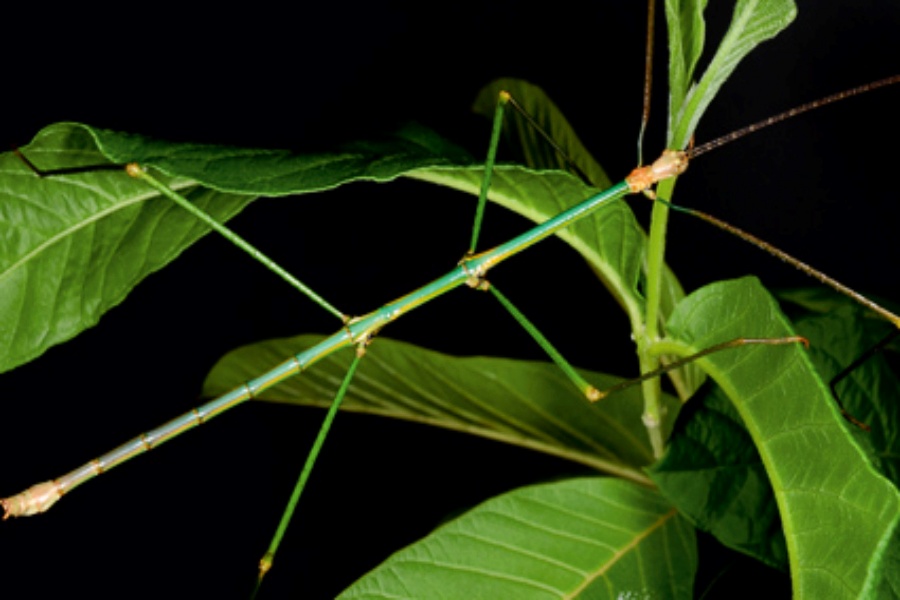
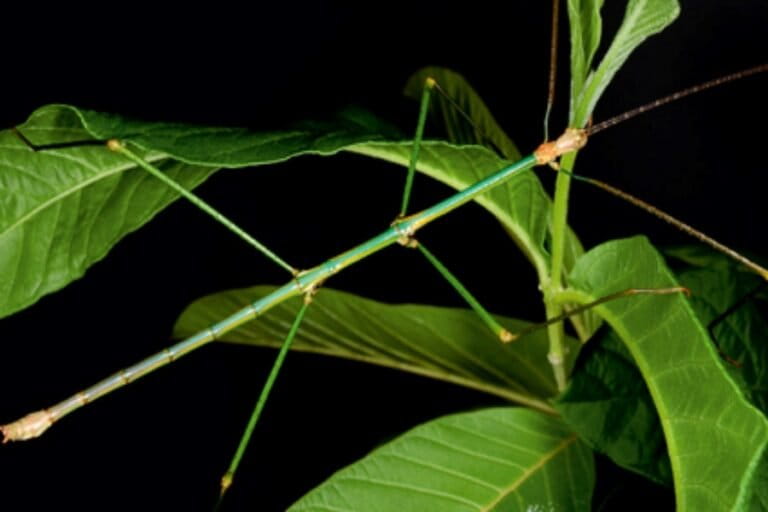
- Size and Stature: The new species is generally smaller than N. sobesonbaii, with adult lengths ranging between 13 and 18 centimeters.
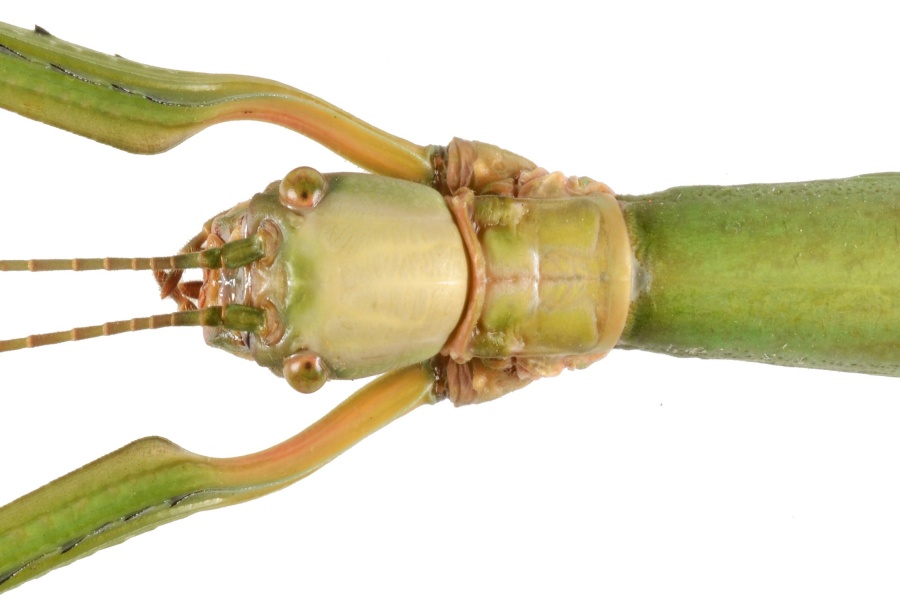
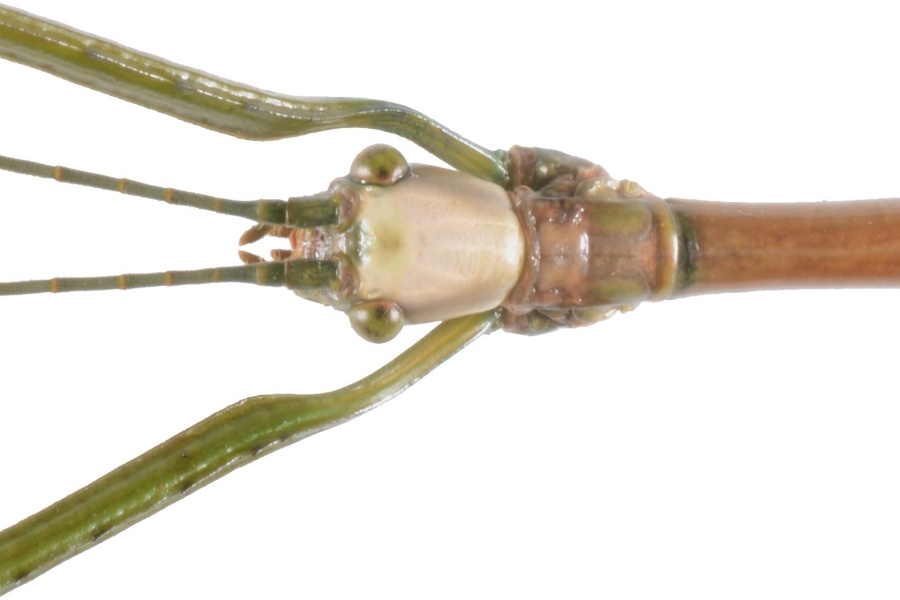
- Coloration: A striking difference is observed in the males. While N. sobesonbaii males are typically brown, the males of N. davisdamaledoi exhibit a vibrant blue-green hue. Furthermore, the Sumba species lacks the distinct red lateral lines on the thorax that characterize its Timorese counterpart.
- Specific Markings: The species features characteristic black spots on the genae (the "cheeks" or lateral parts of the head capsule), a trait that served as a vital diagnostic tool during the description process.
- Egg Morphology: The eggs provided the final piece of the taxonomic puzzle, showing unique structural variations in the capitulum and micropylar plate that are consistent across the Sumba population.
Following the confirmation of these traits, the holotype—the single physical specimen on which the description and name of the new species are based—was deposited at the Entomology Laboratory of the National Research and Innovation Agency (BRIN) in Indonesia. This ensures that the biological heritage of the species remains within the country for future scientific reference.
Biogeographical Significance of Sumba and Wallacea
The discovery of Nesiophasma davisdamaledoi underscores the biological importance of the Wallacea region. Situated between the Asian continental shelf (Sunda) and the Australian-New Guinean shelf (Sahul), Wallacea is an archipelago of oceanic islands that have never been connected to either landmass. This isolation has fostered the evolution of highly specialized flora and fauna found nowhere else on Earth.
Sumba, in particular, has often been overlooked in entomological surveys compared to larger islands like Sulawesi or Timor. Its relatively dry climate and high rate of deforestation have led some to believe its biodiversity might be lower than its neighbors. However, this discovery suggests that Sumba may harbor many more "hidden" species that have evolved to survive in its unique mosaic of deciduous forests and savannas. The genus Nesiophasma is widely distributed across Wallacea, yet the extreme endemism of this new species—restricted solely to Sumba—highlights how little we still know about the localized evolutionary pressures on these islands.
The Role of Citizen Science and Mentorship
A notable aspect of this discovery is the collaboration between a university student and the broader community of insect enthusiasts. Garda Bagus Damastra, the founder of the Indonesian Mantis and Phasmid Forum (IMPF), played a pivotal role as Davis’s mentor. The IMPF, which boasts over 3,600 members, represents a growing movement of "citizen scientists" in Indonesia who bridge the gap between amateur hobbyists and professional taxonomists.
Garda, whose own name is immortalized in the species Phyllium gardabagusi, emphasized that the discovery of N. davisdamaledoi is a testament to the power of passion-driven research. By empowering young researchers like Davis, the scientific community can accelerate the cataloging of Indonesia’s vast biodiversity, much of which is currently under threat from climate change and habitat loss.
"The publication of new species builds public awareness regarding the potential of biological wealth right in their own backyards," Garda stated. He noted that focusing on "understudied" groups like stick insects is essential because these creatures play vital roles in the ecosystem as primary consumers and as a food source for higher trophic levels, yet they are often neglected in favor of more charismatic megafauna.
Ecological Implications and Conservation
Stick insects, or phasmids, are masters of crypsis—the art of camouflage. Nesiophasma davisdamaledoi has evolved to perfectly mimic the twigs and branches of its host plants, primarily the guava tree in the observed sites. This evolutionary strategy is their primary defense against predators such as birds and lizards.
The species reproduces both sexually and, like many other phasmids, through facultative parthenogenesis, where females can produce viable offspring without mating. The eggs typically take about four months to hatch, a relatively slow reproductive cycle that makes the population vulnerable to rapid environmental changes.
While the species was found in a home garden, this should not lead to a false sense of security regarding its conservation status. The reliance on specific host plants and the localized nature of its habitat mean that large-scale agricultural expansion or pesticide use could easily wipe out local populations. Davis and his colleagues hope that by naming and describing the species, they can provide the necessary data for future conservation assessments by organizations like the IUCN.
Conclusion: A Call for Future Research
The discovery of Nesiophasma davisdamaledoi serves as a reminder of the "taxonomic impediment"—the shortage of experts and resources to describe the world’s species before they go extinct. For Davis Marthin Damaledo, the discovery is a deeply personal fulfillment of a lifelong passion. Despite being labeled a "strange hobby" by some, his dedication has resulted in a permanent contribution to the global record of life.
"I truly hope that more parties will come to understand insects," Davis remarked, reflecting on the tendency of the general public to underestimate the importance of small invertebrates. "There are still so many new species in Indonesia waiting to be revealed."
As Indonesia continues to grapple with the dual challenges of economic development and environmental preservation, the work of young scientists like Davis provides a glimmer of hope. By documenting the unique life forms of Sumba and beyond, they are providing the foundational knowledge required to protect the nation’s natural heritage. The story of Nesiophasma davisdamaledoi is more than a scientific footnote; it is a call to action for a new generation of researchers to look closer at the world around them and uncover the wonders hidden in plain sight.