Chalifah Fatihah
A British woman’s years-long experience of seemingly innocuous symptoms, dismissed for years as menopausal side effects, has culminated in a startling medical discovery: the presence of ten brain tumors. Kerry Brown, a 54-year-old from Yorkshire, England, was ultimately diagnosed with meningioma tumors after initially experiencing persistent tingling sensations and what she believed to be hot flashes, a common symptom associated with menopause. This case highlights the often-subtle and misleading nature of early neurological symptoms and underscores the importance of thorough medical investigation even for seemingly minor ailments.
The Unfolding of a Silent Threat
Brown’s medical journey began around 2017 when she first noticed the peculiar symptoms. Initially, she attributed the tingling and the sensation of sudden, intense heat – the hot flashes – to natural hormonal changes associated with perimenopause or menopause. This common misconception, shared by many women experiencing these physiological shifts, meant that the underlying cause remained undetected for a significant period.
Over the next two years, Brown’s symptoms began to escalate. The tingling became more pronounced, and the hot flashes, which she experienced with increasing frequency and intensity, started to disrupt her daily life. Beyond these initial complaints, she also began to suffer from extreme fatigue and noticed a change in her speech, specifically experiencing a lisp or slurring of words.
"I thought it was just menopause, but then I became pale, started speaking hesitantly, and felt very tired. I didn’t think it was anything serious," Brown recounted, reflecting on the period when she downplayed the severity of her condition. This self-assessment, while understandable given the initial presentation, unfortunately, delayed crucial medical intervention.
The turning point came when Brown started experiencing vision problems. This new and concerning symptom prompted her to seek professional medical advice. Her visit to an ophthalmologist revealed swelling at the back of her eyes, a significant indicator that something more serious was at play. The ophthalmologist immediately referred her for further, more comprehensive diagnostic tests.
The Shocking Revelation: Ten Tumors Discovered
The subsequent investigations, including advanced imaging techniques like Magnetic Resonance Imaging (MRI), led to the astonishing discovery of four brain tumors. Doctors informed Brown that the hot flashes she had been experiencing were, in fact, a manifestation of seizures caused by the brain tumors.
Two of these tumors were of a considerable size, measuring over two centimeters, and required surgical removal. However, the surgical procedure itself led to an even more unexpected and daunting revelation. During the operation, surgeons discovered a significantly higher number of tumors than initially identified.
"When I woke up after the surgery, they told me they had found 10 tumors," Brown stated, still grappling with the magnitude of the diagnosis. This meant that the initial detection of four tumors was merely the tip of the iceberg, with a total of ten growths present within her brain.
Understanding Meningioma: The Nature of the Tumors
The tumors identified in Kerry Brown’s case were of the meningioma type. According to medical literature, including information from the Mayo Clinic, meningiomas originate from the meninges, the protective membranes that surround the brain and spinal cord.
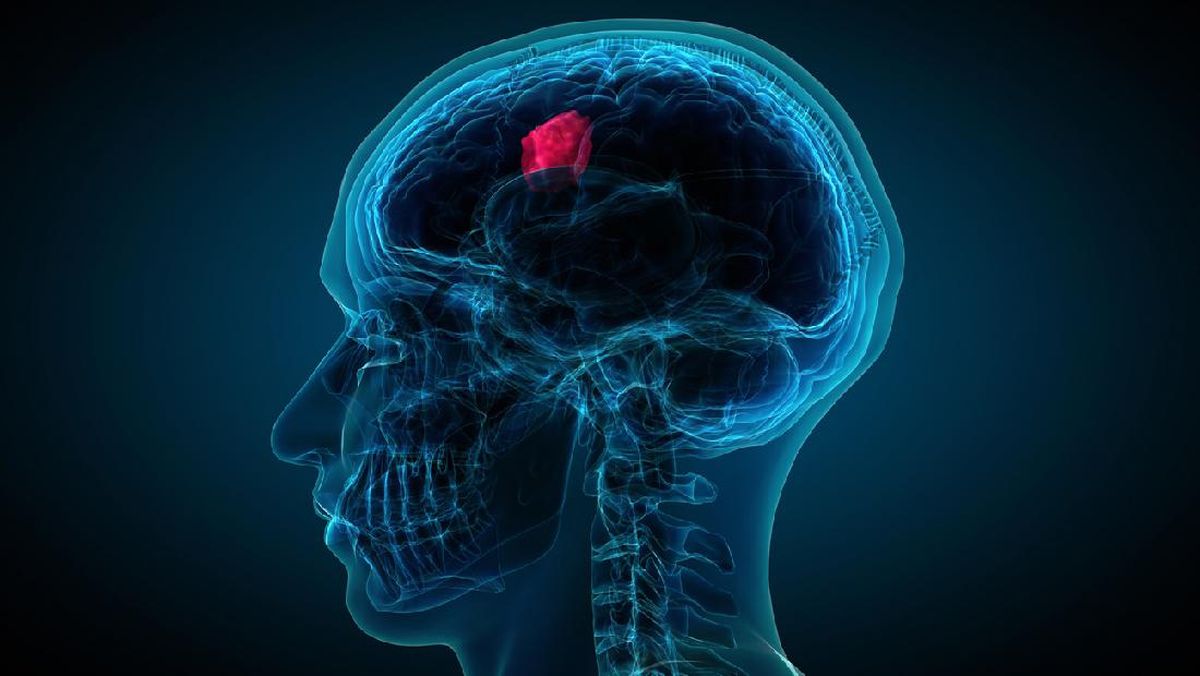
A key characteristic of most meningiomas is their slow growth rate. Many can remain undetected for years, even decades, without causing any noticeable symptoms. However, as these tumors increase in size, they can exert pressure on surrounding brain tissue, leading to a range of neurological complications.
It is important to note that the vast majority of meningiomas are benign, meaning they are not cancerous. Approximately 80-85% of meningiomas fall into this category. While benign, their location and size can still pose significant health risks due to the confined space within the skull. Malignant meningiomas, though rarer, can be more aggressive and spread to other parts of the brain or body.
Common Symptoms of Meningioma
The symptoms of meningioma can vary widely depending on the tumor’s size, location, and growth rate. However, common indicators that may prompt medical attention include:
- Vision problems: Blurred vision, double vision, or loss of peripheral vision.
- Numbness or tingling: Often localized to specific areas of the body.
- Severe headaches: Particularly those that are worse in the morning and may improve as the day progresses.
- Hearing difficulties: Including ringing in the ears (tinnitus) or a gradual loss of hearing.
- Anosmia: The loss of the sense of smell.
- Seizures: Which can manifest in various forms, including absence seizures, tonic-clonic seizures, or focal seizures. The "hot flashes" experienced by Brown are now understood as a form of seizure activity.
- Weakness or paralysis: Typically affecting one side of the body, leading to numbness or tingling in the limbs.
- Changes in personality or behavior: Though less common, these can occur if the tumor affects areas of the brain responsible for mood and behavior regulation.
The Significance of Early Detection and Medical Advancements
Kerry Brown’s case serves as a stark reminder of the critical importance of not dismissing persistent or unusual bodily symptoms, even if they appear to be related to common conditions like menopause. While menopause can indeed cause a range of physical and emotional changes, new or worsening symptoms that deviate from the norm warrant professional medical evaluation.
The advancement of diagnostic technologies, such as MRI and CT scans, has been instrumental in identifying brain tumors at earlier stages than previously possible. These technologies allow medical professionals to visualize the intricate structures of the brain and detect even small abnormalities.
The treatment of meningiomas is tailored to the individual patient and depends on several factors, including the tumor’s size, location, growth rate, and the patient’s overall health. Treatment options can include:
- Observation: For small, slow-growing tumors that are not causing symptoms, a period of "watchful waiting" with regular monitoring may be recommended.
- Surgery: This is often the primary treatment for symptomatic or growing meningiomas. The goal is to remove as much of the tumor as possible. In cases like Brown’s, where multiple tumors are present, surgical intervention becomes more complex.
- Radiation Therapy: This can be used after surgery to destroy any remaining tumor cells or as a primary treatment for tumors that cannot be surgically removed. Techniques like stereotactic radiosurgery (SRS) allow for precise delivery of radiation to the tumor, minimizing damage to surrounding healthy tissue.
- Medications: While there are no specific drugs that cure meningiomas, certain medications may be used to manage symptoms like seizures or swelling.
Broader Implications and Public Health Awareness
The narrative of Kerry Brown’s diagnosis underscores a broader public health concern: the need for increased awareness regarding the diverse and sometimes subtle presentations of serious medical conditions. For women, in particular, symptoms that might be attributed to hormonal fluctuations can sometimes mask underlying neurological issues.
This case highlights the necessity for a proactive approach to healthcare. Patients are encouraged to advocate for themselves, articulate their concerns clearly to their doctors, and seek second opinions if they feel their symptoms are not being adequately addressed. Healthcare providers, in turn, must remain vigilant and consider a wide differential diagnosis, especially when symptoms persist or evolve.
The story also brings attention to the psychological and emotional impact of such a diagnosis. Receiving news of multiple brain tumors can be overwhelming, leading to significant anxiety and fear. Support systems, including family, friends, and professional counseling, play a vital role in helping patients navigate the challenges of diagnosis and treatment.
As medical science continues to advance, the hope is that awareness campaigns and improved diagnostic protocols will lead to earlier detection and more effective treatments for conditions like meningioma, ultimately improving patient outcomes and quality of life. Kerry Brown’s experience, while harrowing, serves as a powerful testament to the importance of listening to one’s body and pursuing medical answers when something feels amiss.