Chalifah Fatihah
Measles and chickenpox, two common viral illnesses that frequently affect children, are often confused due to their shared characteristic of causing skin rashes. However, they are distinct diseases caused by different viruses, presenting with unique sets of symptoms and requiring specific management approaches. Recognizing these differences is crucial for timely and effective medical intervention, particularly in preventing potential complications. Fortunately, vaccines are available for both conditions, offering robust protection. This comprehensive guide aims to elucidate the distinctions in symptoms, particularly the nature of the rash and itching associated with measles and chickenpox, empowering individuals with the knowledge to identify and manage these illnesses.
Measles, also known as rubeola, is a highly contagious respiratory infection caused by the measles virus. Its transmission occurs through airborne droplets expelled when an infected person coughs or sneezes. Before the widespread availability of the measles vaccine in 1963, measles epidemics were a common occurrence, leading to millions of cases and thousands of deaths annually worldwide. While vaccination has dramatically reduced the incidence of measles in many developed nations, outbreaks can still emerge in communities with low vaccination rates.
Key Symptoms of Measles
The onset of measles symptoms typically occurs 7 to 14 days after exposure to the virus. The initial phase of the illness often mimics a common cold, characterized by:
- High Fever: A sudden and significant increase in body temperature, often exceeding 104°F (40°C).
- Cough: A persistent, dry cough that can worsen over time.
- Runny Nose (Coryza): Nasal congestion and discharge.
- Red, Watery Eyes (Conjunctivitis): Inflammation of the conjunctiva, leading to irritation and sensitivity to light.
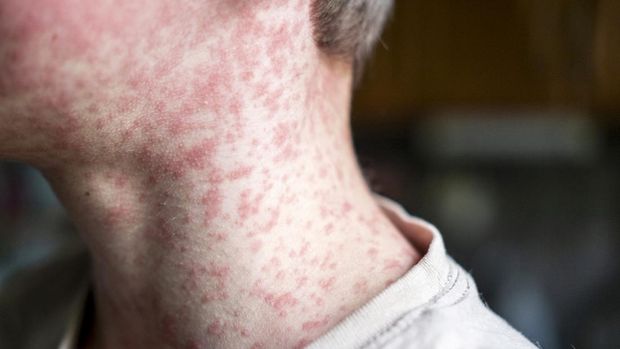
A hallmark sign of measles, and a key differentiator from chickenpox, is the characteristic rash. This rash typically begins to appear 3 to 5 days after the initial symptoms emerge. It first manifests as small, flat, reddish-brown spots that often start along the hairline on the forehead. From there, it progressively spreads downwards, covering the face, neck, trunk, and limbs. These spots may eventually merge to form larger, blotchy patches.
Another distinctive feature of measles, though not always present, are Koplik’s spots. These are tiny, bluish-white dots surrounded by a red halo, appearing on the inside of the cheeks, typically opposite the molars. They often appear one to two days before the onset of the skin rash and are considered pathognomonic for measles.
The measles rash itself is generally not itchy and resolves within 5 to 6 days, fading in the same order it appeared, often leaving behind a brownish discoloration and peeling of the skin.
Chickenpox: A Different Viral Culprit
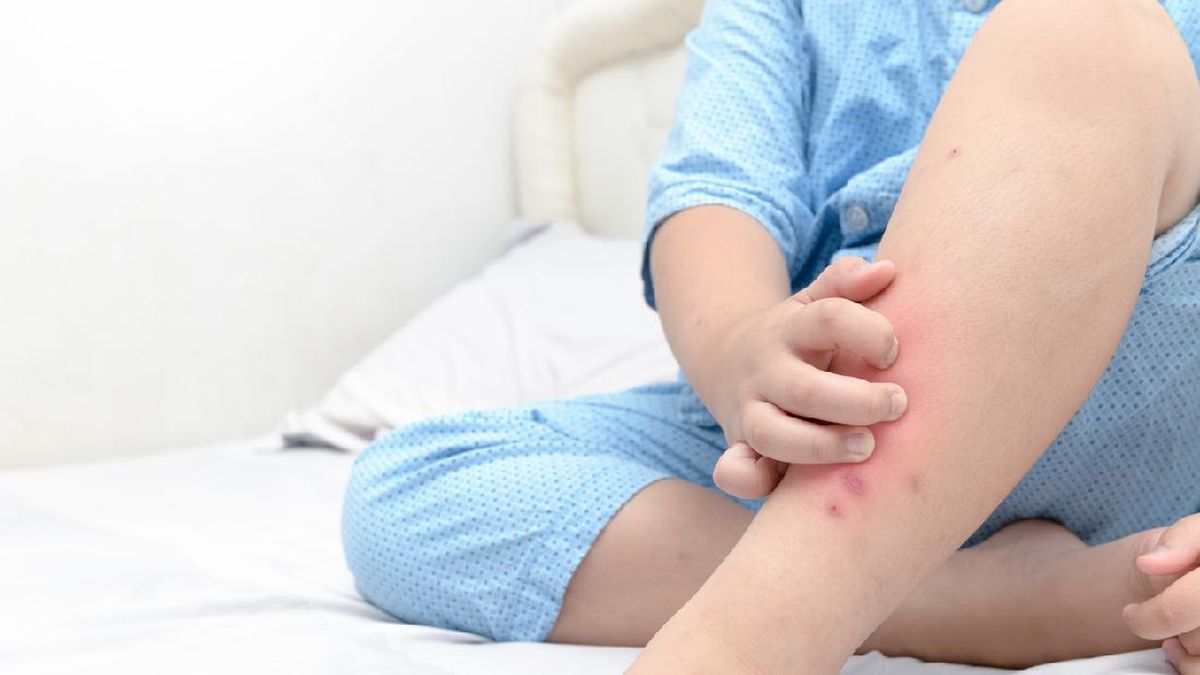
Chickenpox, medically known as varicella, is also a highly contagious viral illness caused by the varicella-zoster virus (VZV). Like measles, it spreads easily through direct contact with the rash or through respiratory droplets from an infected person. Before the introduction of the varicella vaccine in the United States in 1995, nearly all children contracted chickenpox, with an estimated 4 million cases annually. While the vaccine has significantly reduced the number of cases, it remains a concern, especially for unvaccinated individuals.
Key Symptoms of Chickenpox
The incubation period for chickenpox is generally between 10 to 21 days after exposure. The initial symptoms can be mild and may include:
- Mild Fever: A low-grade fever, usually not as high as that seen in measles.
- Headache: A dull, persistent headache.
- Fatigue: A general feeling of tiredness and malaise.
- Loss of Appetite: Reduced desire to eat.
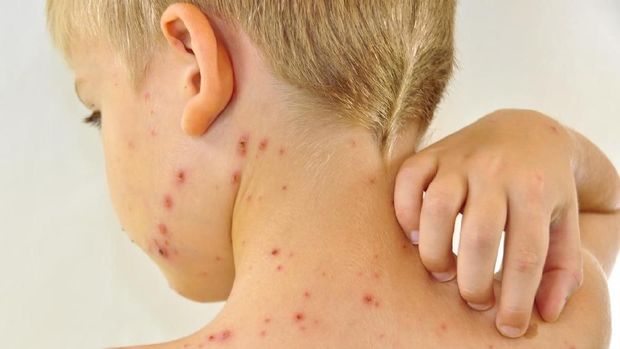
The defining characteristic of chickenpox is its distinctive itchy rash, which progresses through several stages. It typically begins as small, red spots that appear on the chest, abdomen, face, and back, and then spread to the rest of the body, including the arms, legs, and sometimes even inside the mouth and ears.
Within 24 to 48 hours, these red spots transform into fluid-filled blisters, known as vesicles. These blisters are intensely itchy and are the most recognizable feature of chickenpox. The number of blisters can vary widely, from a few dozen to over 500.
Following the blistering stage, the vesicles rupture and begin to form crusts or scabs. This scab formation is a crucial indicator that the person is no longer contagious. The scabs typically fall off within one to two weeks, leaving behind temporary pinkish marks that usually fade over time.
Differentiating the Itch and Rash: A Crucial Distinction
The most significant difference between measles and chickenpox lies in the nature of the rash and the associated itching.
- Measles Rash: Characterized by flat, red spots that can merge into blotchy patches. It is generally not itchy.
- Chickenpox Rash: Begins as red spots that rapidly develop into fluid-filled blisters. This rash is intensely itchy.
This difference in itchiness is a primary clue for distinguishing between the two diseases. While both can cause discomfort, the severe itching associated with chickenpox is a significant symptom that requires management.
Treatment Approaches: Addressing Viral Infections
Since both measles and chickenpox are viral infections, antibiotics are ineffective against them. Treatment focuses on managing symptoms and preventing complications.
Managing Measles:
- Symptomatic Relief: Treatment for measles primarily involves rest, adequate hydration, and fever-reducing medications like acetaminophen or ibuprofen.
- Vitamin A Supplementation: In regions where measles is common and vitamin A deficiency is prevalent, vitamin A supplementation is recommended. Studies have shown that vitamin A can reduce the severity of measles and the risk of complications, particularly in children. The World Health Organization (WHO) recommends vitamin A supplementation for all children diagnosed with measles in areas with high mortality rates from the disease.
- Preventing Complications: Complications of measles can include ear infections, pneumonia, encephalitis (brain inflammation), and, in rare cases, death. Prompt medical attention is essential if any signs of complications arise.
Managing Chickenpox:
- Itch Relief: The primary concern with chickenpox is the intense itching. Over-the-counter antihistamines can help alleviate this discomfort. Calamine lotion or cool baths can also provide soothing relief.
- Antiviral Medications: For individuals at high risk of severe chickenpox, such as those with weakened immune systems, antiviral medications like acyclovir may be prescribed. These medications are most effective when started within 24 to 48 hours of the rash appearing.
- Preventing Secondary Infections: It is crucial to prevent scratching, as this can lead to secondary bacterial infections of the skin. Keeping fingernails short and encouraging children to wear mittens can help.
Home Care for Both Illnesses
Regardless of whether it is measles or chickenpox, certain home care measures can aid in recovery and comfort:
- Rest: Ample rest is vital for the body to fight off the viral infection.
- Hydration: Maintaining good fluid intake is crucial, especially if a fever is present. Water, clear broths, and diluted juices are good options.
- Avoid Irritants: For measles, avoiding smoke and other airborne irritants can help with respiratory symptoms. For chickenpox, wearing loose, soft clothing can prevent irritation to the rash.
- Hygiene: Maintaining good hygiene is important to prevent the spread of the virus to others. Infected individuals should practice good handwashing and avoid close contact with others until they are no longer contagious.
The Power of Prevention: Vaccination as the Primary Defense
The most effective strategy for preventing both measles and chickenpox is vaccination.
Measles Vaccination:
The measles vaccine is typically administered as part of the measles, mumps, and rubella (MMR) vaccine or the measles, mumps, rubella, and varicella (MMRV) vaccine. The recommended vaccination schedule in many countries includes two doses:
- First Dose: Between 12 and 15 months of age.
- Second Dose: Between 4 and 6 years of age.
The MMR vaccine is highly effective, with two doses providing approximately 97% protection against measles. Widespread vaccination programs have led to a dramatic reduction in measles cases globally. However, pockets of unvaccinated individuals can lead to outbreaks. For example, in recent years, there have been concerning resurgences of measles in various parts of the world, often linked to declining vaccination rates. According to the Centers for Disease Control and Prevention (CDC), as of early 2024, several countries have reported significant increases in measles cases compared to previous years, highlighting the ongoing importance of vaccination.
Chickenpox Vaccination:
The varicella vaccine is also highly effective in preventing chickenpox. Similar to the MMR vaccine, it is typically given in two doses:
- First Dose: Between 12 and 15 months of age.
- Second Dose: Between 4 and 6 years of age.
The varicella vaccine provides about 85-90% protection against chickenpox infection. For those who do contract chickenpox after vaccination, the illness is usually much milder. The widespread use of the chickenpox vaccine has led to a substantial decrease in the number of cases and hospitalizations related to the disease.
Broader Implications and Public Health Considerations
The distinction between measles and chickenpox extends beyond individual health concerns to broader public health implications. The high contagiousness of measles, in particular, necessitates robust public health surveillance and rapid response mechanisms to contain outbreaks. Declining vaccination rates, whether due to vaccine hesitancy, access issues, or other factors, pose a significant threat to herd immunity – the indirect protection conferred to unvaccinated individuals when a sufficiently high proportion of the population is immune.
The resurgence of measles in some regions underscores the fragility of the progress made in disease eradication. Public health officials continuously emphasize the critical role of vaccination in safeguarding communities from these preventable diseases. Educational campaigns aimed at dispelling misinformation and promoting vaccine confidence remain paramount.
In conclusion, while both measles and chickenpox present with characteristic rashes, understanding the nuances of their symptoms, particularly the nature of the rash and itching, is essential for accurate diagnosis. Measles typically features flat, non-itchy red spots, while chickenpox is characterized by intensely itchy, fluid-filled blisters. Both diseases are preventable through highly effective vaccines, which remain the cornerstone of public health efforts to control and ultimately eliminate these viral illnesses. Adhering to recommended vaccination schedules and seeking prompt medical advice when symptoms arise are crucial steps in protecting individuals and communities from the burden of measles and chickenpox.