Azin Asro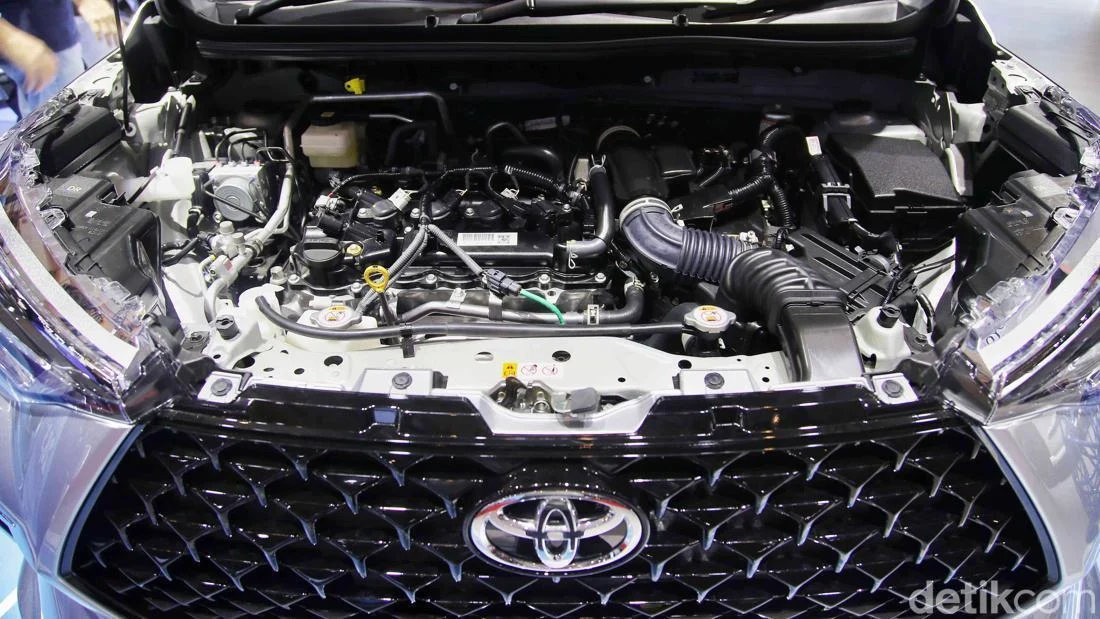
The automotive landscape in Southeast Asia, particularly in Indonesia, is witnessing a significant transformation as Toyota expands its electrified vehicle lineup with the introduction of the Toyota Veloz Hybrid EV. As a staple in the Multi-Purpose Vehicle (MPV) segment, the Veloz has long been a favorite for families seeking a balance of space, comfort, and reliability. However, the transition to a hybrid powertrain introduces new technical complexities that owners and enthusiasts must understand to maximize the vehicle’s longevity and efficiency. One of the most common questions surrounding the New Veloz Hybrid is the presence of a traditional 12-volt lead-acid battery despite the inclusion of a high-capacity lithium-ion hybrid battery. This dual-battery configuration is central to the vehicle’s architecture, serving distinct but interconnected roles in the car’s operation.
The Dual Battery Strategy: Roles and Functions
The Toyota Veloz Hybrid EV operates on a sophisticated Series-Parallel Hybrid System. This system utilizes a lithium-ion battery pack with a capacity of approximately 0.7 kWh, which powers an electric motor capable of producing 80 PS. While this high-voltage battery is the primary source of propulsion in EV mode and provides torque assistance to the internal combustion engine, it does not replace the need for a conventional 12-volt battery.
According to technical experts at Auto2000, Toyota’s largest dealer network in Indonesia, the small 12-volt battery remains a critical component for the vehicle’s low-voltage electrical ecosystem. Its primary function is to supply power to the Electronic Control Unit (ECU), lighting systems (headlights, cabin lights, and indicators), the audio system, the horn, and various other electronic sensors. Without this 12-volt supply, the vehicle’s "brain" cannot initiate the startup sequence. Even though the hybrid motor-generator (MG1) is responsible for cranking the gasoline engine, the initial signal to engage the hybrid system and close the high-voltage relays must come from the 12-volt system.
Furthermore, the 12-volt battery acts as a buffer for the electrical system, ensuring that voltage fluctuations do not damage sensitive electronic components. While the high-voltage battery is charged through regenerative braking and the engine-driven generator, the 12-volt battery is maintained via a DC-DC converter that steps down the voltage from the hybrid pack. Despite this automated charging process, the 12-volt battery is still subject to wear and tear, requiring regular maintenance to prevent "soak" or total discharge, which would render the vehicle unable to start.
Strategic Placement and Cabin Ergonomics
One of the engineering challenges in converting a traditional MPV into a hybrid is the placement of the battery pack without compromising passenger space or cargo capacity. For the Veloz Hybrid, Toyota engineers opted to place the lithium-ion battery under the front passenger seat. This location is strategically chosen for several reasons:
- Center of Gravity: By placing the heavy battery pack low and toward the center of the chassis, Toyota improves the vehicle’s weight distribution, leading to better handling and stability.
- Cargo Preservation: Placing the battery under the seat ensures that the rear cargo area remains identical to the standard internal combustion engine (ICE) version, a crucial factor for MPV buyers who prioritize utility.
- Safety and Protection: The under-seat location provides a structural "cage" that protects the battery from side and rear-end collisions, while also keeping it away from the heat of the exhaust system and the vulnerability of the undercarriage.
This placement mirrors the design philosophy seen in the Toyota Kijang Innova Zenix Hybrid, suggesting a standardized approach across Toyota’s front-wheel-drive (TNGA-based) hybrid platforms in the region.
Thermal Management and the Importance of Battery Vents
The longevity of a lithium-ion battery is heavily dependent on its operating temperature. To manage heat, the Veloz Hybrid features a dedicated air-cooling system for the battery pack. On the side of the battery casing, typically located near the base of the seat or the floorboard, there are specific air intake vents (kisi-kisi) designed to circulate cabin air through the battery cells.
Sapta Nugraha, Head of the Auto2000 Cilandak Workshop, has issued a cautionary note regarding these vents. Experience with the Innova Zenix Hybrid showed that some users, unaware of the vents’ function, would inadvertently block them with floor mats, luggage, or aftermarket seat covers. Blocking these vents prevents the battery from cooling down during heavy use or in high ambient temperatures, which can lead to overheating. If the battery exceeds its optimal temperature range, the system will reduce performance to protect the hardware, and in extreme cases, the lifespan of the battery cells could be significantly shortened.
Understanding the "100 Percent" Charge Indicator
A common point of confusion for new hybrid owners is the battery level indicator on the Multi-Information Display (MID). Many drivers expect to see the battery reach a 100 percent state of charge (SoC), similar to a smartphone. However, the Veloz Hybrid’s software is designed to prevent the battery from reaching a true 100 percent charge or dropping to 0 percent.
This "buffer zone" is essential for two reasons. First, lithium-ion batteries degrade faster if they are constantly held at absolute maximum or minimum capacity. By keeping the SoC between roughly 40% and 80%, Toyota maximizes the "battery health" and ensures the pack lasts for the duration of the vehicle’s life. Second, the system must always leave "room" in the battery to accept energy from regenerative braking. When the vehicle decelerates, coasts downhill, or the driver applies the brakes, the electric motor acts as a generator, converting kinetic energy back into electricity. If the battery were already at 100 percent, this energy would have nowhere to go, resulting in a loss of efficiency and increased wear on the mechanical braking system.
Performance Metrics and Fuel Efficiency
The primary draw of the Veloz Hybrid is its remarkable fuel efficiency. In internal and standardized testing, the vehicle has demonstrated the ability to reach a fuel consumption rate of 28.9 kilometers per liter. This is a staggering improvement over the standard 1.5L gasoline Veloz, which typically averages between 13 and 16 km/liter in mixed driving conditions.
This efficiency is achieved through the synergy of the 2NR-VEX engine and the electric motor. The hybrid system allows the engine to remain off during low-speed crawling and idling—scenarios where traditional engines are at their least efficient. In heavy urban traffic, the Veloz Hybrid can operate as a pure electric vehicle for short distances, significantly reducing both fuel costs and tailpipe emissions.
The Critical Link: MG1 and Vehicle Start-up
A vital technical detail that underscores the complexity of the hybrid system is the role of the Motor-Generator 1 (MG1). Unlike traditional cars that use a separate starter motor powered by the 12-volt battery to crank the engine, the Veloz Hybrid uses MG1 to spin the engine up to its operating RPM.
Because MG1 is powered by the high-voltage hybrid battery, a failure in the hybrid system—or a completely depleted hybrid battery—means the gasoline engine cannot be started. This creates a paradox where the vehicle is dependent on its electric components to utilize its gasoline engine. This is why Toyota emphasizes the importance of the 8-year warranty on the hybrid battery, as it is the heartbeat of the entire powertrain.
Warranty and Consumer Protection
To alleviate concerns regarding the long-term reliability of hybrid technology, Toyota-Astra Motor has established a comprehensive warranty structure for the Veloz Hybrid.
- 12-Volt Battery: Covered for 1 year or 20,000 kilometers, whichever comes first. This reflects the standard lifespan and maintenance expectations for lead-acid batteries.
- Hybrid Battery (High Voltage): Covered for 8 years or 160,000 kilometers. This industry-leading warranty is designed to give second-hand buyers and long-term owners peace of mind, ensuring that the most expensive component of the vehicle is protected.
Chronology of Toyota’s Hybrid Expansion in Indonesia
The launch of the Veloz Hybrid is not an isolated event but part of a broader "Multi-Pathway" strategy by Toyota to achieve carbon neutrality.
- 2009-2019: Toyota introduced early hybrid models like the Prius and Camry Hybrid, focusing on the premium segment to test market readiness.
- 2020-2022: The introduction of the Corolla Cross Hybrid and the locally produced Kijang Innova Zenix Hybrid marked a shift toward more accessible, mass-market hybrid vehicles.
- 2023-2024: The Veloz Hybrid enters the "low" MPV and "sub-compact" MPV segment, targeting the largest volume of car buyers in the country.
This timeline shows a clear progression from niche luxury technology to a mainstream alternative for the average family, reflecting improvements in production costs and infrastructure.
Market Implications and Competitor Analysis
The introduction of the Veloz Hybrid places Toyota in a strong position against competitors such as the Mitsubishi Xpander HEV and the Suzuki Ertiga Hybrid (which uses a mild-hybrid system). Unlike "mild" hybrids that only provide a small boost and cannot drive on electricity alone, the Veloz’s "full" hybrid system offers a more substantial leap in fuel economy.
From an economic perspective, the Veloz Hybrid is positioned to benefit from potential government incentives for low-emission vehicles. While pure Battery Electric Vehicles (BEVs) receive the most significant tax breaks, hybrids are increasingly seen as a more practical "bridge" technology for regions where charging infrastructure is still developing. For the consumer, the higher upfront cost of the hybrid variant is typically offset by fuel savings within three to five years of ownership, depending on annual mileage.
Conclusion: A New Standard for Family Mobility
The Toyota Veloz Hybrid EV represents a sophisticated blend of traditional automotive reliability and modern electrical engineering. By maintaining a dual-battery system, Toyota ensures that the vehicle remains compatible with standard 12-volt accessories while delivering the high-voltage power needed for exceptional fuel efficiency.
The success of this model will likely depend on consumer education. Owners must be diligent about maintaining the 12-volt battery and ensuring the hybrid battery’s cooling vents remain unobstructed. As Toyota continues to roll out its hybrid technology across its most popular models, the Veloz Hybrid stands as a testament to the viability of electrified transport in the developing world, proving that efficiency does not have to come at the expense of practicality or cabin space. With its 28.9 km/liter capability and robust warranty, the Veloz Hybrid is set to redefine what families expect from their daily drivers in the era of green mobility.