Lusiana Hamidun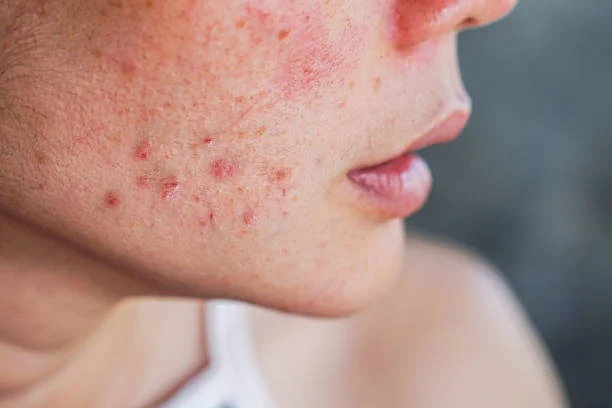
When embarking on a new skincare regimen, it’s not uncommon for the face to exhibit perplexing reactions, such as the sudden appearance of acne or uneven skin texture. This phenomenon is often identified as "purging," a temporary condition wherein the skin acclimatizes to a novel product that accelerates cellular regeneration. Understanding the distinct characteristics of purging is paramount to avoid unnecessary panic and to prevent discontinuing treatments that may prove highly effective in the long run, such as serums containing retinol or mild chemical exfoliants. Conversely, breakouts represent a different dermatological response, typically triggered by external factors or irritation rather than the skin’s inherent regenerative process. Differentiating between these two reactions is crucial for implementing appropriate skincare strategies and ensuring overall skin health.
The Science Behind Skin Purging: A Temporary Adjustment Period
Skin purging is a dermatological phenomenon that occurs when a new skincare product, particularly those containing active ingredients that expedite skin cell turnover, is introduced into a routine. Ingredients such as retinoids (including retinol and its derivatives), alpha-hydroxy acids (AHAs) like glycolic acid and lactic acid, and beta-hydroxy acids (BHAs) like salicylic acid are known to accelerate the rate at which skin cells regenerate. This increased cell turnover pushes underlying congestion—such as sebum, dead skin cells, and bacteria trapped within pores—to the surface more rapidly. Consequently, areas of the skin that are prone to breakouts may experience a temporary flare-up.
Dr. Ava Shamban, a board-certified dermatologist in Los Angeles, explains, "Purging is essentially the skin’s way of fast-forwarding the natural cell turnover process. When you introduce an ingredient that speeds this up, any clogged pores or microcomedones that were already forming beneath the surface are brought to the top more quickly. It’s not new acne being created; it’s existing congestion coming to a head."
The timeline for purging can vary, but it typically lasts between two to six weeks. This duration aligns with the skin’s natural renewal cycle, which is approximately 28 days for younger individuals and can extend to 40-60 days for older adults. During this period, the skin is actively shedding older cells and generating new ones, bringing latent blemishes to the surface.
Identifying the Signs of Skin Purging
Recognizing the tell-tale signs of skin purging is essential to distinguish it from a genuine breakout caused by irritation or adverse reaction. This discernment allows individuals to remain patient with their new skincare regimen and avoid discontinuing products that are, in fact, beneficial.
1. Appearance of Small Bumps in Prone Areas
A hallmark of purging is the emergence of small, non-inflammatory bumps or whiteheads primarily in areas of the face that are already prone to acne. These commonly include the forehead, chin, and nose. The increased cell turnover brought about by active ingredients pushes existing blockages to the surface, manifesting as these minor blemishes. Unlike typical acne, these purging-related bumps tend to heal relatively quickly.
2. Mild Redness or Irritation
During the purging phase, the skin might exhibit mild redness or a sensation of warmth. This is a normal inflammatory response associated with the accelerated cell turnover and the shedding of old skin cells. The irritation is generally superficial and temporary, subsiding as the skin adapts to the new product.
3. Tightness or Dryness of the Skin
The increased shedding of skin cells during purging can sometimes lead to a sensation of tightness or dryness. This occurs as the outer layer of the skin is renewed. While these symptoms can be uncomfortable, they are usually manageable with proper hydration and are indicative of the skin’s active response to the treatment.
4. Rapid Onset and Resolution of Blemishes
One of the key differentiators of purging is the speed at which blemishes appear and disappear. Purged pimples tend to surface quickly and resolve within a few days to a week. This contrasts with breakouts caused by irritation, which may linger for longer periods and develop into more inflamed lesions.
5. Localized to Areas of Existing Congestion
Purging typically manifests in areas where the skin is already prone to clogged pores and breakouts. It does not usually appear in areas of the face that are historically clear. This localized pattern helps differentiate it from a widespread breakout that might signal an allergic reaction or sensitivity to a product.
Understanding the Distinction: Breakouts vs. Purging
While both purging and breakouts involve the appearance of acne, their underlying causes and characteristics differ significantly. Misinterpreting a breakout as purging can lead to continued use of an irritating product, exacerbating the skin’s condition.
Breakouts: An Adverse Reaction to External Factors
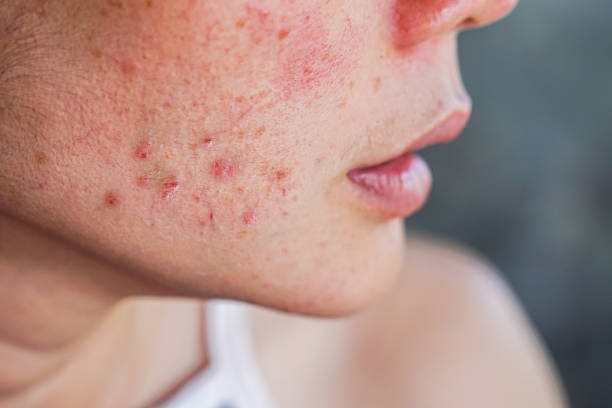
A breakout is an inflammatory response of the skin to irritants, allergens, or internal factors. This can include:
- Harsh Skincare Products: Ingredients that are too potent, overly abrasive, or incompatible with the skin’s natural barrier can trigger breakouts. This can include certain fragrances, preservatives, or high concentrations of active ingredients without proper formulation.
- Allergic Reactions: The skin can develop an allergy to specific ingredients in skincare, leading to redness, itching, swelling, and the eruption of pustules or papules.
- Hormonal Fluctuations: Significant shifts in hormone levels, often associated with menstruation, pregnancy, or stress, can lead to increased sebum production and consequently, breakouts.
- Environmental Factors: Pollution, humidity, and even friction from clothing or masks can clog pores and lead to acne.
- Diet and Lifestyle: While controversial, some studies suggest a link between high-glycemic diets and dairy consumption and acne severity in certain individuals. Stress is also a known contributor.
Breakouts are often characterized by:
- Inflamed and Painful Lesions: Breakouts tend to present as red, swollen, and often painful pimples, pustules, or cysts.
- New Areas of Eruption: Unlike purging, breakouts can appear in areas of the face that were previously clear, indicating a generalized reaction.
- Longer Duration: Breakout lesions typically take longer to heal and may leave behind post-inflammatory hyperpigmentation or scarring.
- Widespread Nature: Breakouts can sometimes spread across larger areas of the face or even the body.
A study published in the Journal of the American Academy of Dermatology highlighted that identifying the specific cause of acne is crucial for effective treatment. While purging is a predictable outcome of certain skincare ingredients, breakouts signal an issue that needs to be addressed by removing the offending factor or seeking medical intervention.
Navigating the Skincare Landscape: Strategies for Managing Purging and Breakouts
Successfully managing these skin reactions requires a nuanced approach, combining patience with strategic skincare practices.
1. Accurate Identification: The First Line of Defense
The initial and most critical step is correctly identifying whether the skin is purging or experiencing a breakout. Observing the location, type of blemishes, and their healing trajectory provides vital clues. If the eruption is in a familiar breakout zone, resolves quickly, and accompanies a new active ingredient, it is likely purging. If it appears in new areas, is highly inflamed, painful, or persists for an extended period, it signals a breakout that warrants a different approach.
2. Opt for Gentle and Soothing Skincare Products
During periods of purging or breakouts, the skin barrier can be compromised. It is imperative to switch to gentle, non-comedogenic, and fragrance-free products. This includes:
- Cleansers: Mild, hydrating cleansers that do not strip the skin of its natural oils are essential. Look for ingredients like ceramides or hyaluronic acid.
- Moisturizers: Lightweight, oil-free moisturizers are crucial for maintaining hydration without clogging pores. Ingredients like niacinamide can help calm inflammation.
- Serums: While introducing active ingredients, it’s wise to stick to formulas that are well-tolerated. Serums with soothing agents like centella asiatica (cica) or green tea extract can be beneficial.
A report from the British Journal of Dermatology emphasized the importance of a healthy skin barrier in preventing and managing acne, noting that harsh cleansing and over-exfoliation can disrupt this barrier, leading to increased inflammation and breakouts.
3. Resist the Urge to Pick or Squeeze
This advice is universally applicable but especially critical during purging and breakouts. Picking or squeezing blemishes can introduce bacteria, increase inflammation, delay healing, and lead to permanent scarring and hyperpigmentation. Allowing lesions to heal naturally, perhaps with the assistance of targeted spot treatments formulated with ingredients like salicylic acid or benzoyl peroxide (used judiciously), is the safest course of action.
4. Maintain Consistency with Your Skincare Routine
When dealing with purging, consistency is key. Discontinuing an active ingredient prematurely because of a temporary flare-up can hinder the long-term benefits of the product. It is important to allow the skin sufficient time to adjust. However, if the reaction persists beyond the expected purging window or intensifies significantly, it might indicate a breakout, and re-evaluation of the product is necessary.
5. Seek Professional Dermatological Advice
If breakouts are severe, persistent, painful, or accompanied by other concerning symptoms, consulting a dermatologist is paramount. A dermatologist can accurately diagnose the cause of the acne and prescribe appropriate treatments, which may include:
- Topical Medications: Prescription-strength retinoids, topical antibiotics, or azelaic acid.
- Oral Medications: Antibiotics, hormonal therapies (like birth control pills for women), or isotretinoin for severe cases.
- In-Office Treatments: Chemical peels, microdermabrasion, or laser therapy.
The American Academy of Dermatology strongly recommends professional consultation for persistent or severe acne, stating that early and appropriate treatment can significantly improve outcomes and reduce the risk of long-term scarring.
The Broader Implications: Skincare as Self-Care
Understanding the difference between purging and breakouts is not merely about managing acne; it’s about cultivating a more informed and empathetic approach to skincare. This knowledge empowers individuals to make wiser choices regarding their product selection and routine, fostering a sense of control and reducing anxiety associated with skin concerns.
The journey of skincare is often a marathon, not a sprint. Patience, consistency, and a willingness to learn about one’s unique skin needs are integral to achieving and maintaining healthy, radiant skin. By demystifying phenomena like purging and breakouts, individuals can navigate their skincare routines with greater confidence, ultimately enhancing not only their complexion but also their self-esteem and overall well-being. The pursuit of clear skin is intrinsically linked to self-care, and this understanding is a vital component of that holistic approach.