Nila Kartika Wati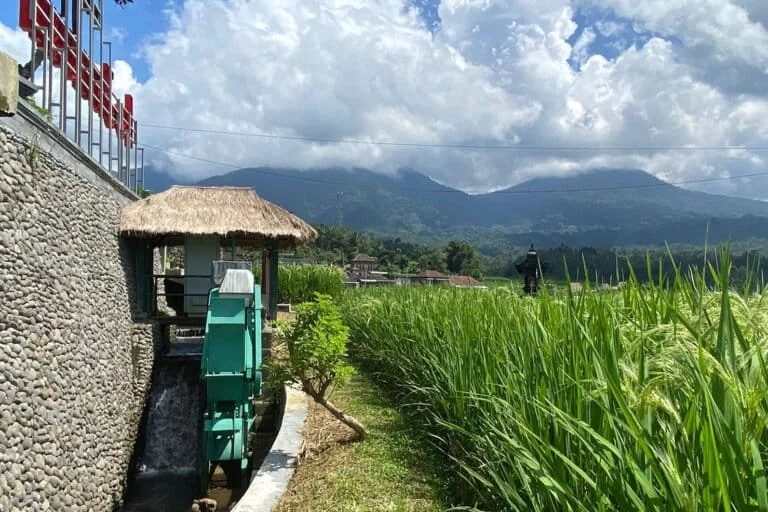
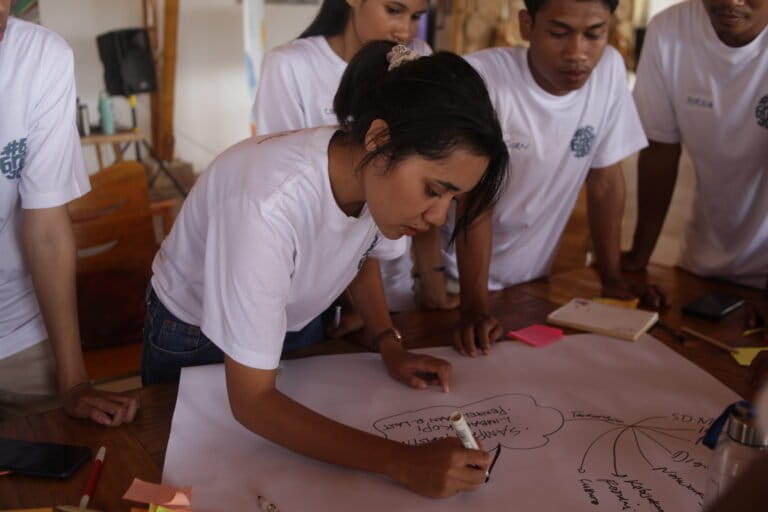
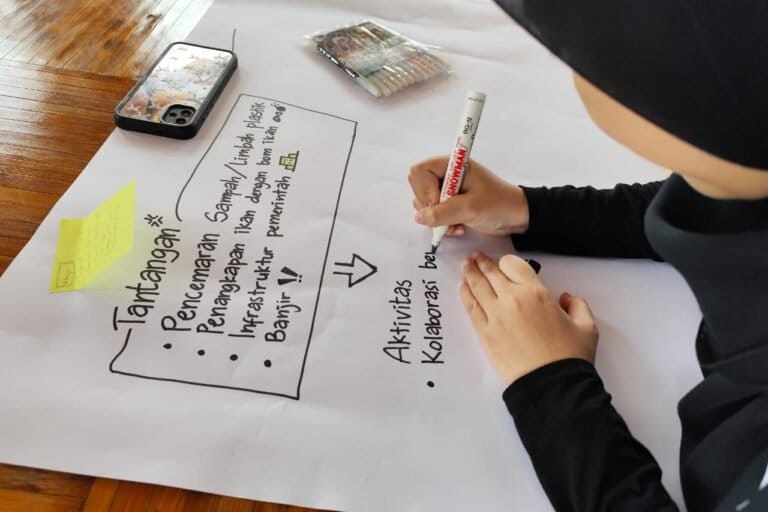
Against the scenic backdrop of Lasiana Beach in Kupang, East Nusa Tenggara (NTT), a transformative gathering of minds took place as the year 2025 approached its final quarter. Dozens of young individuals—comprising community leaders, university students, academics, and journalists—convened to dismantle the complexities of the climate crisis and explore the burgeoning landscape of "green jobs." Organized by Koaksi Indonesia, the Green Jobs Workshop served as a strategic forum to bridge the gap between the province’s vast renewable energy potential and the readiness of its local workforce.
The event, which saw the participation of 50 selected youth representatives, focused on capacity building and leadership. As Indonesia navigates a national transition toward a low-carbon economy, regions like NTT are increasingly viewed as the frontiers of this shift. However, the transition requires more than just infrastructure; it demands a generation of professionals equipped to manage, innovate, and advocate for sustainable development.
The Renewable Energy Landscape of East Nusa Tenggara
East Nusa Tenggara holds a unique position in Indonesia’s energy map. According to Ridwan Arif, Manager of Research and Knowledge Management at Koaksi Indonesia, the province is a "gold mine" for renewable resources. Data from the National Energy General Plan (RUEN) highlights a staggering potential: 7.2 gigawatts (GW) of solar energy, 10.1 GW of wind energy (bayu), 0.24 GW of bioenergy, and approximately 95 megawatts (MW) from hydro sources, including mini-hydro and micro-hydro projects.
Despite these resources, NTT faces a significant developmental hurdle. The province’s electrification ratio stands at approximately 89.22%, one of the lowest in the country, trailing behind West Papua’s 88.80%. This energy deficit is not merely a technical failure but an economic barrier. The lack of reliable power hampers the growth of local industries and limits the quality of life for millions.
Koaksi Indonesia’s previous engagements in the region, including a pre-feasibility study for Solar Power Plants (PLTS) in South Central Timor (TTS) and research into clean water access, suggest that renewable energy is the most viable path forward. The implementation of these technologies serves a dual purpose: fulfilling basic household needs and catalyzing economic upliftment through the creation of localized employment.
Quantifying the Employment Impact of Green Transitions
The shift to green energy is often discussed in abstract terms, but the workshop provided concrete projections on job creation. For every 1 gigawatt of micro-hydro power capacity built, an estimated 2,870 workers are required. These roles are not limited to manual labor; they span a sophisticated value chain including:
- Feasibility Studies: Environmental and technical assessments to ensure project viability.
- Basic Design and Engineering: Specialized technical planning.
- EPC (Engineering, Procurement, and Construction): Project management and large-scale infrastructure execution.
- Operations and Maintenance: Long-term technical support to ensure system longevity.
- Repair Services: Specialized mechanical and electrical troubleshooting.
Beyond energy, NTT’s tourism sector is another pillar of the green economy. While the province is already a destination of choice for domestic and international travelers, the current model often lacks sustainability. Participants at the workshop argued that if tourism is managed with a focus on environmental preservation and the protection of local culture, it could open thousands of "green" positions in hospitality management, eco-guiding, and sustainable supply chain logistics.
Bridging the Gap: High Interest vs. Low Understanding
A pivotal challenge identified during the workshop is the disparity between youth interest and market-ready skills. A 2024 survey conducted by Koaksi Indonesia in collaboration with BOI Research revealed that 76% of young respondents expressed a strong interest in pursuing green careers once the concept was explained to them. However, prior to the explanation, their understanding of what constitutes a "green job" was remarkably shallow.
Fitrianti Sofyan, Communications and Campaign Manager for Koaksi Indonesia, emphasized that awareness must be built organically. "Young people who have directly felt the impacts of climate change—such as water scarcity or extreme weather patterns in NTT—are more likely to take action. The first step is helping them connect their lived experiences to the broader economic opportunities in the green sector," she stated.
This sentiment was echoed by Gluseppina, a 24-year-old psychology graduate from Kupang. Initially indifferent to environmental issues, her perspective shifted after engaging with the Climate Change Youth Group Coalition (KOPI). She now envisions a career where she can apply psychological research to environmental advocacy.
"As a researcher, I see a gap in how we communicate environmental awareness," Gluseppina explained. "I am interested in building systems within society using communication and social psychology to foster long-term environmental stewardship. Green jobs aren’t just for engineers; they are for anyone who can contribute to a sustainable ecosystem."
Academic and Institutional Support
The role of higher education in this transition cannot be overstated. Erich Umbu K. Maliwemu, Vice Dean of the Faculty of Science and Engineering at Nusa Cendana University (Undana), noted that NTT has the potential to become a global hub for solar energy and dryland studies.
Undana has already pioneered various innovations, including:
- Solar-powered desalination systems for coastal communities.
- Hydram pumps for irrigation in arid regions.
- The conversion of plastic waste into fuel.
- Solar-based post-harvest technologies to assist local farmers.
Maliwemu argued that to ensure local youth are the primary beneficiaries of the energy transition, universities must align their curricula with industry needs. The establishment of specialized programs, such as Geological Engineering or Renewable Energy Systems, is essential to prevent the "importation" of labor from other provinces or countries when large-scale projects are launched in NTT.
Policy Frameworks and the Path to 2045
The regional government has begun to integrate climate resilience into its long-term planning. Yohanes Paut, Head of the Infrastructure and Regional Division at Bapperida NTT, highlighted the Regional Action Plan for Climate Change Adaptation (RAD-API). This plan focuses on six priority sectors: agriculture, water resources, marine and fisheries, coastal management, ecosystems, and public health.
"When the environment is managed sustainably, the community gains more than just ecological services; they gain economic opportunities in waste management and land cover restoration," Paut noted. He further explained that with Indonesia’s looming "demographic bonus," NTT must ensure its productive-age population is healthy and vocationally trained. Without significant investment in education and health, the surge in the youth population could become a burden rather than an asset for the green transition.
However, systemic barriers remain. Yurgen Nubatonis, a member of the Supervisory Board of KOPI, pointed out that youth in remote areas of NTT face severe hurdles in accessing information and funding. "Many have brilliant ideas for sustainable agriculture or literacy communities, but they lack the ‘back-up’—the institutional support and financial capital—to scale their initiatives," he said.
Analysis: The Strategic Importance of the NTT Green Transition
The workshop in Kupang serves as a microcosm of the challenges facing the global south in the energy transition. For NTT, the "green jobs" movement is not merely an environmental imperative but a survival strategy.
The province’s heavy reliance on fossil fuels for its limited electricity grid is both expensive and unsustainable given its geography. By transitioning to a decentralized, renewable-based grid, NTT can bypass the traditional, centralized infrastructure models that have left its remote islands in the dark.
Furthermore, the integration of green jobs into diverse sectors—from graphic design to psychology—demonstrates that the green economy is an "inclusive" economy. If a graphic designer chooses to work for an organization focused on emission reduction, their role becomes a cog in the climate action machine. This broadening of the definition is crucial for mass adoption among a generation that is often forced to choose between "earning a living" and "making a difference."
As Indonesia works toward its goal of Net Zero Emissions by 2060, the roadmap to 2045 will be the most critical phase. The success of this roadmap depends on whether regional hubs like Kupang can transform their environmental challenges into economic springboards. The Green Jobs Workshop has laid the groundwork, but the transition will require sustained cross-sectoral collaboration between the government, academia, and the private sector to ensure that the "sun and wind" of NTT power not just the lights, but also the livelihoods of its people.