Nila Kartika Wati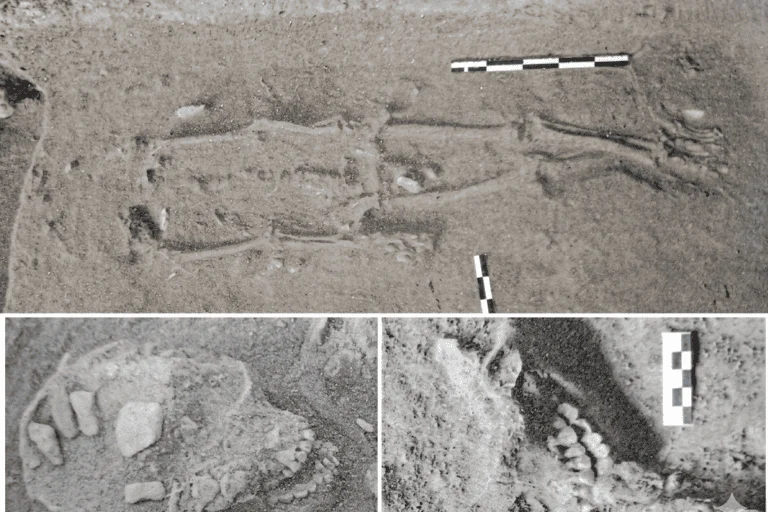
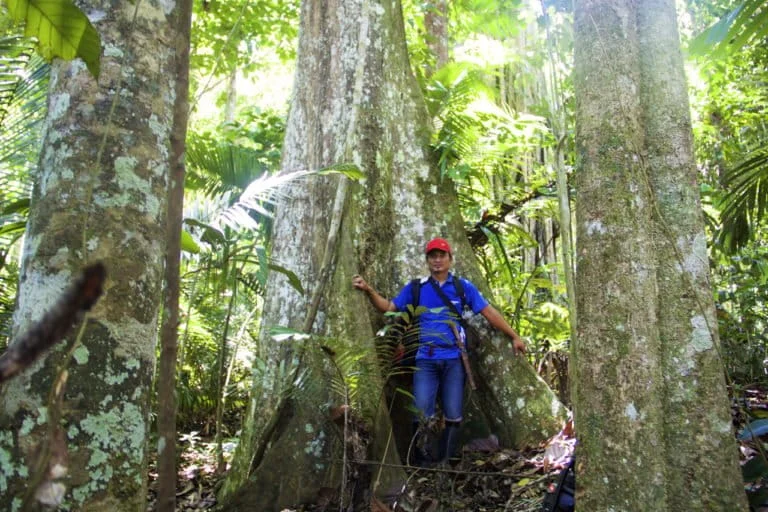
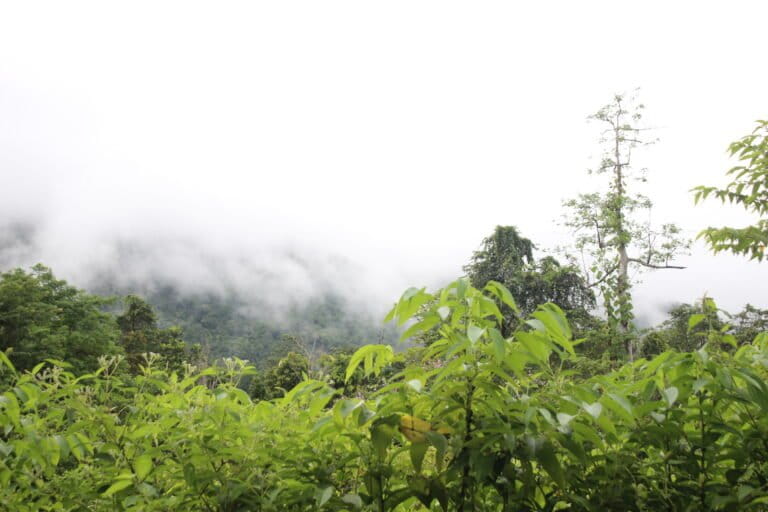
The Meratus Mountains, a majestic range slicing through the heart of South Kalimantan, have long been recognized as a biological sanctuary. However, beneath the dense tropical canopy and within the labyrinthine limestone corridors of its karst formations lies a much older story—one that traces the very origins of human habitation in the Indonesian archipelago. Systematic archaeological research conducted since the 1990s has unearthed a wealth of prehistoric evidence, suggesting that the Meratus landscape has served as a vital corridor and home for diverse human populations for thousands of years. From the discovery of Paleolithic stone tools to the haunting remains of ancient burials and enigmatic rock art, the region is emerging as a cornerstone of Southeast Asian paleoanthropology.
The Dawn of Discovery: Awangbangkal and the Paleolithic Era
The formal journey into the deep past of the Meratus Mountains began nearly a century ago. According to Bambang Sugiyanto, an archaeologist and author of "Culture in the Meratus Mountains Region in an Archaeological Perspective," the first tangible evidence of prehistoric life was identified in 1938. The discovery took place in Awangbangkal Village, located in the Karang Intan District of the Banjar Regency. This area, situated on the western slopes of the Meratus range, presented a relatively gentle topography that was highly conducive to early human settlement.
Archaeologists characterize these early inhabitants as practitioners of "open settlement" patterns. Unlike the cave-dwelling cultures that would follow, these early humans utilized the banks of major rivers, constructing rudimentary shelters from tree branches and foliage. These nomadic or semi-nomadic groups were heavily dependent on the surrounding environment for survival. The riverbanks provided not only a source of fresh water and aquatic protein but also a steady supply of raw materials for toolmaking.
The tools recovered from the Awangbangkal site are typical of the Paleolithic, or Old Stone Age. These include crude hand-axes and choppers fashioned from river stones. These implements were designed to be gripped directly in the palm, as the technology for attaching handles (hafting) had not yet been developed or adopted by these specific groups. The presence of these tools confirms that the western Meratus region was a site of active human exploration and resource processing long before the advent of settled agriculture.
The Environmental Transformation: The Riam Kanan Legacy
The archaeological record of the western Meratus region suffered a significant setback in the mid-20th century due to modern infrastructure development. In 1963, the Indonesian government initiated the flooding of the Awangbangkal landscape to facilitate the construction of the Riam Kanan Dam. Designed as a massive hydroelectric power plant (PLTA) to serve the growing energy needs of the province, the project created a vast reservoir that submerged numerous potential archaeological sites.
While the dam was a triumph for regional development, it effectively "drowned" a significant portion of the Paleolithic record. Archaeologists believe that many more open-air settlements and tool-making workshops lie beneath the waters of Riam Kanan, inaccessible to current research methods. This environmental shift forced a refocusing of archaeological efforts toward the higher elevations and the karst perimeters of the Meratus range, where natural shelters offered better preservation of organic remains and cultural artifacts.
The Shift to the Karst: Life in the Sheltered Caves
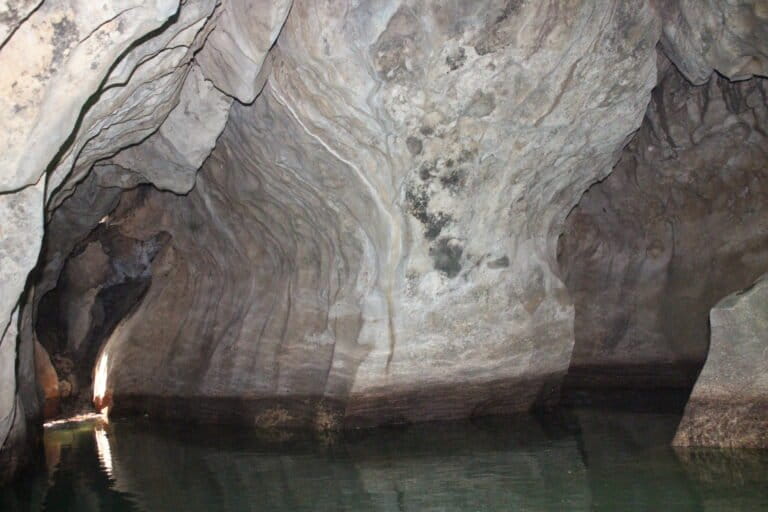
As the climate and social structures evolved, human habitation in the Meratus region transitioned from open riverbanks to the natural protection of the karst hills. This shift marked a move toward the use of caves and rock shelters (ceruk) as semi-permanent homes. These geological features provided a stable microclimate, protecting inhabitants from the tropical sun, heavy monsoon rains, and predatory wildlife.
A pivotal period of research occurred between 1995 and 2000, led by senior researcher Harry Widianto. His work in the Bukit Batu Buli area of Tabalong Regency uncovered two critical sites: Gua Babi (Pig Cave) and Gua Tengkorak (Skull Cave). These sites provided the first comprehensive look at the domestic lives of the Meratus cave dwellers.
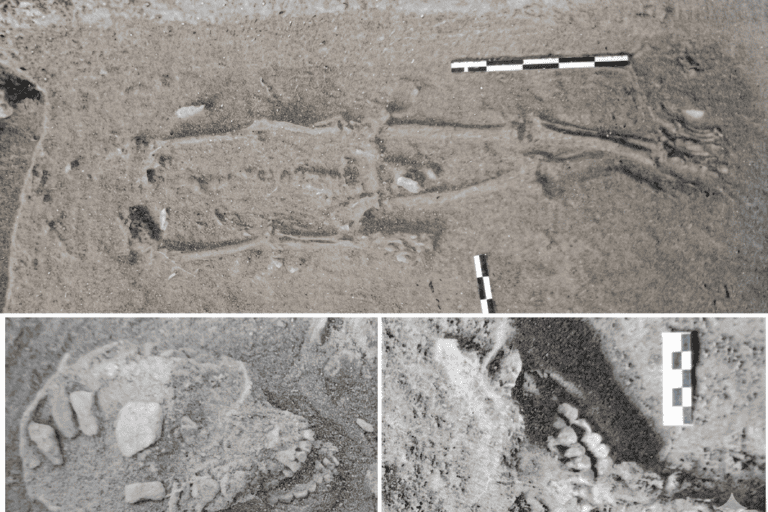
In Gua Babi, researchers discovered a "kitchen midden" or refuse heap containing the discarded remains of thousands of meals. These included charred animal bones, shells from freshwater mollusks, and human dental remains. The evidence suggests a diet rich in diverse forest resources. Meanwhile, Gua Tengkorak served a more somber purpose. Within its smaller confines, researchers discovered the skeletal remains of a woman, aged between 40 and 60 years at the time of her death. She was buried in a "flexed" or fetal position—a common prehistoric burial practice—marking the first discovery of an ancient human skeleton in South Kalimantan.
A Tale of Two Races: Australomelanesoid and Mongoloid Migrations
The findings in the Meratus Mountains highlight a complex demographic history involving two distinct racial groups: the Australomelanesoid and the Mongoloid. Anthropological analysis suggests that the inhabitants of the northern and western sites, such as those in Tabalong, belonged to the Australomelanesoid race. This group, characterized by dark skin, curly hair, and distinct cranial structures, is ancestral to the indigenous populations of Papua, Melanesia, and Australia.
The Australomelanesoid presence in Meratus dates back approximately 6,000 years. Their burial customs, specifically the flexed position found in Gua Tengkorak, are thought to symbolize a return to the womb, reflecting an early spiritual belief in the cycle of life and rebirth.
In contrast, the eastern karst regions of the Meratus range, particularly in the Tanah Bumbu and Kotabaru Regencies, show evidence of a later migration. Approximately 4,000 years ago, Mongoloid populations began to arrive. Originating from East and Southeast Asia, these groups brought different physical traits—such as lighter skin and straight hair—and different cultural practices.
In the Mantewe District of Tanah Bumbu, the site known as Liang Bangkai 10 revealed human remains buried in an extended, supine position. This shift in burial orientation often signifies a change in cosmological beliefs. In these cultures, the deceased’s head was frequently pointed toward a place of ancestral origin, such as a specific mountain peak or the sea. The coexistence or sequential arrival of these two groups suggests that the Meratus Mountains were a melting pot of prehistoric cultures, though researchers are still investigating whether these two distinct populations ever directly interacted.
The Artistic Legacy: Black Pigment Rock Art
Perhaps the most visually striking evidence of prehistoric life in the Meratus Mountains is the rock art found in the eastern karst districts. Hartatik, a researcher from the National Research and Innovation Agency (BRIN) specializing in ethnoarchaeology, has documented numerous "rock art" sites in the Hampang and Mantewe areas.
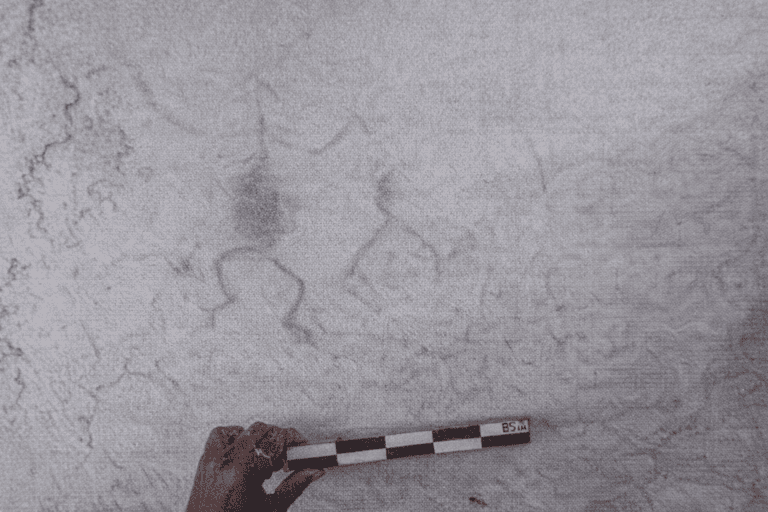
One of the most revered sites is Liang Batu Batulis in Kotabaru. Here, the ceilings of the cave are adorned with black drawings depicting four-legged animals, sun motifs, and boats. Similar drawings have been found in the Bukit Bangkai area of Tanah Bumbu. Unlike the famous red hematite handprints found in the caves of Maros-Pangkep in Sulawesi or the Sangkulirang-Mangkalihat karst in East Kalimantan, the Meratus art is predominantly black, created using charcoal.
"The use of black pigment suggests that the knowledge of mineral-based pigments like hematite was either unavailable or not yet adopted by these groups," Hartatik noted. Despite the simpler medium, the art is sophisticated. At Liang Bangkai 1, drawings located high on the cave walls depict humans in "spread-eagle" positions and various nautical themes. The presence of boat motifs is particularly significant, as it indicates a culture that was deeply connected to waterborne travel and perhaps coastal migration routes.
Migration Corridors and Regional Implications
The concentration of archaeological sites on the eastern side of the Meratus Mountains has led researchers to propose a "Northern Migration Route." This theory suggests that prehistoric groups migrated from the Philippines into Sulawesi, then crossed into Kalimantan, eventually moving toward the eastern islands of the Indonesian archipelago.
The Meratus karst acted as a natural waypoint in this migration. The abundance of flint-like stones (serpih bilah) found in Liang Bangkai 1—thousands of stone flakes resulting from tool production—indicates that these caves were not just shelters but active industrial hubs. The mixing of stone tools with pottery fragments (gerabah) in the upper soil layers shows a transition from the Mesolithic (Middle Stone Age) to the Neolithic (New Stone Age), where humans began to master ceramics and potentially settled agriculture.
The high density of sites in the east—with at least 26 identified caves and shelters in the Bukit Bangkai area alone—suggests that the eastern Meratus was a major population center for millennia. This regional connectivity places South Kalimantan at the heart of the "Austronesian Expansion" debate, providing crucial data on how early humans navigated the landmasses of Sundaland.
The Future of Meratus: Conservation and Cultural Identity
The ongoing archaeological revelations have added a new dimension to the discourse regarding the future of the Meratus Mountains. While environmentalists focus on the range’s role as a "water tower" and a biodiversity hotspot, anthropologists and historians are now emphasizing its status as a "living museum" of human history.
The recent discourse on designating the Meratus forest as a National Park has gained momentum. Such a designation would not only protect the endangered flora and fauna but also provide a legal framework for the preservation of these irreplaceable archaeological sites. Many of the caves, such as Liang Batu Batulis, are already considered sacred by local communities, blending prehistoric heritage with contemporary spiritual practices.
However, challenges remain. Illegal mining, land conversion for plantations, and unregulated cave tourism pose constant threats to the integrity of these sites. The black charcoal drawings, in particular, are highly susceptible to humidity changes and human touch.
As Indonesia continues to explore its prehistoric roots, the Meratus Mountains stand as a testament to the resilience and creativity of early humans. The transition from open-air river settlements to sophisticated cave-dwelling societies reflects a profound adaptability. By preserving the Meratus range, the nation preserves a library of human evolution, ensuring that the voices of the Australomelanesoid and Mongoloid ancestors who once roamed these hills are not silenced by the march of modern progress. The story of Meratus is far from complete; with every excavation, a new chapter of the Indonesian identity is written.