Chalifah Fatihah
Jakarta, CNN Indonesia – A video circulating on social media platforms has ignited widespread discussion and concern after it captured a healthcare worker dancing in an operating room at RSUD Datu Beru in Central Aceh. The incident, which occurred on January 31, 2022, has led to an apology from both the hospital administration and the nurse involved, underscoring the delicate balance between professionalism and personal expression in high-stakes medical environments.
The footage, which quickly went viral, depicts several medical personnel engaged in what appears to be a surgical procedure. Amidst the clinical setting, a nurse identified as Riga Septian Bahri, fully attired in surgical gear, is seen enthusiastically dancing. While other healthcare professionals in the room are visible, it is Riga’s energetic performance that has become the focal point of the viral clip. The video’s dissemination has sparked a range of reactions, from amusement to severe criticism regarding the appropriateness of such behavior within an operating theater.
Hospital Confirms Incident, Emphasizes Uninterrupted Procedure
Gusnarwin, the Director of RSUD Datu Beru, confirmed the authenticity of the video, stating that it was indeed recorded within an operating room at the facility. However, he was quick to add that the surgical procedure was not compromised by the nurse’s actions. "It is true that it was done in the operating room. However, in this case, the operation proceeded according to procedure and did not disrupt the course of the operation," Gusnarwin stated in a press conference, as reported by detikSumut. This assertion aims to mitigate concerns about patient safety, a paramount consideration in any medical setting.
The hospital administration has acknowledged the seriousness of the situation and its potential to erode public trust. In response to the viral video, RSUD Datu Beru issued a formal apology to the public. This apology seeks to address the unease and disapproval expressed by many who viewed the footage. The incident has highlighted the need for stringent adherence to professional conduct, particularly in environments where patient well-being is the absolute priority.
Nurse Issues Personal Apology, Faces Disciplinary Action
Following the widespread backlash, Riga Septian Bahri, the nurse at the center of the controversy, has also publicly apologized for his actions. In a separate video shared on his social media account, Riga expressed his profound regret. "I sincerely apologize to the hospital, to the public who were displeased seeing my video. From the bottom of my heart, I apologize and promise not to repeat it again," he stated. His apology indicates an understanding of the gravity of his behavior and a commitment to rectifying his conduct.
The RSUD Datu Beru has taken further steps to address the incident internally. Director Gusnarwin revealed that Riga has been summoned and that his disciplinary process has been handed over to the Civil Service Personnel Agency (BKPSDM) of Central Aceh. This indicates that while the hospital has issued its own apology, formal disciplinary measures are being implemented to ensure accountability and prevent future occurrences. The involvement of the BKPSDM suggests a structured approach to evaluating the nurse’s conduct and determining appropriate sanctions, which could range from warnings to more severe penalties depending on established regulations.
Contextualizing the Incident: Social Media’s Double-Edged Sword
The viral nature of this incident underscores the pervasive influence of social media in contemporary society. While platforms like Instagram Reels, where the video likely originated, are often used for entertainment and personal expression, their public accessibility means that even seemingly minor transgressions can be amplified globally within moments. This case serves as a stark reminder for professionals in all fields, but particularly those in sensitive roles, to exercise caution regarding content shared online.
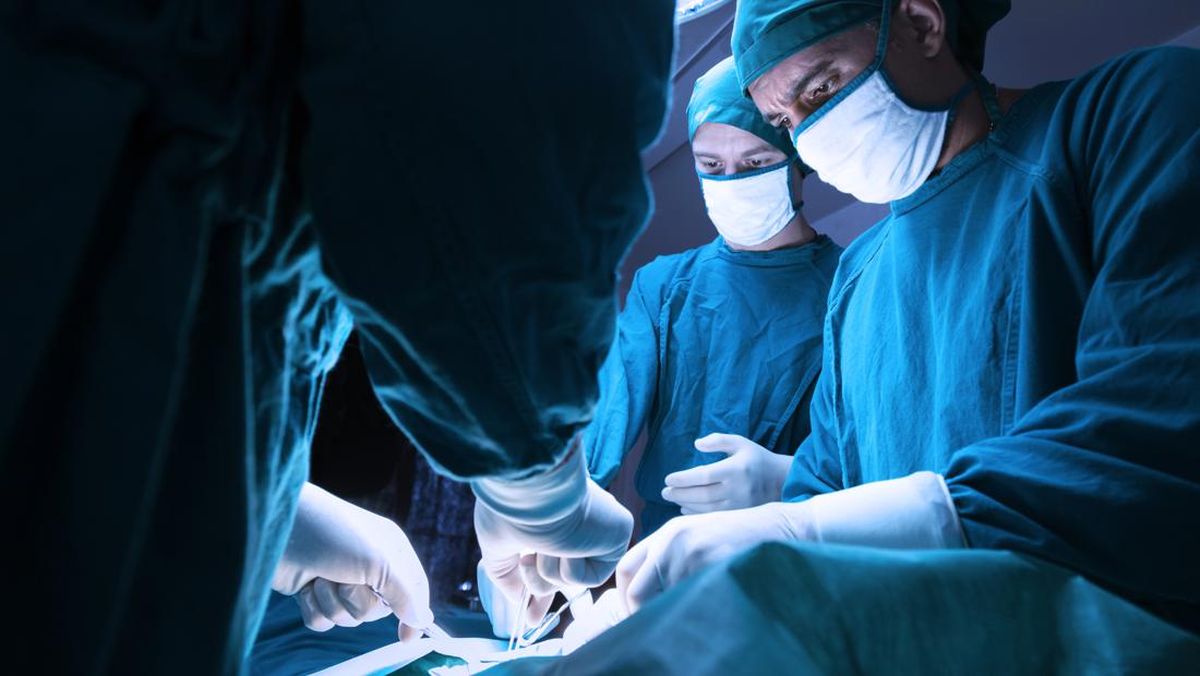
The incident also brings to the fore discussions about workplace culture and the boundaries of personal expression within professional settings. While the video may have been intended as a moment of levity, its execution within an operating room has been widely perceived as a breach of professional decorum. This raises questions about existing protocols and training within healthcare institutions regarding social media use and appropriate conduct during work hours, especially in critical areas like surgical suites.
Broader Implications for Healthcare Professionalism
The viral dancing nurse incident at RSUD Datu Beru has wider implications for the perception of healthcare professionals and the medical field as a whole. In a profession that demands unwavering dedication, solemnity, and utmost patient care, any action that appears to trivialize the seriousness of the work can have a detrimental effect on public trust. Patients and their families entrust their lives to the hands of medical practitioners, and maintaining an image of competence and professionalism is crucial to upholding this trust.
The swift apologies from both the nurse and the hospital demonstrate an understanding of this responsibility. However, the incident also highlights the need for ongoing dialogue and education within healthcare institutions about professional ethics, the responsible use of social media, and the potential consequences of seemingly innocuous actions when viewed through the lens of public scrutiny.
Supporting Data and Related Incidents
While specific data on the number of similar incidents involving healthcare professionals and social media is not readily available in the public domain, instances of inappropriate online behavior by medical staff have been reported globally. These cases often involve the sharing of patient information, mockery of patients, or unprofessional conduct during work hours. Such incidents can lead to significant reputational damage for individuals and their institutions, as well as legal ramifications.
In some jurisdictions, professional medical bodies have established guidelines and codes of conduct that address the use of social media by their members. These guidelines often emphasize the importance of maintaining patient privacy, avoiding conflicts of interest, and upholding the dignity of the profession. The RSUD Datu Beru incident, though seemingly minor in its immediate impact on patient care, serves as a cautionary tale that resonates with these broader concerns about professionalism in the digital age.
Timeline of Events
- January 31, 2022: A video is recorded at RSUD Datu Beru, Central Aceh, showing a nurse dancing in an operating room.
- Undisclosed Date (following Jan 31): The video begins to circulate widely on social media platforms.
- Undisclosed Date (following circulation): The viral video garners significant attention and public commentary.
- Undisclosed Date (following viral spread): RSUD Datu Beru Director Gusnarwin confirms the incident and provides a statement.
- Undisclosed Date (following confirmation): The hospital administration issues a public apology.
- Undisclosed Date (following hospital apology): Nurse Riga Septian Bahri releases a personal video apology.
- Undisclosed Date (following apologies): The disciplinary process for Nurse Riga is formally handed over to the BKPSDM of Central Aceh.
Expert or Public Reactions (Inferred)
While direct quotes from the public or external experts are not provided in the original source, the nature of viral social media content suggests a spectrum of reactions. Many online commentators likely expressed outrage and disappointment, viewing the nurse’s actions as disrespectful to the medical profession and potentially dangerous. Others might have adopted a more lenient stance, attributing the behavior to a momentary lapse in judgment or a misguided attempt at stress relief in a demanding work environment. Some may have also pointed to the role of the other medical staff present, questioning why no one intervened or stopped the recording.
Healthcare ethics experts would likely emphasize the importance of maintaining a professional demeanor at all times within a clinical setting, regardless of the perceived criticality of the immediate moment. They would stress that the operating room is a sanctuary of healing, and any behavior that deviates from its solemn purpose can undermine the trust placed in healthcare providers. The incident would also prompt discussions on the need for robust training programs that instill a deep understanding of professional boundaries and the ethical implications of actions, both within and outside the workplace.
Conclusion
The viral video of a nurse dancing in an operating room at RSUD Datu Beru has served as a potent reminder of the responsibilities that come with working in the healthcare sector. While the hospital and the nurse have issued apologies and initiated disciplinary actions, the incident’s broader implications continue to resonate. It underscores the critical need for maintaining professionalism, adhering to strict ethical codes, and exercising sound judgment, particularly in environments where patient safety and public trust are paramount. The incident also highlights the indelible impact of social media and the importance of mindful online conduct for all professionals, especially those entrusted with the well-being of others. The ongoing disciplinary process will likely shape future protocols and training within RSUD Datu Beru and potentially serve as a case study for other healthcare institutions navigating the complexities of professionalism in the digital age.