Tyo Susilo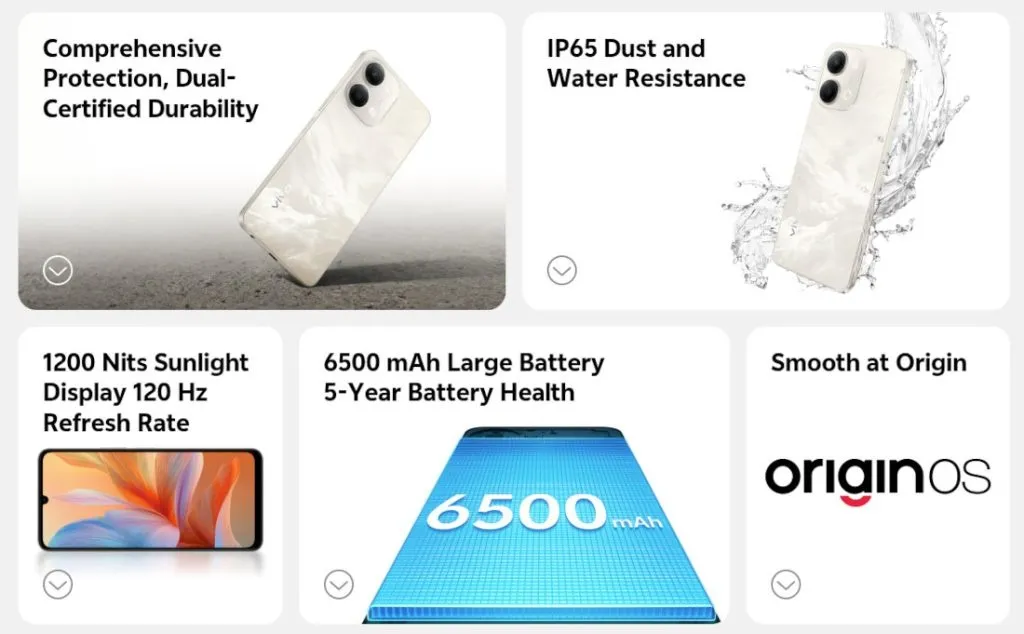
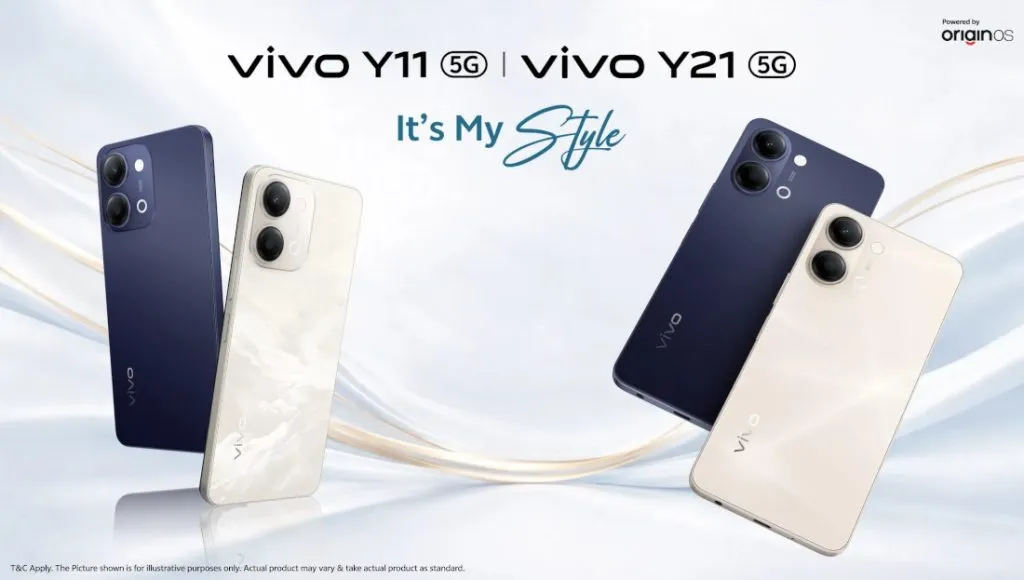
Vivo has officially introduced two new additions to its popular Y-Series lineup in the Indian market: the Vivo Y21 5G and the Vivo Y11 5G. These smartphones aim to capture a significant share of the mid-range segment by offering a compelling blend of 5G capabilities, substantial battery life, and modern display technology, differentiating themselves primarily through camera specifications and charging speeds. The launch signals Vivo’s continued commitment to expanding its 5G portfolio in one of the world’s largest smartphone markets.
Key Features and Differentiating Factors
At the core of both the Vivo Y21 5G and Y11 5G is a powerful and efficient chipset, the MediaTek Dimensity 6300. This System-on-Chip (SoC) is built on a 6nm manufacturing process, promising improved performance and power efficiency, crucial for extending battery life and handling demanding applications. Consumers can choose from a flexible range of RAM and storage configurations, with options for 4GB, 6GB, or 8GB of RAM, paired with either 64GB or 128GB of internal storage. This ensures that users can select a device that best suits their multitasking needs and storage requirements.
The most striking feature shared by both devices is their formidable 6,500mAh battery. Vivo claims this substantial capacity can deliver an impressive battery life, capable of supporting up to 48 hours of continuous video playback. This endurance is a significant selling point for users who prioritize long-lasting power and are often on the go. However, the charging technology offers a key distinction. The Vivo Y21 5G supports faster 44W fast charging, allowing users to quickly replenish the large battery. In contrast, the Vivo Y11 5G comes equipped with 15W charging, which, while slower, is still a respectable offering for its segment. This difference in charging speed could be a deciding factor for consumers who frequently need to top up their devices.
Display and Durability
Both the Y21 5G and Y11 5G boast a large 6.74-inch display, providing an immersive viewing experience for multimedia consumption, gaming, and browsing. The display features an HD+ resolution, delivering sharp visuals, and a smooth 120Hz refresh rate, which enhances fluidity in scrolling and animations. To further elevate the visual experience, the screens can achieve a peak brightness of 1200 nits, ensuring good visibility even in bright outdoor conditions.
Vivo has also equipped these new models with robust build quality. Both smartphones carry an IP65 rating, signifying their resistance to dust ingress and protection against water jets. This durability adds a layer of reassurance for users, making the devices more resilient to everyday accidents. Additionally, they feature SGS shock resistance, indicating they have undergone testing for their ability to withstand physical impact.
Camera Capabilities: A Tale of Two Sensors
The camera systems represent the most significant divergence between the Vivo Y21 5G and the Y11 5G. The Vivo Y21 5G is positioned as the more camera-centric option, featuring a more capable 50MP primary sensor. This higher resolution sensor is expected to capture more detailed and vibrant images, catering to photography enthusiasts within the mid-range market.
On the other hand, the Vivo Y11 5G comes with a 13MP main camera. While a lower resolution than its counterpart, a 13MP sensor is still capable of producing good quality photos under favorable lighting conditions and is a standard offering in this price bracket. For front-facing photography and video calls, both the Y21 5G and Y11 5G are equipped with a 5MP selfie camera, offering a consistent experience for users.
Market Positioning and Pricing
The introduction of the Vivo Y21 5G and Y11 5G in India places them directly in competition within the fiercely contested mid-range smartphone segment. This segment is characterized by a strong demand for value-for-money devices that offer a balance of features and performance.
The Vivo Y21 5G is priced starting at 18,999 Indian Rupees (approximately $228 USD) for the 4GB RAM and 128GB storage variant. This positions it as a slightly more premium offering within the Y-Series, justified by its higher-resolution main camera and faster charging capabilities.
The Vivo Y11 5G, targeting a more budget-conscious audience, starts at 14,999 Indian Rupees (approximately $180 USD) for the 4GB RAM and 64GB storage configuration. This pricing strategy allows Vivo to cater to a wider spectrum of consumers looking for affordable 5G connectivity and strong battery performance.
Broader Market Context and Implications
The launch of these 5G-enabled devices by Vivo comes at a time when 5G network rollout is gaining momentum across India. As telecom operators expand their 5G infrastructure, consumer demand for 5G-capable smartphones is expected to surge. By introducing affordable 5G options like the Y21 5G and Y11 5G, Vivo is strategically positioning itself to capitalize on this growing trend.

The emphasis on a 6,500mAh battery is also a significant strategic move. In markets like India, battery life is often a primary concern for consumers, especially in areas where access to charging points might be limited or inconsistent. The claim of up to 48 hours of video playback suggests a device that can comfortably last for two days of moderate to heavy usage, a compelling proposition for many.
The dual-pronged approach, with distinct camera specifications and charging speeds, allows Vivo to segment the market more effectively. The Y21 5G appeals to users who are willing to pay a bit more for enhanced photography and faster charging, while the Y11 5G offers a more accessible entry point into the 5G ecosystem with a focus on core features like battery life.
Analysis of Potential Impact
The competitive pricing and feature set of the Vivo Y21 5G and Y11 5G could exert pressure on other manufacturers in the mid-range segment. Brands that have traditionally dominated this space may need to re-evaluate their offerings to remain competitive. The inclusion of the MediaTek Dimensity 6300, a capable 6nm SoC, suggests that Vivo is leveraging newer, more efficient chipsets to deliver a better user experience without significantly inflating costs.
The IP65 rating and SGS shock resistance are subtle but important additions that enhance the perceived value and durability of these devices. In a market where smartphones are used extensively for daily tasks, such protective features can contribute to customer satisfaction and reduce the likelihood of accidental damage.
From a technological perspective, the widespread adoption of 120Hz displays in the mid-range is a testament to the democratization of premium features. This high refresh rate offers a noticeable improvement in visual smoothness, making everyday interactions with the smartphone feel more refined.
Looking Ahead
The initial launch in India suggests that Vivo is prioritizing this key market for its Y-Series expansion. Future availability in other regions may depend on market reception and global supply chain dynamics. As 5G penetration continues to grow, the demand for devices like the Vivo Y21 5G and Y11 5G is likely to remain strong. Vivo’s strategy of offering differentiated features within a similar form factor and price bracket demonstrates a nuanced understanding of consumer preferences and market segmentation. The success of these new models will ultimately be determined by their performance in real-world usage, customer satisfaction, and their ability to carve out a distinct niche in the highly competitive Indian smartphone landscape.