Tyo Susilo
The global smartphone market has witnessed a significant shake-up with the official launch of the vivo X300 Ultra, a device poised to redefine mobile photography. This latest flagship from vivo not only boasts substantial hardware and software upgrades in its camera system but also marks a pivotal moment as the first ‘Ultra’ model to receive a worldwide release. This strategic move signals vivo’s escalating ambition to compete at the highest tier of the premium smartphone segment on an international scale.
A New Era of Mobile Imaging: Unpacking the vivo X300 Ultra’s Camera Prowess
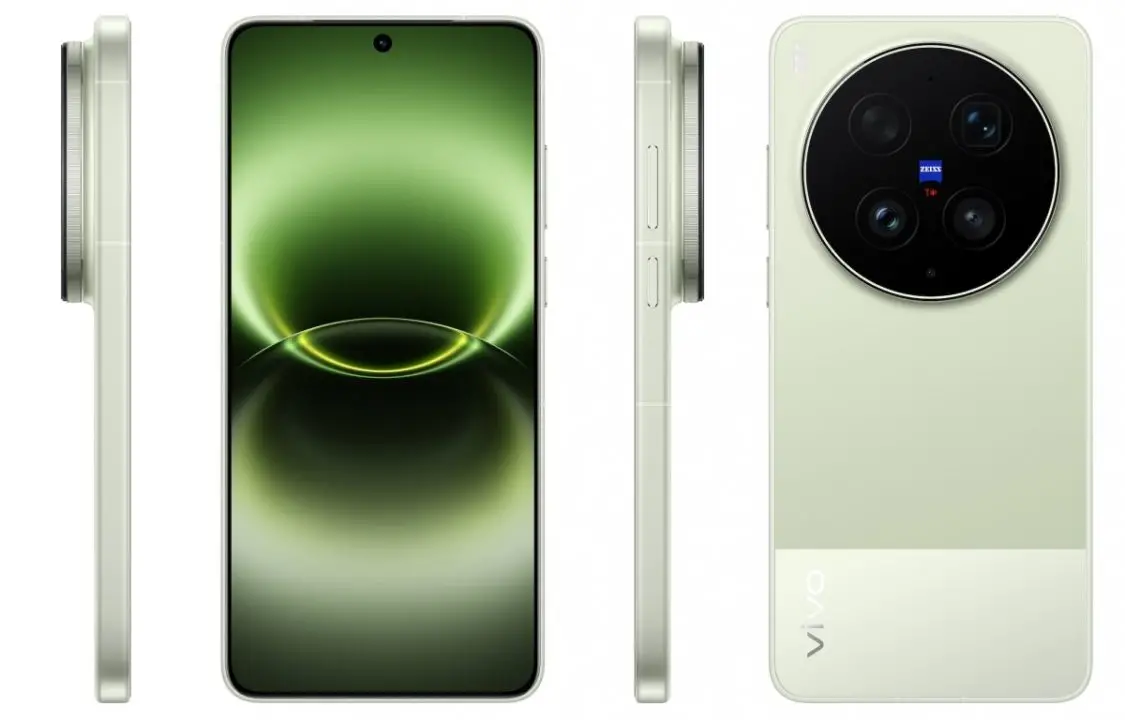
At the heart of the vivo X300 Ultra’s photographic capabilities lies a completely revamped camera array. The primary camera sensor is a groundbreaking Sony LYT-901, a colossal 200-megapixel unit with an impressive 1/1.12-inch sensor size. This represents a fourfold increase in resolution compared to its predecessor, the X200 Ultra, promising unprecedented detail and clarity in every shot. This adoption of a near-1-inch sensor is a testament to the growing trend of smartphone manufacturers incorporating larger, more sophisticated imaging components, mirroring the capabilities of dedicated digital cameras.
Complementing the main sensor is a remarkable 200-megapixel telephoto lens, maintaining the 85mm equivalent focal length found in previous iterations. However, this lens is not merely a carryover. It features a custom-developed Samsung ISOCELL HP0 sensor, meticulously engineered to work in tandem with the X300 Ultra’s advanced processing. Furthermore, the telephoto lens is equipped with a sophisticated 3-degree Gimbal-Grade OIS system, offering up to CIPA 7.0 stabilization. This advanced stabilization technology is crucial for achieving sharp, blur-free images and smooth video footage, particularly when shooting in challenging lighting conditions or at high zoom levels. The integration of gimbal-like stabilization directly into a smartphone lens is a significant engineering feat, pushing the boundaries of what’s achievable in a pocket-sized device.
The photographic ensemble is rounded out by an ultrawide camera featuring a 1/1.28-inch sensor and a 14mm equivalent focal length, providing expansive field-of-view for landscapes and group shots. Adding another layer of imaging sophistication is a 50-megapixel ‘True Color’ camera with 12 spectral channels. This specialized sensor is designed to capture a wider and more accurate spectrum of colors, ensuring that reproduced images closely match the true colors of the real world, a critical factor for professional photographers and content creators.
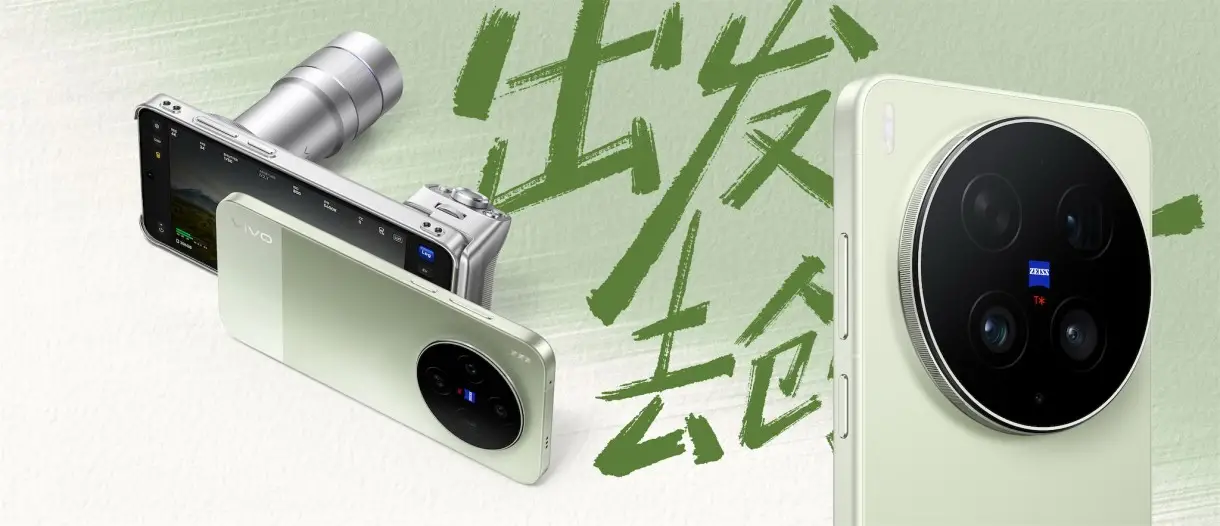
For videographers, the vivo X300 Ultra offers robust recording capabilities across all its rear cameras, supporting up to 4K resolution at a blistering 120 frames per second. The inclusion of 10-bit Log recording provides a wider dynamic range and greater flexibility in post-production color grading, catering to users who demand professional-level video editing capabilities from their mobile devices.
Display and Performance: A Flagship Experience All Around
Beyond its photographic prowess, the vivo X300 Ultra delivers a top-tier flagship experience in all other aspects. The device sports a 6.82-inch Ultra XDR AMOLED display, featuring a sharp 3168 x 1440 pixel resolution. The refresh rate is dynamically adjustable, ranging from an energy-saving 1Hz up to a buttery-smooth 144Hz. This variable refresh rate technology not only enhances visual fluidity during gaming and scrolling but also optimizes battery consumption during static content viewing. The Ultra XDR branding suggests advanced HDR capabilities, promising deeper blacks, brighter highlights, and a more vibrant and immersive viewing experience for media consumption.
Under the hood, the vivo X300 Ultra is powered by the latest Qualcomm Snapdragon 8 Elite Gen 5 chipset, a processor known for its cutting-edge performance, AI capabilities, and power efficiency. This is paired with a generous configuration of up to 16GB of RAM and up to 1TB of internal storage, ensuring seamless multitasking, effortless handling of demanding applications, and ample space for high-resolution photos and videos.
The device is fueled by a substantial 6600mAh battery, a capacity that should provide ample endurance for a full day’s use, even with intensive camera and display activity. Charging is also impressively fast, with support for 100W wired charging and 40W wireless charging, minimizing downtime and keeping users connected.
Global Rollout and Indonesian Market Anticipation

The decision to launch the vivo X300 Ultra globally is a significant strategic shift for vivo. Historically, some of their most advanced models have had limited regional releases. This broader availability suggests vivo’s confidence in its global competitiveness and a clear intent to capture a larger share of the international premium smartphone market.
The device’s appearance in Indonesia’s SDPPI Postel certification database is a strong indicator that a local launch is imminent. This certification is a mandatory step for electronic devices to be sold in the Indonesian market, confirming that the vivo X300 Ultra has met the country’s regulatory requirements. The anticipation within the Indonesian tech community is palpable, with many speculating about the device’s pricing and specific launch date in the archipelago. Given the premium specifications and the advanced camera technology, it is expected to be positioned at the higher end of the market, competing with other flagship offerings from major manufacturers.
Analysis of Implications: Pushing the Boundaries of Mobile Photography and Market Competition
The vivo X300 Ultra’s feature set, particularly its dual 200MP cameras and advanced stabilization, directly challenges the established norms in smartphone photography. By offering such high resolutions and professional-grade features, vivo is not only appealing to photography enthusiasts but also blurring the lines between dedicated cameras and smartphones. This move is likely to spur further innovation from competitors, potentially leading to an arms race in mobile imaging technology.
The global launch strategy indicates vivo’s growing confidence and its commitment to becoming a major player on the world stage. This broader reach will expose their technology and brand to a wider audience, potentially increasing market share and brand loyalty. For consumers, this increased competition translates into more choices and potentially better value as manufacturers vie for their attention with increasingly sophisticated devices.
The integration of custom-developed sensors and specialized hardware like the gimbal-grade OIS highlights a trend where smartphone manufacturers are moving beyond off-the-shelf components and investing in proprietary R&D to differentiate their products. This focus on unique technological advancements is crucial in a saturated market where incremental upgrades are becoming less impactful.
Background and Context: The Evolution of Vivo’s Flagship Strategy
The ‘X’ series has historically been vivo’s flagship line, often showcasing their most advanced technologies, particularly in camera innovation. The ‘Ultra’ designation, however, signifies a further elevation, pushing the boundaries of what’s possible in a smartphone. The X300 Ultra builds upon the foundation laid by its predecessors, integrating lessons learned and incorporating next-generation components.
The timing of this launch is also noteworthy. The smartphone market is highly competitive, with new flagship devices frequently introduced by major players like Apple, Samsung, and Google. Vivo’s strategic entry with a device packed with such compelling photographic features aims to capture attention and carve out a significant niche. The emphasis on a global rollout suggests a more aggressive market penetration strategy than in previous years, indicating a long-term vision for international growth.
The inclusion of advanced video recording features like 10-bit Log shooting also reflects the growing importance of mobile content creation. As more users turn to their smartphones for vlogging, filmmaking, and social media content, features that enhance video quality and post-production flexibility become increasingly critical differentiators.
Future Outlook: Impact on the Smartphone Landscape
The vivo X300 Ultra’s debut is more than just the release of a new smartphone; it represents a significant milestone in the ongoing evolution of mobile technology. By prioritizing camera innovation and global accessibility, vivo is signaling its intent to lead, not just follow, in the premium segment. The market will undoubtedly be watching closely to see how consumers react to these advanced features and how competitors respond. This latest offering from vivo is a clear indication that the race for mobile imaging supremacy is far from over, and the future of smartphone photography promises to be even more exciting. The Indonesian market, in particular, can anticipate a powerful new contender that could set a new benchmark for flagship devices in the region.