Lusiana Hamidun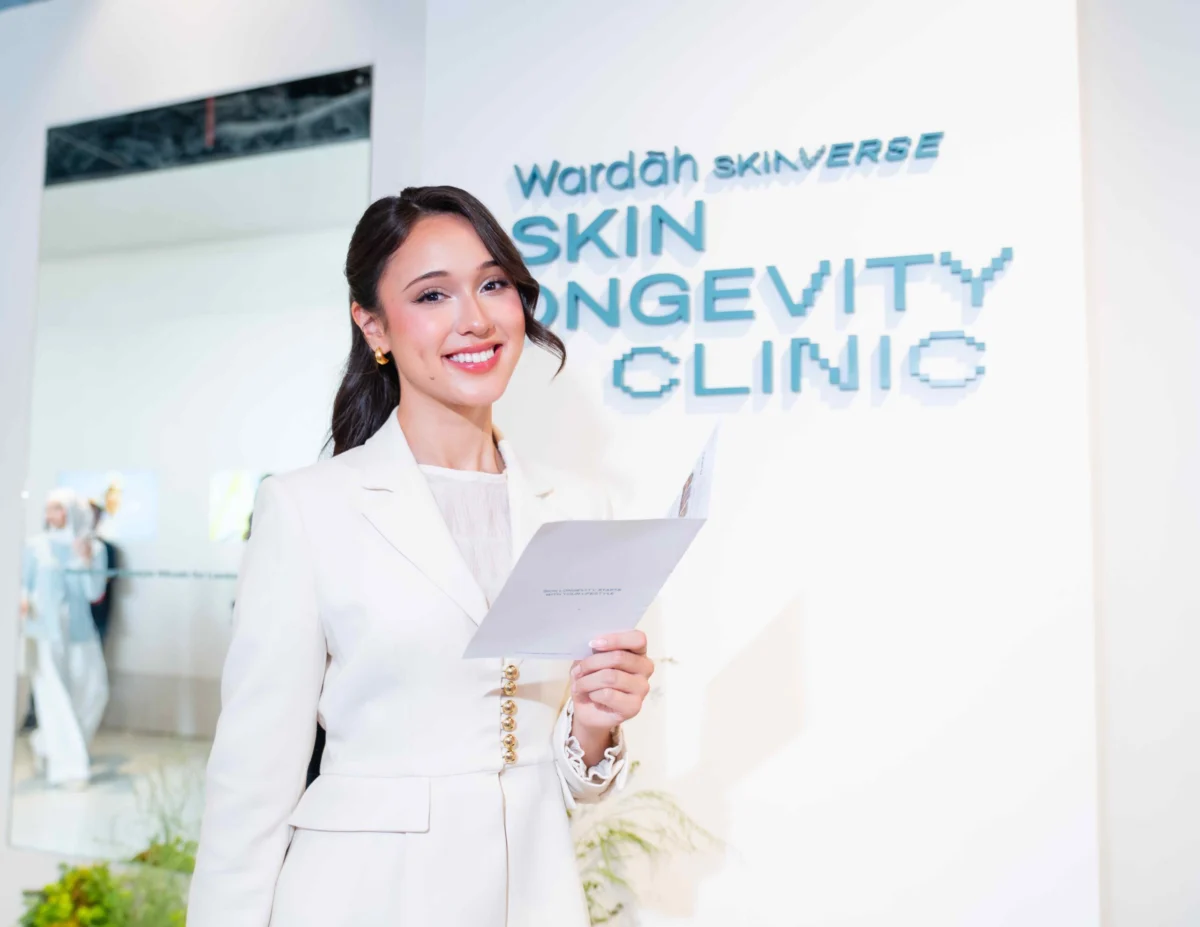
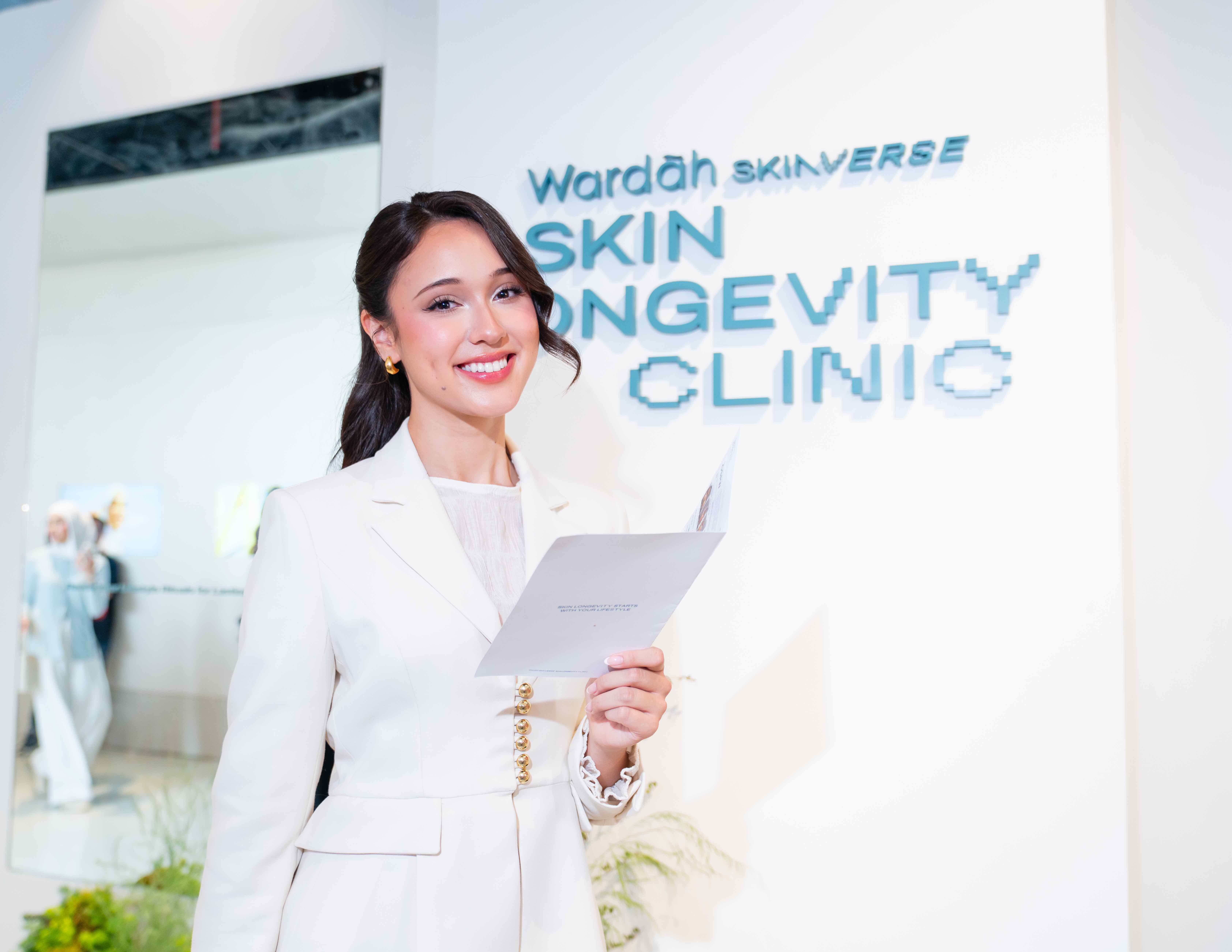
The modern pursuit of beauty has long been dominated by the rapid-fire cycle of product consumption: a new serum for dullness, a targeted mask for acne, or an expensive moisturizer to combat early signs of aging. However, as the beauty industry evolves, a shift is occurring from reactive surface-level treatment to proactive, long-term cellular health. This transition was the focal point of the Wardah SKINVERSE 3.0: Skin Longevity Clinic, an immersive event held at SPAC8, ASHTA District 8, Jakarta, from September 29 to October 6, 2026. By shifting the narrative from mere aesthetics to the concept of "skin longevity," the event proposed that true dermatological health is not merely a product of topical application, but a reflection of the systemic harmony between movement, nutrition, and rest.
The Shift Toward Skin Longevity
The premise of skin longevity is rooted in the understanding that the skin is the body’s largest organ, acting as an outward-facing interface for internal physiological processes. Medical research in dermatology and gerontology has increasingly shown that chronic inflammation, oxidative stress, and poor metabolic health are primary contributors to premature skin aging.
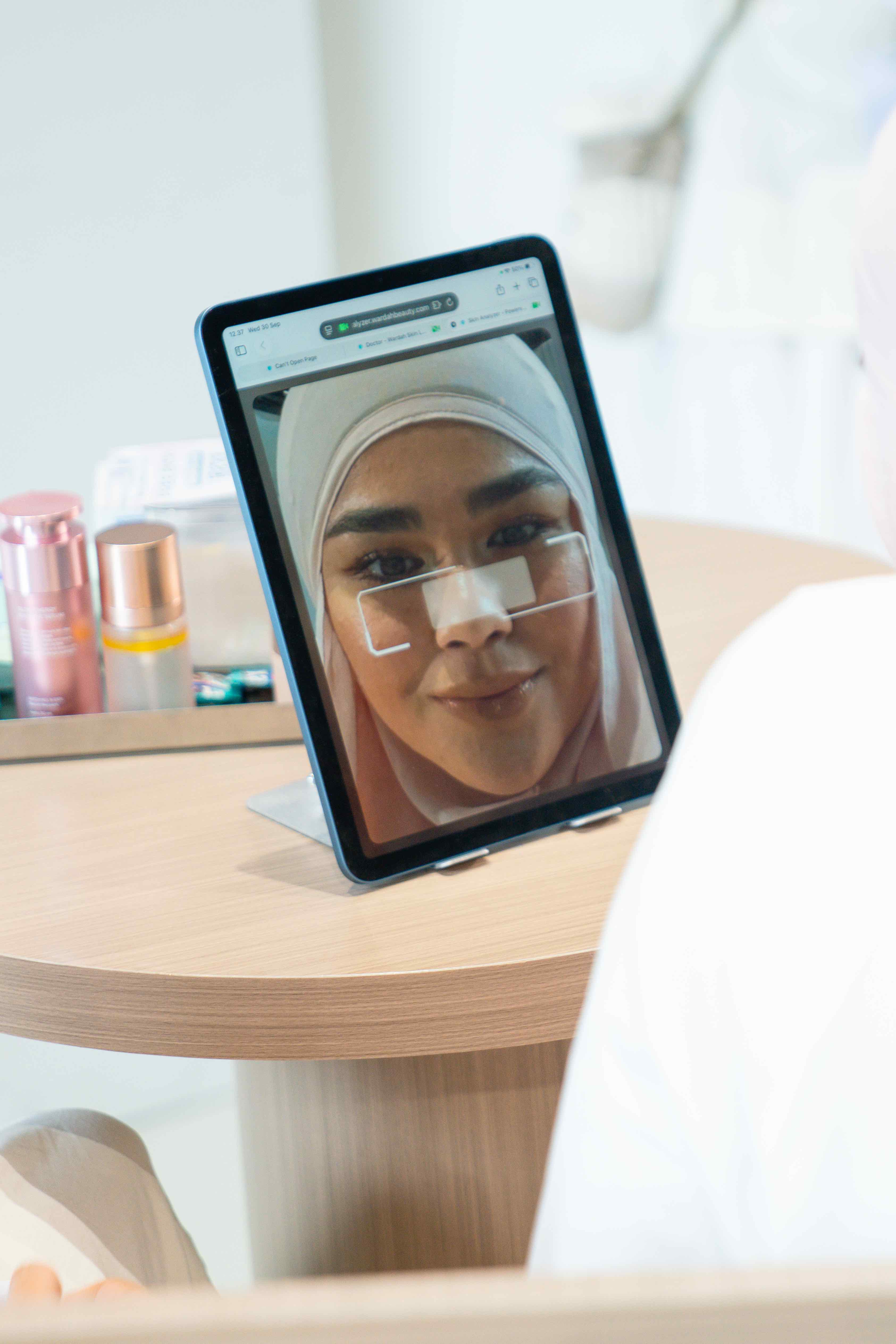
At the Wardah SKINVERSE 3.0, the educational framework was designed to challenge the consumer habit of diagnosing skin issues solely through a mirror. Instead, the clinic utilized data-driven diagnostics to demonstrate how lifestyle variables—such as erratic sleep patterns, sedentary behavior, and nutritional deficiencies—manifest as epidermal distress. By creating an environment that combined clinical analysis with lifestyle coaching, the event underscored that skincare is a subset of overall health, rather than an isolated vanity project.
Personalized Diagnostics: The Skin ID Blueprint
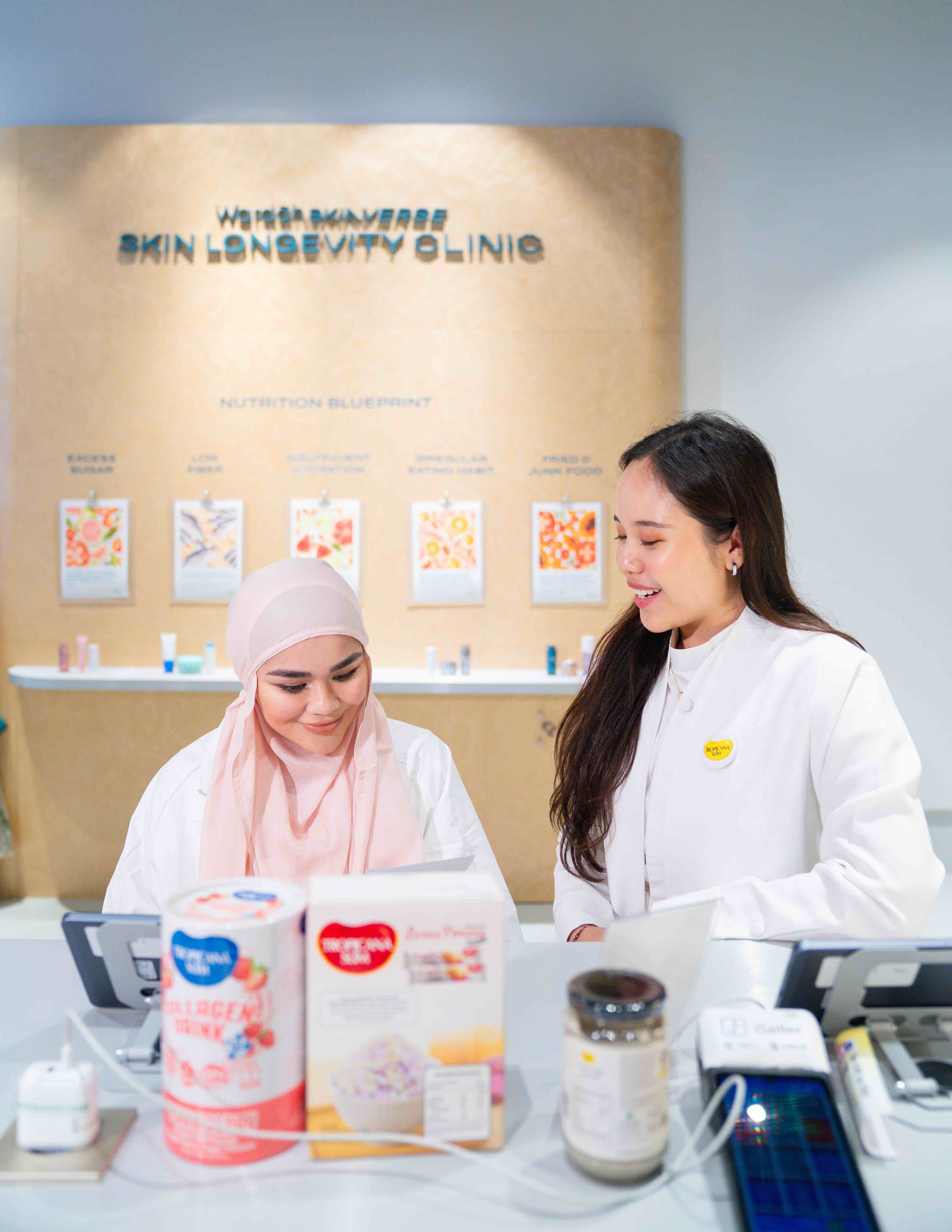
The core of the experience was the "Personalized Skin Analysis," a diagnostic process that moved beyond subjective observation. Participants were evaluated to produce a "Skin ID Blueprint." This document served as a comprehensive summary of an individual’s skin concerns and "skin signals," providing a data-backed roadmap for tailored care.
The implications of such diagnostic tools are significant. In an era where consumers are bombarded by influencer-led trends and social media fads, objective data provides a necessary corrective. Dermatologists present at the event emphasized that understanding one’s specific skin profile allows for the precise selection of active ingredients. This eliminates the "trial and error" approach that often leads to barrier damage or ineffective results. By aligning clinical dermatological advice with personal data, the Skin ID Blueprint serves as a professional bridge between science-backed skincare and individual consumer application.

The Three Pillars of Longevity: Move, Eat, and Rest
To contextualize skin health within the broader human experience, the clinic structured its programming around three fundamental protocols: Move, Eat, and Rest. This holistic approach acknowledges the biological interconnectedness of the human body.
1. The Move Protocol
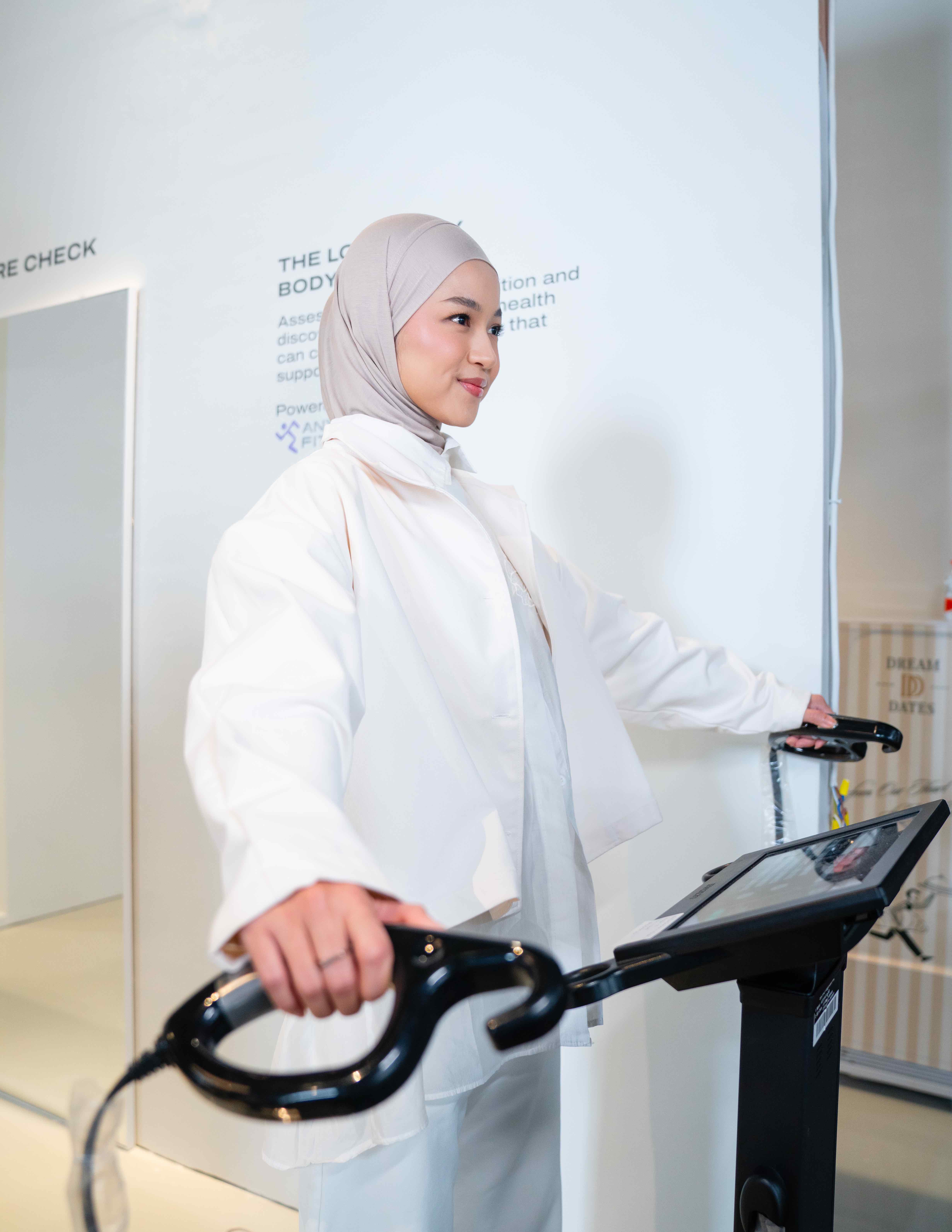
The Move Protocol addressed the impact of physical activity on skin health. Sedentary lifestyles, common in urban corporate environments, contribute to poor circulation and lymphatic stagnation, which can manifest as a lack of radiance or persistent puffiness. Through measurements of body fat mass, Body Water Index (BWI) scores, and Basal Metabolic Rate (BMR), the event demonstrated that physical movement is a non-negotiable component of skin vitality. Increased blood flow is essential for delivering oxygen and nutrients to the skin, while regular exercise helps manage cortisol levels—a key culprit in acne and premature skin aging.
2. The Eat Protocol
The Eat Protocol focused on the gut-skin axis, an area of increasing clinical interest. Nutrition directly impacts the skin’s inflammatory response. By analyzing dietary habits, the clinic highlighted how processed foods and inconsistent meal timing can disrupt the gut microbiome, which in turn influences systemic inflammation. The event provided insights into how anti-inflammatory diets, rich in antioxidants and essential fatty acids, serve as the internal support system for the skin barrier.
3. The Rest Protocol
Perhaps the most pertinent in today’s high-pressure environment was the Rest Protocol. Using an immersive soundscape experience, the clinic addressed the "long nights" culture that dominates modern professional life. Sleep is the primary window for the body’s recovery and cellular repair. When sleep is sacrificed, the body’s ability to repair UV damage and oxidative stress is severely compromised. The clinic’s emphasis on "rest as a ritual" served as a reminder that without adequate downtime, even the most advanced skincare products cannot fully compensate for cellular fatigue.
Bridging the Gap Between Science and Lifestyle
The Wardah SKINVERSE 3.0 event serves as a microcosm of a larger trend in the global beauty industry. Data from industry analysts suggests that the "wellness-beauty" sector is experiencing unprecedented growth, as consumers increasingly seek products that align with their mental and physical health goals.
The event’s success lies in its ability to translate complex medical concepts into actionable daily habits. It effectively communicated that while high-performance skincare is essential, it operates most effectively when the "internal engine" is well-maintained. The move away from the "quick fix" mentality toward a long-term longevity perspective marks a maturation of the beauty consumer. Participants were encouraged to view their skin not as a static canvas to be covered, but as a dynamic organ that requires sustainable care.
Broader Implications for Public Health
The approach taken by the organizers at the ASHTA District 8 event highlights a shift in corporate social responsibility within the beauty sector. By integrating health diagnostics—such as body composition and metabolic tracking—into a beauty exhibition, the brand moved into the realm of preventive health education.
This model of "clinical engagement" suggests a future where beauty brands act as gateways to broader wellness. When a consumer understands that their skin dullness is a result of poor sleep quality, they are more likely to seek solutions in sleep hygiene rather than just purchasing another illuminating cream. This fosters a more sustainable relationship with beauty products, where items are chosen based on clinical necessity rather than impulse.
Conclusion: A Sustainable Vision for the Future
As the Wardah SKINVERSE 3.0: Skin Longevity Clinic concluded, the takeaway for attendees was clear: the path to healthy skin is paved with consistency, data, and an appreciation for the body’s physiological requirements. The event proved that while the allure of new skincare technology remains, it is the fundamental practices—regular exercise, balanced nutrition, and restorative sleep—that form the foundation of long-term skin health.
For those looking to optimize their skin, the recommendation is no longer simply to "buy more," but to "understand more." By looking past the surface and investigating the internal factors contributing to skin health, individuals can achieve a more authentic, sustainable glow. The future of beauty is not found in a bottle alone, but in the harmonious integration of how we treat our bodies and how we perceive the aging process. The Skin Longevity Clinic stands as a testament to the fact that when we prioritize our internal health, the exterior naturally follows suit, creating a standard of beauty that is both resilient and enduring.
This report was prepared to summarize the educational initiatives presented at the Wardah SKINVERSE 3.0, illustrating the evolving standards of dermatological wellness in the contemporary market.