Nila Kartika Wati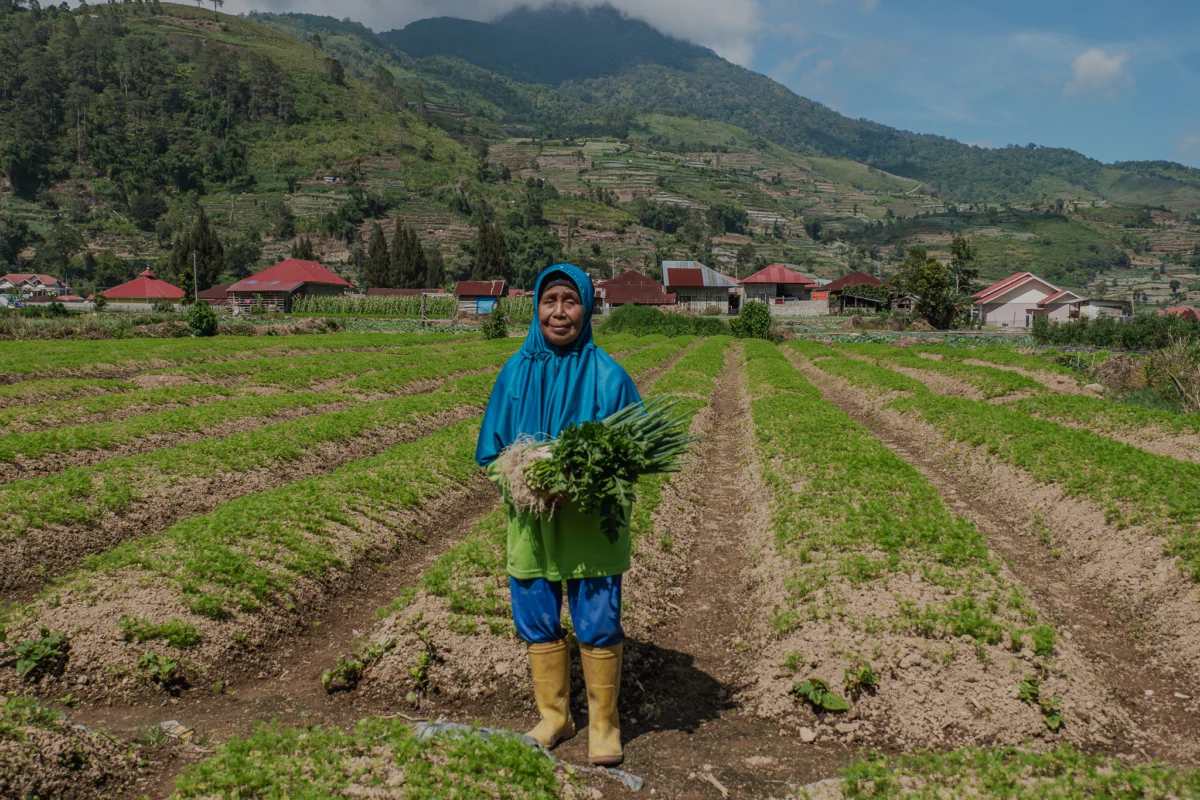
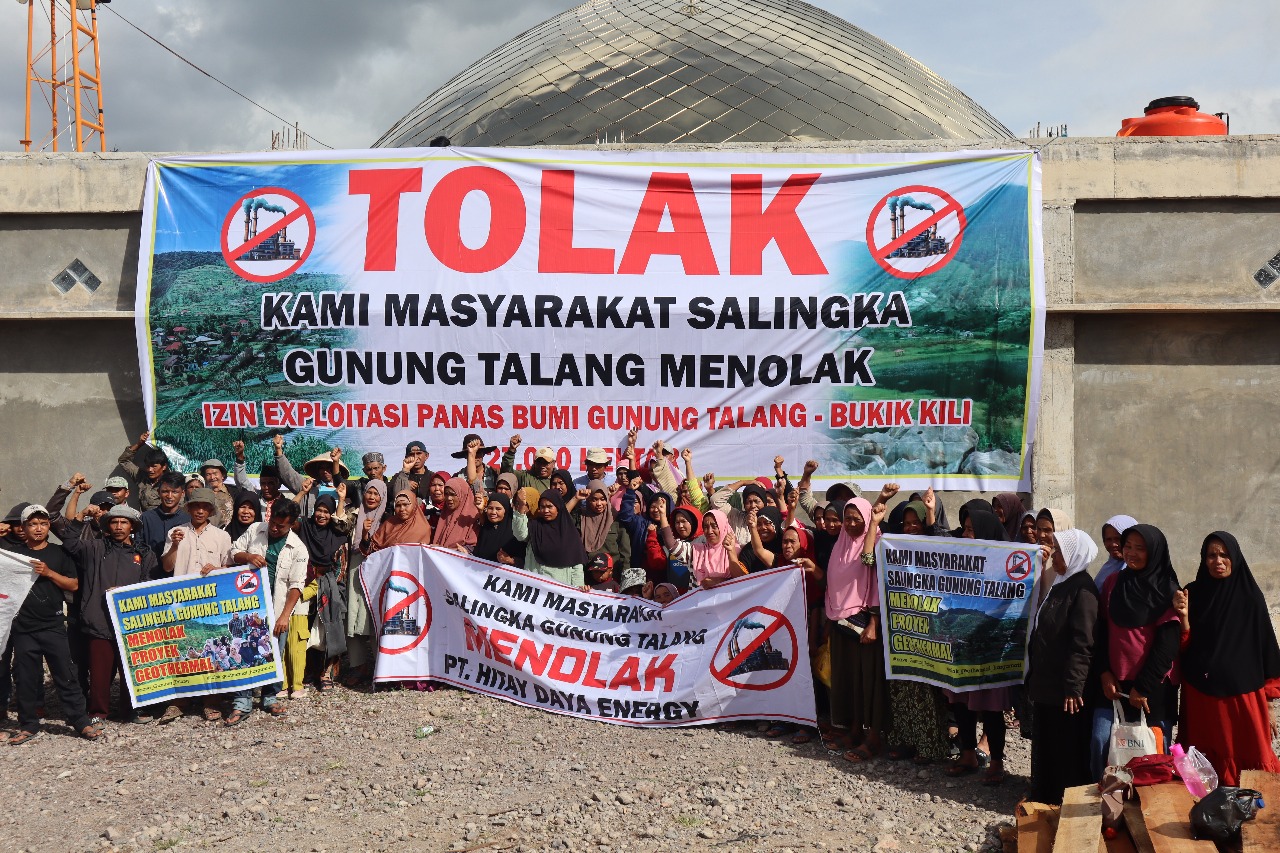
The provincial government of West Sumatra has reaffirmed its commitment to accelerating the development of the Gunung Talang Geothermal Power Plant (PLTP) in Solok Regency, despite years of steadfast opposition from local residents. Officials maintain that the project is essential for achieving national renewable energy targets and securing investor confidence, while community members—particularly women who lead the resistance—warn of catastrophic impacts on their livelihoods, ancestral lands, and physical safety. The standoff highlights a growing friction in Indonesia’s energy transition: the clash between top-down climate imperatives and the grassroots protection of agrarian rights.
Economic Imperatives and the Push for Investment
Erick Kurniawan, the Head of Energy and Electricity at the West Sumatra Energy and Mineral Resources (ESDM) Office, stated in late February that the government cannot afford further delays. According to Kurniawan, allowing the project to stall would result in a significant decline in investor trust, a loss of fiscal incentives, and a prolonged dependence on fossil fuels. The provincial administration views the Gunung Talang project as a cornerstone of its strategy to meet the "energy mix" targets set by the central government, which aims for 23% of Indonesia’s energy to come from renewable sources by 2025.
The project is spearheaded by PT Hitay Daya Energy, a consortium based in Turkey. The company has recently undergone management restructuring to streamline operations and is currently in the process of securing environmental permits for a Geothermal Working Area (WKP) spanning approximately 27,000 hectares. With a planned investment of US$140 million (approximately IDR 2.2 trillion), the PLTP is expected to generate 20 MW of electricity. The project’s footprint is extensive, potentially impacting 22 nagari (traditional villages) across five sub-districts in Solok Regency.
A Community Rooted in the Soil
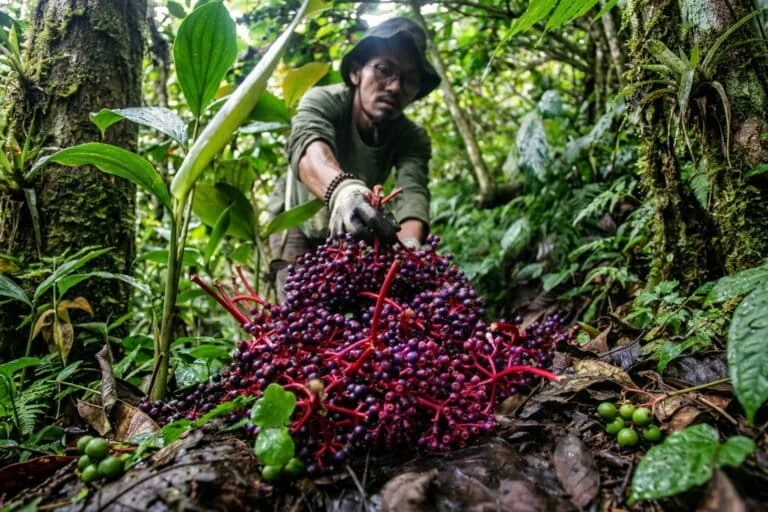
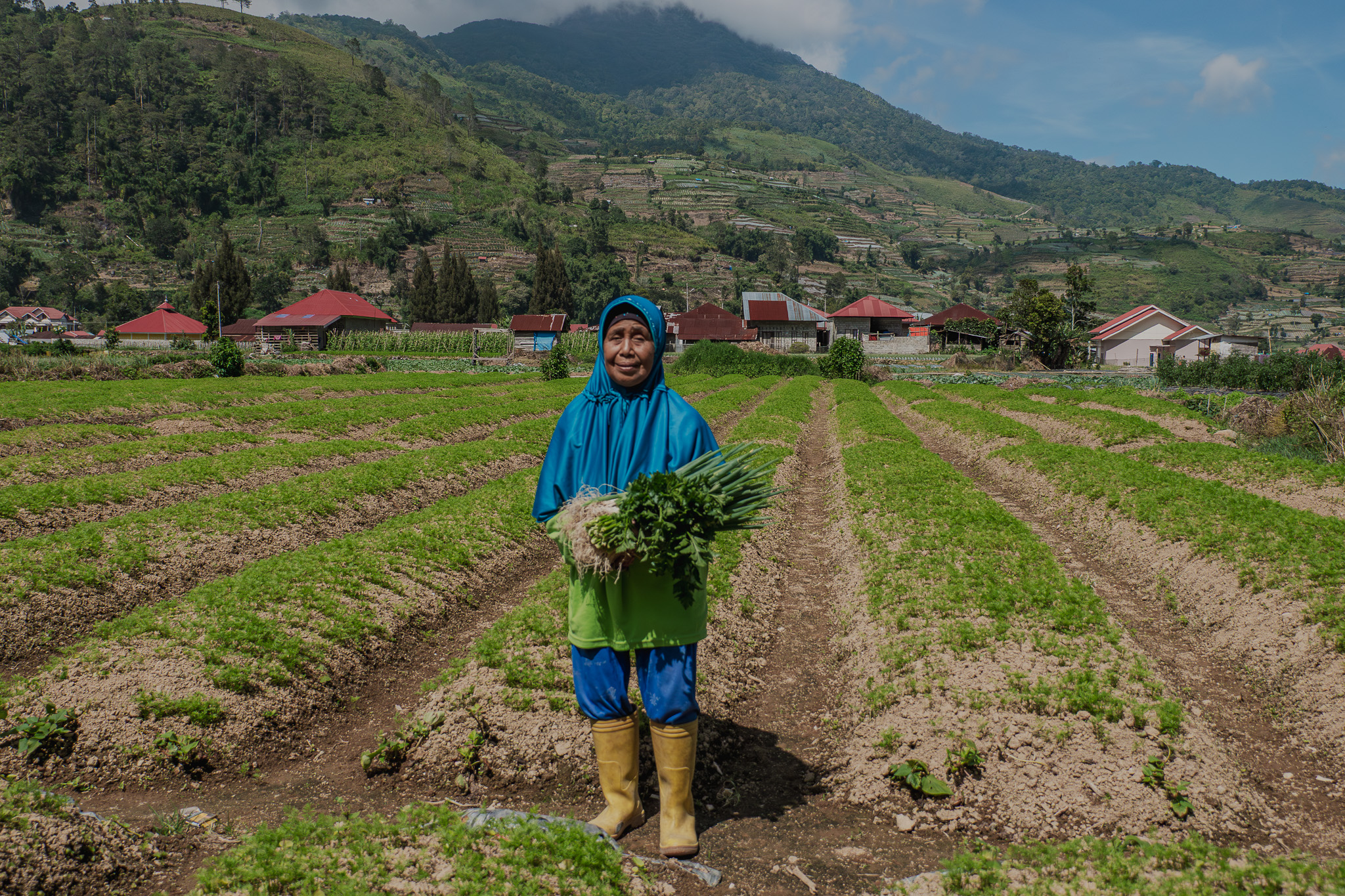
For the people of Gunung Talang, the government’s economic justifications fall flat against the reality of their daily lives. The region is a thriving agricultural hub where 80% of the population relies on farming. Darnelis, a local woman who has been at the forefront of the protests, explains that the fear is not based on a lack of "literacy," as the government suggests, but on a clear understanding of what they stand to lose.
Darnelis and her neighbors cultivate land that they describe as tanah ulayat—ancestral land held under Minangkabau customary law. Unlike village assets, this land is considered sacred and inalienable. "The fertility of the soil will vanish, the water will disappear, and our work here is farming," Darnelis said. She noted that representatives from the company had approached her with offers of modern houses and cash in exchange for her support, but she refused. For her, the long-term security of the land far outweighs a one-time payout. "If I become a janitor for the company, it is better I remain a farmer. Here we were born, and here we will die."
The economic success of the region’s agriculture is significant. Asnir Umar, an 80-year-old resident, shared that a single carrot harvest every three months can yield up to IDR 30 million (roughly US$1,900) for a household. This income has allowed local families to send their children to universities in Bandung, Japan, and Australia. The community views the geothermal project not as progress, but as a threat to a proven and sustainable economic model.
The Shadow of Sorik Marapi and Mataloko
The resistance in Gunung Talang is informed by the failures of geothermal projects elsewhere in Indonesia. Residents frequently cite the Sorik Marapi Geothermal Power project in North Sumatra, where multiple incidents of hydrogen sulfide (H2S) gas leaks have led to hospitalizations and fatalities among nearby villagers. Similarly, in Mataloko (East Nusa Tenggara) and Dieng (Central Java), communities have reported that geothermal operations resulted in acid rain and soil degradation, rendering once-fertile land unproductive.
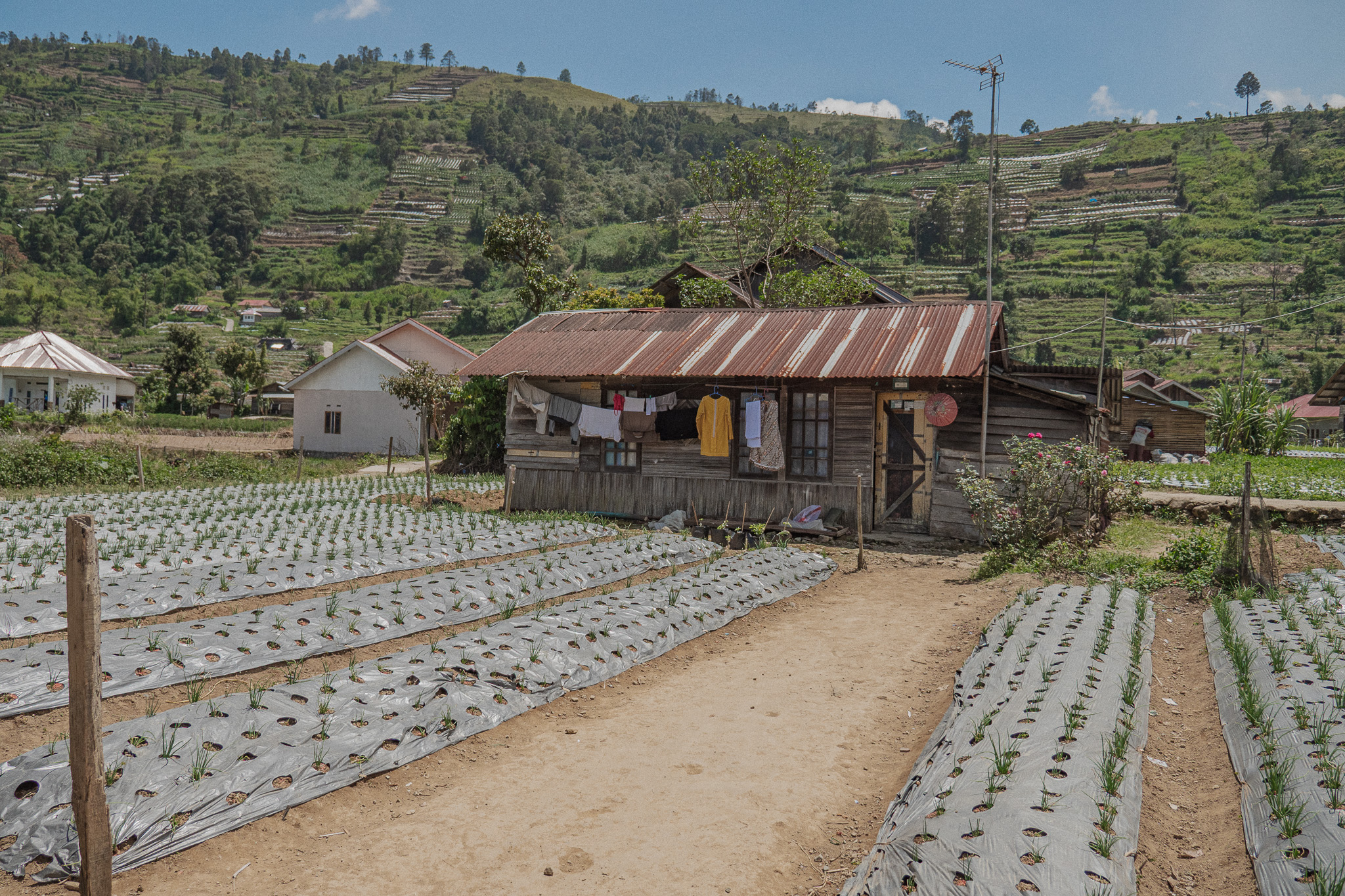
Asnir Umar uses the metaphor of "sujud" (prostration) to describe his fears for the mountain. "If they drill that mountain, it will ‘prostrate’ toward this land, and every house below it will be hit," he said, referring to the risk of landslides and geological instability. Having visited other geothermal sites, Umar expressed deep concern over the skin diseases and respiratory issues reported by children living near existing plants. These real-world examples have created a "trust deficit" that the government’s socialization efforts have failed to bridge.
Human Rights and the Critique of "Meaningful Participation"
Diki Rafiqi, Director of the Padang Legal Aid Institute (LBH Padang), argues that the conflict at Gunung Talang is a textbook example of how large-scale infrastructure projects in Indonesia often bypass public participation. In many instances, communities only learn about a project after the permits have already been issued by the central or provincial government.
"When every geothermal permit is issued, the community only finds out after the fact. As a result, those who own the land and depend on it for their lives feel anxious and afraid," Rafiqi stated. He emphasized that for a project of this scale—covering over 20,000 hectares—the government is legally and ethically obligated to provide transparent information about both the benefits and the risks. According to LBH Padang, the government’s tendency to withhold information on potential negative impacts makes them appear as an extension of corporate interests rather than protectors of the citizenry.
Furthermore, Rafiqi challenged the narrative that geothermal is the only path to a green transition. He pointed out that West Sumatra has vast potential for other forms of renewable energy that might be less intrusive to local ecosystems and agrarian communities. "The most important thing is how the transition proceeds fairly, without sacrificing the community," he added.
The "Extractive Logic" of Green Energy
Tommy Adam, Executive Director of WALHI (The Indonesian Forum for the Environment) West Sumatra, warns that the government is applying the same "extractive logic" used in mining to renewable energy projects. WALHI’s data indicates that more than 149,721 hectares of "living space" in West Sumatra are currently designated as Geothermal Working Areas (WKP). These areas overlap with protected forests, essential watersheds, and productive agricultural lands across Solok, Agam, Tanah Datar, and several other regencies.
"The fact is that almost the entire volcanic mountain range, protected forest areas, and the headwaters of watersheds are now under a new status of threat," Adam said. He argued that labeling geothermal as "clean energy" does not exempt it from environmental scrutiny. The construction of access roads, drilling pads, and pipelines often requires significant deforestation and can disrupt the complex hydrothermal systems that feed local springs.
Adam emphasized that the refusal of the Gunung Talang and Tandikek communities must be accommodated by the state. "Transitioning away from fossil fuels is essential to face the climate crisis, but it cannot be done by violating human rights or destroying local ecosystems. The choices of the community must be respected."
Chronology of the Gunung Talang Dispute
The tension at Gunung Talang is not a recent development but the result of a nearly decade-long struggle:
- 2016-2017: The central government issued the WKP and exploration permits to PT Hitay Daya Energy. Initial surveys were met with immediate protests from the local population.
- 2018: Tensions escalated when company vehicles and equipment were blocked by residents. Several protesters were arrested, further straining the relationship between the community and the state.
- 2020-2023: The project saw periods of dormancy due to the COVID-19 pandemic and the ongoing management issues within the consortium. However, the provincial government continued to list the PLTP as a "strategic priority."
- Early 2024: The West Sumatra ESDM Office announced plans to "accelerate" the project, citing the need to meet 2025 energy targets. PT Hitay Daya Energy began the process of updating its environmental impact assessments (AMDAL).
- February 2024: Officials acknowledged "minimal socialization" but insisted that the project would proceed with more "intense" public engagement.
Broader Implications for Indonesia’s Energy Policy
The situation in Gunung Talang serves as a microcosm of the challenges facing Indonesia’s National General Energy Plan (RUEN). While the country is under international pressure to decarbonize, the geographical reality is that most geothermal potential lies beneath volcanic highlands—areas that are also the primary agricultural "breadbaskets" and water towers for the nation.
The West Sumatra government’s insistence on the US$140 million investment highlights the fiscal pressure on regional administrations to attract Foreign Direct Investment (FDI). However, the social cost of such investment is increasingly under the spotlight. If the government proceeds without the genuine consent of the 22 affected nagari, it risks a protracted social conflict that could ultimately lead to the project’s abandonment, as has happened in other parts of the archipelago.
As the government prepares for its next round of socialization, the residents of Gunung Talang remain unmoved. For them, the mountain is more than a source of heat for turbines; it is the "sacred" provider of their livelihoods. The outcome of this standoff will likely set a precedent for how Indonesia balances its ambitious climate goals with the constitutional rights of its agrarian communities.