Tyo Susilo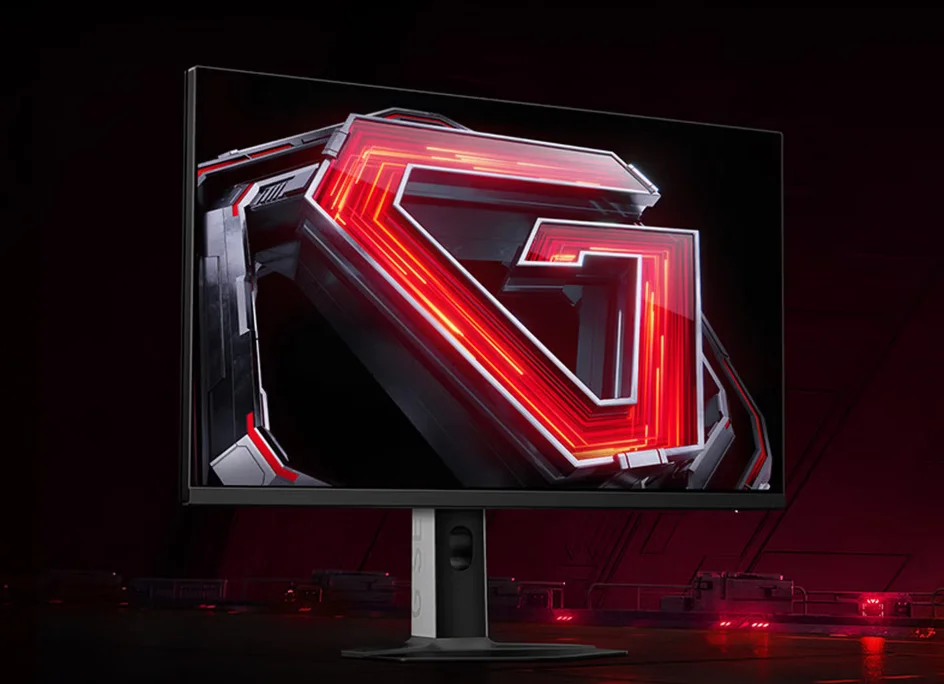
Xiaomi has officially entered the high-performance gaming monitor market in China with the unveiling of the Redmi G27Q 2026, a compelling display designed to offer cutting-edge specifications at an accessible price point. Launched concurrently with the Redmi G25 2026, which boasts a 300Hz refresh rate, the new G27Q 2026 pushes the boundaries further with an astonishing native refresh rate of 320Hz. This release signals Xiaomi’s continued commitment to catering to the discerning needs of PC gamers and content creators seeking immersive and fluid visual experiences.
A Leap Forward in Gaming Display Technology
The Redmi G27Q 2026 represents a significant upgrade from its predecessor, the G27Q 2025, which featured a still-impressive 240Hz refresh rate. The jump to 320Hz is not merely an incremental improvement; it signifies a new echelon of visual fluidity in the consumer monitor space. For competitive gamers, a higher refresh rate translates directly into a tangible advantage. It dramatically reduces motion blur, allowing for clearer tracking of fast-moving targets and more precise aiming. Furthermore, the increased frame rate enhances input lag reduction, meaning player actions are rendered on screen with minimal delay, a critical factor in fast-paced esports titles. This technological advancement is poised to appeal to a broad spectrum of gamers, from casual enthusiasts looking for a smoother experience to professional players who demand the absolute pinnacle of responsiveness.
Unpacking the Technical Prowess
At the heart of the Redmi G27Q 2026 is a 27-inch Fast IPS panel, a technology renowned for its excellent color accuracy and wide viewing angles, combined with rapid response times. The monitor operates at a sharp QHD resolution of 2560 x 1440 pixels, providing a detailed and immersive visual canvas that strikes a balance between graphical fidelity and performance demands on gaming hardware. Xiaomi claims a lightning-fast 1ms Gray-to-Gray (GtG) response time, further minimizing ghosting and smearing during rapid on-screen movements.
Color reproduction is another area where the G27Q 2026 aims to impress. It boasts a peak brightness of 400 nits, ensuring vibrant visuals and good visibility even in well-lit environments. The monitor covers an extensive 95% of the DCI-P3 color gamut and a full 100% of the sRGB spectrum, indicating its capability to display a wide range of rich and accurate colors. This makes it suitable not only for gaming but also for content creation tasks such as photo editing and video production, where color precision is paramount.
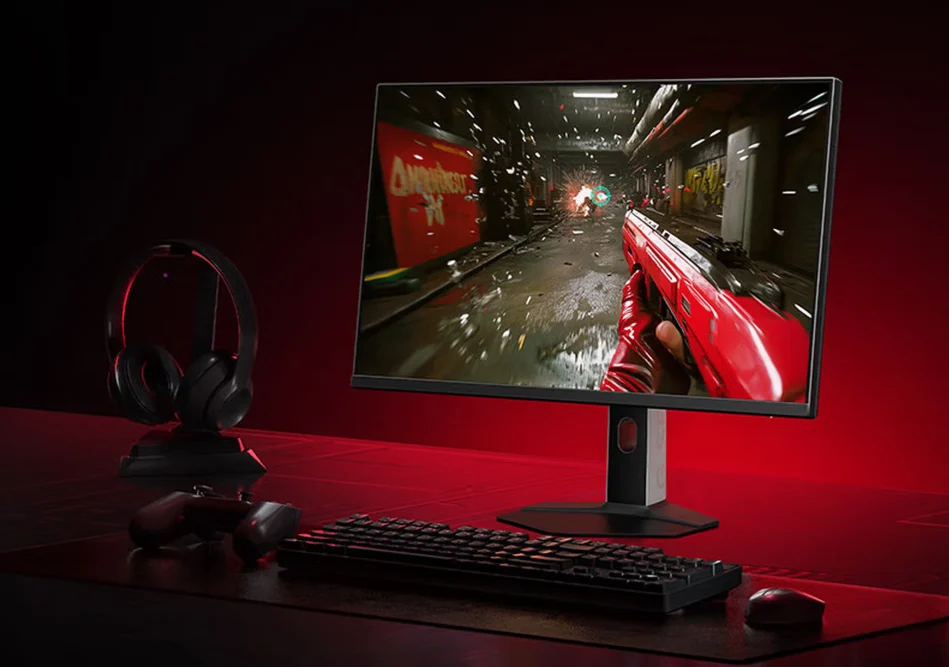
Further enhancing its visual credentials, the Redmi G27Q 2026 supports 10-bit color depth, allowing for smoother gradients and a richer spectrum of hues compared to standard 8-bit displays. Xiaomi has also implemented factory calibration, with a claimed color accuracy of Delta E < 2. This pre-calibration ensures that users can expect highly accurate colors right out of the box, a feature typically found in more premium professional monitors. To further safeguard user well-being during extended usage sessions, the monitor incorporates eye-care features, including low blue light emission and DC dimming technology, which help reduce eye strain.
Design and Ergonomics: Functionality Meets Aesthetics
The design of the Redmi G27Q 2026 adheres to modern monitor trends, featuring a minimalist aesthetic with slim bezels on the top, left, and right sides. This allows for a more immersive viewing experience and makes the monitor ideal for multi-monitor setups. The included stand is described as robust and "gaming-inspired," offering a high degree of adjustability. Users can customize the display’s height, tilt, swivel, and even pivot, enabling them to find the optimal viewing position for comfort and ergonomics. For users who prefer alternative mounting solutions, the monitor also supports VESA mounting with a standard 75 x 75 mm pattern, offering flexibility in desk setup.
Connectivity and User Experience
Connectivity is a crucial aspect for any modern display, and the Redmi G27Q 2026 appears well-equipped. It features a comprehensive selection of ports to cater to various devices and gaming consoles. Notably, it includes a DisplayPort 2.1 port, which is a significant upgrade offering higher bandwidth and future-proofing for next-generation graphics cards. Complementing this are two HDMI 2.0 ports, providing ample connectivity for multiple gaming systems, PCs, or media devices. An integrated 3.5mm audio output allows for easy connection to external speakers or headphones. Navigating the monitor’s On-Screen Display (OSD) menu is streamlined through the use of a joystick controller, a user-friendly interface that simplifies adjustments compared to traditional button arrays.
Pricing and Market Positioning
The Redmi G27Q 2026 is set to launch in China with a competitive price tag of 1,299 yuan, which translates to approximately $180 USD or around 3.2 million Indonesian Rupiah. This aggressive pricing strategy underscores Xiaomi’s intent to disrupt the market by offering high-end specifications at a significantly lower cost than many established competitors. Historically, Xiaomi has found success by leveraging this value-driven approach, making advanced technology accessible to a wider consumer base.
While the initial release is slated for the Chinese market, there is speculation regarding its global availability. Xiaomi often releases international variants of its products, sometimes under slightly different model names, such as the "Qi" series, which may feature minor specification differences. The success of the G27Q 2026 in China could pave the way for a broader global rollout, potentially making high-refresh-rate gaming monitors more affordable worldwide.

Broader Implications for the Monitor Market
The introduction of the Redmi G27Q 2026 with a 320Hz refresh rate at such a competitive price point has several implications for the broader monitor industry. Firstly, it intensifies the price-performance competition, pressuring other manufacturers to re-evaluate their pricing structures for similarly specced displays. Secondly, it accelerates the adoption of high refresh rates in the mainstream market. What was once considered a niche feature for elite gamers is becoming more accessible, potentially driving demand for even faster refresh rates in the future.
This move by Xiaomi also highlights the growing importance of gaming as a key segment for technology companies. As PC gaming continues its upward trajectory in popularity, manufacturers are increasingly focusing on delivering specialized hardware that caters to the unique demands of gamers. The Redmi G27Q 2026, with its focus on speed, clarity, and color accuracy, is a testament to this trend.
Furthermore, the inclusion of DisplayPort 2.1 is a forward-looking decision that signals the industry’s preparedness for future technological advancements in graphics output. While current graphics cards may not fully saturate the bandwidth offered by DP 2.1, its inclusion ensures that the monitor will remain relevant and capable as new hardware emerges.
The timing of this release, alongside other high-refresh-rate monitor announcements from competitors like LG (which announced its QNED Evo Mini LED TV 2026 with up to 330Hz refresh rates), indicates a significant push in the display technology sector. Companies are clearly vying for the attention of consumers by offering increasingly impressive specifications, with refresh rate emerging as a key battleground. Xiaomi’s strategy appears to be leveraging its established brand reputation for value to capture market share in this competitive landscape. The market will be watching closely to see how this move impacts sales and competitor strategies in the coming months. The accessibility of such high-performance gaming technology to a wider audience is a positive development for consumers and the gaming community as a whole.