Azin Asro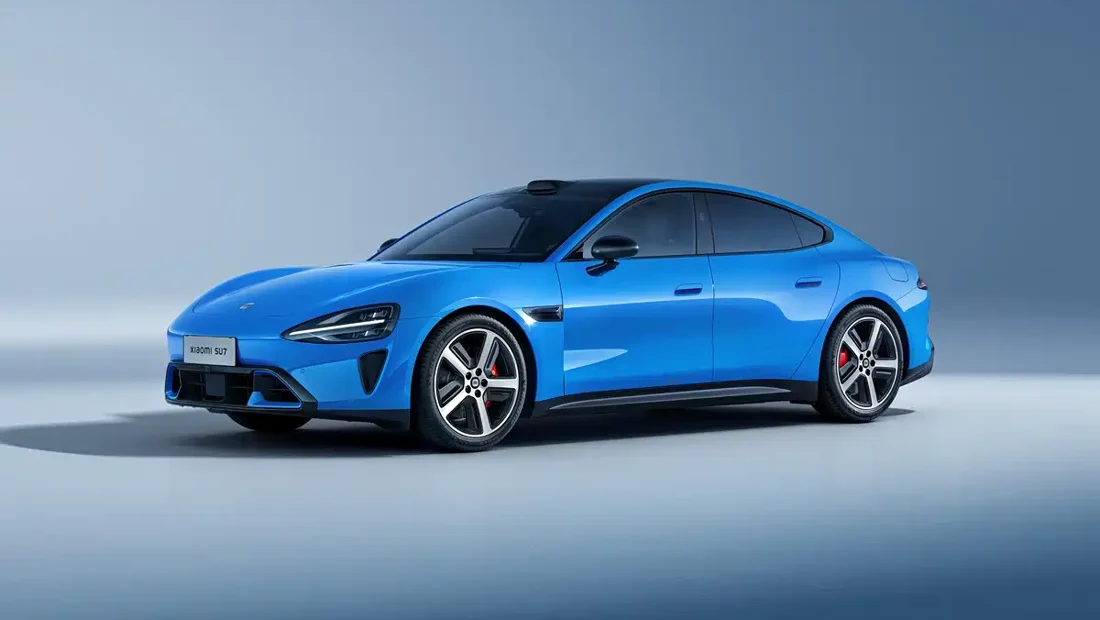
Xiaomi has solidified its standing as a formidable contender in the global automotive industry following the explosive market debut of its 2026 SU7 model. The Chinese technology giant, originally known for its dominance in the smartphone and consumer electronics sectors, announced that its latest iteration of the SU7 electric sedan achieved a remarkable milestone, securing 15,000 firm orders within just 34 minutes of its official release on March 19. This rapid sell-out highlights the growing consumer confidence in Xiaomi’s automotive division and underscores the intensifying competition within the world’s largest electric vehicle (EV) market.
The 2026 SU7 lineup is offered in three distinct configurations: the Standard, Pro, and Max variants. Pricing for the new model remains highly competitive, starting at 219,900 yuan (approximately Rp 539.1 million) for the entry-level version and reaching 303,900 yuan (approximately Rp 745 million) for the high-performance Max edition. To secure a vehicle, prospective owners were required to place a non-refundable deposit of 5,000 yuan (Rp 12 million), with a limited window provided until March 22 for customers to finalize or adjust their specific vehicle configurations. This surge in demand follows the initial success of the original SU7, which made its global debut in December 2023 as Xiaomi’s first foray into mass-produced electric mobility.
A Strategic Evolution: The Chronology of Xiaomi’s Automotive Ambitions
The journey of the Xiaomi SU7 (Speed Ultra 7) began with a bold declaration by Xiaomi’s founder and CEO, Lei Jun, who in 2021 described the venture into electric vehicles as his "final major entrepreneurial project." Since that announcement, the company has invested billions of dollars into research, development, and the construction of a state-of-the-art "Super Factory" in Beijing.
The 2023 launch of the original SU7 was met with significant acclaim, primarily due to its integration with Xiaomi’s proprietary HyperOS ecosystem, allowing for seamless connectivity between smartphones, smart home devices, and the vehicle. However, the introduction of the 2026 model represents a rapid refinement cycle, a pace of innovation rarely seen in the traditional automotive industry. By addressing consumer feedback and incorporating cutting-edge sensor technology within two years of the initial debut, Xiaomi is signaling its intent to outpace established legacy automakers and even contemporary EV leaders.
The timeline of the SU7’s development reflects a "tech-first" approach. Following the initial December 2023 unveiling, deliveries began in early 2024, with the company reaching its 100,000th production unit milestone in record time. The launch of the 2026 version on March 19 serves as a mid-cycle refresh designed to maintain momentum in a market characterized by aggressive price wars and rapid technological obsolescence.
Technological Advancements and Design Refinements
The 2026 Xiaomi SU7 is not merely a cosmetic update; it introduces several hardware and software enhancements aimed at improving both safety and performance. One of the most significant exterior changes is the integration of a 4D millimeter-wave radar system into a redesigned front grille. This advanced sensor suite is designed to enhance the vehicle’s autonomous driving capabilities, providing better object detection in adverse weather conditions.
To ensure the reliability of its sensor array, Xiaomi has equipped the 2026 model with a high-pressure cleaning system for both the front and rear cameras. This feature ensures that the vehicle’s "eyes" remain clear of mud, dust, and debris, which is critical for the functioning of Advanced Driver Assistance Systems (ADAS). Further aesthetic and functional upgrades include black-finished side mirrors, 21-inch double-layer forged alloy wheels, and high-performance red brake calipers, which contribute to a more aggressive and sporty silhouette.
The color palette for the 2026 model has been expanded to nine options, catering to a wide range of aesthetic preferences. Notably, the top-tier Max variant receives an exclusive "Cabrio Blue" paint finish, distinguishing it as the flagship of the series.
Interior Comfort and the "Human x Car x Home" Philosophy
Inside the cabin, Xiaomi has doubled down on luxury and ergonomic innovation. The interior is now headlined by a "Dark Night" thematic treatment, complemented by a sophisticated three-layer ambient lighting system that can be customized to suit the driver’s mood. The steering wheel is wrapped in premium Nappa leather, providing a tactile sense of quality that rivals European luxury brands.
The seating technology in the 2026 SU7 has seen substantial upgrades. The front seats now feature 18-way electric adjustment and an integrated massage function, designed to reduce driver fatigue during long-distance travel. For rear passengers, Xiaomi has introduced "zero-gravity" seating positions and redesigned headrests, aiming to provide a lounge-like experience. These improvements are part of Xiaomi’s broader strategy to treat the car as a "third living space," extending the comfort and connectivity of the home to the road.
Performance Benchmarks and Engineering Efficiency
Under the hood, the 2026 SU7 continues to push the boundaries of electric drivetrain efficiency. All variants are powered by the Xiaomi-developed V6s Plus electric motor. According to technical specifications released by the company, this motor achieves an energy transfer efficiency of 94%, a figure that places it at the top tier of the industry.
The performance metrics for the variants are as follows:
- Standard Variant: Focused on accessibility and daily utility, it offers a range of 720 km based on the China Light-Duty Vehicle Test Cycle (CLTC).
- Pro Variant: Designed for long-distance commuters, the Pro variant boasts an impressive range of 902 km, one of the highest in its price bracket.
- Max Variant: The performance flagship can accelerate from 0 to 100 km/h in just 3.08 seconds, with a top speed capped at 265 km/h. Its range is rated at 835 km.
One of the most critical updates for the Max variant is its charging capability. Utilizing an 800V high-voltage architecture, the SU7 Max can reclaim 670 km of range in just 15 minutes of charging. Furthermore, a 10% to 80% charge can be completed in approximately 12 minutes at compatible ultra-fast charging stations. This addresses one of the primary concerns of EV adopters: range anxiety and charging downtime.
Market Analysis and Industry Implications
The success of the 2026 SU7 launch carries significant implications for the global automotive landscape. Analysts suggest that Xiaomi’s ability to sell 15,000 units in such a short timeframe is a testament to the brand’s massive existing ecosystem. With hundreds of millions of smartphone users globally, Xiaomi has a built-in audience that is already familiar with its interface and brand ethos.
1. Price-to-Performance Disruption
The SU7’s pricing strategy is a direct challenge to established players like Tesla and BYD. By offering a vehicle with a 900 km range and sub-4-second acceleration at a sub-$45,000 price point, Xiaomi is forcing competitors to re-evaluate their pricing structures. This "tech-company approach" to car manufacturing—where hardware margins are kept slim to build a massive user base for software services—is a model that traditional OEMs (Original Equipment Manufacturers) are struggling to replicate.
2. The Convergence of Tech and Auto
The 2026 SU7 is a hardware manifestation of Xiaomi’s "Human x Car x Home" strategy. By integrating the car into the HyperOS ecosystem, Xiaomi allows users to control home appliances from their dashboard or check their car’s status from their television. This level of vertical integration creates a "moat" that makes it difficult for consumers to switch to other brands, as their entire digital life is tethered to the Xiaomi ecosystem.
3. Supply Chain Mastery
Xiaomi’s ability to deliver a refreshed model with significant hardware updates just two years after the initial launch points to a highly agile supply chain. While traditional automakers often operate on five-to-seven-year model cycles, Xiaomi is treating car development like consumer electronics, with rapid iterations and constant updates.
Official Responses and Future Outlook
While Xiaomi officials have expressed satisfaction with the initial sales figures, they remain focused on the challenges of scaling production. Lei Jun has previously noted that the biggest hurdle for the SU7 is not demand, but the capacity to meet that demand without compromising quality. The Beijing "Super Factory" utilizes advanced gigacasting technology—similar to that pioneered by Tesla—to reduce parts count and increase structural integrity, which also aids in speeding up the assembly process.
Industry observers are now watching closely to see if Xiaomi can maintain this momentum in international markets. While the current focus remains on the domestic Chinese market, the specifications of the 2026 SU7 make it a highly competitive product for Europe and Southeast Asia. However, geopolitical tensions and varying regulatory standards for autonomous driving and data privacy remain significant hurdles for a global rollout.
In conclusion, the 2026 Xiaomi SU7 is more than just a successful product launch; it is a signal of a shift in the automotive hierarchy. By blending high-performance engineering with the rapid innovation cycles of the tech industry, Xiaomi has proven that it is no longer just a "smartphone company making a car," but a legitimate automotive powerhouse capable of capturing the imagination—and the wallets—of the modern consumer. As the 15,000 early adopters await their deliveries, the rest of the industry must now decide how to respond to the "Xiaomi Speed" that is currently redefining the electric vehicle market.