Tyo Susilo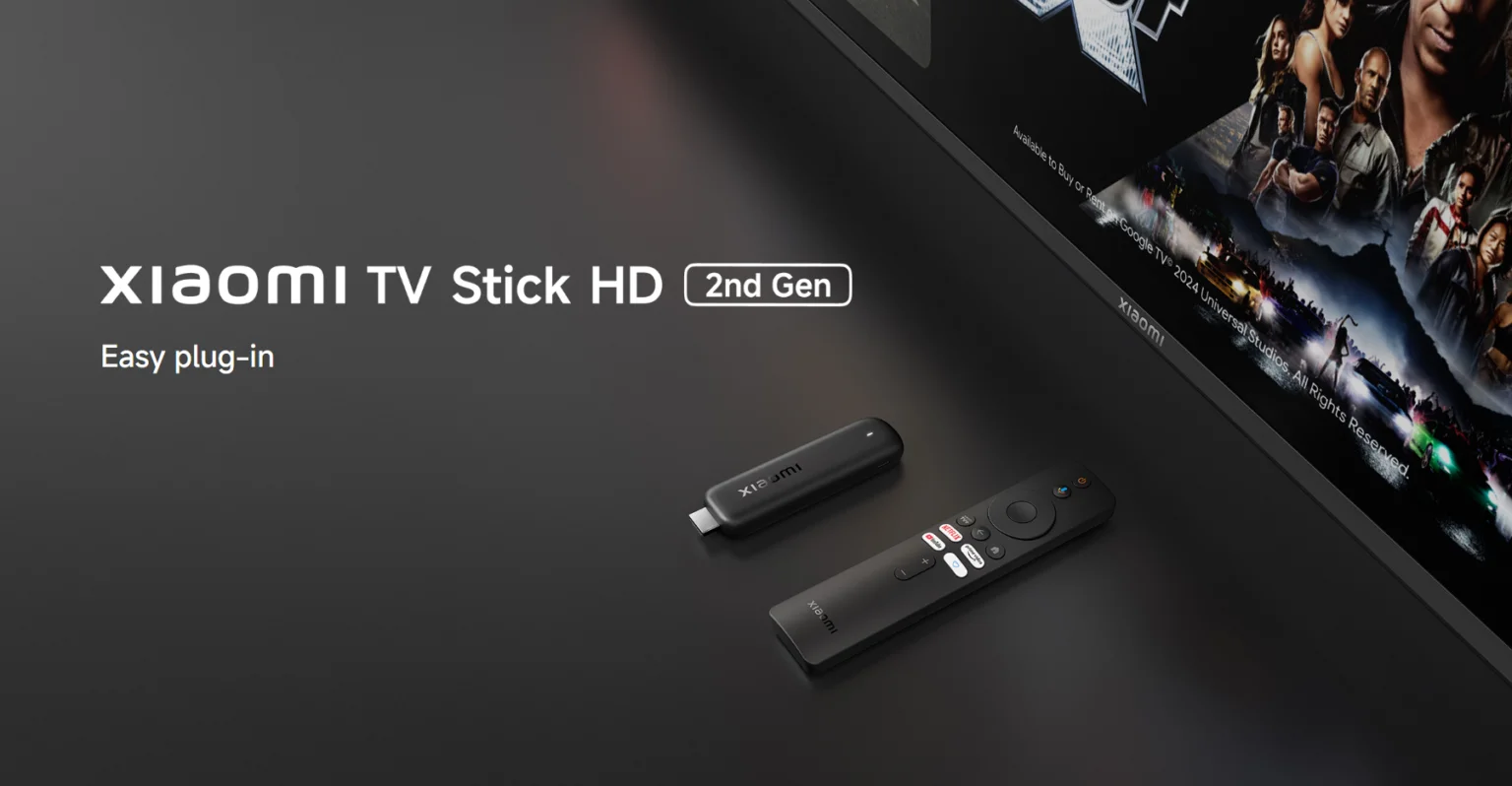
Xiaomi has officially unveiled its second-generation (Gen 2) Xiaomi TV Stick HD, positioning it as an entry-level streaming solution for the global market. This latest iteration of the popular streaming device arrives as a more budget-friendly alternative to the already established Xiaomi TV Stick 4K Gen 2, further solidifying Xiaomi’s commitment to providing accessible smart entertainment options. The announcement, reported by Gizmochina, marks a significant expansion of Xiaomi’s consumer electronics portfolio, catering to a wide spectrum of users seeking to upgrade their television viewing experience without a substantial financial outlay.
Bridging the Gap in Smart TV Accessibility
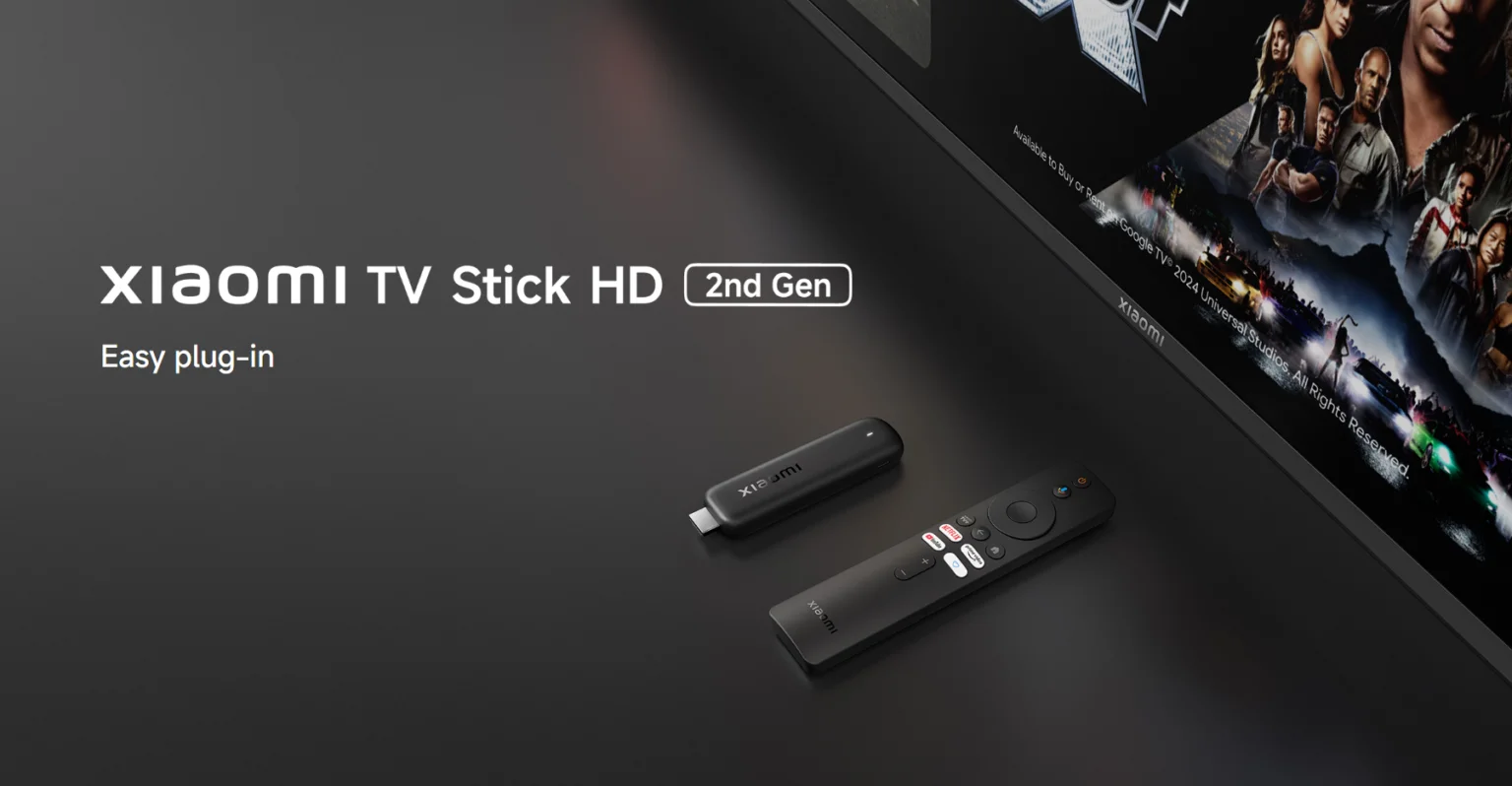
The Xiaomi TV Stick HD Gen 2 is designed to bring the power of smart streaming to virtually any television or monitor equipped with an HDMI port. Its plug-and-play functionality, requiring only a Wi-Fi connection to operate, underscores its user-friendly design. The device operates on the robust Google TV platform, offering seamless access to a vast array of popular streaming services and video content providers. This includes household names such as YouTube, Netflix, and Apple TV, ensuring users have a comprehensive library of entertainment at their fingertips. The integration of Google Assistant enables convenient voice control, allowing users to search for content, adjust settings, and even manage their smart home devices with simple voice commands. Complementing the voice control is an included remote control, which further enhances user interaction and navigation. Furthermore, the device boasts Google Cast capabilities, facilitating effortless screen mirroring from smartphones and tablets, thereby expanding content sharing possibilities.
Technical Specifications and Performance Enhancements
While positioned as an affordable option, the Xiaomi TV Stick HD Gen 2 does not compromise significantly on core viewing experiences. The device supports video output ranging from 720p up to a maximum of 1080p at a smooth 60Hz refresh rate. This resolution is well-suited for a majority of existing HD televisions and provides a clear, enjoyable viewing experience for standard definition and full HD content. To enhance visual fidelity, the Xiaomi TV Stick HD Gen 2 incorporates support for HDR10+, a dynamic high dynamic range technology that delivers improved contrast, deeper blacks, and brighter highlights, resulting in a more vivid and lifelike picture. On the audio front, the device is equipped with support for Dolby Audio and DTS:X, two industry-leading audio technologies that provide immersive, multi-dimensional soundscapes, elevating the cinematic experience for movies, TV shows, and games.
At the heart of the Xiaomi TV Stick HD Gen 2 lies an upgraded hardware configuration. The device is powered by a quad-core Cortex-A55 processor, paired with a Mali-G32 MP2 GPU. Xiaomi claims a notable performance improvement of 38% in CPU capabilities compared to its predecessor, suggesting a more fluid and responsive user interface, quicker app loading times, and smoother multitasking. This enhanced processing power is further supported by 1GB of DDR4 RAM, ensuring efficient operation of the Google TV interface and various applications. For local storage, the device offers 8GB of internal memory, which provides ample space for downloaded apps, games, and essential system files, although users may opt for cloud storage solutions for extensive media libraries.
Connectivity and User Experience
Connectivity is a crucial aspect of any streaming device, and the Xiaomi TV Stick HD Gen 2 addresses this with modern standards. It features dual-band Wi-Fi support, encompassing both the 2.4GHz and 5GHz frequency bands. This dual-band capability is significant, as it allows the device to connect to the less congested 5GHz band for faster and more stable streaming, especially in environments with multiple Wi-Fi networks. The inclusion of Bluetooth 5.0 ensures reliable and efficient wireless connectivity for peripherals such as the remote control, wireless headphones, and game controllers.
The included remote control is designed for intuitive use, featuring a combination of Bluetooth and infrared connectivity for broader compatibility. It also boasts dedicated shortcut buttons for popular streaming services like Netflix, Amazon Prime Video, and YouTube, allowing for instant access to these platforms with a single press. This thoughtful addition streamlines the user experience, reducing the need for manual navigation through menus.
In terms of codec support, the Xiaomi TV Stick HD Gen 2 is well-equipped to handle a wide variety of video formats. It includes support for AV1, VP9, H.265, and H.264, among others. The AV1 codec, in particular, is gaining prominence for its efficiency in delivering high-quality video streams with reduced bandwidth consumption, a benefit for users with slower internet connections. The comprehensive support for various audio, video, and image formats ensures maximum compatibility with diverse content sources.
Market Positioning and Future Implications
The introduction of the Xiaomi TV Stick HD Gen 2 comes at a time when the demand for affordable smart home entertainment solutions continues to grow. As the cost of premium smart televisions remains a barrier for many consumers, devices like the Xiaomi TV Stick HD Gen 2 democratize access to advanced streaming features. The company’s strategy of offering tiered products, such as the HD and 4K variants, allows consumers to select a device that best fits their budget and existing television capabilities.
The pricing for the Xiaomi TV Stick HD Gen 2 has not yet been officially announced, but its positioning as an entry-level device suggests it will be competitively priced within the market. This move is likely to intensify competition in the budget streaming device segment, potentially driving other manufacturers to innovate and offer similar value propositions.

The broader implications of this release extend beyond just a new product. It signifies Xiaomi’s ongoing commitment to expanding its smart ecosystem and reinforcing its position as a key player in the global consumer electronics market. By offering a compelling blend of features, performance, and affordability, Xiaomi is empowering more households to enjoy the rich world of digital streaming content. As internet penetration increases globally and the adoption of smart home technology accelerates, devices like the Xiaomi TV Stick HD Gen 2 will play a crucial role in shaping the future of home entertainment, making it more accessible and enjoyable for everyone. The company’s consistent focus on delivering value-driven products continues to resonate with consumers worldwide, and the Xiaomi TV Stick HD Gen 2 is poised to be another testament to this successful strategy.
A Chronology of Xiaomi’s Streaming Evolution
Xiaomi’s journey into the streaming device market began with earlier iterations of its Mi Box and Mi TV Stick, which garnered significant attention for their affordability and functionality. The initial Mi TV Stick, launched in 2020, provided a compact and cost-effective way for users to convert their non-smart TVs into smart ones, running on Android TV. This was followed by the more advanced Xiaomi TV Stick 4K, released in 2021, which offered 4K resolution and Dolby Vision support, catering to users seeking a higher-quality viewing experience.
The introduction of the Xiaomi TV Stick HD Gen 2 in early 2026, following the release of its 4K counterpart, demonstrates a strategic approach to segment the market. The timing of this announcement suggests a proactive move to capture a larger share of the burgeoning entry-level streaming device market, particularly in regions where HD televisions are still prevalent or where budget-conscious consumers are seeking an upgrade. This phased rollout allows Xiaomi to address different consumer needs and price points effectively, maximizing its market reach. The sustained development and release of new models underscore Xiaomi’s dedication to continuous improvement and adaptation to evolving consumer demands in the dynamic field of digital entertainment.