Eko Sulistyo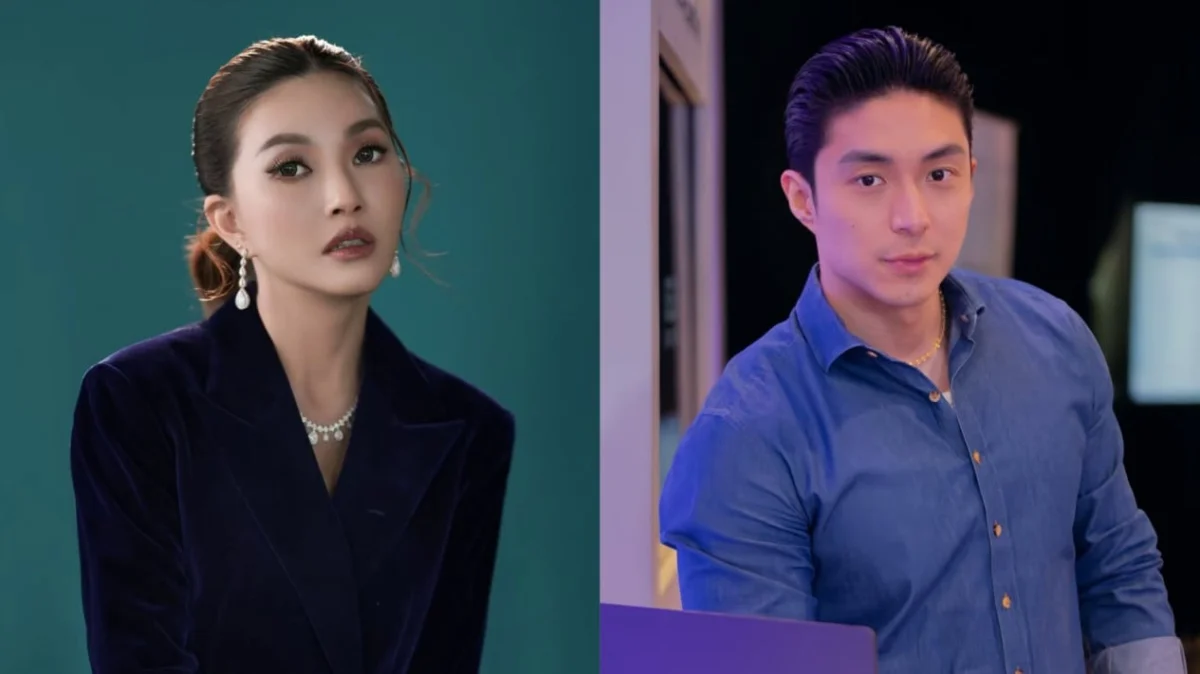
The landscape of Indonesian celebrity culture has recently been captivated by the evolving relationship between Giorgio Antonio and Sarwendah, the former wife of entertainment mogul Ruben Onsu. Following the high-profile dissolution of Sarwendah’s marriage, public attention has shifted toward her frequent collaborations and personal interactions with Antonio. While these interactions—ranging from coordinated social media content to joint live-selling sessions—have garnered a significant following, they have also ignited a firestorm of public scrutiny, professional skepticism, and familial tension. The emergence of Giorgio Antonio as a constant figure in Sarwendah’s professional and private life has led to a series of challenges that highlight the complexities of modern celebrity dynamics, especially in the wake of a publicized divorce.
The Context of the Sarwendah and Ruben Onsu Separation
To understand the intensity of the scrutiny facing Giorgio Antonio, one must first look at the foundation of Sarwendah’s public persona. For over a decade, Sarwendah and Ruben Onsu were regarded as one of Indonesia’s most stable and successful celebrity couples. Their brand was built on the image of a harmonious family, encompassing their three children: Betrand Peto Putra Onsu, Thalia Putri Onsu, and Thania Putri Onsu. When the news of their divorce broke, it sent shockwaves through the entertainment industry, leaving a vacuum of curiosity regarding how both parties would move forward.
As Sarwendah transitioned into her new life as a single mother and independent businesswoman, she leaned heavily into "live commerce"—a burgeoning industry in Indonesia where celebrities sell products directly to consumers via platforms like TikTok and Shopee. It was within this professional sphere that Giorgio Antonio became a prominent fixture. His constant presence by her side during these hours-long broadcasts eventually blurred the lines between professional assistance and personal companionship, leading to the seven major challenges he now faces in the court of public opinion.
1. Skepticism Surrounding the CEO Title
One of the most persistent criticisms directed at Giorgio Antonio involves his professional credentials. In several instances, Antonio has identified himself or been identified as a "CEO." In the context of Indonesian social media, the title of CEO often carries a weight of prestige and financial independence. However, the digital audience, often referred to as "netizens," began to question the legitimacy of this claim when they observed him spending the majority of his time participating in Sarwendah’s live sales streams rather than managing a corporate entity.
The skepticism reached a peak when renowned Indonesian lawyer Hotman Paris, known for his blunt commentary on social issues, reportedly voiced doubts regarding Antonio’s professional status. The public’s demand for transparency regarding his business ventures stems from a cultural expectation that a partner for a high-profile figure like Sarwendah should possess a comparable level of established success. This doubt has created a narrative where Antonio is seen as more of a social media personality than a corporate leader, affecting his credibility in the business community.
2. The "Mokondo" Allegation and Public Perception
In the digital discourse surrounding Antonio, the derogatory term "mokondo" has surfaced frequently. This Indonesian slang is used to describe a man who enters a relationship with a wealthy or successful woman primarily for financial gain or to elevate his own social status without contributing his own resources. This label emerged from observations that Antonio’s sudden rise in popularity and media visibility is directly tied to his proximity to Sarwendah.
While these allegations are largely based on the subjective opinions of social media users rather than documented financial records, the label has proven difficult to shake. In the era of "parasocial relationships," fans of Sarwendah feel a protective instinct toward her, fearing that she may be taken advantage of during a vulnerable period post-divorce. This sentiment has forced Antonio into a defensive position, where his every move is analyzed for signs of opportunism.
3. Friction with Ruben Onsu Regarding Property and Content
A significant turning point in the public narrative occurred when Ruben Onsu, Sarwendah’s ex-husband, subtly addressed the activities occurring within his former family home. Despite the separation, Ruben remains a central figure in the lives of his children and retains interests in the properties he helped establish. Reports surfaced that Ruben expressed discomfort or disapproval regarding the filming of promotional content and "endorsements" at his residence involving Antonio.
This conflict highlights the legal and emotional gray areas that follow a divorce. While Sarwendah may reside in the house, the presence of a new male figure using the space for commercial content creation is seen by some—including Ruben—as a breach of unspoken boundaries. This tension has painted Antonio as an intruder in a space that still carries the legacy of the Onsu family, complicating his acceptance by those close to the former couple.
4. Interference in Parenting and Child-Rearing Dynamics
Perhaps the most sensitive issue involves Antonio’s relationship with Sarwendah’s three children. In various video clips and social media posts, Antonio is seen interacting closely with Betrand, Thalia, and Thania. In many cultures, and particularly in Indonesia, the introduction of a new figure into the lives of children following a divorce is a delicate process that usually requires the consent and cooperation of both biological parents.
Critics argue that Antonio has overstepped his bounds by appearing to involve himself in the daily routines and "parenting" of the children. Ruben Onsu himself has reportedly felt unsettled by Antonio’s presence, suggesting that the influence might not align with the established upbringing he and Sarwendah had agreed upon. The public backlash centers on the idea that parenting rights are exclusive to the biological parents and that a third party, especially one whose relationship status is unofficial, should not have a role in the children’s development or public image.
5. Challenges to His Entertainment Career
Before his association with Sarwendah, Giorgio Antonio was a figure on the fringes of the entertainment industry. While the association has undeniably increased his follower count and "engagement" metrics, it has been a double-edged sword for his career. In the entertainment world, being famous for a "scandal" or a controversial relationship can limit opportunities for serious professional growth.
Producers and brands often weigh the "likability" of a talent before signing contracts. The polarized reaction to Antonio—where a significant portion of the audience views him with suspicion—makes him a "high-risk" talent for mainstream brands. His career is currently at a crossroads: he must decide whether to lean into the "influencer" lifestyle or attempt to establish a professional identity independent of his relationship with Sarwendah.
6. The Impact of Live Commerce and Digital Visibility
The nature of Giorgio Antonio’s visibility is unique to the 2020s. Unlike celebrities of the past who were seen in controlled environments like films or interviews, Antonio’s life is broadcast in real-time through live-selling platforms. This constant visibility allows the public to scrutinize every gesture, word, and interaction.
Data suggests that live-selling sessions involving Sarwendah and Antonio see a spike in viewership whenever the two interact, but the comments section is often a battlefield. This "hate-watching" phenomenon contributes to high engagement numbers but creates a toxic environment for the individuals involved. For Antonio, the platform that gave him a voice is the same one that facilitates the daily erosion of his reputation.
7. The Ethical and Social Implications of "Rebounding" in the Public Eye
Finally, Antonio faces the broader social implication of being the first major figure associated with Sarwendah after her marriage. Sociologically, the "rebound" partner in a high-profile divorce often bears the brunt of public dissatisfaction. There is a collective mourning for the previous marriage, and the new partner is often cast as the "villain" or the "disruptor."
Antonio is currently navigating the ethical minefield of public perception regarding how soon is "too soon" to move on. His presence in Sarwendah’s life serves as a constant reminder to the public that the Ruben-Sarwendah era is officially over, a reality that many fans are still struggling to accept.
Analysis of Broader Implications
The situation involving Giorgio Antonio, Sarwendah, and Ruben Onsu is more than just a tabloid story; it is a case study in the intersection of family law, digital entrepreneurship, and public relations. In Indonesia, where family values are deeply ingrained in the social fabric, the "intrusion" of a new partner into a well-known family unit is rarely met with immediate approval.
From a legal standpoint, the disputes over content creation in the family home and the involvement in parenting highlight the need for clear post-divorce agreements in the age of social media. As celebrities increasingly turn their private lives into commercial assets, the boundaries of "privacy" and "property" become blurred.
Furthermore, the "CEO" controversy underscores a growing trend in the "gig economy" where titles are used as marketing tools rather than reflections of corporate structure. For Giorgio Antonio, the path forward will likely require a strategic withdrawal from the public eye to rebuild a professional identity that is not contingent on his proximity to Sarwendah.
Conclusion
Giorgio Antonio remains a polarizing figure in the Indonesian media landscape. While his closeness to Sarwendah has provided him with an unprecedented platform, it has also exposed him to rigorous criticism regarding his motives, his professional standing, and his respect for the existing family dynamics of the Onsu household. Whether he can transition from a subject of controversy to a respected professional remains to be seen. In the interim, his experience serves as a cautionary tale about the complexities of seeking a life in the spotlight alongside one of the country’s most scrutinized public figures. As the digital age continues to evolve, the case of Antonio and Sarwendah will likely be remembered as a defining moment in how Indonesian society navigates the delicate transition of celebrity families in the 21st century.