Tyo Susilo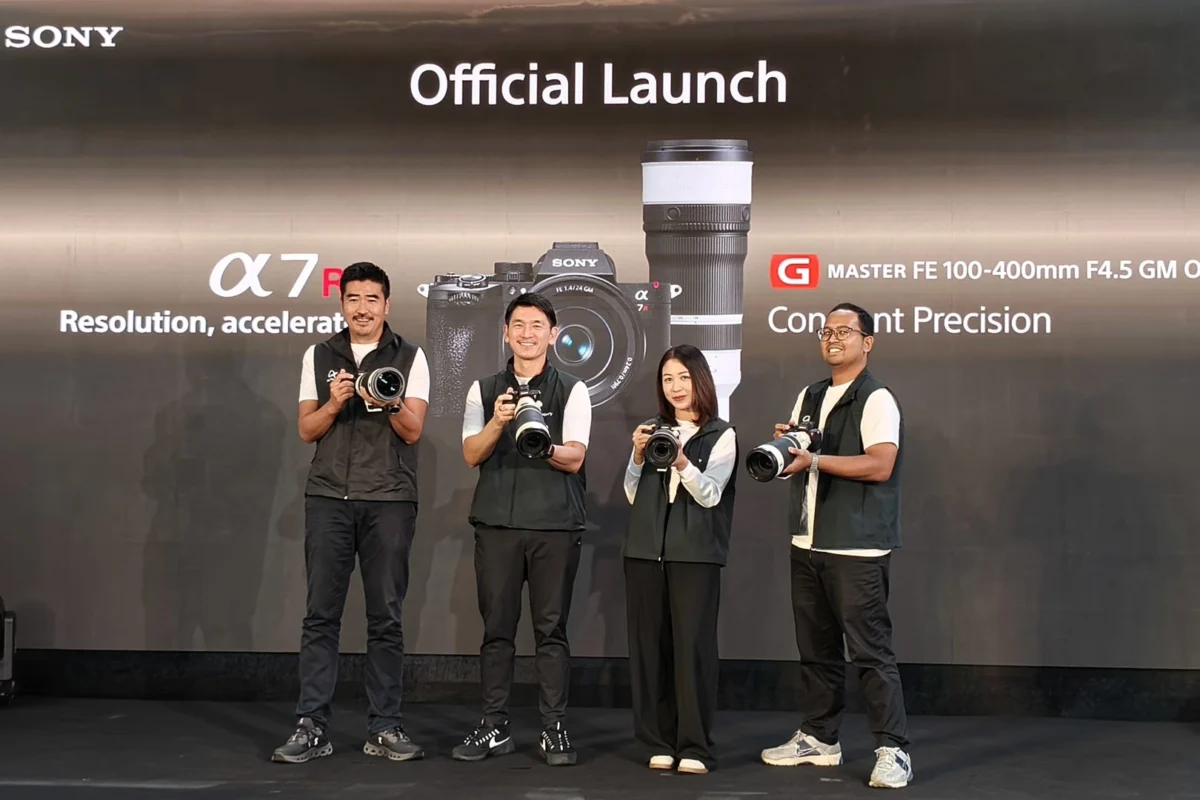
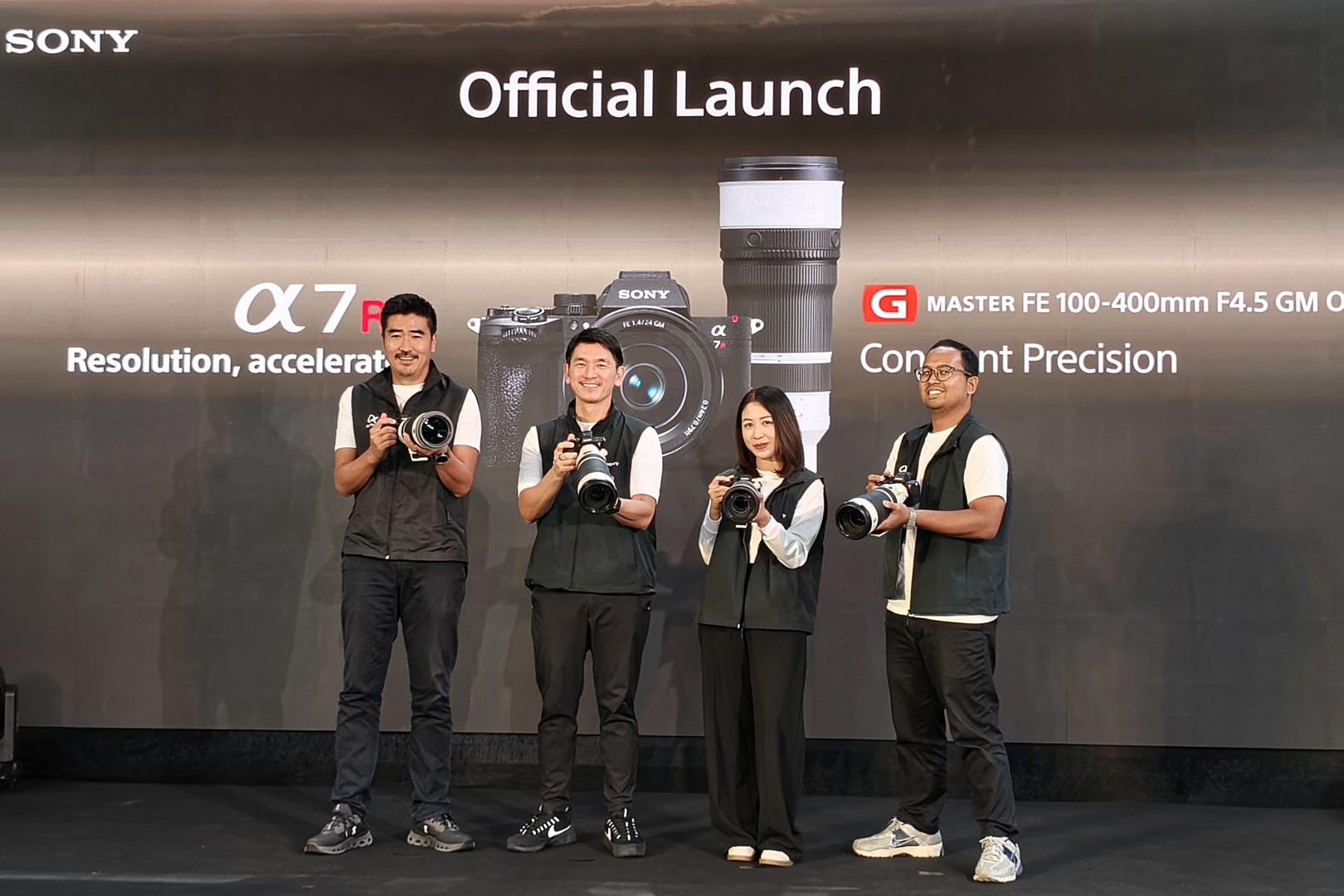
Jakarta, May 22, 2026 – Sony has officially unveiled the latest iteration of its highly acclaimed mirrorless camera lineup, the Sony Alpha 7R VI. This new model marks a significant leap forward with its revolutionary 66.8-megapixel full-frame sensor, a first for the Alpha 7R series to feature a fully stacked sensor design. This potent combination of ultra-high resolution and advanced sensor technology is meticulously engineered to meet the demanding needs of photographers across virtually every genre, from intricate portraiture and dynamic wildlife photography to breathtaking landscapes that necessitate unparalleled detail.
The launch event, held in Jakarta on May 22, 2026, underscores Sony’s continued commitment to pushing the boundaries of digital imaging technology. This release positions the Alpha 7R VI as a direct competitor to other high-resolution professional cameras, aiming to capture a significant share of the premium camera market. Industry analysts have been anticipating this release, given the steady evolution of Sony’s Alpha line and the increasing demand for cameras that can deliver exceptional detail and dynamic range for a variety of professional applications.
Unpacking the Upgrades: What’s New in the Sony Alpha 7R VI
At the heart of the Alpha 7R VI’s impressive performance is its newly developed 66.8-megapixel full-frame sensor. The "fully stacked" architecture signifies a paradigm shift in sensor design, allowing for faster readout speeds and improved light-gathering capabilities. This design typically involves layering the circuitry behind the photodiode layer, enabling more pixels to be packed into a given area while optimizing their efficiency. This technological advancement is crucial for capturing the minute details that define high-resolution photography, ensuring that every texture, nuance, and subtle gradient is rendered with remarkable fidelity.
Sony has also significantly enhanced the electronic viewfinder (EVF) experience. The Alpha 7R VI boasts a new OLED EVF with an astonishing 9.44 million dots, a figure that Sony claims is three times brighter than its predecessor. Furthermore, this advanced EVF supports the DCI-P3 color space, equivalent to 125% of sRGB, and is capable of 10-bit HDR output. The implications of this are profound: photographers can now preview their images with a level of accuracy that closely mirrors the final output, particularly in challenging lighting conditions with extreme highlights and deep shadows. This WYSIWYG (What You See Is What You Get) experience in the viewfinder reduces the guesswork in post-processing and allows for more confident exposure and composition decisions in the field.
Powering prolonged shooting sessions is another area of significant improvement. Sony has introduced a new NP-FA100 battery, offering a 17% increase in capacity compared to previous models. According to CIPA standards, this translates to approximately 600 shots when using the EVF and an impressive 710 shots when reviewing images on the LCD screen. For professionals who often work long days in remote locations or events where immediate access to charging is limited, this extended battery life is an invaluable upgrade, minimizing downtime and ensuring that critical moments are not missed due to power constraints.
A New Era of Processing Power: The BIONZ XR2 Engine
The processing capabilities of the Alpha 7R VI have been revolutionized with the integration of the new BIONZ XR2 processor. This advanced engine is not just about raw speed; it incorporates an integrated AI processing unit. This AI prowess significantly enhances various camera functions, from autofocus tracking to image analysis. Notably, the sensor readout speed has been dramatically improved, reportedly 5.6 times faster than that of the Alpha 7R V. This leap in speed unlocks the camera’s ability to achieve continuous shooting speeds of up to 30 frames per second (fps) without any viewfinder blackout.
This sustained high-speed shooting capability is a game-changer for wildlife photographers and sports journalists who often rely on capturing fleeting moments. The ability to continuously capture action at 30 fps, without the interruption of viewfinder blackout, allows photographers to track subjects with greater ease and increases the probability of acquiring the perfect shot during fast-paced events. This is particularly critical in genres where split-second timing determines the success of an image.
In terms of image quality, the Sony Alpha 7R VI promises a remarkable dynamic range of up to 16 stops. This capability allows for the capture of scenes with extreme contrast, retaining detail in both the brightest highlights and the darkest shadows simultaneously. Furthermore, Sony claims that noise levels at mid-to-high ISO sensitivities have been significantly reduced compared to previous generations. This means cleaner images in low-light conditions and greater flexibility when pushing the ISO to capture challenging shots.
Sony has also incorporated an AI-powered Auto White Balance (AWB) feature. This intelligent system is designed to maintain more consistent and accurate color reproduction across a wide variety of lighting conditions. By analyzing the scene with its AI capabilities, the AWB can better compensate for color casts and ensure that colors are rendered true to life, simplifying the post-processing workflow and delivering more reliable results straight out of the camera.

Broader Context and Industry Implications
The introduction of the Sony Alpha 7R VI arrives at a time when the demand for high-resolution imaging across various professional fields is at an all-time high. From advertising and fine art photography to scientific research and architectural documentation, the need for cameras that can capture the minutest details is paramount. The 66.8MP sensor, coupled with the advanced processing and improved ergonomics, places the Alpha 7R VI squarely in the territory of professional-grade tools that can meet these exacting demands.
The "fully stacked" sensor technology, while not entirely new to the camera industry, represents a significant achievement for Sony’s Alpha 7R line. Its successful integration suggests a mature understanding of this complex manufacturing process, potentially paving the way for even more advanced sensor designs in future products. The emphasis on AI integration within the BIONZ XR2 processor also reflects a broader industry trend towards intelligent cameras that can assist photographers in achieving better results with less effort.
Pre-Order Details and Market Positioning
The Sony Alpha 7R VI is now available for pre-order starting May 22, 2026, with the pre-order window extending until June 22, 2026. Reflecting its premium positioning and advanced capabilities, the camera body-only price is set at Rp 74,999,000 (approximately $4,800 USD, subject to currency fluctuations). This pricing places it competitively within the high-end professional full-frame mirrorless camera segment.
With this release, Sony aims to further solidify its leadership in the mirrorless camera market, particularly in the high-resolution segment. The Alpha 7R VI is poised to attract a discerning clientele of photographers who prioritize detail, dynamic range, and cutting-edge technology. Its comprehensive suite of upgrades, from the sensor and processor to the EVF and battery life, suggests that Sony has listened to the feedback of its professional users and delivered a camera that addresses many of their key requirements. The question now is not if photographers will upgrade, but rather how many will embrace this new benchmark in resolution and performance.