Tyo Susilo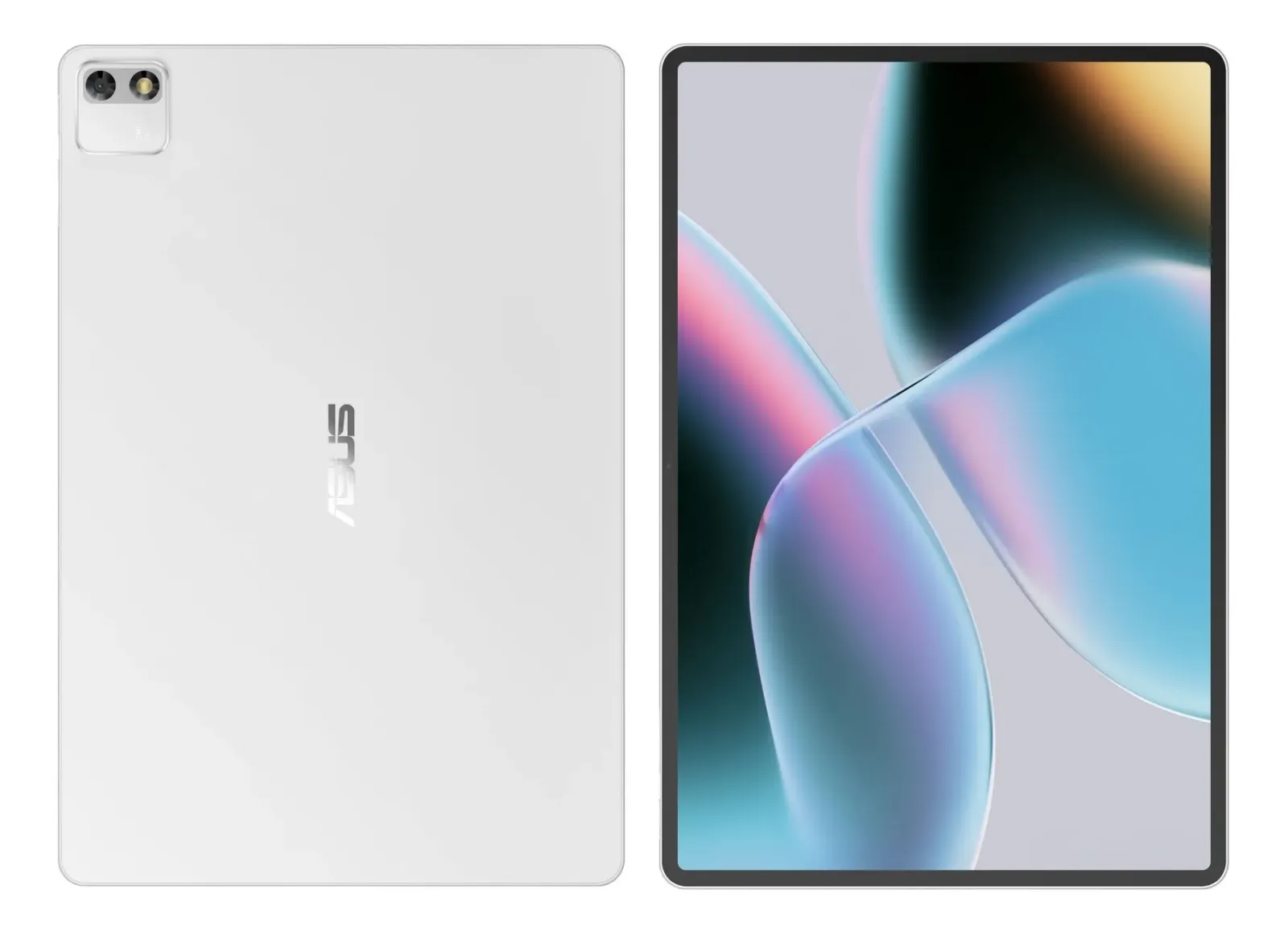
ASUS has officially announced its return to the tablet market, a move long anticipated by industry observers and consumers alike. The company unveiled the ASUS Pad, a new Android tablet that boasts a compelling set of specifications, with its standout feature being an advanced tandem OLED display. This launch marks a significant strategic shift for ASUS, signaling a renewed commitment to a product category where they have not been a prominent player for an extended period.
A Bold Return with Cutting-Edge Display Technology
The ASUS Pad arrives with a substantial 12.2-inch display, featuring a dual-layer, or tandem, OLED panel. This technology, akin to that found in premium devices like the Apple iPad Pro M5, is engineered to deliver a superior visual experience. Tandem OLED panels offer notable advantages over conventional OLED screens, including enhanced brightness levels, improved power efficiency, and increased panel longevity. These enhancements are crucial for a device positioned to be a versatile tool for both productivity and entertainment.
The display itself is a visual powerhouse, boasting a crisp 2.8K (2800 x 1840) resolution. This high pixel density ensures that text is sharp, images are detailed, and videos are rendered with exceptional clarity, making it ideal for creative professionals, media consumption, and detailed work. Complementing the resolution is an impressive 144Hz refresh rate. This high refresh rate translates to exceptionally smooth scrolling, fluid animations, and a more responsive touch experience, which is particularly beneficial for gaming and fast-paced applications. The combination of 2.8K resolution and a 144Hz refresh rate positions the ASUS Pad as a high-performance device capable of competing at the forefront of tablet display technology.
Performance and Power Under the Hood
At the heart of the ASUS Pad lies the MediaTek Dimensity 8300 system-on-chip (SoC). This powerful processor is built on a 4nm manufacturing process, a testament to its modern architecture and efficiency. The Dimensity 8300 is known for its robust performance, capable of handling demanding applications, multitasking, and even intensive gaming with ease. This chipset ensures that the ASUS Pad can deliver a fluid and responsive user experience across a wide range of tasks.
To complement the powerful processor, the tablet is equipped with LPDDR5X RAM, the latest generation of low-power double data rate synchronous dynamic random-access memory. This offers significantly faster data transfer speeds and improved power efficiency compared to older RAM standards, contributing to the tablet’s overall snappiness and battery life. For storage, ASUS has opted for UFS 3.1 (Universal Flash Storage). UFS 3.1 provides rapid read and write speeds, which are crucial for quick app loading, file transfers, and overall system responsiveness. The ASUS Pad offers internal storage options of up to 256GB, providing ample space for apps, media, and documents. Furthermore, recognizing the need for expandable storage, the device includes a microSD card slot, allowing users to further increase their storage capacity, a feature that is becoming increasingly rare in high-end mobile devices.

Design, Battery, and Audio Experience
Despite its large 12.2-inch display and powerful internals, the ASUS Pad is surprisingly lightweight, tipping the scales at approximately 523 grams. This careful design consideration aims to make the tablet comfortable for extended use, whether for productivity on the go or relaxed media consumption.
Powering the device is a substantial 9,000mAh battery. This capacity is designed to provide ample endurance for a full day of moderate to heavy use. When the battery does need a top-up, the ASUS Pad supports 45W fast charging. This technology significantly reduces downtime, allowing users to quickly regain a substantial amount of battery life, a critical feature for users who rely on their tablets throughout the day.
The audio experience on the ASUS Pad is equally impressive. The tablet features a quad-speaker system, designed to deliver immersive and rich sound. With support for Dolby Atmos, users can expect a more dynamic and spatial audio output, enhancing movie watching, music listening, and gaming experiences. This focus on audio quality underscores ASUS’s intent to position the Pad as a premium entertainment and productivity device.
Productivity and Connectivity Features
The ASUS Pad is clearly designed with productivity in mind. It offers support for the ASUS Pen 2.0 stylus, providing a natural and precise way to take notes, sketch, or annotate documents directly on the screen. This feature will appeal to artists, students, and professionals who require a digital pen input for their workflows.
For users who prefer a more traditional typing experience, ASUS also offers a Bluetooth keyboard accessory. This enables the tablet to function more like a portable laptop, making it suitable for extended writing sessions and complex document editing. The combination of stylus and keyboard support creates a versatile ecosystem for users looking to maximize their productivity on the go.
In terms of imaging, the ASUS Pad is equipped with a 13MP rear camera and a 5MP front-facing camera. While not positioned as a flagship camera phone, these specifications are more than adequate for everyday tasks such as scanning documents, taking quick photos, or participating in video calls. The front-facing camera, in particular, is crucial for the growing trend of remote work and online collaboration.

Market Context and Future Outlook
ASUS’s re-entry into the tablet market comes at a time when the demand for versatile, high-performance devices continues to grow. The tablet segment has seen a resurgence, driven by the need for portable productivity tools and immersive entertainment devices. Competitors like Apple, Samsung, and Lenovo have been actively innovating in this space, making ASUS’s return a significant event for the industry.
The decision to equip the ASUS Pad with a tandem OLED display and a high-end MediaTek chipset indicates a strategy to target the premium segment of the Android tablet market. This segment values cutting-edge technology, superior performance, and a refined user experience. By focusing on these aspects, ASUS aims to differentiate itself from more budget-oriented offerings.
However, a crucial piece of information that remains undisclosed is the pricing and availability of the ASUS Pad. Without this data, it is challenging to definitively assess its competitive positioning. The success of the ASUS Pad will hinge not only on its impressive specifications but also on its price-to-value proposition and its availability in key global markets.
The question of whether the ASUS Pad will be brought to markets like Indonesia, and at what price point, will be a significant factor for consumers. Given its specifications, the device has the potential to be a strong contender if priced competitively. Its success in these markets will also depend on ASUS’s marketing efforts and its ability to establish a robust after-sales support network.
The inclusion of features like the tandem OLED display, a powerful SoC, and stylus support suggests that ASUS is serious about making a mark in the premium tablet space. This launch could signal a broader trend of renewed innovation and competition within the Android tablet ecosystem, benefiting consumers with more choices and advanced technology. The industry will be watching closely to see how ASUS navigates this re-entry and whether the ASUS Pad can carve out a significant niche in a competitive landscape.