
 Lina Irawan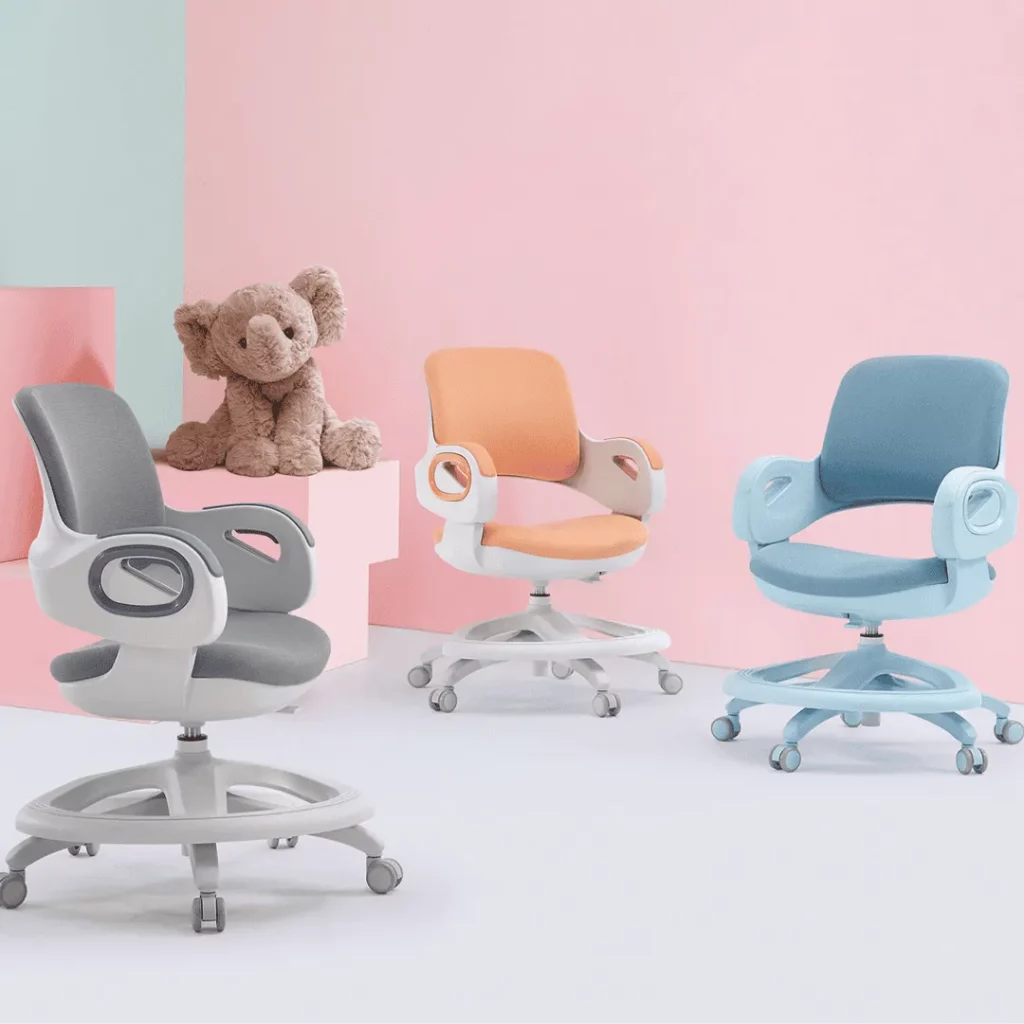
In an era where remote work and online learning have become increasingly prevalent, the humble study chair has transcended its traditional role as mere seating, evolving into a critical component for both physical well-being and psychological comfort. The optimal study chair, according to leading health and design experts, is characterized by adjustable lumbar support, a breathable seat cushion, and precise height adjustment mechanisms. These features are fundamental in mitigating the risk of long-term back injuries, a growing concern among sedentary populations. Concurrently, the integration of pastel color palettes serves a distinct psychological function, scientifically proven to reduce stress levels and enhance cognitive focus, thereby fostering a more conducive learning and working environment.
A pervasive challenge identified by interior design professionals and ergonomists is the common tendency among students and parents to prioritize superficial room aesthetics over functional comfort. This often leads to the acquisition of visually appealing yet ergonomically deficient furniture, such as rigid wooden chairs or minimalist plastic stools. While these pieces may align with certain design trends, they invariably contribute to rapid onset fatigue, back pain, and a host of musculoskeletal issues, ultimately undermining the very purpose of a study space. The misconception that health must be sacrificed for an "Instagrammable" room is increasingly being debunked, as contemporary design innovations now seamlessly blend advanced ergonomic science with sophisticated visual appeal. It is within this convergence that the ergonomic pastel study chair emerges as a definitive solution, offering not just an aesthetic enhancement to a personal study nook but also a substantial, long-term investment in spinal health and overall academic or professional performance. This comprehensive analysis will delve into the multifaceted reasons why such a chair is indispensable for any dedicated study area.
The Indisputable Case for Ergonomic Design in Study Chairs
For decades, the field of orthopedics has underscored the profound impact of seating posture on spinal health. When an individual sits, particularly for extended periods, the load on the lumbar spine can increase by up to 50% compared to standing. Without adequate support that mirrors the natural S-curve of the human spine, this increased pressure can lead to chronic conditions ranging from cervical stiffness and shoulder impingement to more severe spinal deformities like scoliosis, especially concerning in developing adolescents. The human body is designed for movement, and prolonged static postures, if improperly supported, can impede circulation, strain ligaments, and compress spinal discs.
Ergonomic chairs are engineered to counteract these detrimental effects. By intelligently distributing body weight across the seating surface, they alleviate pressure points, promote healthy blood flow to the lower extremities, and maintain the spine’s natural alignment. This biomechanical approach ensures that muscles are not overtaxed in maintaining posture, reducing fatigue and allowing for sustained concentration. The American Academy of Orthopaedic Surgeons consistently advocates for furniture that supports the body’s natural curvature, a principle directly embodied by well-designed ergonomic chairs. The recent surge in remote work during the 2020-2022 global pandemic highlighted a critical need for proper home office setups, with reports from organizations like the World Health Organization indicating a rise in work-related musculoskeletal disorders, further emphasizing the urgency of ergonomic considerations in all seating.
Navigating the Options: Child-Specific vs. Adjustable Ergonomic Chairs
The furniture market presents a dichotomy, particularly when selecting study chairs for younger individuals. Parents often face the dilemma of choosing between specialized child-sized chairs with rigid backrests and more versatile, office-style ergonomic chairs tailored for adolescents and adults, albeit in appealing pastel hues. A detailed examination of their specifications is crucial for making an informed decision that prioritizes long-term comfort and adaptability.
-
Child-Specific Chairs with Fixed Backrests: These chairs are typically scaled precisely for children of elementary to middle school age. Their backrests are often designed to be upright, ostensibly "forcing" a child into a correct sitting posture. A primary advantage lies in their proportionate design; the seat pan depth is meticulously matched to a child’s thigh length, preventing dangling feet—a common ergonomic pitfall. However, the most significant drawback is their limited lifespan. As children grow rapidly, these chairs quickly become inadequate, with fixed backrests potentially pressing against incorrect spinal segments, leading to discomfort and poor posture rather than support. This short utility period makes them a less sustainable investment.
-
Adjustable Ergonomic Chairs for Adolescents/Adults with Pastel Designs: Representing a more sophisticated category, these chairs adopt the functionality of standard office chairs but are often offered in aesthetically pleasing pastel shades. Their paramount advantage lies in their extensive adjustability. Key components such as seat height, backrest recline tension, lumbar support depth, and even armrest position can be precisely customized. For long-term utility, this type of chair is highly recommended. It accommodates the physical growth of the user, allowing adjustments to be made as they mature from adolescence into adulthood, ensuring continuous ergonomic support. This adaptability makes them a far more prudent investment for families.
Specification Summary: For children under 10 years old, a dedicated child chair coupled with an ergonomic footrest is a safe and appropriate choice, ensuring their feet are properly supported. However, for individuals aged 11 and above, extending into adulthood, an adjustable ergonomic chair in a pastel color scheme offers superior long-term comfort, adaptability, and an aesthetic that evolves gracefully beyond childhood.
The Anatomy of a Truly Ergonomic Study Chair
Beyond superficial appearance, the true value of a study chair lies in its engineering and the specific features that contribute to its ergonomic integrity. Understanding these technical components is paramount for discerning a truly supportive chair from one merely labeled "ergonomic."
-
Adjustable Lumbar Support: The human lumbar spine naturally curves inward. Without adequate support in this region, the spine tends to slouch, leading to disc compression and muscle strain. A well-designed ergonomic chair features an adjustable, padded protrusion in the lower backrest area that precisely fills this natural curve, maintaining spinal alignment and reducing pressure.

-
High-Density Molded Foam Seat Pan: The seat cushion is critical for even weight distribution. Inferior chairs often use thin foam that quickly compresses, offering minimal support. High-density molded foam, by contrast, retains its shape, distributes pelvic weight evenly, and prevents pressure points. Crucially, the seat pan should not be so deep as to press against the back of the knees, which can restrict blood flow to the lower legs.
-
Breathable Mesh Backrest: In tropical climates like Indonesia, heat and humidity can make prolonged sitting uncomfortable, leading to sweating and discomfort. Mesh backrests, typically made from durable polyester, offer superior air circulation, preventing heat buildup and ensuring continuous airflow. The market now widely offers high-quality mesh in a spectrum of fade-resistant pastel colors.
-
Multi-Directional Adjustable Armrests (1D, 2D, 3D): Shoulder and neck tension often stem from unsupported arms. Armrests provide crucial support, alleviating the load on the shoulders. Opting for chairs with armrests that can be adjusted for height (1D), height and depth (2D), or height, depth, and pivot (3D) allows users to align their forearms parallel with the desk surface, ensuring relaxed shoulders and proper wrist alignment during tasks like typing or writing.
The Psychological Resonance of Pastel Hues in Study Spaces
The choice of color extends beyond mere aesthetics; it profoundly influences mood, concentration, and overall psychological well-being. While conventional office furniture often defaults to stark blacks or greys, which can impart a formal and occasionally oppressive atmosphere, pastel palettes offer a distinct advantage in study environments. Research in environmental psychology consistently demonstrates that lighter, softer colors evoke feelings of calmness, spaciousness, and optimism, effectively reducing stress and fostering a more inviting atmosphere for learning.
-
Mint Green: This gentle hue is exceptionally soothing to the human eye, reducing visual fatigue often associated with prolonged screen time or reading. Mint green chairs can evoke a sense of natural freshness and tranquility, akin to being in an open, verdant space, making it an excellent choice for study areas that may lack natural light or outdoor views.
-
Blush Pink: Moving away from the rigidity of traditional workspace colors, blush pink introduces a soft warmth and a profound calming effect. It can soften the visual impact of furniture, making the study space feel more nurturing and less intimidating. This color is particularly popular among teenagers and young adults, easily complementing white desks or natural wood finishes.
-
Lavender or Lilac: Often associated with creativity, wisdom, and imagination, pastel purples like lavender or lilac are ideal for individuals engaged in artistic pursuits, design, or abstract problem-solving. Their unique and elegant presence can transform the study chair into a sophisticated focal point within the room, stimulating innovative thought.
-
Baby Blue: Universally recognized for its calming properties, blue has been shown to lower heart rate and create an atmosphere of peace and productivity. A baby blue ergonomic chair can be particularly beneficial for students prone to anxiety or stress, especially during exam periods, by promoting a serene and focused mindset.
Harmonizing Pastel Chairs with Interior Design Schemes
Integrating a pastel ergonomic chair into an existing room requires thoughtful consideration to ensure seamless aesthetic continuity. The fundamental principle for showcasing pastel furniture is to pair it with a neutral backdrop. Colors such as crisp white, warm cream, or subtle light grey provide the perfect canvas, allowing the pastel chair to emerge as a gentle, yet impactful, design statement.
-
Scandinavian Style: This design philosophy champions functionality, simplicity, and the warmth of natural materials. A pastel ergonomic chair pairs beautifully with light-toned wooden desks and minimalist shelving. Enhancing the space with a soft-textured rug beneath the chair can amplify the cozy and organized ambiance characteristic of Scandinavian interiors.
-
Modern Minimalist Style: In the context of a sleek, predominantly white or monochromatic minimalist room, a pastel chair serves as a deliberate "pop of color." The key is restraint; avoid introducing too many other vibrant hues. By allowing the chair to be the sole dominant color element, it achieves a sophisticated visual impact without cluttering the minimalist aesthetic.
-
Japandi Style (Japanese-Scandinavian): This hybrid style values serene colors, organic textures, and earthy tones. Pastel shades like sage green or soft grey are perfectly aligned with Japandi’s understated elegance. Ensuring ample natural light in the room is crucial, as sunlight beautifully illuminates and accentuates the subtle nuances of pastel furniture, enhancing the room’s tranquil and harmonious feel.

Mastering Ergonomic Adjustment for Optimal Comfort
Acquiring an ergonomic chair is merely the first step; its true benefits are unlocked through proper adjustment tailored to the individual user’s body proportions. Even the most expensive chair will fail to provide adequate support if not correctly configured.
-
Adjusting Seat Height: Sit fully back in the chair with your feet flat on the floor. Adjust the height lever until your knees form a 90-degree angle, with your thighs parallel to the floor. If your feet dangle, it indicates improper blood flow and necessitates a footrest.
-
Checking Knee-Seat Pan Clearance: Ensure there is a gap of approximately two to three fingers between the edge of the seat pan and the back of your knees. If the seat is too long, it will impede circulation in the calves, leading to discomfort and fatigue.
-
Positioning Lumbar Support: Slide the lumbar support (if adjustable) until it precisely aligns with the natural inward curve of your lower back, just above your tailbone. You should feel gentle, firm pressure supporting this area, preventing any hollow space when leaning back.
-
Aligning Armrests with the Desk: Move the chair close to your study desk. Adjust the armrest height so that your forearms are level with the desk surface, allowing your shoulders to remain relaxed and untensed. This setup supports your arms while typing or writing, preventing strain.
Addressing the Growing Pains: Solutions for Children’s Dangling Feet
A common dilemma for parents is purchasing an oversized chair with the intention of it lasting through adolescence, often resulting in children’s feet dangling. This ergonomic misstep shifts the entire body weight onto the thighs, hindering circulation and causing discomfort. The solution is remarkably simple and highly effective: the use of an ergonomic footrest. These readily available accessories provide a solid, adjustable platform for a child’s feet, maintaining the crucial 90-degree knee angle. As the child grows and their feet comfortably reach the floor, the footrest can be removed and stored, making this a cost-effective and health-conscious approach to evolving ergonomic needs.
Durability and Maintenance: Choosing and Caring for Pastel Chair Materials
When selecting light-colored furniture, durability against stains and overall material longevity are primary considerations. Three prevalent upholstery materials dominate the market, each with distinct advantages and care requirements.
-
Mesh (Polyester Netting): An excellent choice for warm, humid climates, mesh is highly flexible, robust, and exceptionally breathable, preventing back perspiration. Modern mesh fabrics are often dyed with fade-resistant pastel pigments and are inherently resistant to dust accumulation due to their woven structure.
-
Fabric (Woven/Canvas): Fabric-upholstered chairs offer superior softness and a warmer feel, with an extensive range of textures and colors. However, they are more susceptible to stains from ink or spills. Users must exercise greater caution to preserve their pristine appearance.
-
PU Leather (Synthetic Leather): Pastel synthetic leather imparts a premium, sophisticated aesthetic and is remarkably easy to clean, with spills often wiped away effortlessly. The primary drawback is its limited breathability; prolonged sitting in non-air-conditioned environments can lead to discomfort and heat buildup.
Proactive Care for Light-Colored Furnishings

Owning pastel furniture necessitates a commitment to regular cleaning, as lighter shades readily reveal blemishes. However, maintaining their pristine condition is manageable with a consistent care regimen.
-
Routine Cleaning Schedule: Implement weekly vacuuming of the seat and backrest using a brush attachment to prevent dust accumulation, which can dull pastel colors over time and avoid damaging fabric fibers.
-
Immediate Stain Treatment: In the event of spills, such as coffee or ink, blot the affected area immediately with a clean, dry microfiber cloth. Avoid rubbing, as this can spread the stain. For stubborn marks, use a specialized upholstery cleaner or a mild baby soap solution, gently working from the outer edge of the stain inward.
-
Protection from Direct Sunlight: Intense, prolonged exposure to UV rays can cause pastel colors to fade significantly over time. Position the chair away from direct sunlight or utilize sheer curtains (vitrage) to filter incoming light, preserving the vibrancy of the upholstery.
Dispelling Common Myths Surrounding Study Chairs
Misconceptions about ergonomic furniture are widespread. Clarifying these can help consumers make informed choices.
-
Myth: "Softer chairs are always more comfortable and better for your back." Fact: Seats that are excessively soft, akin to a plush sofa, are detrimental. They fail to provide a stable foundation for the tailbone and pelvis, leading to improper spinal alignment. Optimal support requires a balanced firmness that cushions while maintaining structural integrity.
-
Myth: "Gaming chairs offer superior ergonomics compared to standard office chairs." Fact: Not necessarily. Many gaming chairs, designed with a "bucket seat" aesthetic, can force shoulders forward and restrict movement. High-quality ergonomic office chairs are specifically engineered for sustained, healthy posture, often surpassing gaming chairs in ergonomic functionality.
-
Myth: "Maintaining a rigid 90-degree upright posture is ideal at all times." Fact: The healthiest posture is a dynamic one. A well-designed ergonomic chair allows for slight recline, typically between 100-110 degrees, which significantly reduces pressure on the spinal discs compared to a strict 90-degree angle. Regular movement and micro-breaks are also crucial.
The Peril of Neglecting Ergonomics: Long-Term Health Implications
Dismissing the importance of proper seating, often with the thought, "Any chair will do," carries significant long-term health risks, particularly for children whose spines are still developing. Incorrect sitting postures compel back muscles to overcompensate against gravity, leading to chronic muscle fatigue and strain. Over time, this can precipitate severe conditions such as kyphosis (excessive forward curvature of the upper spine), lordosis (excessive inward curvature of the lower spine), or even herniated discs (HNP). The financial implications are also substantial; investing in a quality ergonomic chair now can prevent millions in future physiotherapy, chiropractic, or medical expenses.
Understanding the Price Spectrum of Ergonomic Chairs
The market price for ergonomic chairs exhibits a wide range, from budget-friendly options under a million rupiah to premium models costing tens of millions. This variance is primarily attributable to the quality of the internal mechanics (such as gas lifts and recline mechanisms), the durability of the frame materials, and the manufacturer’s warranty. Cheaper chairs often utilize recycled plastics that are prone to breakage and low-quality gas cylinders that quickly fail. Mid-range to premium chairs, conversely, feature robust frames made from solid nylon or aluminum, incorporate precision-engineered adjustment mechanisms, and offer comprehensive warranties. For home use, a chair in the one to three million rupiah range typically provides adequate ergonomic features and durability.
Final Checklist Before Your Purchase

Before finalizing your purchase, ensure your chosen pastel ergonomic chair meets these essential criteria:
- Does the chair offer adjustable lumbar support that fits your lower back curve?
- Is the seat pan made of high-density molded foam that provides even support?
- Is the backrest material breathable, ideally mesh, for optimal air circulation?
- Are the armrests adjustable in height (and preferably depth) to align with your desk?
- Are the castors smooth-gliding and suitable for your flooring type?
- Does the chair come with a reasonable warranty from a reputable manufacturer?
- Does the pastel color genuinely enhance the aesthetic and mood of your study space?
- Have you confirmed the chair’s dimensions are appropriate for your body size (or your child’s, with a footrest if needed)?
If all these questions receive an affirmative answer, then your chosen pastel ergonomic study chair is a worthy investment.
Conclusion: A Prudent Investment in Holistic Well-being
Crafting an effective study environment extends beyond merely filling a room with appealing items. True aesthetics are inherently intertwined with functionality and well-being. Opting for an ergonomic study chair in a soothing pastel hue represents a conscious commitment to both physical health and mental clarity. The gentle colors work synergistically to refresh the mind and alleviate visual stress, while the meticulously designed ergonomic system diligently safeguards spinal health and promotes correct posture.
Careful consideration should be given to the choice between child-specific sizes and more flexible, adjustable designs, alongside an assessment of material durability to ensure longevity. In an age where sedentary lifestyles are increasingly common, ignoring proper seating posture can have profound and lasting negative impacts on health. By making a thoughtful investment in a high-quality ergonomic chair, individuals are proactively preserving their physical integrity and enhancing their capacity for sustained focus and productivity, transforming a simple piece of furniture into a cornerstone of a healthy, inspiring study space.
Frequently Asked Questions (FAQ)
1. Is an ergonomic chair safe for elementary school-aged children?
Absolutely, provided the height is correctly adjusted to ensure their feet rest flat. If their feet don’t reach the floor, an ergonomic footrest is highly recommended.
2. Which pastel color is best for concentration and learning?
Mint green and baby blue are scientifically noted for reducing eye strain and promoting calmness, making them ideal choices for activities requiring high levels of focus and concentration.
3. What is the typical lifespan of a good quality study chair?
A mid-to-high-range ergonomic chair, constructed with durable components and high-density molded foam, can typically last between 5 to 10 years with proper maintenance.
4. Are pastel fabric chairs prone to getting dirty easily?
Yes, fabric materials are generally more absorbent and susceptible to stains than synthetic leather. However, regular cleaning with appropriate fabric cleaners and choosing slightly darker pastel shades (like dusty pink or sage green) can help mitigate this.
5. How do I know if the lumbar support is correctly positioned for me?
When seated fully upright against the backrest, the lumbar support’s protrusion should comfortably fill the natural inward curve of your lower back, just above your buttocks. It should provide gentle, firm support without feeling intrusive or forcing an unnatural chest-out posture.








