Chalifah Fatihah
On June 14, 2026, the world observes World Blood Donor Day, an annual observance dedicated to raising global awareness about the critical importance of blood donation and expressing profound gratitude to the millions of voluntary donors whose selfless contributions are instrumental in saving countless lives. This year’s theme, championed by the World Health Organization (WHO), is "One Drop of Humanity. Give Blood. Save Lives." This powerful slogan underscores the profound interconnectedness of humanity and highlights how a single, small act of donating blood can embody immense compassion and solidarity, ultimately leading to the preservation of life.
The observance of World Blood Donor Day serves as a crucial reminder of the ongoing, urgent need for safe blood and blood products, and it is inextricably linked to the remarkable journey of scientific advancement in the field of blood transfusion. From rudimentary, often fatal, attempts in centuries past to the sophisticated, life-saving procedures of today, the evolution of transfusion medicine is a testament to human ingenuity and a persistent drive to alleviate suffering. The annual commemoration encourages a deeper understanding of the significance of regular, voluntary blood donation, emphasizing its indispensable role in modern healthcare systems. Beyond raising awareness, the day also functions as a vital platform for education, highlighting the persistent and growing demand for blood across diverse medical scenarios worldwide. Understanding the historical trajectory of blood donation is therefore paramount to appreciating the complex and vital practice it has become.
The Genesis of World Blood Donor Day: A Legacy of Scientific Breakthroughs
The history of World Blood Donor Day is deeply interwoven with the centuries-long evolution of blood transfusion science. Early attempts at blood transfusion date back to the 17th century, a period when scientific understanding of the circulatory system and blood compatibility was rudimentary at best.
Early Experiments and Setbacks
A significant early milestone occurred in 1666 when Richard Lower successfully transfused blood between two dogs. This experiment, while animal-based, provided crucial insights and paved the way for further research into the potential for human transfusion. The following year, Jean Baptiste Denys, a French physician, attempted a transfusion from a calf to a human patient. Tragically, the patient died due to a severe hemolytic reaction, a consequence of incompatible blood types that would only be fully understood much later. This unfortunate event led to significant controversy and resulted in a temporary ban on blood transfusion practices in several European nations, underscoring the risks and the nascent stage of the science.
The Dawn of Human Transfusion
A pivotal moment arrived in 1818 when James Blundell, a British obstetrician, successfully performed a blood transfusion on a woman experiencing severe postpartum hemorrhage. The blood was donated by her husband, and the successful intervention demonstrated that human-to-human transfusions were not only possible but could be life-saving. Blundell’s pioneering work not only saved a life but also ignited further research into developing safer and more effective transfusion protocols. His contributions laid the groundwork for future advancements, shifting the perception of blood transfusion from a dangerous experiment to a potentially life-saving medical procedure.
The Landmark Discovery of Blood Groups
The most transformative breakthrough in transfusion medicine occurred in 1901, a discovery that irrevocably altered the landscape of medical practice. Karl Landsteiner, an Austrian biologist and physician, successfully identified the ABO blood group system. This monumental finding revealed that human blood was not a uniform substance and that compatibility between donor and recipient blood was a critical determinant of transfusion success. Landsteiner’s discovery dramatically reduced the incidence of severe transfusion reactions and fatalities, ushering in an era of significantly safer blood transfusions. His meticulous research and persistent scientific inquiry laid the foundation for modern hematology and immunology.
Expanding the Horizon: The Rh Factor
Landsteiner’s scientific contributions continued to expand. In 1937, in collaboration with Alexander S. Wiener, he was instrumental in identifying the Rhesus (Rh) factor. This further refinement in understanding blood compatibility allowed for even greater precision in matching donors and recipients, thereby enhancing the safety and efficacy of blood transfusions. The identification of the Rh factor was particularly crucial in preventing hemolytic disease of the newborn, a condition that had previously caused significant mortality and morbidity.
The Establishment of World Blood Donor Day
In recognition of Karl Landsteiner’s profound and life-saving contributions to medicine, his birthday, June 14, was chosen as the date to commemorate World Blood Donor Day. The inaugural World Blood Donor Day was celebrated in 2004, marking a significant global effort to centralize and amplify the message of blood donation. The following year, in 2005, the 58th World Health Assembly officially designated June 14 as an annual global observance.
Since its inception, World Blood Donor Day has served as a critical platform for:
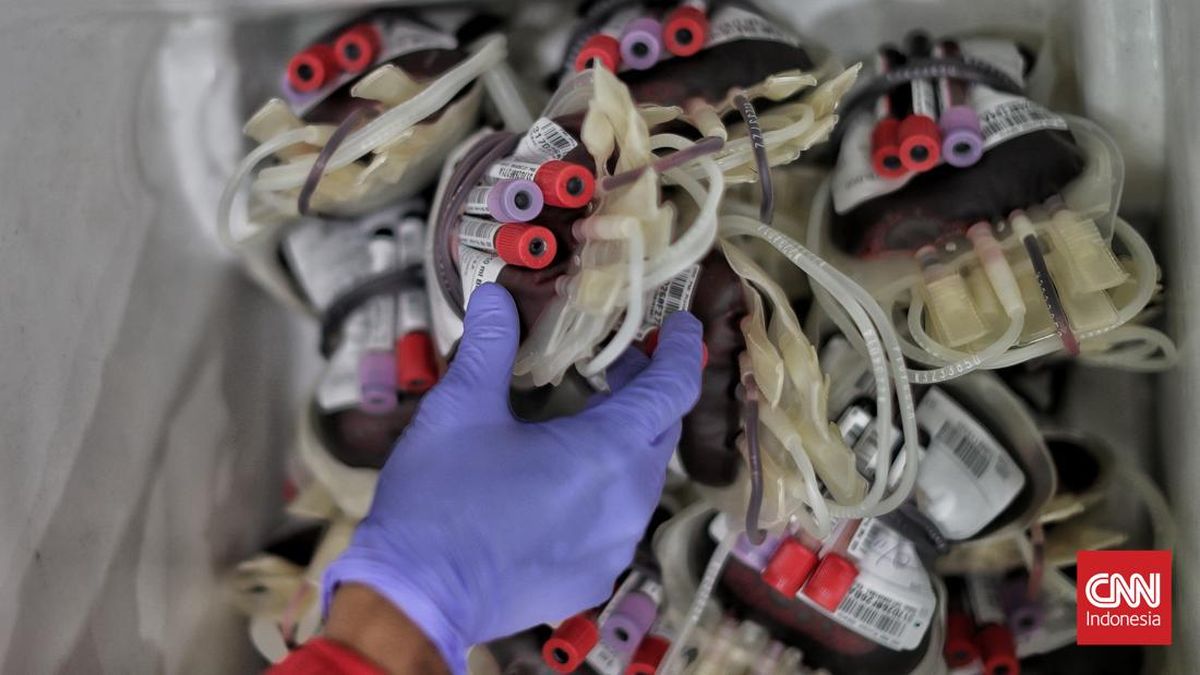
- Raising Awareness: Educating the public about the constant and often critical need for blood donations.
- Appreciating Donors: Honoring the immense generosity and altruism of voluntary blood donors worldwide.
- Promoting Safety: Emphasizing the importance of safe blood donation practices and the screening of donated blood.
- Encouraging Regular Donation: Motivating individuals to become regular blood donors to ensure a consistent and adequate supply.
The Global Imperative: Addressing Blood Shortages
The demand for blood and blood products is a persistent global challenge. Blood transfusions are essential in a myriad of medical situations, including:
- Emergency Care: Treating victims of accidents, trauma, and natural disasters.
- Maternal and Child Health: Supporting safe childbirth and managing complications for mothers and newborns.
- Surgical Procedures: Facilitating complex surgeries and post-operative recovery.
- Treatment of Chronic Illnesses: Managing conditions such as sickle cell anemia, thalassemia, and various cancers.
- Management of Chronic Diseases: Supporting patients undergoing long-term treatments for conditions like cancer and blood disorders.
Despite advancements in medical technology, there is no artificial substitute for human blood. This makes voluntary blood donation the only reliable source for meeting these critical healthcare needs. However, many countries, particularly low- and middle-income nations, continue to face significant blood shortages. Factors contributing to these shortages include a lack of public awareness, cultural barriers, logistical challenges in collection and distribution, and insufficient infrastructure for blood banking services.
The WHO estimates that globally, around 117.7 million units of donated blood are collected annually. While this number reflects a significant global effort, regional disparities persist. For instance, while high-income countries often have well-established blood donation systems and achieve high rates of voluntary, non-remunerated donations, many low-income countries still rely heavily on family or commercial donors, which carries a higher risk of transfusion-transmitted infections. World Blood Donor Day aims to bridge these gaps by advocating for universal access to safe blood and encouraging the establishment and strengthening of national blood transfusion services.
"One Drop of Humanity": The Power of Collective Action
The theme "One Drop of Humanity. Give Blood. Save Lives." for World Blood Donor Day 2026 resonates deeply with the fundamental human capacity for empathy and mutual support. It posits that each individual act of donation, however small it may seem, contributes to a larger tapestry of human solidarity. This message is particularly pertinent in an era marked by global challenges and increasing interconnectedness.
The Ripple Effect of Donation
A single donation of blood can be separated into its components – red blood cells, platelets, and plasma – each capable of saving or improving the lives of multiple patients. This highlights the extraordinary multiplier effect of one person’s generosity. For example:
- Red blood cells can be used to treat anemia, blood loss due to surgery or trauma, and certain chronic diseases.
- Platelets are vital for patients undergoing chemotherapy, organ transplant recipients, and individuals with bleeding disorders.
- Plasma is used to treat patients with clotting disorders, severe burns, and immune deficiencies, and can be processed to produce life-saving therapies like immunoglobulins.
The implications of consistent blood donation extend far beyond individual patient care. Robust blood supply chains are critical for the resilience of national healthcare systems, enabling them to respond effectively to public health emergencies, from pandemics to mass casualty events. Countries that maintain adequate blood reserves are better equipped to handle unforeseen crises, ensuring that essential medical treatments are not interrupted.
Official Calls to Action and Global Initiatives
In line with the 2026 theme, health organizations and governmental bodies worldwide are expected to amplify calls for action. These typically include:
- Public Awareness Campaigns: Utilizing various media channels to educate the public about the benefits of blood donation and dispel common myths or fears.
- Community Outreach Programs: Organizing blood donation drives in schools, workplaces, and public spaces to make donating accessible.
- Policy Advocacy: Encouraging governments to invest in and strengthen national blood transfusion services, ensuring adequate infrastructure, trained personnel, and robust safety protocols.
- Recognition and Appreciation: Publicly acknowledging and thanking regular blood donors to foster a culture of gratitude and encourage continued participation.
The WHO, as the leading international health authority, plays a crucial role in coordinating global efforts, setting standards, and providing technical assistance to member states. Its annual campaigns aim to create a unified global voice advocating for the cause of blood donation.
Looking Ahead: Sustaining the Lifeline
World Blood Donor Day 2026 serves as a powerful annual reminder of a fundamental truth: the lifeline of modern medicine often depends on the simple, yet profound, act of giving blood. As medical science continues to advance, the demand for safe, readily available blood will only increase. The theme "One Drop of Humanity. Give Blood. Save Lives." encapsulates the essence of this critical need – a call to recognize our shared humanity and to act collectively to ensure that no one is denied life-saving treatment due to a lack of blood. The ongoing commitment of voluntary donors, coupled with strengthened national blood transfusion programs, is essential to safeguarding public health and fostering a world where every individual has access to the blood they need, when they need it.