Chalifah Fatihah
A harrowing incident unfolded at Sydney’s Coogee Beach on Saturday morning, June 13, 2026, when a woman was severely injured in a shark attack. The attack, which occurred during daylight hours, has sent ripples of concern through the Australian coastal community and highlighted the inherent risks associated with ocean activities. Amidst the panic and chaos, the quick-thinking and bravery of an elite paddleboarder, Charlie Verco, emerged as a beacon of hope, significantly contributing to the victim’s survival.
Verco, an accomplished athlete preparing for the world championships in Hawaii, was engaged in his routine training session when the terrifying encounter took place. His account, shared with media outlets, paints a vivid and disturbing picture of the moments leading up to and during the attack. He described spotting a large shark, noting it was the second-largest he had ever encountered. The initial presence of the shark was perceived by some as curious rather than overtly aggressive, a sentiment Verco echoed, understanding shark behavior. However, the situation rapidly escalated from a potential sighting to a life-threatening emergency.
The terrifying ordeal began with a cry for help. Verco heard a swimmer shout "shark" while he was in the water. As he paddled closer, he observed approximately three individuals near a large, gray shadow beneath the surface. Some swimmers attempted to clamber onto Verco’s 18-foot (approximately 5.5-meter) paddleboard in a bid for safety. Verco, trained as a surf lifesaver, immediately recognized the need to alert authorities. He attempted to signal to lifeguards on shore to sound the shark alarm and began to clear the immediate vicinity of other beachgoers.
The atmosphere of apprehension swiftly transformed into outright panic as a woman’s screams pierced the air. "Then another woman started screaming, and I could see her being pulled by something… there was a lot of blood in the water, it was very shocking," Verco recounted to The Guardian, as reported by CNN Indonesia. He witnessed the shark surface, its dorsal fin cutting through the water, estimating its size to be around 3.5 meters. This encounter with a creature of such magnitude left a profound impression on Verco, who stated he had only seen one larger shark, a tiger shark in Hawaii.
In a display of remarkable composure under extreme duress, Verco maneuvered his paddleboard to assist the victim. He observed the woman briefly disappear beneath the water before resurfacing. At this critical juncture, the shark released its grip. Verco managed to help the injured woman grasp a portion of his paddleboard. However, the victim’s condition deteriorated rapidly, and she appeared to be losing consciousness, her hold on the board weakening.
"I had to try and hold her with one hand and keep paddling towards the beach with the other," Verco explained. The journey back to shore, though likely only spanning three to five minutes, felt agonizingly long to the heroic paddleboarder. Upon reaching shallow waters, he was assisted by other beachgoers in getting the woman to safety on the sand.
Critical Condition and Immediate Response
The severity of the victim’s injuries was immediately apparent. A spokesperson for New South Wales Ambulance confirmed that the woman sustained significant wounds to her arms and legs. She was transported by ambulance to St. Vincent’s Hospital, where she was reported to be in critical condition on Saturday evening. The victim is believed to be in her 30s.
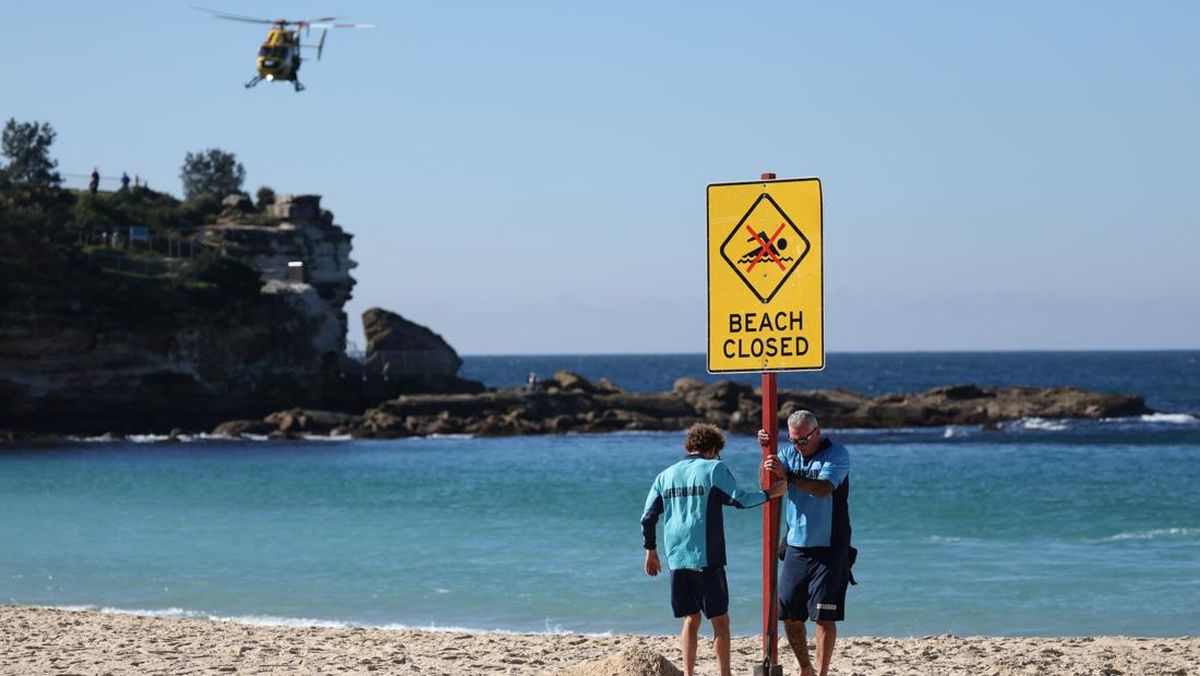
In response to the attack, Surf Life Saving New South Wales (SLSNSW), the state’s peak coastal safety organization, implemented immediate and stringent measures. All beaches stretching from Bondi to Maroubra were closed to the public for a minimum of 24 hours, a standard procedure following shark sightings or attacks to allow for monitoring and assessment of the situation.
Steve Pearce, Chief Executive of SLSNSW, expressed the organization’s deep concern and offered their best wishes to the victim and her family. He noted that this incident marked the fourth serious shark-related event in Sydney since September 2025, underscoring a concerning pattern of encounters in the region’s waters. The frequency of these incidents prompts ongoing dialogue and research into shark behavior, coastal management, and public safety strategies.
Broader Context and Implications
The Coogee Beach shark attack is not an isolated event in the waters off Sydney and the broader Australian coastline. Australia’s extensive coastline, with its popularity for recreational water activities, naturally brings humans into closer proximity with marine life, including sharks. While shark attacks remain statistically rare when compared to the millions of people who enter the water each year, each incident carries significant emotional and physical impact.
Historical Data and Shark Behavior:
Shark attacks, while alarming, are a complex phenomenon influenced by various factors including water temperature, prey availability, and human activity. Scientific research, including studies by organizations like the Australian Shark Attack File (ASAF) managed by Taronga Conservation Society Australia, aims to better understand shark behavior and mitigate risks. ASAF data indicates that while the number of attacks can fluctuate annually, there has been a general upward trend in recorded incidents in recent decades, possibly linked to increased human presence in the water and improved reporting. The species of shark involved in the Coogee incident has not been officially confirmed, but given the location and size, it is likely to be a large predatory species such as a great white or tiger shark.
Coastal Safety Measures and Technology:
In response to recurring shark encounters, Australian authorities and surf lifesaving organizations have implemented a multi-faceted approach to coastal safety. This includes:
- Shark Spotting and Patrols: Lifeguards are trained to identify potential threats and conduct regular patrols.
- Beach Closures: Immediate closure of beaches following an incident or sighting remains a crucial first step.
- Shark Tagging and Monitoring: Advanced technologies such as acoustic tagging allow researchers to track shark movements and provide real-time data to authorities.
- Shark Deterrents: Research and deployment of various deterrent technologies, including acoustic devices and specialized wetsuits, are ongoing. However, the effectiveness and widespread applicability of these technologies are subjects of continuous evaluation.
- Public Awareness Campaigns: Educating the public about safe beach practices, understanding shark behavior, and recognizing potential risks is paramount.
The Role of Elite Athletes and Community Response:
The involvement of Charlie Verco, an elite paddleboarder, highlights the intersection of professional sports and public safety. Athletes engaged in ocean sports are often the first to witness or be involved in such incidents due to their extensive time spent in the water. Their knowledge of the marine environment and their ability to act swiftly can be instrumental in saving lives. Verco’s actions are a testament to the training and preparedness of individuals involved in surf sports.
The community’s reaction, as indicated by the swift closure of multiple beaches and the widespread reporting of the event, reflects a collective concern for safety and a sense of solidarity with the victim. The incident also reignites discussions about the coexistence of humans and marine predators in shared environments.
Analysis of Implications:
The Coogee Beach shark attack serves as a stark reminder of the unpredictable nature of the ocean. It underscores the importance of continued investment in research, technology, and public education to enhance coastal safety. The increasing frequency of serious incidents in Sydney’s waters may necessitate a review of current shark mitigation strategies and potentially the implementation of more robust measures. Furthermore, the bravery displayed by individuals like Charlie Verco highlights the vital role of community vigilance and the importance of fostering a culture of preparedness among all ocean users. The psychological impact on beach communities and the potential for increased apprehension among recreational users are also significant considerations that authorities must address through clear communication and proactive safety initiatives. The incident also brings renewed focus to the ethical considerations surrounding shark management and conservation efforts, balancing the need for human safety with the protection of marine ecosystems.