Tyo Susilo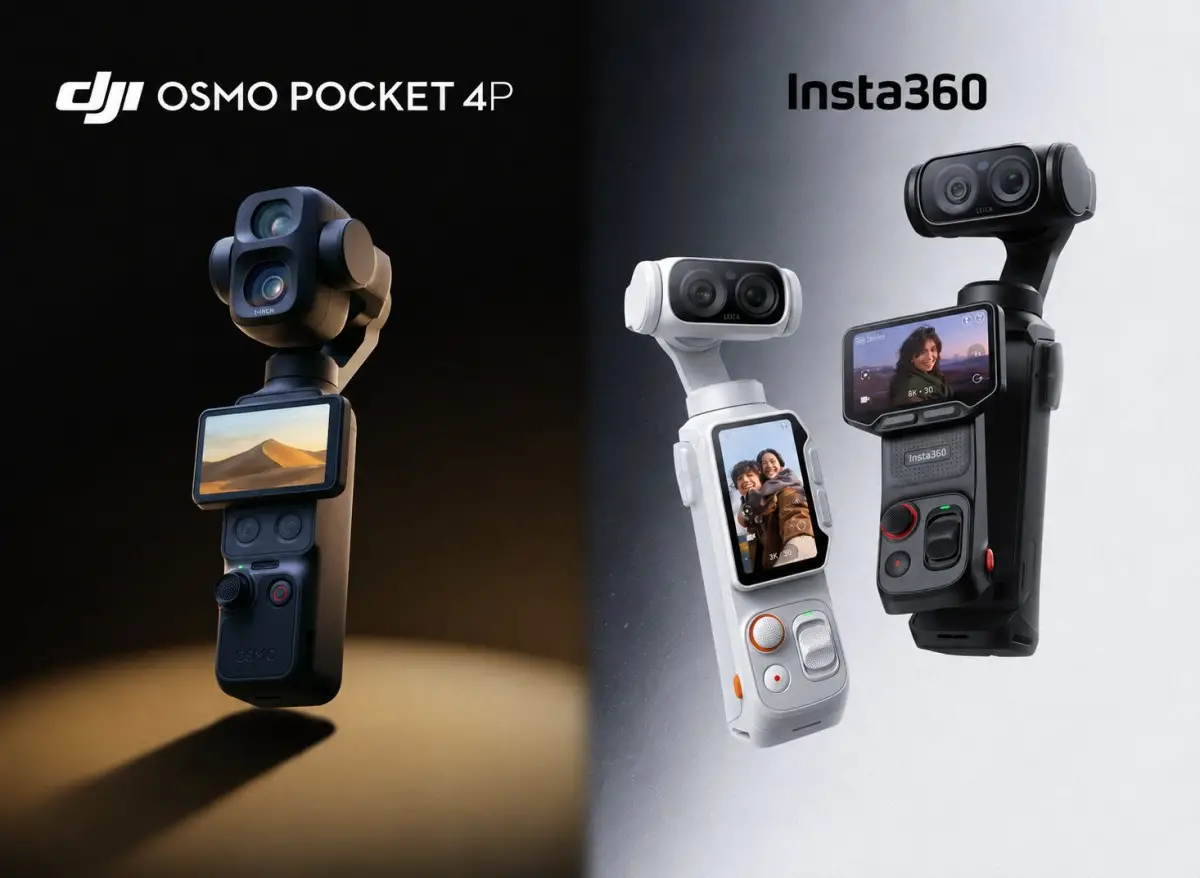
The intensifying legal battle between drone and camera giants DJI and Insta360 has escalated, with Insta360 launching a significant counter-offensive in the United States. Following DJI’s initial lawsuit filed on the same day Insta360 unveiled its Luna Ultra camera, the Shenzhen-based company has now responded with two separate patent infringement lawsuits against its rival. These filings accuse DJI of leveraging Insta360’s patented technologies related to gimbal stabilization and 360-degree camera systems across a range of DJI’s popular product lines.
The Core of the Dispute: Alleged Patent Infringement
Insta360’s legal filings pinpoint a suite of technologies that they claim DJI has unlawfully incorporated into its products. According to Insta360, these patents cover crucial innovations, including advanced gimbal stabilization techniques, precise gimbal directional control mechanisms, enhanced camera stabilization for smoother footage, the overlay of telemetry data onto video, and sophisticated panorama video stabilization. The company asserts that these patented technologies are demonstrably present in various DJI product series, such as the Osmo Pocket, Ronin/RS series, Osmo Mobile, and even the Osmo 360.
This legal maneuver by Insta360 is a direct response to the lawsuit initiated by DJI on June 10th. DJI’s initial complaint targeted the newly launched Insta360 Luna Ultra, alleging that the camera bears a striking resemblance to DJI’s upcoming Osmo Pocket 4P. DJI’s lawsuit sought a permanent injunction against the sale of the Luna Ultra within the United States, signaling a strong desire to protect its market share and intellectual property.
Insta360’s Stance: Innovation Over Litigation, But Not Passive Defense
JK Liu, the founder of Insta360, has articulated his company’s preference for letting its product innovation speak for itself. However, he emphatically stated that Insta360 will not stand idly by when the technologies they have painstakingly developed are allegedly infringed upon by competitors.
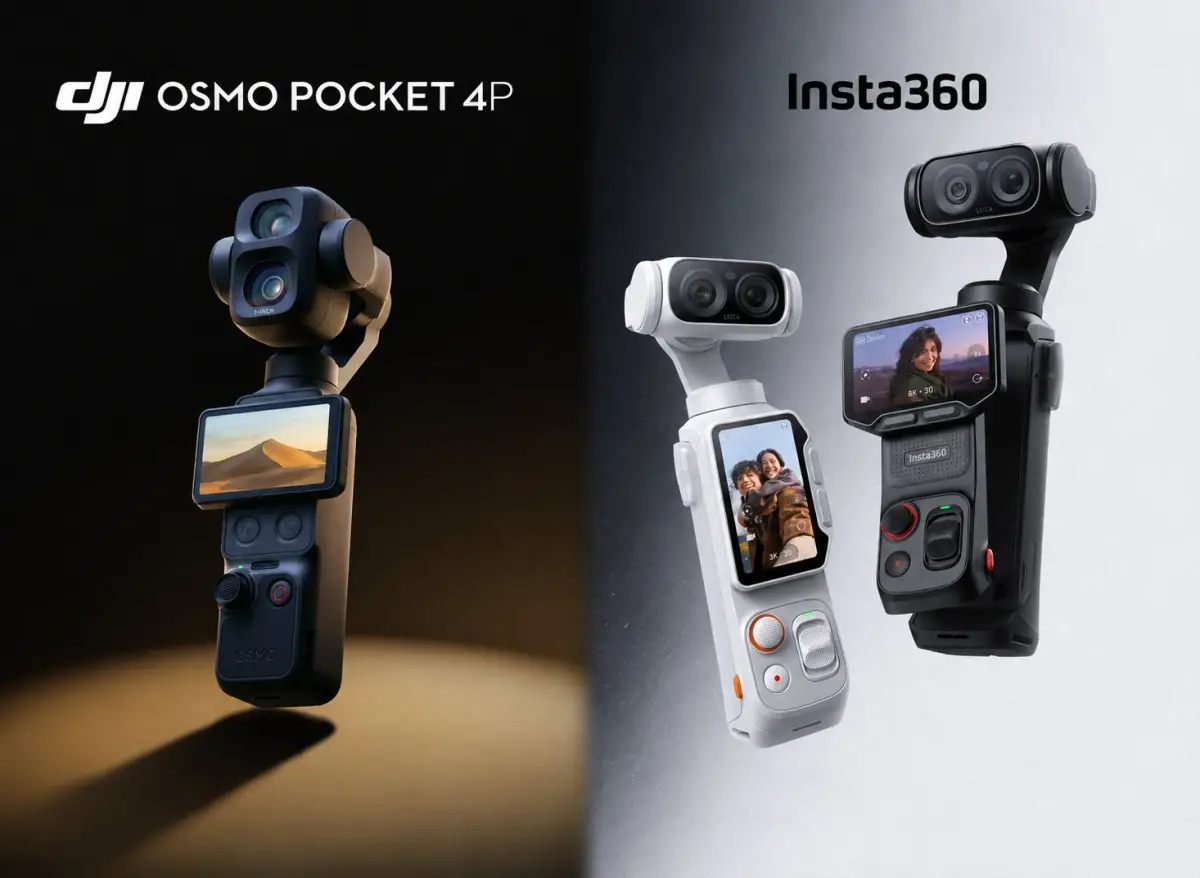
Liu has categorically denied all of DJI’s accusations concerning the Luna Ultra, asserting that the camera is the result of years of independent research and development. He detailed that the development of the Luna Ultra commenced in 2020, building upon the technological foundations and design philosophies established by previous Insta360 products, including the ONE R, the Link webcam series, and the Flow gimbal series. These established product lines, Liu suggests, have contributed to the innovative architecture of the Luna Ultra.
Furthermore, Liu subtly critiqued DJI’s timing in filing its lawsuit, coinciding precisely with the Luna Ultra’s launch. He posited that this strategic timing might betray DJI’s apprehension about the emergence of a highly competitive new entrant in their market segment.
Market Reception and Strategic Implications
Despite the looming legal challenges, Insta360 claims its Luna Ultra has been met with an overwhelmingly positive reception, particularly in the North American market. The company reported that the camera, priced at approximately $770 USD, quickly ascended to become Amazon USA’s top-selling camcorder within the first 24 hours of its availability. This rapid market penetration, if accurate, suggests a strong consumer appetite for Insta360’s latest offering and potentially validates their approach to product development.
The ongoing legal disputes between these two industry titans carry significant implications for the consumer camera and drone market. DJI, a dominant force with a vast product ecosystem, has historically leveraged its market position and R&D investments to maintain its lead. Insta360, on the other hand, has carved out a niche with its innovative 360-degree cameras and compact stabilized systems, often challenging established norms.
A Timeline of Escalation
The current legal confrontation did not emerge in a vacuum. Understanding the chronology of events provides crucial context:

- Pre-2020: Both DJI and Insta360 were actively developing and patenting technologies related to camera stabilization, gimbals, and immersive imaging. This period laid the groundwork for future product lines and potential patent disputes.
- 2020: Insta360 begins its dedicated research and development phase for what would eventually become the Luna Ultra. This internal project is cited as a cornerstone of their defense against future allegations.
- June 10, 2026: On the day of the Insta360 Luna Ultra’s official launch, DJI initiates its lawsuit in the United States, accusing the new camera of infringing on its intellectual property and seeking a sales ban.
- June 17, 2026: Insta360 formally announces and files two patent infringement lawsuits against DJI in the United States, alleging that DJI’s products incorporate Insta360’s patented technologies. This marks the beginning of the direct counter-litigation.
Potential Impact on the Industry
The protracted legal battles between DJI and Insta360 could set significant precedents within the consumer electronics industry, particularly in the rapidly evolving fields of drone and camera technology. The outcome of these lawsuits could influence:
- Innovation Cycles: Companies might become more cautious about developing technologies that could be perceived as too close to existing patents, potentially slowing down the pace of innovation or encouraging more licensing agreements.
- Market Dynamics: If one party is significantly hampered by legal rulings (e.g., sales bans or substantial damages), it could reshape the competitive landscape, allowing rivals to gain market share.
- Patent Enforcement Strategies: The intensity of these lawsuits highlights the critical importance of robust patent portfolios and aggressive enforcement strategies in high-tech industries. Companies may re-evaluate their approach to patent acquisition and defense.
- Consumer Choice: Ultimately, prolonged legal battles can indirectly affect consumers through price fluctuations, availability of products, or the range of innovative features accessible to them.
Expert and Industry Analyst Perspectives (Inferred)
While direct statements from industry analysts on this specific, unfolding legal situation are not yet publicly available, general observations can be inferred based on past industry trends:
"Patent litigation in the tech sector is increasingly common as companies strive to protect their significant R&D investments," commented a senior intellectual property analyst, speaking on condition of anonymity. "In the camera and drone space, where innovation is rapid and differentiation is key, disputes over foundational technologies like stabilization and imaging are almost inevitable. The scale of these filings suggests both companies believe they have strong grounds for their claims, and this could become a protracted and costly legal fight."
Another industry observer noted, "DJI’s initial move was aggressive, aiming to preemptively block a competitor’s product. Insta360’s counter-lawsuits are a clear signal that they are prepared to defend their intellectual property vigorously and perhaps even turn the tables. The specific patents cited by Insta360, if valid and demonstrably infringed upon, could pose a significant challenge to DJI’s product lines."
Conclusion: A High-Stakes Legal Showdown
As the legal proceedings unfold, the focus will be on the validity of the patents in question and the evidence presented by both DJI and Insta360 to support their claims of infringement. The outcome of these lawsuits could have far-reaching consequences, potentially reshaping the competitive dynamics and intellectual property landscape within the consumer camera and drone industry for years to come. This escalating conflict underscores the fierce competition and the critical role of intellectual property in the high-stakes world of technology manufacturing. The courtroom will now decide the next chapter in the rivalry between these two innovative companies.