Chalifah Fatihah
As the Islamic calendar approaches its commencement, the month of Muharram, Muslims worldwide are being reminded of its profound spiritual significance and the encouraged increase in acts of devotion. Muharram, the first month of the Hijri calendar, holds a revered position, often referred to as "Shahrullah" or "the month of Allah." This period is characterized by an amplified emphasis on worship, reflection, and seeking divine proximity, presenting a unique opportunity for spiritual rejuvenation and the accumulation of immense rewards. The traditions and teachings of Islam highlight a range of recommended practices during Muharram, extending beyond mere observance to a holistic approach to spiritual growth.
The significance of Muharram is deeply rooted in Islamic history and theology. It is one of the four sacred months (al-ashhur al-hurum) mentioned in the Quran, during which warfare and aggression were traditionally forbidden. This sacredness imbues the month with an atmosphere of peace and contemplation, further encouraging Muslims to focus on their spiritual connection. Within Muharram, the tenth day, known as Ashura, holds particular historical and religious importance, marked by various significant events in Islamic tradition. This confluence of historical events and spiritual emphasis makes Muharram a pivotal time for Muslims to recommit to their faith and seek Allah’s blessings.
Recommended Acts of Worship in Muharram
Islamic scholars and texts have outlined several recommended acts of worship, often referred to as "sunnah" acts, that are particularly emphasized during Muharram. These practices are not obligatory but are highly encouraged for their potential to bring abundant blessings and divine favor.
One of the most prominent recommended acts is fasting. While fasting is prescribed during the month of Ramadan, voluntary fasting throughout the year is a highly virtuous deed. The Prophet Muhammad (peace be upon him) is reported to have said that the most excellent fast after Ramadan is the fast of Allah’s month, Muharram. Specifically, fasting on the ninth and tenth days of Muharram, known as Tasu’a and Ashura respectively, is highly recommended. The tradition of fasting on Ashura predates Islam, and its observance in Islam is linked to various significant events, including the salvation of Prophet Moses and his followers from Pharaoh. It is also recommended to fast on the ninth day (Tasu’a) alongside the tenth (Ashura) to differentiate from the practices of other faiths and to increase the reward.
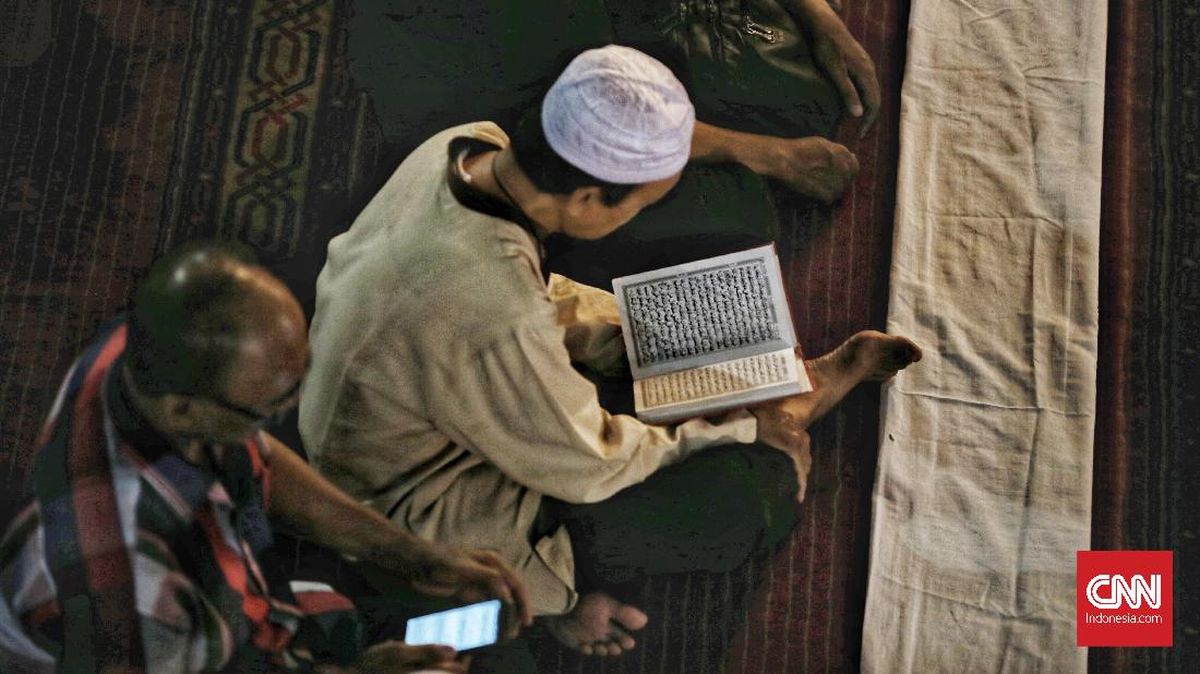
Beyond fasting, prayer remains a cornerstone of Islamic worship. During Muharram, Muslims are encouraged to not only fulfill their obligatory five daily prayers with punctuality and devotion but also to increase their performance of voluntary prayers (nafl prayers). This includes prayers like Duha (mid-morning prayer), Tahajjud (night prayer), and Witr (final prayer of the night). Engaging in these supererogatory acts of worship demonstrates a sincere desire to draw closer to Allah and can elevate one’s spiritual status.
Maintaining and Strengthening Kinship Ties (Silaturahim)
The month of Muharram also emphasizes the importance of maintaining and strengthening kinship ties. This involves actively reaching out to family members, fostering positive relationships, and resolving any existing disputes. Islam places a high value on the concept of "silaturahim," which signifies the bond of kinship and the obligation to maintain it. The Prophet Muhammad (peace be upon him) stated that whoever believes in Allah and the Last Day should maintain the ties of kinship. In the context of Muharram, this practice is seen as a means of spreading peace, love, and harmony, reflecting the sanctity of the month. This can involve visiting relatives, making phone calls, or sending messages to express care and concern, thereby reinforcing the social fabric of the Muslim community.
Visiting Scholars and the Pious
Another recommended act is visiting scholars and the pious. This practice is aimed at gaining knowledge, seeking spiritual guidance, and benefiting from the wisdom of those who have dedicated their lives to religious learning and practice. Whether these individuals are alive or have passed away, the act of visiting them, learning from their teachings, or praying for their souls is considered a virtuous deed. This tradition underscores the importance of intellectual and spiritual mentorship within the Islamic tradition, encouraging a continuous pursuit of knowledge and spiritual development.
Visiting the Sick and Supporting the Needy
The principle of compassion and empathy is further highlighted through the recommendation to visit the sick. This act of kindness demonstrates solidarity and concern for fellow human beings during their time of vulnerability. It is an expression of human connection and a reminder of our shared humanity. Alongside this, supporting orphans is also strongly emphasized. Providing for the needs of orphans, whether through financial assistance, emotional support, or general care, is considered an act of immense reward. This aligns with the Islamic emphasis on social justice and the protection of the vulnerable within society.
Charity (Sadaqah) and Generosity
Generosity and charity (Sadaqah) are universally encouraged in Islam, and they are particularly highlighted during Muharram. Muslims believe that wealth is a trust from Allah, and giving to the less fortunate is a way of purifying one’s wealth and earning divine pleasure. Engaging in acts of charity during this sacred month is seen as a means of attracting Allah’s mercy and blessings. This can manifest in various forms, such as donating to mosques, supporting charitable organizations, or directly assisting individuals in need. The act of giving, especially during a time of spiritual reflection, reinforces the values of empathy, gratitude, and social responsibility.
Enhancing the Livelihood of the Family
A less commonly discussed but nevertheless significant recommendation is to increase the provision for one’s family. This act, when performed with the intention of fulfilling one’s responsibilities as a provider and seeking Allah’s pleasure, is also considered a form of worship. It contributes to the well-being and harmony of the household, fostering a sense of security and gratitude within the family unit. This practice emphasizes that spiritual devotion is not confined to individual acts of worship but also encompasses fulfilling one’s worldly obligations with sincerity and good intention.
Personal Grooming and Reading Holy Texts
Certain acts of personal grooming are also included in the list of recommended practices. For instance, trimming the nails is mentioned as a practice that can be beneficial when performed on auspicious days. Additionally, the recitation of Surah Al-Ikhlas (Chapter 112 of the Quran) 1,000 times is cited as a practice that, when done with sincerity, can bring immense reward and blessings from Allah. This emphasis on reading specific chapters of the Quran highlights the profound spiritual power associated with the divine word.
Historical Context of Muharram and Ashura
The month of Muharram is not only significant for its general spiritual recommendations but also for specific historical events that took place within it, particularly on the day of Ashura. The 10th of Muharram is widely recognized for several pivotal moments in Islamic history:
- The repentance of Prophet Adam (Adam) and his acceptance by Allah.
- The salvation of Prophet Nuh (Noah) and his followers from the Great Flood.
- The rescue of Prophet Ibrahim (Abraham) from the fire.
- The liberation of Prophet Musa (Moses) and the Children of Israel from the tyranny of Pharaoh, marked by the parting of the Red Sea.
- The ascension of Prophet Isa (Jesus) to heaven.
These events, celebrated by Muslims through fasting and other acts of devotion on Ashura, underscore the themes of divine intervention, justice, and salvation. The observance of Ashura serves as a reminder of Allah’s power and His unwavering support for His prophets and believers.
However, it is also crucial to acknowledge the tragic event that profoundly shaped the significance of Ashura for a large segment of the Muslim community: the martyrdom of Imam Hussein ibn Ali, the grandson of Prophet Muhammad (peace be upon him), and his companions at the Battle of Karbala in 680 CE (61 AH). For Shia Muslims, Ashura is a day of deep mourning, remembrance, and lamentation, commemorating the ultimate sacrifice made in the defense of Islamic principles and justice. While Sunni Muslims primarily observe Ashura through fasting and voluntary acts of worship, Shia Muslims engage in extensive mourning rituals, processions, and public recitations of elegies to honor the memory of Imam Hussein and his family. This dual significance of Ashura highlights the diverse ways in which Muslims commemorate and draw spiritual lessons from the events of Muharram.
Analysis of the Implications
The emphasis on these recommended acts of worship during Muharram serves multiple purposes. Firstly, it provides a structured framework for Muslims to enhance their spiritual connection with Allah at the beginning of the new year, setting a positive tone for the months ahead. The variety of recommended practices caters to different inclinations and capacities, allowing individuals to engage in acts that resonate most with them.
Secondly, the emphasis on community-oriented acts like strengthening kinship ties, visiting the sick, and supporting the needy reinforces the social dimensions of Islam. It encourages Muslims to be not only devoted individuals but also compassionate and responsible members of their communities. This collective focus can contribute to social cohesion, mutual support, and the alleviation of suffering.
Thirdly, the historical context of Muharram and Ashura provides valuable lessons in faith, perseverance, and the struggle for justice. By reflecting on the lives and sacrifices of the prophets and the martyrdom of Imam Hussein, Muslims are inspired to uphold their values and stand against oppression.
Conclusion
As the crescent moon signals the advent of Muharram, Muslims are presented with a golden opportunity to deepen their spiritual connection, reflect on the profound lessons of Islamic history, and strengthen their bonds with Allah and their fellow human beings. The recommended acts of worship, ranging from fasting and prayer to acts of kindness and charity, offer a comprehensive path to spiritual growth and divine favor. By embracing these practices with sincerity and devotion, Muslims can usher in the new Islamic year with renewed faith, purpose, and a commitment to living a life that is pleasing to Allah. The spiritual richness of Muharram serves as a timeless reminder of the enduring principles of Islam and their relevance in navigating the complexities of modern life.